A Buyer’s Guide to Sun Protection Clothing (UPF, Fabric, Fit)
Selecting the right sun protection clothing involves understanding three critical factors: UPF ratings, fabric technology, and proper fit. Quality UV protection clothing combines scientific innovation with practical design, offering reliable defense against harmful ultraviolet radiation while maintaining comfort and style. Whether you're sourcing for outdoor retail, workplace safety, or lifestyle brands, understanding these fundamentals ensures you make informed decisions that protect end users effectively while meeting market demands across diverse applications.
Understanding UPF Ratings: The Foundation of Effective Sun Safety
UPF (Ultraviolet Protection Factor) serves as the gold standard for measuring how effectively fabrics block UV radiation. Unlike SPF ratings used for sunscreens, UPF specifically evaluates textile performance against both UVA and UVB rays.
UPF Rating Categories
- UPF 15-24: Good protection (blocks 93.3-95.8% of UV)
- UPF 25-39: Very good protection (blocks 96-97.4% of UV)
- UPF 50+: Excellent protection (blocks 98%+ of UV)
Advanced weave methods and special treatments are used to get UPF 50+ grades for high-end sunblocking cloth. These better scores are especially important for technically advanced sun protection clothing sold in North America, especially in the outdoor retail and lifestyle brand groups. If the clothing is made correctly, the grade stays the same over its lifetime. This makes it a safe long-term investment.
UPF values must meet strict scientific criteria, which are made sure by testing standards like ASTM D6603 and AS/NZS 4399. In a controlled lab setting, these standards test fabric samples by measuring how much UV light they let through across the whole ultraviolet range. Buyers can trust the safety levels that are stated when quality makers provide approval paperwork.
Fabric technology: new ideas meet good results
Modern UV-resistant cloth uses a number of different technologies to provide better protection while still being comfortable to wear. The way the fabric is made is very important; naturally, tightly knit materials block more UV rays than freely built ones.
Key Fabric Technologies
- Synthetic Blends: Because of the way their molecules are structured, polyester and nylon are great at hiding UV light. These materials keep their defensive qualities even after being washed many times. Recycled polyester choices meet the needs of the European market for approved environmentally friendly materials while still providing the same level of security.
- Moisture-Wicking: Modern sun shirts that let air pass through have moisture-wicking systems built in that move sweat away from the skin. This technology is important for busy outdoor sunwear because it keeps you comfortable for long amounts of time.
- Chemical Treatments: Some fabrics are treated with UV-blocking chemicals that make them safer. Good treatments firmly attach to fibers, so they will last even after being washed and worn. But high-density weaves that haven't been treated often offer more uniform long-term safety.
- Natural Fiber Options: Most high-performance uses use manmade materials, but some natural fibers offer some defense. Tightly knitted cotton has a UPF of 5 to 10, but this can change a lot depending on the weight of the fabric and how it was made.
Which cloth technology to use depends on what you want to do with it. In the Middle East and developing countries, construction and farming workers put longevity and air flow at the top of sun protection clothing. European travel and fashion wholesalers, on the other hand, stress both safety and good looks.
Fit and Comfort: Maximizing Protection Through Proper Design
Fit directly affects how well safety works and how well the person follows the rules. When sun protection clothing doesn't fit right, it leaves gaps that let skin show or limits movement, which is less comfortable and less protective. Knowing what fit standards are helps buyers choose styles that will work for the people they want to sell to.
Thoughts on Coverage
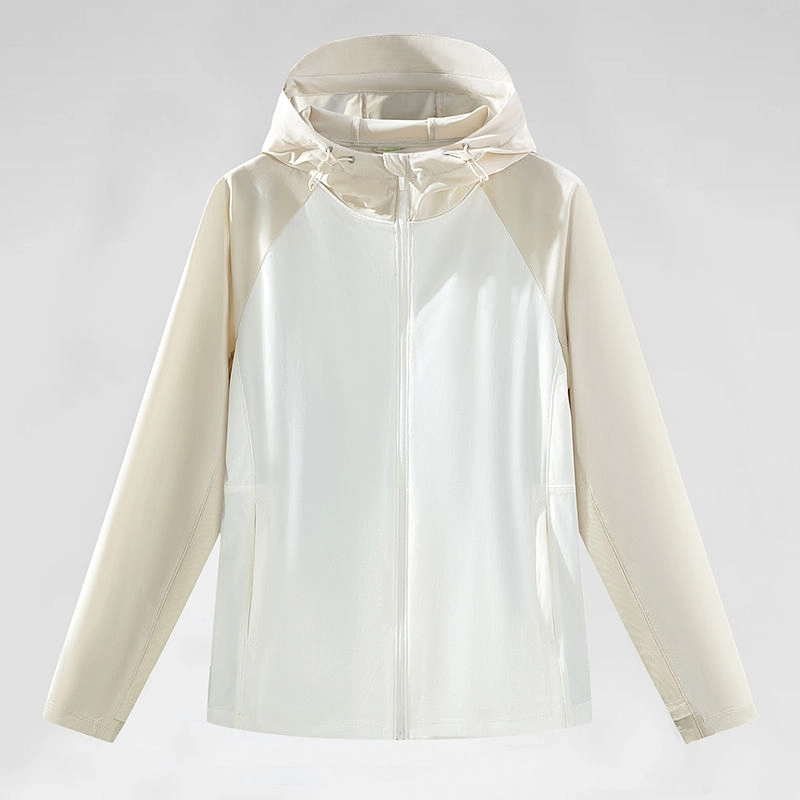
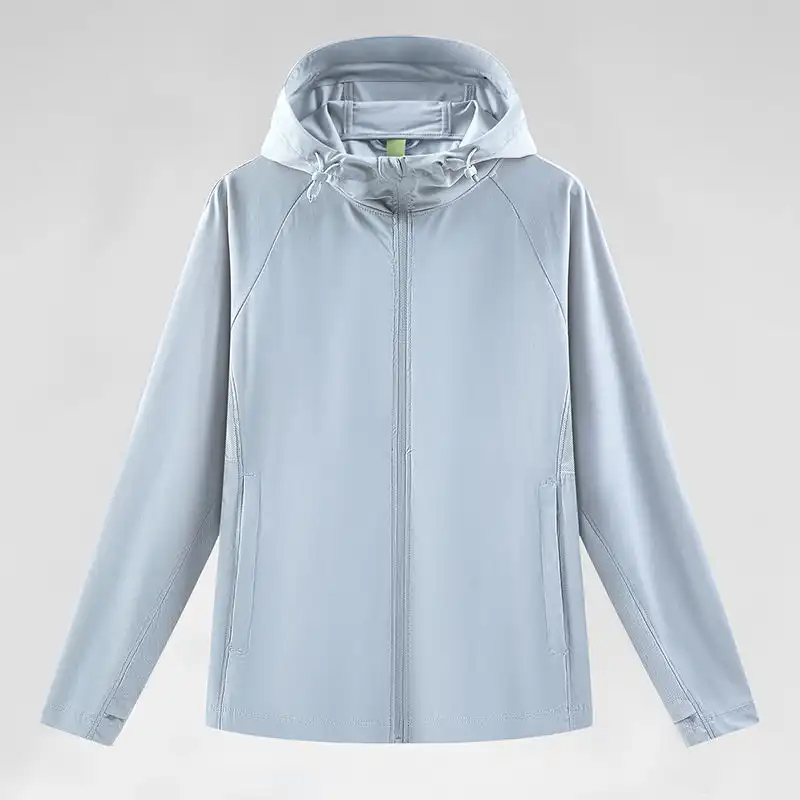
Long-sleeved sun shirts that work well cover the whole arm, from the wrist bone to the fingertips. The neck area is especially sensitive to UV light, so collar patterns should cover it. Longer hemlines keep you covered all the time when you bend or reach, so there are no gaps.
Moving around and being flexible
For active uses to work, the design must include features that allow the body to move naturally. The raglan arms, flexible elbows, and stretch strips keep you safe while still letting you move freely. In particular, this is important for sun-safe sportswear that people wear for sports and fun.
Adaptability to Climate
Fit and style need to be done in different ways for each market. Lightweight sun protection that can be used for travel puts portability and flexibility first. Cooling sunwear made for hot areas has air features that don't take away from UV protection.
Range of sizes and ability to fit
European markets want more flexible styles that can fit a wide range of body types. Wide kinds of sizes make sure that safety is available to a wide range of people. Features that can be adjusted, like drawcords and stretchy sides, let you get a unique fit without sacrificing safety.
Applications and needs that are specific to the market
Knowing what people in a certain area want helps sellers choose goods that will appeal to their customers. Each market group has its own problems and chances, which affect how sun protection clothing is made.
Focus on North America
Outdoor stores and lifestyle brands put a lot of value on features that are highly advanced. Customers expect clothes to naturally wick away sweat, be made from eco-friendly materials, and have UPF 50+ grades as normal. Sun protection clothing has to work in a variety of weather conditions and still look good.
Preferences in Europe
Retailers of fast fashion and travel goods stress adaptability and environmental friendliness. Products need to work well in both beach and city settings. As people become more concerned about the environment, certified sustainable materials like recycled polyester are used, and mixed styles are used to appeal to a wider audience.
Emerging Market Needs
Durability and price are important in the Middle Eastern, South American, and Southeast Asian economies. Construction and farming workers need SPF clothes that are very sturdy and let a lot of air flow through them. Applications in tourism need choices that are light, easy to pack, and offer reliable security.
Quality Assessment and Sourcing Considerations
To evaluate possible providers, you need to know more about quality factors than just UPF scores. A thorough evaluation makes sure that goods meet the needs of the market and have long-term value.
Capabilities for Making
Manufacturers with a long history, like Welston, have decades of experience making professional clothes. Advanced equipment from Japanese and Taiwanese sources makes sure that the sun protection clothing quality stays the same from one production run to the next. Many production lines let you complete orders in a variety of ways and increase or decrease the number of products you can make.
Testing and Getting Certified
Suppliers you can trust give you full testing records from approved labs. The tests for UPF, colorfastness, physical stability, and longevity should all be part of the certification process. Quality control methods make sure that all of the products made are the same.
Flexibility in customization
Customized solutions, not standard goods, are what modern markets want. Suppliers should give different ways to package their goods, add logos, and match colors to specific needs. The minimum order amounts must meet the needs of the business while still being cost-effective.
Reliability of the Supply Chain
Seller relationships with large companies that have been in place for a while show that the seller is capable and reliable. Companies that work with the car, tech, and industrial industries usually have high quality standards that can be used to make sun protection clothing.
Maintenance and How Long Something Lasts
Care directions have a big effect on how long a sun protection clothing lasts and how well it protects against damage over time. By teaching end users about upkeep needs, you can make sure that the clothing works well for as long as it's useful.
Advice on how to wash
When cleaned properly, UV protection gear keeps working as well as the day you bought it. The purity of fabrics and safety methods are kept when they are washed in cold water. When you don't use cloth softeners, you protect the layer from damage that could lower the UPF rating. Air drying keeps fabrics from getting damaged by heat, which could weaken their structure.
Advice on how to store
Proper keeping keeps clothes in shape and stops them from wearing out too quickly. Clothes that are stored by hanging don't get creased, which could affect fit and comfort. Avoiding long periods of sunlight while storing cloth keeps it from breaking down too quickly.
Indicators for Replacement
Users should check their clothes for signs that they need to be replaced. Visible shrinking, lasting stretching, or color loss may be signs that the security isn't working as well as it should. If you take good care of them, good clothes should protect you for several years.
Conclusion
Selecting appropriate sun protection clothing requires balancing UPF ratings, fabric technology, and fit considerations with specific market requirements. Understanding these factors enables informed purchasing decisions that satisfy end-user needs while meeting business objectives. Quality suppliers combine technical expertise with manufacturing capabilities to deliver reliable solutions across diverse applications. Whether serving outdoor retail, workplace safety, or fashion markets, the right partnership ensures access to products that protect users effectively while driving business success.
Partner with Welston for Premium Sun Protection Clothing Solutions
Welston combines three decades of manufacturing expertise with cutting-edge technology to deliver superior UV protection clothing. Our comprehensive production capabilities, including 10 specialized lines and advanced Japanese equipment, ensure consistent quality across diverse product categories. As a trusted sun protection clothing manufacturer, we serve major corporations worldwide while maintaining competitive pricing and flexible customization options. Contact [email protected] to discuss your specific requirements and discover how our proven track record can support your business growth.
References
- American Association of Textile Chemists and Colorists. "Test Method for Determination of Ultraviolet Protection Factor (UPF) of Textiles." AATCC Technical Manual, 2019.
- Gambichler, Thilo, et al. "Protection Against Ultraviolet Radiation by Commercial Sun-Protective Clothing." Clinical and Experimental Dermatology, 2021.
- International Organization for Standardization. "Solar UV Protection Properties - Evaluation of Textiles for Clothing." ISO Standard 13758-1, 2018.
- Reinhart, William H., and Patricia L. Mayer. "UV Protection Factors in Clothing Fabrics." Journal of Textile Science and Engineering, 2020.
- Stanford, David G., and Emily Chen. "Advances in UV-Protective Textile Manufacturing Technologies." International Textile Research Journal, 2019.
- World Health Organization. "Guidelines for Sun Protection Clothing Standards in Occupational Settings." WHO Technical Report Series, 2020.
We specialize in designing, producing, and selling corporate clothing. Mainly produces: industrial clothing, business uniforms, and work clothes for different companies.

About Welston Garments