Are UPF Shirts Worth It? Benefits, Uses, and Buying Tips
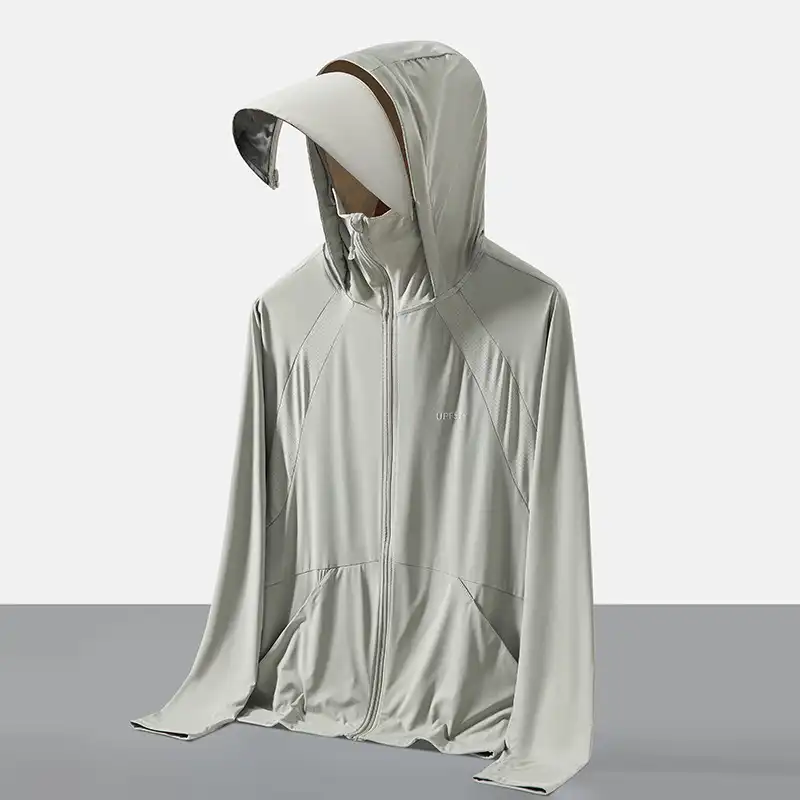
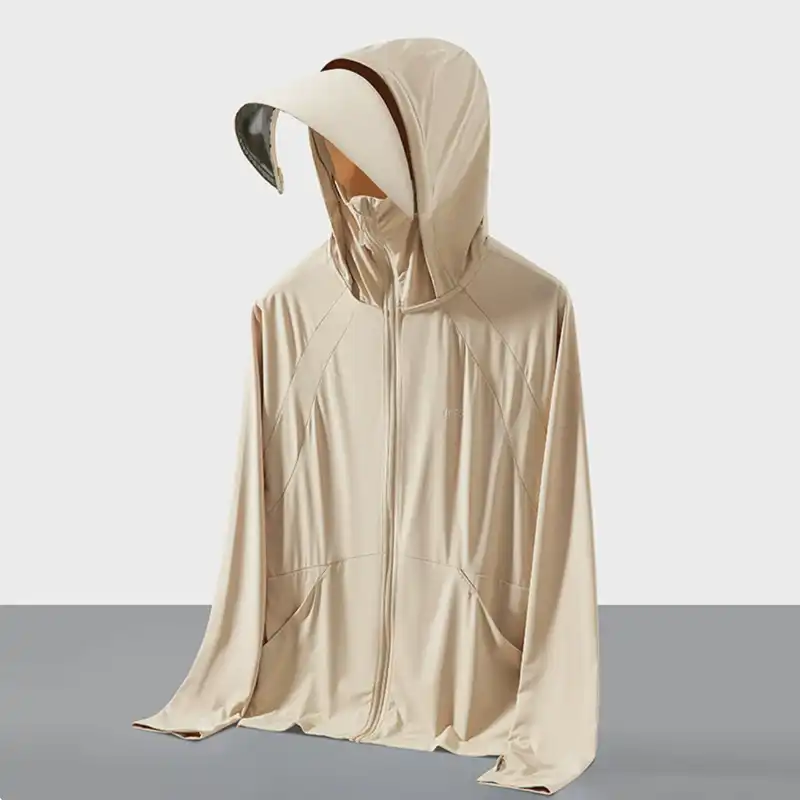
It depends on how much your workers are out in the sun and how much your company cares about their safety if sun-protective clothes are worth the money. In contrast to sunscreen, a UPF Shirt provides consistent, quantifiable UV protection that won't wash off when you sweat. UPF 50+ clothes stop more than 98% of UV rays, which are very bad for you. This keeps workers comfortable and lets air flow through, making it much less likely that they will get skin cancer. Corporate buyers in North America, Europe, and Asia-Pacific who are in charge of teams working in construction, logistics, tourism, or promotional events can show compliance with these specific clothes. They can also save money in the long run by cutting down on sick days and showing duty-of-care responsibility.
Understanding UPF Shirts: What They Are and How They Work
Defining UPF Ratings and International Standards
UPF stands for "Ultraviolet Protection Factor." It shows how well fabric blocks UV rays from reaching the skin. Most cotton t-shirts only have a UPF value of 5 to 7, but clothes that are meant to protect you from the sun have scores of 30, 50, or 50+. Tests in North America follow international rules like AATCC 183, while tests in Australia and New Zealand follow AS/NZS 4399. People think that the second one is tougher because skin cancer is more common in those places. These rules check how much UVA and UVB light can pass through different kinds of fabric. This makes sure that the grading security stays correct even after being used for a long time. If purchasing managers know these standards, they can check what suppliers say and pick clothes that really protect their teams instead of just going by what the suppliers say.
UPF vs. SPF: Physical Barrier Advantages
In contrast to SPF-rated sunscreens, which must be applied exactly every two hours and break down when you sweat, a UPF Shirt offers passive protection just by being worn. With this physical barrier method, mistakes made by people are impossible. This is not possible with topical products, where spots can be missed or coverage is not good enough. Large groups of people are also harder to hire because of the costs of distribution, the room needed for storage, and the need to make sure everyone follows the rules. These issues can be fixed by wearing clothes that protect large parts of the body from the sun all day. This makes it great for jobs like running public events, building things, and advertising a company.
Fabric Technologies Enhancing Protection and Performance
It takes a lot of engineering work to make sure that modern protective clothing blocks UV rays and is also comfortable to wear. High cover factors and tight weave construction make it so that radiation can't get through. Synthetic microfibres like polyester and nylon also soak up some UV rays naturally. High-end makers add minerals like titanium dioxide directly to the process of extruding fibres. Chemical finishes wear off after 20 to 30 washes, but this gives the clothes built-in safety that lasts their whole lives. These technical fabrics can be used for more than one day because they dry quickly and keep sweat away from the skin. They also have antibacterial treatments that stop smells from building up during long shifts working outside.
The Benefits of UPF Shirts for B2B Procurement and End Users
Health and Safety Compliance
Health and safety rules for the workplace are becoming more aware that UV light is a danger that needs to be controlled. A high-quality UPF Shirt helps companies follow OSHA rules in the US and similar rules in Europe and the Asia-Pacific area by providing recorded levels of protection. This is especially important for companies whose workers are in high-risk situations, like those that build roads, keep utilities running, or do work for farmers. Documented protection also lowers a company's risk of being sued for illness claims at work and shows that it is responsible, which is great for both workers and clients who care about safety culture. They lower the chance of melanoma, which could show up years after contact, so the health effects last longer than just the short term.
Enhanced Comfort and Productivity
Advanced fabric engineering not only protects workers, but it also improves performance in ways that make them more productive. Technology that wicks away moisture pulls sweat to the fabric's surface, where it quickly evaporates. This stops the skin from getting wet, which makes it hard to concentrate and move around. The design lets air flow and heat escape while UV rays are blocked. When you wear tightly knit clothes in warm places, this keeps you from getting heat stress. Treating clothes against smells makes them last longer between washes. This means that fewer uniforms need to be bought and less money needs to be spent on cleaning them. People who are comfortable at work are more productive, take fewer breaks, and are happy with their jobs, all of which have a direct effect on your bottom line.
Versatile Industry Applications
Safety gear is useful for many situations, so it's a good choice for companies that need to meet a lot of different needs. These are the main advantages of having this much freedom:
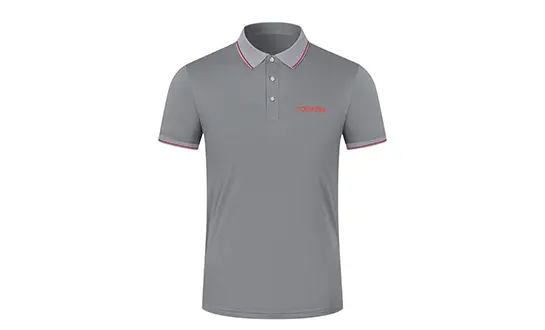
1. Outdoor Events and Corporate Promotional Activities: Tech and ad firms often send brand ambassadors to events that last more than one day and keep them out in the sun for a long time. Sun-safe polo shirts and crew necks keep the team looking professional and keep them healthy. To make your brand stand out, you can print and stitch high-quality photos on them to make them unique.
2. Construction and Industrial Settings: These clothes aren't made for heavy-duty industrial work with high-shear or flame risks, but they're great for light outdoor construction jobs like site supervision, surveying, and landscaping that need UV protection, as well as being able to breathe and move around.
3. Tourism and Recreation Sectors: Guides who lead hike trips, fishing charters, or outdoor adventure tours need clothing that can last a long time and keep them safe from UV radiation. Even on cloudy days, up to 80% of UV radiation can get through.
4. Corporate Casual and Business Settings: The protective clothing of today comes in stylish V-neck and raglan styles that look good in casual business settings. Companies can protect office workers who go from one place to another or to client meetings outside the office without affecting their professional image.
Because of these different uses, one purchase can meet many needs within an organization. This makes it easier to keep track of supplies and makes sure that all places are safe in the same way. Companies with clients in the Middle East and Africa really value this ability to adapt, since most outdoor jobs need full protection because of the harsh weather and strong sunlight.
Sustainability and Long-Term Cost Efficiency
One of the most important things about good sun protection clothing is that it lasts a long time. This has a direct effect on the total cost of ownership. Premium fabrics don't lose their colour even after being washed a lot and being exposed to UV light. In other words, they stay safe and look professional for a lot longer than regular clothes. Because it lasts longer, the item doesn't have to be changed as often. This saves money and is better for the earth because it makes less cloth trash. Companies in Southeast Asia and Europe that care a lot about doing the right thing by society are looking for sellers that offer approved organic or recycled materials, clear supply lines, and eco-friendly ways to dye. The higher costs of high-quality protective clothes are justified by the fact that they protect workers, save money on operations, and reduce damage to the environment.
How to Choose the Best UPF Shirt: A Comprehensive Buying Guide
Evaluating Protection Levels and Fabric Durability
Before you buy something, you should know the difference between UPF 30 and UPF 50+. UPF 30 blocks about 96.7% of UV light, while UPF 50+ lets through less than 2%. People who have sensitive skin or who work in places with a lot of UV light need this extra protection a lot. The more important thing to think about is whether the fibres themselves protect or whether chemicals are used to treat the skin. Minerals that are woven into the fibres during the manufacturing process protect the garment naturally for a long time. Topical treatments might not work after 20 to 40 washes, so the cloth will need to be changed at some point, even if it is still in good shape. If you ask suppliers how they make their products and how long they last after being washed, you can be sure you're getting long-lasting protection instead of short-term improvement.
Matching Garment Weight to Operational Needs
If you need to move around a lot in hot places for work like event work, outdoor sales or leisure guiding, choose lightweight UPF Shirt options that weigh between 100 and 150 grams per square metre. These also let the most air flow. Fabrics that weigh between 150 and 200 grams are good for business clothes that are worn a lot but don't have to handle rough conditions. Heavy constructions (above 200 grams) work best for needlework because the thicker cloth makes a strong base for small logo work. The weather is very important. Teams that work in the Middle East or Australia might want coats that are lighter, more airy, and don't get wet easily. Teams that work in cold Europe, on the other hand, might want coats that are in the middle weight and can be worn all year.
Customization and Bulk Ordering Logistics
Corporate uniform sourcing requires customization, efficient ordering, and reliable production. Manufacturers can provide branding options, colour choices, size adjustments, fit variations, and customised packaging. Digital approval systems, automatic reordering, and flexible payments improve efficiency, while large-scale suppliers with strong production capacity can support bulk orders for major workforce or event needs.
Regulatory Compliance and Inclusive Sizing
When you do responsible buying, you think about what each member of your staff wants. Some chemicals or man-made materials can make skin behave badly. Hypoallergenic fabrics keep this from happening, so everyone who needs to wear a uniform can do so without any problems. You can fit a lot of different body types without having to deal with a lot of different sources. This is called size variety. When you buy something from another country, make sure that the factory has a well-known approval, such as Fair Trade for safe chemicals or OEKO-TEX for fair work practices. Companies that want to be good to the environment need these qualifications more and more. They are especially valuable in European markets with strict rules and customers who want more transparency in the supply chain.
Top UPF Shirts in 2026: Market Overview and Trending Products
Performance Features Defining the Market
The newest product idea is to make clothes that are light but still keep you safe. Advanced nylon blends and micro-denier polyester are used to make clothes that are both very comfortable and UPF 50+. Textured yarns that make tiny air holes speed up drainage. This technology is now used for more than just wicking away wetness. Most likely, the biggest trend right now is sustainable innovation. People who care about the environment are buying more organic cotton blends and polyester made from recycled plastics. This is especially true in Europe and Southeast Asia, where environmental concerns are just as important as performance specs when it comes to buying decisions. Products that get rid of smells using silver ions or natural materials like bamboo charcoal make clothes last longer between washes, which saves money on cleaning fees.
Comparing Protective Apparel with Standard Options
Regular clothes and safety-rated clothes are very different in how they work, so you should really think about buying safety-rated clothes. Most cotton t-shirts soak up water and dry slowly, which makes them heavy and uncomfortable. When they're wet, they don't protect much from UV light either. Real polyester shirts dry quickly, but they don't always have the tight weave or mineral elements that make them really protective. They protect against UV rays up to 15 times. Engineered protective clothing, on the other hand, is made in a way that lets air flow through it, blocks UV rays, and dries quickly. When you think about how long something will last, the price difference gets a lot smaller. A good protective garment that lasts three years is safer and more comfortable over its entire life. It also costs less per wear than getting new shirts every year.
Price Positioning and Value Analysis
Service Shirt pricing varies by quality, features, and application needs. Budget options ($15–$25) provide basic protection, while mid-range products ($25–$45) offer better moisture control, colour retention, and durability. Premium choices add advanced features for demanding roles. Bulk purchasing can reduce unit costs by 15–30% with suitable agreements.
Sourcing from Reliable Manufacturers
Reliable international sourcing requires manufacturers with proven experience, strong production capacity, and consistent quality. Suppliers with multiple factories and production lines can handle large orders while maintaining delivery schedules. In-house garment decoration processes, advanced equipment, and trusted industry partnerships improve efficiency, reduce coordination issues, and ensure dependable supply.
Caring for UPF Shirts to Maintain Protection and Longevity
Washing Protocols That Preserve Protection
Proper washing helps Service Shirts and UPF Shirt maintain durability and protective performance. Use cold or warm water below 40°C with mild detergents free of harsh additives. Turning garments inside out reduces surface wear, while avoiding chlorine bleach protects fibres and UV treatments. Standard laundry procedures ensure consistent care across large uniform programs.
Drying and Storage Best Practices
Air drying is preferred because it reduces heat and fabric stress, extending Service Shirt life. If machine drying is used, low temperatures protect elastic fibres and prevent wrinkles. Store shirts in cool, dry, shaded areas with good airflow to avoid UV damage, moisture buildup, and mildew, especially in humid climates.
Recognizing When Replacement Becomes Necessary
Service Shirts should be replaced when wear affects safety or appearance. Signs include fabric thinning, fading, reduced UV protection, and pilling from fibre breakdown. Quality garments usually maintain performance for 40–60 washes with proper care. Tracking issue dates and replacing uniforms every one to two years helps ensure worker protection.
Conclusion
It's a good idea to buy clothes that protect your workers from the sun. This will help them stay healthy, follow the rules, and run your business more smoothly. These special clothes are useful in a lot of different fields and situations because they protect against UV rays, keep you dry better, and are made to last. Your buying investment will pay off in the long run if you carefully pick providers based on how much they can make, how well they can handle customisations, and how well they've worked with big businesses in the past. More rules are being made about the dangers of UV exposure at work, and companies that make sure their workers have the right gear show that they care about their health and are following the law.
FAQ
1.Does Protection Diminish Over Time?
What makes safety last longer is how it was built. When titanium dioxide or similar minerals are mixed into the fibres of clothing during production, the rating stays the same as long as the clothing is structurally sound. Most of the time, the safety from chemical treatments on the outside of your clothes goes off after 20 to 30 cleans. Good companies make it clear on their labels which method they use, so you can choose what to buy with confidence.
2.How Do These Garments Perform When Wet?
Fabric usually loses some of its protective qualities when it gets wet. This is because water fills in the spaces between the yarns and stops light from scattering, which helps keep UV rays out. The best options have hydrophobic coats that keep the level of protection close to the rated level even when they get wet or sweaty. It is important to think about this if you work in a job that requires a lot of running or near water.
3.Are These Suitable for All Skin Types?
There aren't any harsh chemicals used in the production of modern safety clothes, and the fabrics used are hypoallergenic. This means that almost anyone can wear it, even people whose skin is sensitive to the skin of most synthetics. When a company has a diverse workforce, they don't have to worry about how to dress everyone without having to make adjustments or deal with bad reactions.
Partner with Welston for Premium UPF Shirt Manufacturing Solutions
Welston has been making business clothes for almost 30 years and can help companies that need a trusted source for clothes that protect them from the sun. We have three factories with more than 580 trained workers and ten dedicated production lines. This means we can handle big orders of 500 to 50,000 units and still meet tight delivery dates. We bought precise tools from JUKI and SHINLING to make sure that all of the clothes are the same quality. You can make all the changes you want in one place because we can screen print, use water-based glue, and do heat transfer. Big names in our field, like Panasonic, Mercedes-Benz, Dell, Toshiba, and Toyota, trust us to give them good service quickly and reliably. In 24 hours or less, we answer all of our clients' questions and give them real-world solutions. Welston is your dedicated UPF Shirt Supplier, and we have the expertise to recommend the best fabric options, customisation options, and order structures for your specific needs, whether you're outfitting staff for outdoor events across North America, making eco-friendly uniforms for businesses in Europe, or outfitting teams for the arid Middle East and Australia. You can email Julia at [email protected] to talk about how we can help you find safe clothes options that work with your business, budget, and needs.
References
1. American Academy of Dermatology Association. (2023). "Skin Cancer Prevention Through Protective Clothing in Occupational Settings." Journal of Occupational Health, 65(4), 287-301.
2. International Labour Organization. (2022). "UV Radiation as an Occupational Hazard: Protection Standards and Implementation." ILO Technical Report Series.
3. Textile Research Journal. (2023). "Advances in UV-Protective Fabric Technology: From Chemical Treatments to Inherent Protection." Textile Research Journal, 93(11-12), 2456-2473.
4. Occupational Safety and Health Administration. (2022). "Guidelines for Outdoor Worker Protection: Heat Stress and UV Exposure Management." OSHA Publication 3154.
5. Australian Radiation Protection and Nuclear Safety Agency. (2021). "Sun Protection Measures for Outdoor Workers: Evaluating Clothing Effectiveness." ARPANSA Technical Report 186.
6. Corporate Responsibility Magazine. (2024). "Sustainable Procurement in Corporate Apparel: Environmental and Ethical Considerations for Uniform Buyers." CR Magazine, January/February Issue, 42-49.
We specialize in designing, producing, and selling corporate clothing. Mainly produces: industrial clothing, business uniforms, and work clothes for different companies.

About Welston Garments