Best Hi Vis Work Trousers for 2026: High Visibility Essential Guide
When searching for the best hi-vis trousers to protect your workforce in 2026, you need more than just bright colors. These specialized garments combine fluorescent materials with retro-reflective tape to dramatically increase worker visibility during both day and night operations. Modern high-visibility work trousers meet stringent ANSI standards required across North American construction sites, logistics warehouses, and roadside operations, ensuring your team remains safe while maintaining comfort throughout demanding shifts. This comprehensive guide walks you through everything procurement professionals need to know about selecting, sourcing, and maintaining these essential safety garments.
Introduction
B2B purchasing teams must choose the proper hi-vis trousers since workplace safety evolves swiftly. In industrial environments like hectic building zones and massive distribution facilities, this protective clothing is the first line of defence against hidden hazards and mishaps. Big advancements in fabric technology, stronger safety requirements, and greater customisation are expected in 2026. Procurement experts must know this.
This article covers hi-vis pants, safety certifications, selection, and maintenance. We'll examine how reflective tape quality, durability, and compliance requirements impact purchase choices. Knowing these items can help you safeguard workers and satisfy regulatory requirements when hiring construction, logistics, or facility maintenance professionals. Tips in this article will help your organization make informed decisions that safeguard workers, make them comfortable, and remain under budget.
Understanding Hi-Vis Trousers: Features and Benefits
Core Safety Function
Because they are made with special materials like bright background fabrics and retro-reflective tape, hi-vis trousers make workers more visible. These clothes address a basic safety issue in the workplace: making sure that workers can be seen by drivers, people who move equipment, and other workers when conditions are bad. Fluorescent materials, which are usually safety yellow-green or orange-red, make things very visible during the day by turning ultraviolet light into wavelengths that humans can see. Retro-reflective tape bounces light back toward its source, making people wearing it very noticeable when headlights or work lights shine on them at night or when there isn't much light.
Key Benefits for Industrial Operations
The main benefit is that it keeps accidents from happening. Studies show that wearing high-visibility clothing correctly cuts the number of accidents involving vehicles hit by more than 40% in building and roadside work settings. In addition to making workers safer right away, these clothes help companies stay in line with OSHA rules and ANSI/ISEA 107 standards. This keeps them from getting expensive fines and facing liability issues.
Acceptance by workers is another important benefit. Modern designs use polyester-cotton mixes that are flexible and good at managing sweat, which makes traditional safety gear less uncomfortable for workers. Many new models have mechanical stretch panels and ergonomic cuts that let your body move naturally while you bend, climb, and crawl, which are all common tasks in logistics and building work.
Standards Compliance
In the US, ANSI/ISEA 107 sets the standards for high-visibility safety clothing. It does this by creating three performance classes based on the amount of material that can be seen and the level of risk in the workplace. Class 1 provides basic sight and is best for low-risk areas with little traffic. The most common type of hi-vis trousers, Class 2, needs at least 775 square inches of background material and is suitable for building roads and working in warehouses. When it comes to high-speed traffic, Class 3 is the highest level of visibility. However, trousers rarely make it to this level without a high-visibility jacket.
How to Choose the Best Hi-Vis Trousers for Your Business
Industry-Specific Requirements
hi-vis trousers with Reinforced Knee Zones and Pockets for Knee Pad Inserts are required in construction environments. Knee pads are important for long-term joint health because workers spend a lot of time squatting on concrete, dirt, and uneven ground. Check out models that have CORDURA® support in areas that get a lot of use and triple-stitched seams that can handle rough materials.
Logistics and Warehousing Requirements
Different things are needed for logistics and storage. When doing the same thing over and over, workers in these places put comfort and freedom of movement first. Hi-vis trousers with gusseted crotches and knees that move freely make lifting, climbing, and long walks easier. Fabrics that are breathable and wick away sweat keep you comfortable during physically demanding shifts in climate-controlled spaces.
Roadside and Utility Requirements
Maintenance work along the side of the road and utility work require the most visibility. Because of the closeness to moving traffic, these jobs often require Class 2 or Class 3 clothing. Hi-vis trousers with 360-degree reflectivity should be a top priority for procurement teams. This means that retro-reflective tape should wrap around the legs to ensure visibility from all directions. Some places need certain color combinations, so check the rules in your area before buying in bulk.
Material Durability Considerations
Fabric weight has a big effect on how long it lasts. Medium-weight choices, around 280 to 300 GSM (grams per square meter), are very durable without being too hard. Blends of polyester and cotton usually have the best mix of tear strength, color retention, and wash life. Options made of pure cotton are more comfortable, but they fade faster and don't have the abrasion protection that is needed for commercial use.
Reflective Tape Quality
The quality of reflective tape should be carefully examined. If you're looking for an affordable option, glass bead tape will work fine for about 25 to 50 wash cycles. Micro-prismatic tape costs more at first, but it keeps its reflective qualities after 100 washes or more, so you won't have to change it as often and will save money in the long run. Instead of just looking at the buying price, figure out the total cost of ownership.
Design Elements for Functionality
When working outside in wet weather, waterproofing is a must. Hi-vis trousers with a PU layer or bonded membranes keep you dry in the rain while still letting your skin breathe. Make sure the edges are sealed and that there is enough air, such as mesh-lined vents that keep moisture from building up while you work.
The way pockets are set up affects how well work gets done. Tools, electronics, and hardware can fit in cargo-style bags, so you don't have to go to your toolbox as often. Reinforced pocket openings keep items from tearing when workers have to get them back over and over during shifts. Some models have pockets designed just for smartphones or two-way radios, with wires for earphones running through the inside.
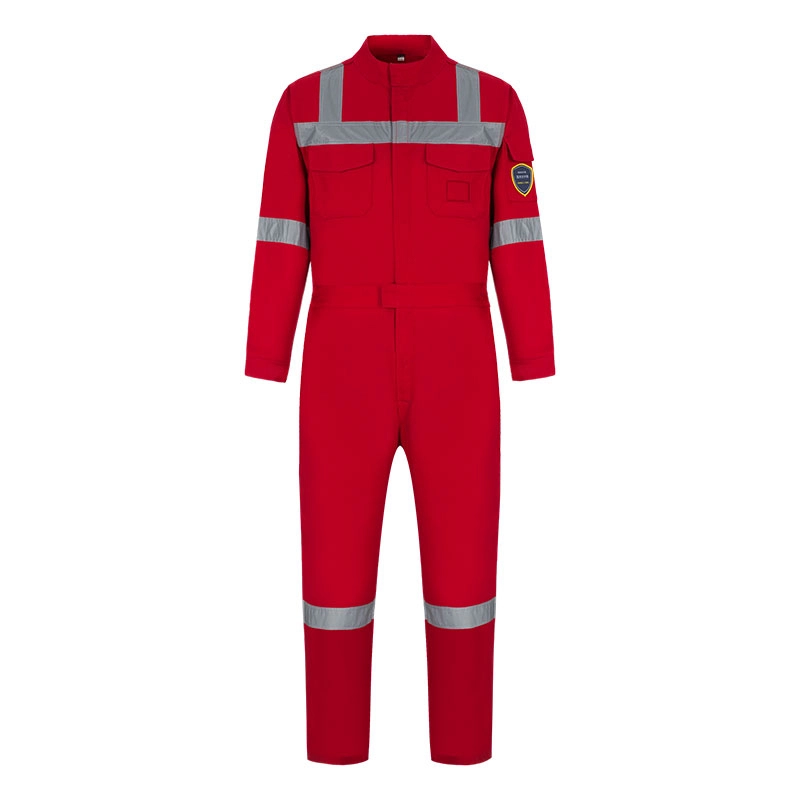
Top Hi-Vis Trousers for Construction and Industrial Use in 2026
Heavy-Duty Construction Models
- Multi-Pocket Cargo Style: These hi-vis trousers have six to eight pockets that are placed in a way that doesn't get in the way of moving while storing tools. They don't tear when workers move through rebar, lumber, and other sharp objects because they are reinforced with ripstop fabric at stress points. Knee pad pockets can hold both foam and hard-shell inserts, so they can be used for a variety of tasks. The 300D polyester material can handle rough conditions on the job site and keeps its ANSI Class 2 certification even after many wash cycles.
- Reinforced Knee Panel Design: These hi-vis trousers are made for people who have to kneel a lot, like electricians, plumbers, and floor workers. They have extra knee-strengthening zones that are longer than normal. CORDURA® fabric panels spread pressure over a larger surface area, which protects the fabric underneath and reduces wear and tear. Clothes last a lot longer when the hem can be adjusted so that the cuffs don't drag through mud or catch on equipment.
- Stretch-Fabric Performance Line: These models have 4-way stretch strips in the crotch, knees, and lower back, giving them high-visibility compliance and a sporty look. Workers get a huge range of motion without losing their ability to see for safety reasons. Moisture-wicking liners keep skin dry while doing hard physical work, which makes long periods of wear more comfortable.
Specialized Application Options
In the oil and gas, chemical, and power industries, where flash fires and arc flash are possible, flame-resistant hi-vis trousers are used. These special clothes meet the requirements for both ANSI/ISEA 107 vision and NFPA 2112 flame protection. Modacrylic or FR-treated cotton fabrics put out fires on their own when they are taken away from sources of ignition, which is very important for safety in dangerous places.
Waterproof-breathable types have membranes like those found on outdoor leisure gear that keep out outside wetness while letting sweat vapor escape. In order to avoid the "plastic bag effect," which leads to heat stress, these hi-vis trousers usually achieve hydrostatic head ratings above 5,000mm, which is enough for prolonged rain exposure.
Distinguishing Reflective Features
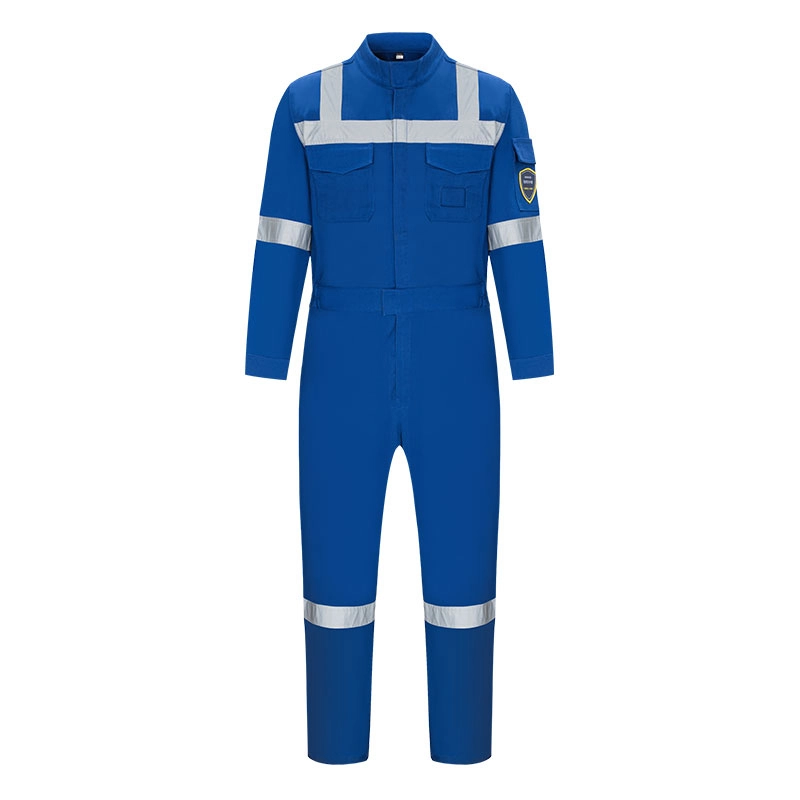
It is very important to know the difference between certified high-visibility trousers and reflective work trousers. Standard work clothes might have reflective trim to make them more visible, but they don't have the exact background material area and tape placement that are needed for ANSI certification. Certified hi-vis trousers have carefully placed reflective bands—usually two horizontal bands around each leg—that make it easy for people to see what shape a person is and quickly figure out how far away they are and how they are moving.
Procurement Guide: How to Buy Hi-Vis Trousers Effectively
Sourcing Strategies for B2B Buyers
Direct relationships with manufacturers have big benefits for businesses that need a steady supply. Well-known companies that make hi-vis trousers, like Welston, offer discounts for buying in bulk, the ability to customize, and reliable delivery times. Companies with multiple locations in North America can save money on safety gear by buying it all in one place and getting savings for buying in bulk.
Assess production ability and quality control procedures when examining possible hi-vis trousers providers. Manufacturers who have advanced cutting systems, automated stitching lines, and quality-checking stations set up just for that purpose consistently make goods that meet specifications. Welston has three factories with more than 580 trained workers and ten production lines. This gives them the production scale they need for big accounts in retail, building, and logistics.
Customization and Branding
Putting a company's logo on safety gear makes it look more professional and in line with regulations. To make sure you don't cut down on the minimum viewable background material area required by ANSI standards, you need to carefully plan where to put the logo. Put embroidered names on the lower legs or thighs so they don't get in the way of the bright tape. Heat-transfer printing is long-lasting and keeps the colors bright even after many industrial washings.
Minimum order amounts depend on the manufacturer and level of customization. Orders for standard hi-vis trousers are usually between 100 and 500 pieces, but fully customized patterns may need higher minimums. Welston can handle orders as small as 100 pieces with custom logos, materials, and size combinations. This means that mid-sized businesses can get professional customization.
Pricing Models and Total Cost Analysis
The price per unit varies on a number of things, such as the type of cloth, the level of certification, the level of tailoring needed, and the size of the order. Basic Class 2 hi-vis trousers cost between $18 and $35 each in bulk, while FR or waterproof models cost between $ 45 and $ 75 each. Instead of just looking at the purchase price, figure out how much it costs to wear each item. Clothes that last 12 to 18 months and 50 or more washes are a better deal than cheap ones that need to be replaced after six months.
Shipping processes have a big effect on how much it costs to send. When compared to foreign suppliers, North American suppliers are closer to home, send faster, and make customs clearance easier. Many purchasing teams find that the slightly higher unit costs from local manufacturers are balanced out by lower shipping costs, faster restocking, and easier warranty processes.
Maintaining and Caring for Hi-Vis Trousers to Maximize Longevity
Washing and Care Protocols
Laundering clothes the right way keeps them safe and extends their life. To avoid contamination that hastens the breakdown of fluorescent dye, wash hi-vis trousers separately from highly soiled items. Use mild detergents and water temperatures between 100°F and 120°F (40°C to 50°C). Do not use bleach or fabric softeners, as they damage the adhesion of reflective tape and fluorescent pigments. To keep things from getting caught, close all zippers and hook-and-loop clips before cleaning.
Don't put too much in the washing machine; clothes need enough water flow to get clean without putting too much stress on the machine. To dry, use low heat or hang to dry if you can. High heat breaks down springy parts and speeds up the breakdown of shiny materials. If you dry things the right way, they won't shrink, which can change the fit and comfort.
Inspection and Replacement Criteria
Set up regular inspection procedures to find clothes that need to be thrown away. Check the reflective tape for cracks, peeling, or loss of its shiny properties. If the tape looks dull or doesn't reflect light strongly, the clothing isn't visible enough anymore. Check bright cloth for fading, especially in places that get a lot of sun. When the background color fades a lot or doesn't match the bright color that it was originally, safety performance has dropped below what is acceptable.
Although premium choices may reach 100 cycles, most hi-vis trousers keep approval for 25 to 50 industrial wash cycles. Keep track of when clothes were issued and how often they were washed to set up repair plans. Companies that have their own washing services can set up tracking systems that will automatically alert them when clothes are getting close to the end of their useful life.
Waterproofing Maintenance
To keep their moisture protection, waterproof hi-vis trousers must be treated on a regular basis. Durable water-resistant (DWR) coatings start to break down after 15 to 20 washes, letting water soak into the cloth instead of just beading on the top. To get the function back, follow the manufacturer's advice and reapply spray-on or wash-in DWR treatments. This easy maintenance makes clothes last a lot longer, which is especially helpful for crews working in wet places where keeping out moisture has a direct effect on comfort and productivity.
Conclusion
When choosing the right hi-vis trousers, it's important to strike a balance between comfort, sturdiness, and affordability. Knowing about ANSI standards, material qualities, and industry-specific needs helps procurement pros make smart choices that protect workers and keep costs low. Modern options are very useful because they are well thot out and have features like reinforced knees, smart pocket placement, and high-tech fabrics that keep you comfortable while you do hard work. Following the right care steps will make clothes last a lot longer, which will save you money in the long run. As safety rules in the workplace change and new materials are developed, working with experienced makers is the best way to make sure your company stays in line while giving workers protection gear they'll actually wear.
FAQ
1. How long do hi-vis trousers remain compliant before requiring replacement?
Although quality hi-vis trousers are increasingly being certified for 50 to 100 washes, industry certifications generally promise performance for at least 25 washes. The actual time for replacement depends on the conditions at work and how the clothes are laundered. Regularly check reflective tape for damage—if you can see glass beads falling off or the tape loses its reflective shine, it needs to be replaced right away, no matter how many times it has been washed. If the background color of a fluorescent garment goes below its original bright color, it means the garment has hit the end of its useful life and no longer meets safety standards.
2. Can we add company logos without affecting safety certification?
You can change the logo, but you have to be very careful about where you put it. Large names make the minimum background area needed for ANSI Class 2 approval smaller, which is usually 0.80 square meters altogether. Put names in places where they won't cover up reflective tape or lower the brightness of fluorescent fabric below what's needed. Work with companies that have made certified safety clothing before and know about location limits. Welston's design team makes sure that all custom branding stays in line with ANSI standards and meets your branding goals.
3. What certifications should procurement teams prioritize?
For markets in North America, ANSI/ISEA 107 is the main standard, and Class 2 is good for most building, transportation, and roadside uses. For example, NFPA 2112 is needed for flame resistance in petrochemical settings, ASTM F1506 is needed for arc flash safety in electrical work, and EN ISO 20471 is needed for foreign operations. Make sure that the companies that make the clothes show you real licensing paperwork and that the clothes have permanent stickers that show the compliance class and how to take care of them.
Elevate Workplace Safety with Professional Hi-Vis Trousers from Welston
The people who work for you should be able to wear safety gear that is certified to be comfortable and last a long time. Since 1998, Welston has specialized in the production of professional workwear, providing high-quality hi-vis trousers that meet strict ANSI standards to major stores, building companies, and transportation companies all over North America. With three plants and ten production lines, we can make sure that all of our goods are the same. They are built to last, made of high-quality reflective materials, and can be customized starting at just 100 pieces. We work with big names in the field, like Toyota, Panasonic, and Dell, to give businesses of all kinds the same high quality and quick service. As a well-known provider of hi-vis trousers, we know how hard it can be to buy things. That's why we provide flexible options like custom logos, custom sizes, and reliable delivery times. Get in touch with our team at [email protected] to talk about your unique needs and get a price for hi-vis trousers for sale that will protect your employees and help you achieve your business goals.
References
1. American National Standards Institute. (2020). ANSI/ISEA 107-2020: American National Standard for High-Visibility Safety Apparel and Accessories. International Safety Equipment Association.
2. Brooks, R., & Hansen, M. (2019). Visibility and Worker Safety: Impact of High-Visibility Apparel in Construction Environments. Journal of Construction Safety Research, 15(3), 287-304.
3. Occupational Safety and Health Administration. (2021). Personal Protective Equipment Standards for General Industry. U.S. Department of Labor.
4. Textile Research Journal. (2022). Durability and Performance Testing of Fluorescent and Retroreflective Materials in Industrial Workwear. Volume 92, Issue 7, 1156-1172.
5. National Safety Council. (2023). Workplace Safety Statistics and Trends: Construction and Logistics Sectors. NSC Press.
6. Industrial Fabric Association International. (2024). Advanced Materials in Protective Workwear: Technical Performance Standards and Testing Protocols. IFAI Technical Publications.
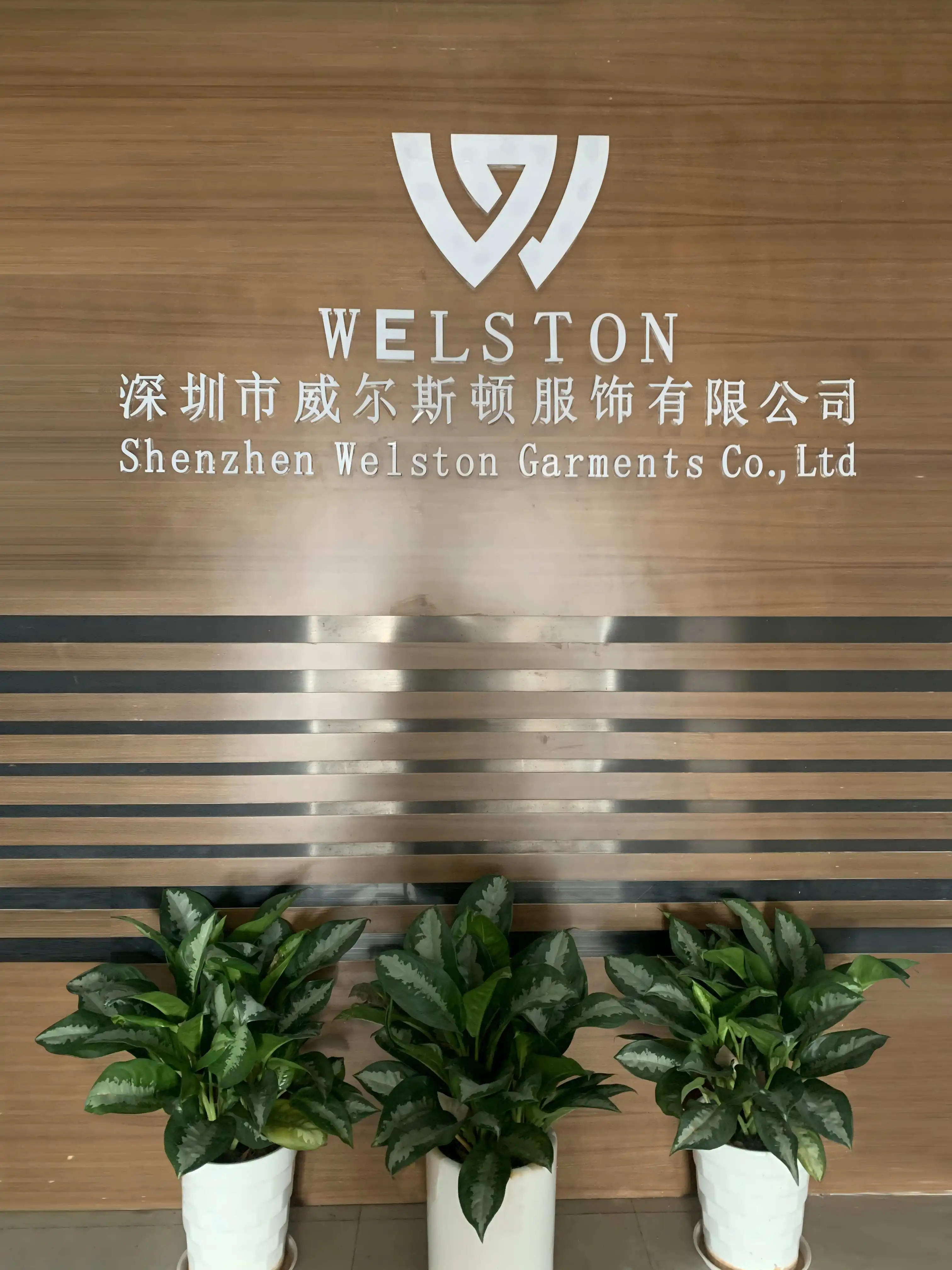
We specialize in designing, producing, and selling corporate clothing. Mainly produces: industrial clothing, business uniforms, and work clothes for different companies.
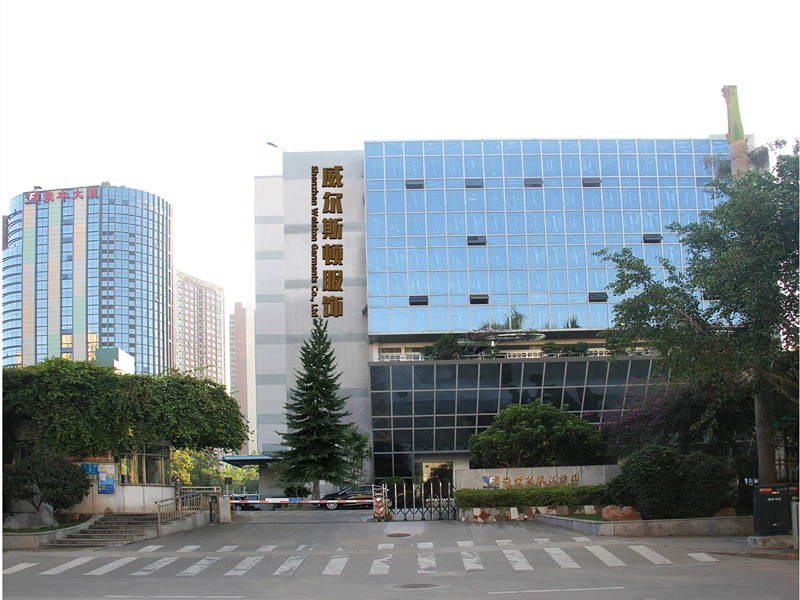
About Welston Garments