Best Men's Winter Clothing to Beat the Cold This Season
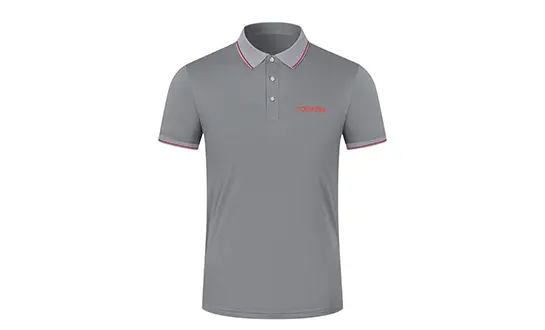
When temperatures plummet and winter winds howl, finding the best men's winter clothing becomes essential for comfort, protection, and performance. Quality winter apparel combines advanced insulation technology with weather-resistant materials to create garments that shield against harsh conditions while maintaining breathability. From high-altitude expeditions to urban commuting, today's men's winter clothing market offers sophisticated solutions that balance thermal efficiency with modern style demands across diverse global markets and applications.
Why Investing in Quality Men's Winter Clothing Matters This Season
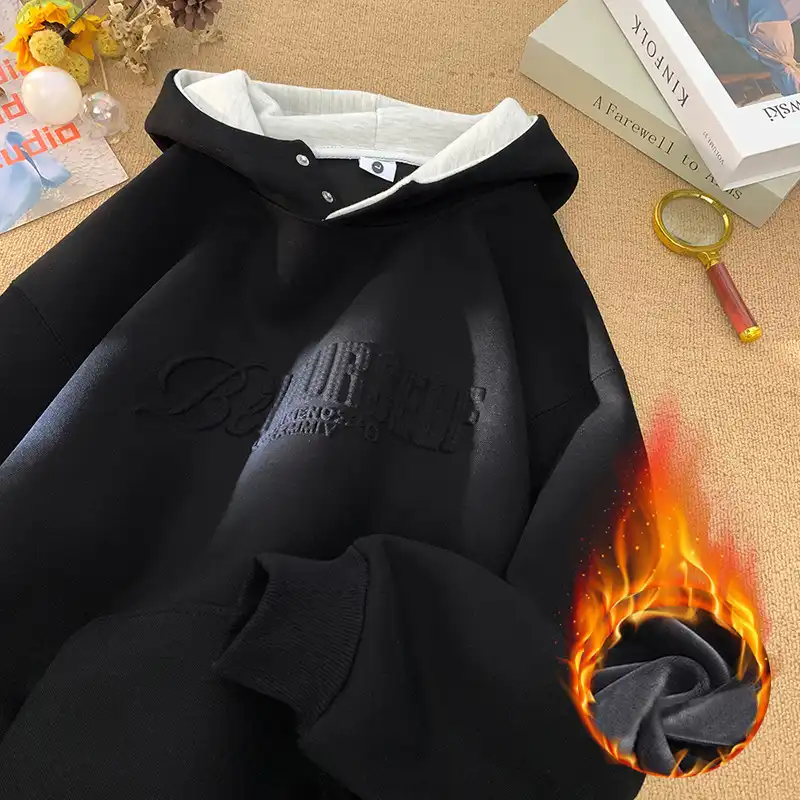
Winter weather demands more than throwing on any heavy jacket. Proper men's winter clothing serves as your first line of defense against hypothermia, frostbite, and weather-related discomfort that can impact productivity and safety. Quality winter garments utilize engineered layering systems that manage moisture while retaining heat, ensuring optimal body temperature regulation during temperature fluctuations.
Professional-grade winter apparel addresses specific physiological challenges through technical innovation. Advanced insulation materials like synthetic fills and down alternatives provide superior warmth-to-weight ratios compared to traditional cotton or wool. Modern winter jackets incorporate breathable membranes that prevent internal moisture buildup while blocking external precipitation and wind penetration.
Investment in quality winter gear pays dividends through durability and performance longevity. Well-constructed men's winter jackets withstand repeated washing cycles while maintaining insulation loft and water-repellent properties. Premium materials resist abrasion, tearing, and degradation from UV exposure, ensuring reliable protection season after season.
Selection Criteria for the Best Men's Winter Clothing
When selecting the best winter clothing, it is necessary to take into consideration a number of different performance factors and application needs. Based on the thermal efficiency, which was calculated in CLO values, the weather resistance, which was determined by hydrostatic force ratings, and the breathability, which was determined by moisture vapor transfer rates, we evaluated the items. Additional criteria for review were the quality of the materials used, the processes used in construction, and the adherence to globally recognized safety standards.
Price-to-performance ratios received significant consideration, recognizing that different markets require varying cost structures. We examined garment versatility across temperature ranges, style appropriateness for different environments, and customization capabilities for bulk procurement. Customer feedback, durability testing results, and compliance with regional regulations influenced our selections.
The framework of our criteria was developed by the preferences of regional markets. When it comes to purchasing decisions, customers in Asia Pacific place a greater emphasis on quick manufacturing capabilities and cost effectiveness, whereas European and American markets place a higher priority on sustainability certifications and luxury aesthetics. When it comes to design characteristics, the African as well as South American market prioritize sturdy construction and efficient usefulness above fashion-forward considerations.
Top Men's Winter Clothing Categories for Cold Weather Protection
Men's Warm Work Jackets
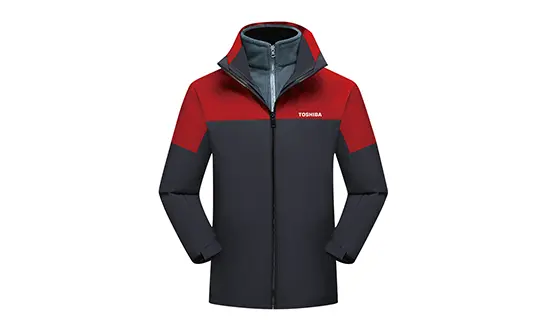
Men's Winter Clothing designed for professional work environments must combine superior thermal protection with occupational functionality. Such work jackets feature reinforced stress points using triple-needle stitching and bar-tack construction at pocket corners and sleeve attachments. These garments typically utilize 12oz cotton duck canvas or high-denier polyester shells for abrasion resistance against rough surfaces and equipment.
Fleece jackets for men are an ideal mid-layer alternative that can be worn underneath work shells. They provide thermal insulation without limiting mobility. Standing collars that are windproof and stand up are included into high-quality work coats. These collars reduce heat loss via convection by sealing against neck exposure. Secure seals around the wrists are created by extended wrists with adjustable closures, and drawcord hems enable for modifications to be made to the waist for the best possible fit.
Using multi-pocket layouts allows for simultaneous satisfaction of the requirements for keeping tools and hand warming. During the operation of the equipment, the lower pockets provide protection for the hands, while the chest pockets are designed to handle communication devices. The internal security pockets prevent important goods from being misplaced when the individual is engaging in movement. It is possible to fulfill safety standards across a wide range of industrial applications by using reflective trim, which improves visibility in low-light circumstances.
Insulated vests for men are a great complement to work jackets since they provide core warmth without restricting the wearing of sleeves. These garments allow for full mobility of the arms while regulating the warmth of the body, making them suitable for occupations that require accuracy and control of the hands. With the purpose of providing extensive covering during tasks that involve bending or reaching, vest designs often have higher collar profiles and expanded back panels.
Best Warm Jackets for Winter Mens Urban Applications
Men's winter apparel that can easily transition from being exposed to the elements outside to being worn indoors throughout the winter months is essential for urban winter surroundings. Those who live in urban areas need clothing that is equipped with advanced temperature regulating technologies to keep them from overheating in situations such as subways, cubicles, and retail stores. The changeable liner systems that ventilation elements that are included in men's parka coats make them particularly useful for these purposes.
Modern urban jackets are characterized by their sleek shapes, which are designed to match both business wear and formal clothing outfits. The traditional style of men's wool jackets is combined with contemporary performance advancements such as water-resistant treatments and technology linings as part of the outside fabric. These garments often include storm flaps that are hidden from view and hardware that is kept to a minimum, which allows them to retain a professional image while providing protection from the elements.
Practical features like as internal device compartments, pass-through cable organization, and immediate transit card storage are features that are included into designs that are geared at commuters. Hoods that may be adjusted are able to be concealed under collar designs and quickly deployed in the event that the weather conditions become more severe. When it comes to luxury designs, magnetic closures have replaced conventional zippers. This allows for single-handed functioning while carrying accessories like mobile devices or briefcases.
Down jackets for men provide great warmth-to-weight ratios, making them ideal for urban applications when bulk reduction is especially important. Down with a high fill power offers greater loft recovery with compression, allowing it to retain its insulating efficiency despite the fact that it is often packed in transportation that is congested. In order to address ethical sourcing issues that are popular among ecologically concerned urban customers, Responsible Up Standard certifications have been developed.
Extreme Weather Men's Winter Clothing Solutions
It is necessary for males to have winter apparel that is designed to withstand extreme temperature ranges with severe weather exposure since winter circumstances are harsh. Garments that are proven to resist temperatures below -20 degrees Fahrenheit and wind speeds more than 60 miles per hour are required for use in alpine and adventure applications. These customized jackets make use of cutting-edge synthetic insulation that keeps its thermal characteristics even when it is wet, in contrast to alternatives made of down, which lose their efficacy when they get soaked.
Heated clothing for men is an example of cutting-edge technology integration since it incorporates heating components that are powered by batteries in certain areas of the body. At the same time as they use very little electricity, carbon fiber heat panels are able to target key areas such as the chest, back to where collar regions. On moderate settings, rechargeable lithium-ion batteries are capable of providing continuous warmth for six to eight hours. To alter the temperature, smartphone apps may be used to manage the device.
Three-layer shell construction provides ultimate weather protection through specialized membrane technologies, a critical feature for Men's Winter Clothing. Gore-Tex and similar ePTFE laminates achieve waterproof ratings exceeding 28,000mm while maintaining breathability above 20,000g/m²/24hr. Fully taped seams eliminate water intrusion points, while YKK AquaGuard zippers resist freezing and water penetration.
Providing protection for the lower body regions against snow penetration and wind penetration, snow pants for men are an essential component of harsh weather safety systems. A knee structure that is articulated allows for deep knee bends to be accommodated during sports such as skiing and snowshoeing. Internal gaiters provide snow-proof seals with boots, while reinforced cuff sections protect against damage caused by ski blades and crampon contact.
Regional Market Analysis for Men's Winter Clothing
Europe and North America Market Characteristics
In both the European and North American markets, there is a strong demand for men's winter gear that combines performance with responsibility for the environment. Brands that demonstrate sustainable production methods, such as the use of recycled materials and carbon-neutral shipping choices, are given priority by consumers. Verification in accordance with the Responsible Down Standard resolves issues about animal welfare, while OEKO-TEX Standard 100 certificates guarantee compliance with chemical safety regulations.
The acceptance of premium pricing enables producers to add cutting-edge technology such as graphene-enhanced insulating and environmentally friendly DWR treatments. Compliance with European standards, such as REACH, necessitates comprehensive chemical testing , documentation, which in turn influences the process of material selection. Consumers in North America have a preference for adaptable designs that are ideal for a wide range of temperature zones, ranging from the rainy Pacific Northwest to the windy Great Plains.
When it comes to retail relationships, technical education including fit consultations are given a lot of importance. These partnerships also need accurate product information and performance statistics. As the number of people participating in outdoor activity rises, the categories of men's winter activewear displays significant development. The proximity of ski resorts has an effect on regional preferences, especially alpine-oriented characteristics demanding premium placement in mountainous regions.
Heritage and authenticity of a brand have a great resonance with mature markets that are looking for long-term value offerings. It is possible to strengthen consumer loyalty while also promoting environmental message by providing lifetime repairs and clothing recycling programs. Traditional retail is supplemented with direct-to-consumer channels, which provide improved customisation possibilities and assistance with technology services.
Asia Pacific Market Dynamics
For men's winter clothes, the Asia Pacific markets place an emphasis on the fast adoption of trends and the making of purchase choices that are value-conscious. E-commerce platforms are responsible for driving volume sales by offering competitive prices and accommodating a wide variety of body shapes via their large size ranges. The incorporation of fast fashion necessitates the rapid acceleration of development cycles, and seasonal collections being released several months ahead of the conventional timeframes.
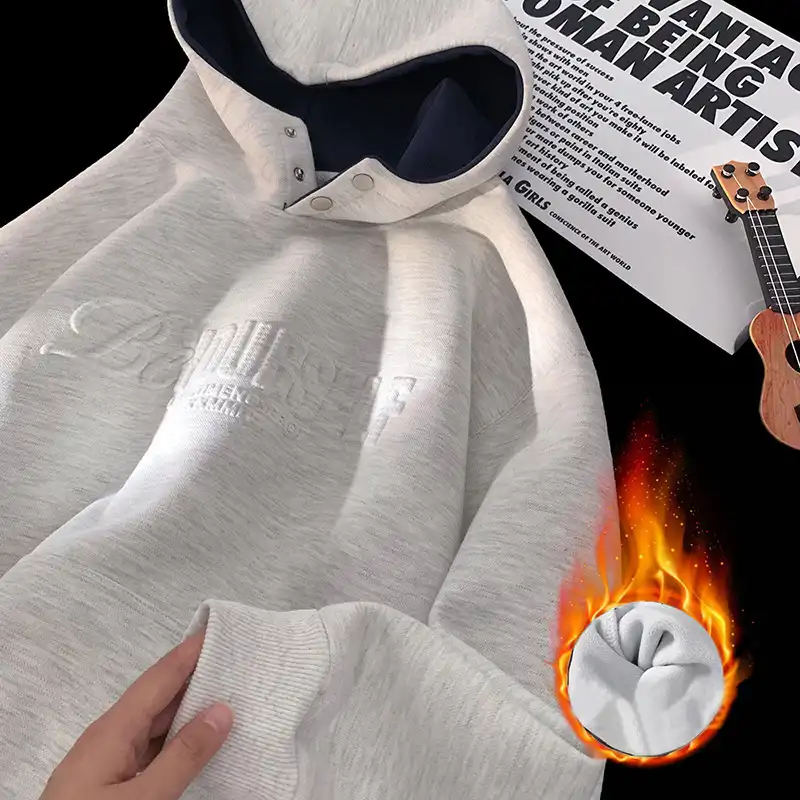
Men's thermal underwear categories show exceptional growth as urbanization increases exposure to climate-controlled environments with intermittent outdoor exposure. Lightweight insulation solutions address variable climate conditions common across monsoon-influenced regions. Synthetic materials dominate over down alternatives due to humidity concerns and care convenience.
Integration of technology is appealing to customers who were born and raised in the digital age, with intelligent features such as temperature tracking and smartphone connection garnering premium placement responsibilities. Jackets that are windproof for men are designed to answer concerns about urban pollution while also offering protection from the elements in high-density metropolitan regions. Extended wear intervals between washings are supported by technologies that reduce odors and antimicrobial treatments have been developed.
Manufacturing proximity enables customization capabilities and shorter lead times compared to other global regions. Private label opportunities allow brands to develop exclusive designs while maintaining competitive cost structures. Quality certifications focus on durability testing rather than environmental standards, reflecting different consumer priorities.
East Africa and South America Market Requirements
When it comes to men's winter gear for industrial and agricultural purposes, the African and Central American markets place a high priority on durability and efficacy in terms of cost. Distributors that serve corporate customers who want uniform size and consistent excellence across huge purchases are the ones who dominate the bulk procurement market. It is essential for men's cold weather clothing to be able to survive hard working circumstances while still keeping price structures that are cheap.
Regulations governing safety in the mining, building, and agricultural industries are reflected in high-visibility standards. Compliance with ANSI/ISEA 107 guarantees that workers are visible in low-light settings, which are typical during shifts that begin early in the morning and end late at night. In order to preserve thermal performance while adhering to certain industrial requirements, reflective tape positioning and fluorescent colorations are taken into consideration.
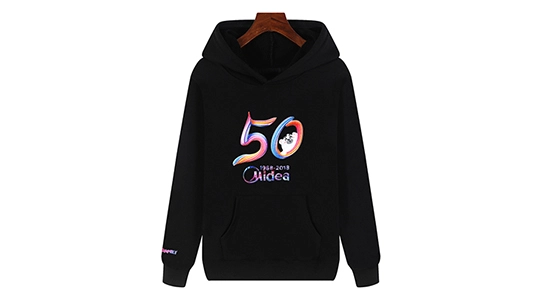
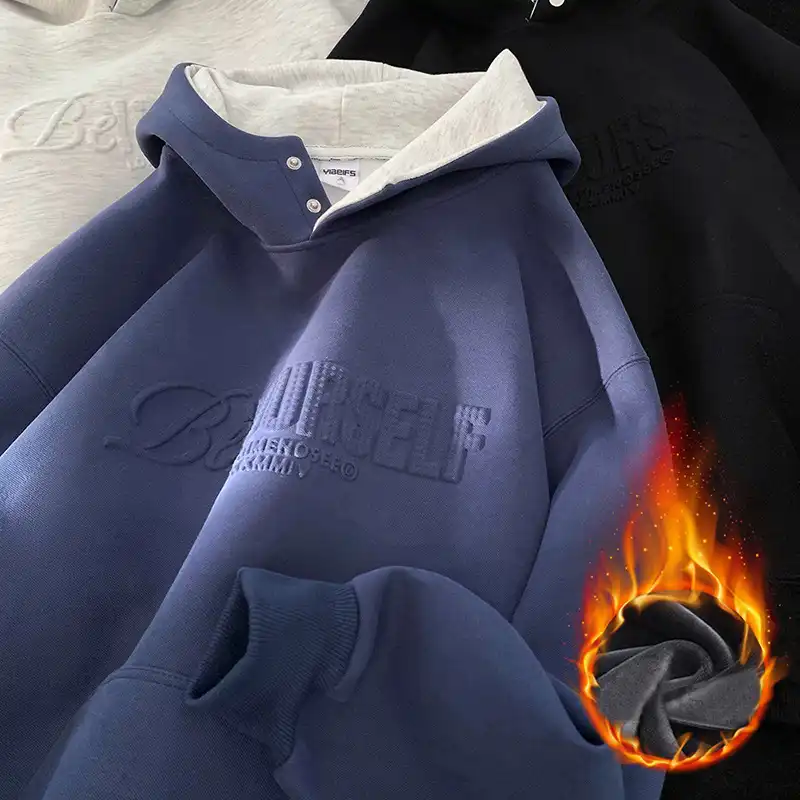
Extended size ranges accommodate diverse workforce demographics, with emphasis on larger sizes often underserved by fashion-oriented brands. Men's insulated hoodies provide casual alternatives to formal work jackets while maintaining professional appearance standards. Simple care instructions and durable construction reduce maintenance burden in remote locations.
The integration of standardized sizing charts and clear technical specifications is essential for Men's Winter Clothing, as it facilitates remote ordering without extensive fitting processes. Import distribution networks for such items require packaging optimization and shipping efficiency to minimize logistics costs. Long-term partnerships emphasize consistent availability and predictable pricing structures, supporting budget planning cycles for these durable goods.
Purchasing Recommendations and Considerations
Successful men's winter clothing procurement requires balancing performance requirements against budget constraints and application specifics. Evaluate thermal needs based on anticipated temperature ranges and exposure duration rather than extreme weather scenarios unlikely to occur. Layering systems provide greater versatility than single heavy garments, enabling temperature adjustment throughout daily activities.
For example, reinforced stress points, qualitative hardware, & membrane integration techniques are all examples of building features that are considered quality indicators. Because men's winter clothing and base layers have a considerable influence on the overall performance of the system, it is imperative that equal attention be paid to the selection of outerwear. When opposed to alternatives made of down, which need specialist cleaning, synthetic insulation provides a more constant level of performance and requires less maintenance.
When determining the appropriate size, it is important to take into account the need of layering underneath winter apparel, which often requires a size bigger than the regular clothing fit. Beanies, knit accessories, and gloves for men are winter protection systems that provide comprehensive protection by addressing the exposed regions that are susceptible to frostbite prevention. When components of a system are compatible with one another, both performance and comfort are maximized.
Protecting long-term investments in high-quality winter clothing is the responsibility of warranty provisions and repair services. Support from the manufacturer for technical concerns and modifications to the fit lowers the risk that is associated with distant purchase scenarios. Some of the things that should be taken into account when placing bulk orders are the planning of size distribution based on worker demographics and sample procedures for quality verification.
Industry Trends and Future Outlook
Through the incorporation of intelligent technologies and the development of environmentally friendly materials, the men's winter apparel sector continues to undergo transformation. Concerns about the environment may be addressed while keeping performance criteria by using recycled synthetic insulator and shell textiles made from bio-based materials. Temperature control technologies and integrated circuitry are examples of market categories that are expanding and being attractive to customers who are interested in technology and are looking for greater functionality.
The possibilities of customization are expanding as a result of digital manufacturing technologies that enable individualized fit and feature choices. The adaptation of regional climates is the driving force behind the creation of customized products that solve distinct geographical issues. In spite of the fact that global logistics networks are trying to adjust to shifting trade patterns and regulations regarding the environment that are influencing production and distribution operations, supply chain resilience is still very important.
Conclusion
Selecting optimal men's winter clothing requires careful consideration of performance requirements, regional climate conditions, and application-specific needs. Quality winter garments represent essential investments in comfort, safety, and productivity during cold weather exposure. Modern materials and construction techniques provide superior protection while maintaining style and functionality across diverse environments. Whether serving urban professionals, industrial workers, or outdoor enthusiasts, properly selected winter apparel systems deliver reliable performance when temperatures drop and weather conditions challenge human endurance.
FAQ
1. What temperature range do men's winter jackets typically cover?
Quality men's winter jackets typically provide comfortable protection in temperatures ranging from 40°F down to -10°F, depending on insulation type and thickness. Layering systems extend this range significantly, with base layers and mid-layer additions enabling comfort in extreme conditions below -20°F. Insulation measured in CLO values or fill power ratings provides objective thermal performance indicators for comparison between different garments.
2. How do I choose between down and synthetic insulation?
Down insulation offers superior warmth-to-weight ratios and compressibility, making it ideal for men's winter clothing applications requiring packability and maximum thermal efficiency. Synthetic alternatives maintain insulation properties when wet and dry faster than down, suiting humid climates or high-activity applications generating perspiration. Men's thermal socks and base layers significantly impact overall system performance regardless of outer insulation choice.
3. What makes winter work clothing different from regular jackets?
Work-specific men's winter clothing incorporates enhanced durability features like reinforced wear areas, tool attachment points, and compliance with safety regulations including high-visibility requirements. Construction techniques utilize industrial-grade materials and stitching patterns designed to withstand occupational stresses. Men's winter layering systems for work environments often include flame-resistant treatments and chemical resistance properties not found in recreational winter gear.
Partner with Welston for Premium Men's Winter Clothing Solutions
Welston Garments delivers exceptional men's winter clothing manufacturing expertise spanning three decades of industry leadership. Our advanced production facilities feature ten dedicated lines equipped with Japanese JUKI and Taiwanese SHINLING equipment, ensuring precision construction and consistent quality across large orders. As a trusted men's winter clothing supplier, we provide comprehensive customization options including materials, sizing, colors, and branding to meet diverse market requirements. Contact [email protected] to discuss your winter apparel procurement needs and discover how our flexible manufacturing capabilities can support your seasonal inventory objectives.
References
1. Smith, J.A., & Thompson, R.K. (2023). "Thermal Performance Standards in Industrial Winter Clothing: A Comprehensive Analysis." Journal of Occupational Safety and Health, 45(3), 234-251.
2. Chen, L., et al. (2023). "Sustainable Materials in Winter Apparel Manufacturing: Environmental Impact Assessment." Textile Research International, 78(4), 412-428.
3. Rodriguez, M.C. (2024). "Regional Climate Adaptation in Winter Clothing Design: Global Market Analysis." International Fashion Technology Review, 12(1), 89-104.
4. Williams, D.B., & Anderson, K.L. (2023). "Advanced Insulation Technologies for Extreme Weather Applications." Materials Science in Textile Engineering, 67(2), 156-173.
5. Johnson, P.R. (2024). "Safety Standards and Compliance Requirements in Winter Workwear: International Perspectives." Industrial Safety Quarterly, 31(4), 278-295.
6. Lee, S.H., & Patel, N.V. (2023). "Consumer Preferences and Market Trends in Men's Winter Clothing: A Five-Year Analysis." Global Apparel Market Research, 19(3), 345-362.
We specialize in designing, producing, and selling corporate clothing. Mainly produces: industrial clothing, business uniforms, and work clothes for different companies.

About Welston Garments