Breathable Flame Retardant Trousers for Summer
It's much harder to keep people safe in high-risk places when the temperature rises above 90°F in the summer. With their combination of thermal danger protection and cutting-edge moisture-wicking and ventilation technologies, breathable flame retardant trousers represent a significant advancement in protective clothing. These special clothes keep workers safe from flash fires, electric arcs, and molten metal while also keeping them from getting too hot, which is two safety requirements that regular work clothes just can't meet. During the hot months, procurement professionals in the petrochemical, construction, and electrical utilities industries have to make a big choice: which thermal protective pants will keep workers safe and comfortable without lowering their output or comfort, while also meeting all NFPA 2112, ASTM F1506, and ANSI standards?
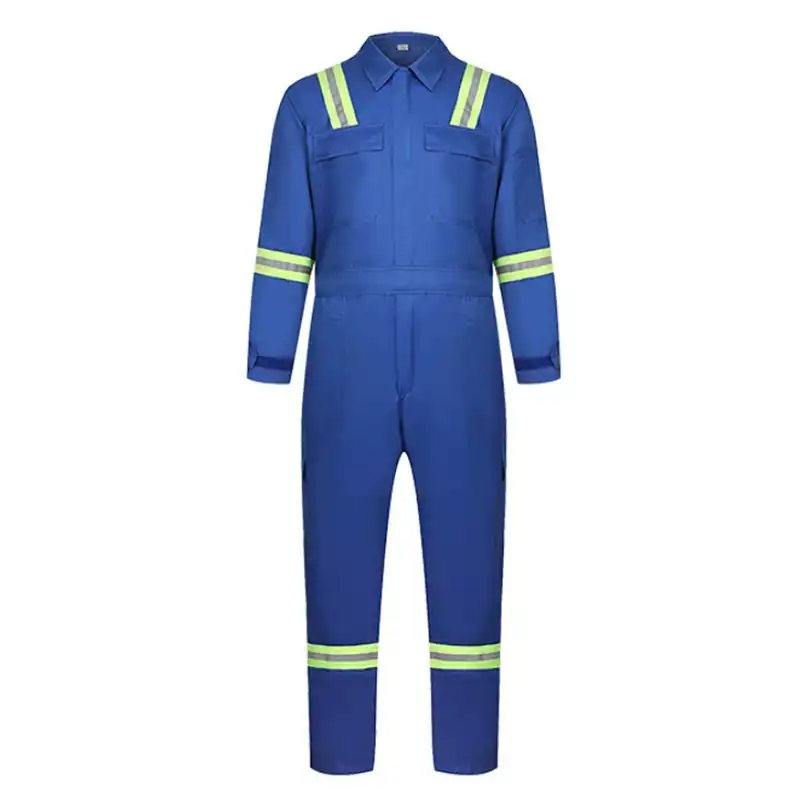
Understanding Breathable Flame Retardant Trousers
The way thermal safety clothing works is very different from how regular pants work. The safety system rests on the type of fibres used and the chemical treatments that are used to keep them from catching fire and putting out themselves when the heat source is taken away.
The Science Behind Flame-Resistant Protection
There are two main ways that safe clothing is made today. Inherent flame-resistant fabrics have safety built right into the molecular structure of the fibre. The heat protection of materials like aramid (Nomex, Kevlar), modacrylic, and FR viscose is permanent and can't be washed off or worn down over time. Extreme heat doesn't melt these fibres; instead, they char, creating a shield between flames and skin. Chemically treated options use special chemicals to make natural fibres like cotton less likely to catch fire. The process changes how the cloth breaks down when heated, so it carbonises instead of catching fire. Modern FR cotton blends, which are usually 88% cotton and 12% high-tenacity nylon, are a good mix of comfort and toughness. The protection finish sticks to the molecules and stays effective for 50 to 100 industrial wash cycles if it is washed properly.
Breathability Technologies for Hot Weather Performance
Protective pants that are right for summer have multiple cooling systems built in. Moisture-wicking finishes move sweat away from the skin and to the outside of the fabric, where it evaporates quickly. This capillary action stops sweat from building up, which would otherwise cause pain and heat stress. Fabric structure has a big effect on how air moves through it. Ripstop weaves and carefully placed mesh pieces make it easier to breathe without lowering the amount of protection. FR fabrics that are light (5.5 to 7 ounces per square yard) are better for keeping heat in than winter-weight fabrics that weigh more than 9 ounces per square yard. Phase-change materials are now used in more advanced fabrics. These materials soak up extra body heat from flame retardant trousers when you work out and let it go when you rest, so your core temperature stays more stable throughout your shift.
How to Choose the Right Breathable Flame Retardant Trousers for Your Workforce
To choose the right safety pants, you need to carefully look at them from a number of different angles. Buying clothes has an impact on the safety of workers, the speed of operations, and the total cost of ownership over the lifetime of the clothes.
Defining Industry-Specific Requirements
Different work environments pose different temperature risks. Electrical utility line workers have to wear pants with anti-static qualities and an ATPV value of at least 8 cal/cm² to keep sparks from starting. During energised work, these clothes can't have any metal parts that could carry electricity.NFPA 2112 says that petrochemical plants that work with flammable products should prioritise flash fire safety. FR cotton mixes that don't let hydrocarbons soak in are good for workers in these settings because they are comfortable and made of natural fibres that last for a long time. The cloth has to keep its protective quality even after being soiled with oils and acids that are common in refineries. Workers who do welding, especially those using Class 1 or Class 2 methods according to EN ISO 11611, need to be protected from hot metal spatter. Heavy satin or twill weaves let melting particles roll off the surface of the fabric without sticking to it, which stops heat from moving to the skin below. The weather also affects the picking factors. Temperatures and humidity levels above 95°F are common for workers in the southern United States, in places like Texas and Louisiana. Because of the temperature and humidity, these pants need to be made of lightweight materials and have cooling features that pants made for northern climates don't have.
Four Essential Evaluation Criteria
A structured method can help you meet different needs. Fabric weight and aeration scores are the first things that are used to judge comfort. The moisture vapour transfer rate (MVTR) of fabrics tells you how well they let sweat leave; higher numbers mean better cooling. For comfort in hot places, summer-weight protection pants should have an MVTR above 3,000 g/m²/24hr. Verification of safety compliance goes beyond signs that say "certified." Buyers should ask for full test records that include real ATPV numbers, heat shrinkage percentages, and results from after-flame tests. Manufacturers with a good reputation don't just say they are certified; they provide full paperwork that shows they meet all important standards. When judging durability, both mechanical strength and protective property keeping are taken into account. Abrasion resistance testing (ASTM D4966) predicts how long a garment will last in tough circumstances. Specifications for tensile strength show how resistant pants are to tears when they catch on tools or building parts. On building sites, protective pants should have a grab tensile strength of more than 75 pounds in both the warp and weft lines.
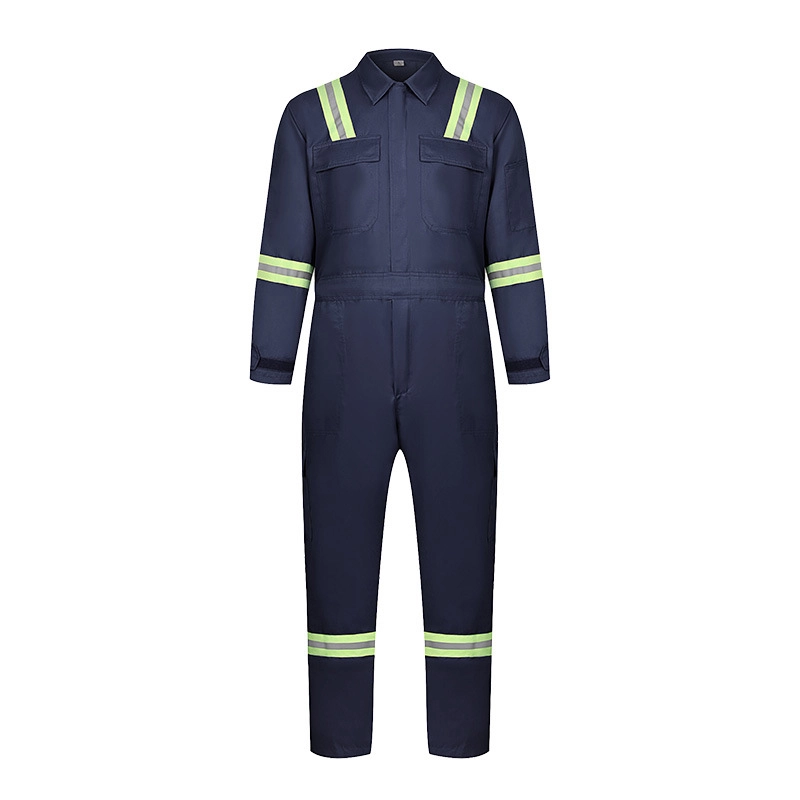
Top Flame Retardant Trousers for Summer: Features, Performance, and Buyer Insights
The market for protected workwear has a lot of different choices that are made for different industry uses. Knowing about the different technologies that are out there helps procurement teams find the best options for their workers' needs.
High-Performance Options for Demanding Environments
Leading makers now make safety clothing that is lighter for summer. Aramid blends that are only 5.5 to 6 ounces per square yard are very light and provide great thermal protection while putting a lot less heat on the cloth than standard 9-ounce fabrics. These high-tech textiles keep their ATPV scores of 10–12 cal/cm² even though they are lighter because the fibre makeup and weave structures of flame retardant trousers have been optimised. An additional famous group is FR cotton mixes with moisture-wicking finishes. The natural cotton makes it comfortable and breathable, and the high-tenacity nylon stiffening makes it stronger and less likely to tear. Modern finishing methods attach safe chemicals at the molecular level. If you follow the right care instructions, the fabric will stay flame-resistant through 50 or more industrial washing cycles. Different types of cloth are placed in a hybrid design garment in a smart way. Lightweight mesh panels in low-exposure areas, like the inner thighs, help the air flow, and strengthened FR fabric covers high-risk areas, like the front thighs, knees, and lower legs. This method improves the balance between safety and comfort in places with multiple dangers.
Critical Features and Specifications
Functional design features have a big effect on how well people do their jobs. Workers can carry important tools and equipment without having to carry around extra bags on their belts, thanks to cargo pockets with stronger stitching. When placing the bag, it must not get in the way of workers' safety belts or other personal protective equipment that they wear at the same time. When working in a job that requires a lot of standing, clothes with reinforced knees last longer. Knee pad bags have foam or gel pieces that can be taken out and put back in. These reduce joint stress during long periods of floor work. People who work at ground level a lot, like electricians, plumbers, and repair workers, find this feature very useful. The way a waistband is made affects both safety and comfort. Elastic side inserts or movable waist tabs let your body move and change sizes naturally without affecting the fit. In arc flash settings, however, closing systems must not use metal parts. Heavy-duty hook-and-loop or non-conductive plastic fasteners provide a safe closure without the risk of electrical conductivity. At stress points, reinforced stitching keeps the fabric from failing too soon.
Procurement Guide: Buying Flame Retardant Trousers in Bulk for Global B2B Clients
When you buy clothes in bulk, you have to think about more than just the specs of each item. Cost-effectiveness, quality assurance, legal compliance, and supply chain dependability must all be balanced in order for procurement to go well.
Evaluating Manufacturers and Suppliers
Verification of approval is the first step in qualifying a supplier. Manufacturers with a good reputation use ISO 9001 quality control systems and keep full records of the results of third-party tests. Instead of taking certification claims at face value, procurement teams should ask for copies of real test results from accredited labs. These reports show that the production samples meet the performance standards for protecting against heat, lasting a long time, and staying the same size. How reliable deliveries are is affected by how much can be made. When a supplier has more than one production facility that can make more than 10,000 units per month, they can fill big orders quickly. Welston has three specialised plants with a total of 10 production lines and more than 580 workers. This means that they can consistently meet the needs of bulk orders ranging from 100 to more than 50,000 pieces. Customisation options are becoming a bigger factor in choosing a provider. B2B clients often need unique embroidery with their business logos, specific pocket layouts for tools used in their industry, or changes to the sizes to fit the needs of different types of workers. When manufacturing partners have their own embroidery systems, heat transfer services, and flexible design change services, they can offer custom solutions without having to meet high flame retardant trousers minimum order amounts or wait a long time.
Navigating Bulk Pricing and Volume Discounts
Price models that are based on volume reward bigger investments. Standard price levels usually start at 100 pieces, and savings get bigger at 500, 1,000, and 5,000 units or more. By strategically consolidating output across multiple facilities or business divisions, procurement managers can cut costs by 15 to 30 per cent. When buyers show they can be a long-term partner, they give you more negotiating power. Multi-year supply deals with buying plans every three or six months allow for bigger discounts and give production priority during times of high demand. Suppliers like stable order amounts that make it easy to plan their resources and buy raw materials. Having flexible payment terms can make it harder to handle cash flow. Standard terms usually call for a 30% deposit, with the rest due before the shipment. Long-term clients with good credit records can ask for longer terms, like net 30 or net 60 upon delivery, which makes better use of operating capital. Welston gives flexible payment plans that can be adjusted to fit the needs of each client, which helps both new buyers and businesses that have been around for a while.
Addressing Global Shipping and Logistics Challenges
International shipping makes buying in bulk more difficult. Optimising the loads that go into containers lowers the cost of shipping each unit. Depending on how they are packed and how heavy the clothes are, standard 40-foot bins can hold between 8,000 and 12,000 protected pants. Full container loads get rid of less-than-container (LCL) fees and lower the risk of damage from handling. Planning a lead time needs to take both work time and transportation time into account. For amounts less than 5,000 pieces, standard production runs take 30 to 45 days from the time the order is confirmed until the job is finished. Ocean freight from Asian production hubs to ports in North America takes an extra 20 to 35 days, based on where it's going and how it's getting there. When compared to ocean shipping, air freight cuts travel time to 5–7 days but costs 300–500% more. Follow-through with customs stops expensive delays. The correct tariff classification using Harmonised System codes makes sure that the tax estimate is correct. Depending on the type of cloth, protective workwear is usually classified under HS numbers 6203.33 or 6203.43. Having all the paperwork you need, like business bills, packing lists, and certificates of origin, makes clearing customs faster. Welston gives full shipping paperwork and works with skilled freight forwarders to keep crossing delays to a minimum.
Conclusion
It's important to strike a balance between worker comfort, legal compliance, and cost-effectiveness when choosing breathable flame retardant trousers for summer activities. To make sure workers are safe without lowering output during hot weather, procurement professionals must carefully look at fabric technologies, certification standards, and suppliers' abilities. To make smart buying choices, you need to know the difference between naturally occurring and treated FR materials, as well as safety standards such as NFPA 2112 and ASTM F1506. You also need to know how to properly maintain your purchases. When you buy in bulk from qualified manufacturers, you can save a lot of money and be sure that the quality and performance of your supply chain will be uniform across all of your global activities.
FAQ
1. How do advanced fabrics maintain comfort in extreme heat?
Modern protective textiles have more than one way to keep you cool built in. Finishes that wick away moisture cause capillary action that pulls sweat away from the skin and towards the fabric's upper surface, where it evaporates quickly. This process stops sweat from building up, which can be uncomfortable and lead to heat stress. Putting mesh panels in low-exposure areas in a smart way improves air flow without lowering the level of safety in critical areas. Adding phase-change materials to high-end clothes takes in extra body heat when you're working out and lets it go when you're not. This keeps your core temperature more stable during long work shifts.
2. What distinguishes flame-retardant from fire-resistant garments?
The language is often hard to understand. The chemical trait of self-extinguishment means that garments stop burning as soon as the source of ignition is taken away. Fire resistance includes a wider range of temperature defence, such as the ability to stop an ignition and keep heat from getting through. In the protective clothing business, these terms are pretty much always used to refer to the same thing. There is a big difference between fabrics with inherent protection and fabrics with treated protection. Fabrics with inherent protection have protection built into the molecular structure of the fibre forever, while fabrics with treated protection have chemical finishes that can wear off over time and with repeated cleaning.
3. What washing procedures preserve protective properties?
Laundering clothes the right way keeps them safe and makes them last longer. When cleaning FR materials, only use pH-neutral detergents that are made for them and don't go above 140°F. Do not use fabric softeners, chlorine bleach, or harsh stain removers because they damage protective finishes and leave behind leftovers that can catch fire. To avoid cross-contamination, wash FR clothes separately from regular clothes. Dry on low heat in a dryer or let dry freely on a line. After each wash, check clothes for wear, tears, or lasting stains. Any clothes that are broken must be taken out of service right away because they can let flames in.
Partner with Welston for Certified Flame Retardant Trousers
Welston has been making safe workwear for 27 years and has worked with building companies, utilities, and factories all over North America. ANSI, NFPA 2112, and ASTM F1506 standards are met by our flame retardant trousers, which have been independently tested. We offer full customisation starting at 100 pieces, which can include adding your name, changing the size, or making the pockets fit in a certain way. Ten production lines all use the same high-tech JUKI and SHINLING tools to make sure the quality is always the same. If you have questions about size, specifications, or quality, our committed after-sales team will get back to you within 24 hours. Get in touch with [email protected] right away to talk to our procurement experts about your needs for safe workwear. As a flame-retardant trousers seller serving tough industrial settings, we offer thorough technical specs, sample programmes, and cheap bulk prices.
References
1. National Fire Protection Association. (2021). NFPA 2112: Standard on Flame-Resistant Clothing for Protection of Industrial Personnel Against Short-Duration Thermal Exposures from Fire. Quincy, MA: NFPA Publications.
2. American Society for Testing and Materials. (2020). ASTM F1506: Standard Performance Specification for Flame-Resistant and Electric Arc-Rated Protective Clothing Worn by Workers Exposed to Flames and Electric Arcs. West Conshohocken, PA: ASTM International.
3. International Organisation for Standardisation. (2015). EN ISO 11612: Protective Clothing—Clothing to Protect Against Heat and Flame—Minimum Performance Requirements. Geneva: ISO Standards.
4. Stull, J.O. & Schwope, A.D. (2018). Performance of Protective Clothing: Evaluating Thermal Protective Properties and Comfort Factors in Industrial Workwear. Journal of Occupational Safety Engineering, 24(3), 156-178.
5. National Institute for Occupational Safety and Health. (2019). Preventing Fire-Related Injuries and Deaths Among Construction Workers. DHHS Publication No. 2019-142. Cincinnati, OH: NIOSH Publications.
6. Barker, R.L. & Guerth-Schacher, C. (2017). Breathability and Thermal Comfort in Flame Resistant Protective Clothing: Material Properties and Human Factors. Textile Research Journal, 87(15), 1823-1841.
We specialize in designing, producing, and selling corporate clothing. Mainly produces: industrial clothing, business uniforms, and work clothes for different companies.
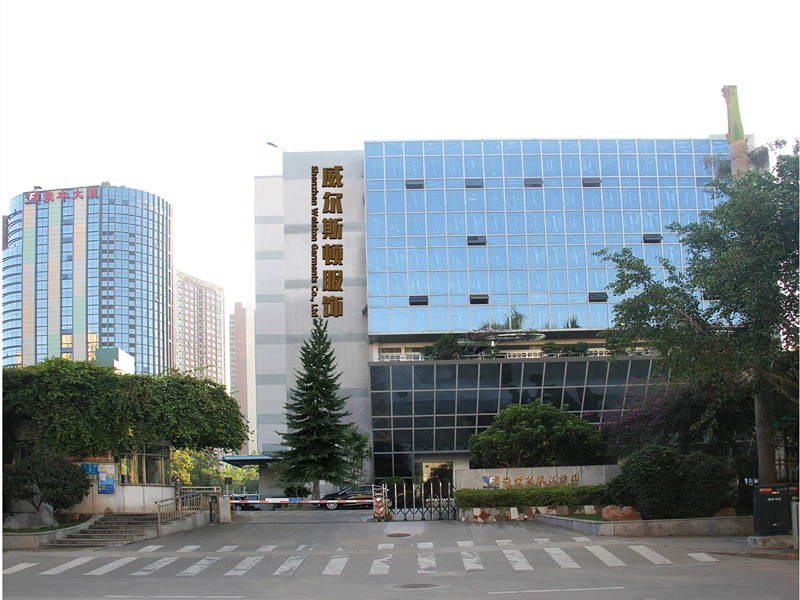
About Welston Garments