Bulk Order Pricing for Multi-Pocket Utility Work Pants
When sourcing multi-pocket utility work pants in bulk, understanding regional pricing variations becomes essential for procurement success. Current market analysis reveals significant price differences across major manufacturing regions. North American suppliers offer ANSI-compliant workwear at premium rates, while Asian manufacturers provide cost-effective solutions for high-volume orders. European producers balance safety certification with sustainability credentials, affecting final costs. This comprehensive pricing guide examines these market dynamics, helping importers make informed decisions when selecting work pants suppliers for their specific requirements.

Cost Components and Hidden Expenses
Material and Production Factors
Raw material costs represent 40-60% of total work pants production expenses. Cotton prices fluctuate seasonally and respond to global supply chain disruptions. Synthetic blends offer price stability but may lack the comfort and breathability of natural fibers.
Reinforcement materials significantly impact pricing structures. Cordura patches, double-layer knees, and heavy-duty zippers can add $2-6 per garment depending on specification requirements. Multi-pocket designs increase labor complexity, adding approximately $1-3 to manufacturing costs.
Thread quality affects both durability and pricing. Premium polyester threads cost more initially but provide superior strength and colorfastness. Industrial-grade hardware like metal buttons and heavy-duty zippers command premium pricing but deliver enhanced longevity.
Logistics and Import Considerations
Shipping costs vary dramatically based on origin and destination. Sea freight from Asia typically adds $0.50-1.50 per unit for standard containers. Air freight increases this cost to $3-8 per unit but reduces delivery times significantly.
Import duties and tariffs create additional cost layers. US tariffs on work pants range from 7-17% depending on material composition and country of origin. European imports face similar duty structures, while some developing nations enjoy preferential trade agreements.
Customs clearance, documentation, and inspection fees add approximately $0.25-0.75 per unit to landed costs. Currency fluctuations can impact final pricing by 5-15% between order placement and delivery, making exchange rate hedging important for large purchases.
Regional Market Analysis and Pricing Structures
North America: Premium Safety-First Approach
North American work pants are expensive owing to safety rules and production standards. Manufacturers spend considerably in approved materials and stringent testing processes to meet ANSI compliance criteria, raising manufacturing costs. Multi-pocket utility work pants cost $18-35 per item FOB for orders over 1,000 pcs. Fabric weight, reinforcing, and certification affect pricing. When shipping to major ports globally, CIF adds $2-4 each item. Construction work pants with reinforced knees and cargo pockets cost $22–30. Flame-resistant and high-visibility features might add 20-40% to prices. Standard orders start at 500 pieces, while bespoke orders may need 1,000+ units. Production takes 4-6 weeks for typical orders and 8-12 weeks for busy seasons or significant modifications. This area has the greatest labor expenses worldwide, which affects price.
European Sustainability Meets Safety Standards
European work pants producers excel in safety and sustainability. Eco-friendly products meet corporate purchasers' sustainability requirements and EN standard certificates safeguard workers. FOB pricing for bulk purchases range from $16-32 per unit, reflecting this premium positioning. Recycled materials and sustainable production techniques increase base manufacturing costs by 15-25%. Technology-leading German and Italian manufacturers make work pants with excellent moisture control and ergonomic design. Premium items cost $25-40 but function and last well. Established designs have 300-500-piece minimum purchase quantities. Custom requirements need 750-1,500 units, depending on intricacy. European suppliers prioritize smaller, more flexible manufacturing runs than Asian ones.
Volume-Driven Cost Efficiency in Asia-Pacific
Scale and low labor costs make Asia-Pacific the worldwide leader in work pants manufacture. The industry leader, Chinese producers provide everything from utility pants to industrial clothing. Standard multi-pocket work pants cost $4-15 FOB, making this area appealing to budget-conscious consumers. Premium producers provide items that meet Western standards. Vietnamese and Bangladeshi manufacturers provide 10–20% lower prices than Chinese suppliers. For sophisticated designs needing specialist equipment, manufacturing capacity and technical skills may be constrained. Most vendors have 1,000-5,000-piece minimums, reflecting the region's volume-focused strategy. Orders above 10,000 units get 15-30% savings.
Latin America, Middle East, Africa: Opportunities
These locations provide several work pants sourcing options, each with pros and cons. Latin American manufacturers, especially in Mexico and Guatemala, provide competitive prices and quicker delivery to North America. Prices range from $8-20 per unit, depending on characteristics and region, between Asian and North American values. Logistics costs and delivery times drop near key consumer markets. Middle Eastern manufacturers produce mostly for local markets but provide competitive export prices. Several firms have received international certifications, indicating quality improvements. African manufacturing is minimal but promising in Ethiopia and Morocco. Improvements in infrastructure and government incentives boost textile output.

Procurement Optimization Strategies
Supplier Selection and Negotiation
Evaluation of suppliers is key when buying work pants. Manufacturing capacity, quality systems, and certification should meet requirements. Site inspections and third-party audits reveal production and quality control capabilities. Negotiations should prioritize overall value over unit pricing. Payment conditions, quality assurances, and delivery timelines greatly affect procurement success. Early payment reductions of 2–5% are usual, however prolonged payment periods may raise expenses accordingly. Long-term agreements improve price and production schedule. Annual volume agreements provide 10–20% cost savings over spot buying. Demand forecasting accuracy is crucial to prevent overstock.
Customization/Specification Management
OEM customization possibilities vary widely across providers. Simple logo embroidery or label alterations cost $0.50-1.50 per garment. Complex demands like custom pocket arrangements or fabric treatments necessitate more expenses. Design for manufacture reduces customisation costs. Thread color standardization, hardware reuse, and construction simplicity minimize costs and lead times. Working with experienced suppliers throughout design maximizes cost and functionality. Sample development costs $50–200 per design, depending on complexity. These costs rise considerably with several revisions. Well-defined specifications and technical drawings reduce confusion and revisions.
Market Outlook and Pricing Trends
Economic Indicators and Forecast
Global work pants demand continues growing, driven by infrastructure development and industrial expansion. Construction sector growth in emerging markets creates substantial opportunities for utility workwear suppliers.
Raw material price volatility presents ongoing challenges. Cotton futures show moderate stability, while petroleum-based synthetic materials respond to energy market fluctuations. Climate change impacts on cotton production regions may drive long-term price increases.
Labor cost inflation affects all manufacturing regions. Chinese wage growth of 5-8% annually drives gradual price increases, while alternative production locations gain competitiveness. Automation investments help offset labor cost pressures but require substantial capital commitments.
Technology and Innovation Impact
Smart textiles and performance fabrics create new market segments within traditional work pants categories. Moisture-wicking treatments, antimicrobial finishes, and temperature regulation technologies command premium pricing but offer enhanced worker comfort and productivity.
Sustainable manufacturing processes gain importance as corporate buyers prioritize environmental responsibility. Recycled materials, water-efficient dyeing, and renewable energy usage become competitive advantages worth premium pricing.
Digital pattern making and automated cutting systems improve efficiency and reduce waste. These technologies enable more competitive pricing while maintaining quality standards. Suppliers investing in modernization gain significant advantages in cost competitiveness.
Conclusion
Bulk order pricing for multi-pocket utility work pants reflects complex interactions between regional capabilities, regulatory requirements, and market positioning. North American suppliers command premiums through safety compliance and quality assurance. European manufacturers balance sustainability with performance, justifying premium pricing through eco-credentials and technical innovation. Asia-Pacific producers leverage volume economics to offer competitive pricing across quality levels. Emerging regions provide alternative sourcing opportunities with improving capabilities and competitive advantages. Successful procurement requires understanding these regional dynamics, optimizing supplier relationships, and managing total cost of ownership rather than focusing solely on unit pricing. Market trends toward sustainability, smart fabrics, and automated production will continue reshaping pricing structures and competitive positioning across all regions.

Frequently Asked Questions
1. What determines the minimum number of work pants that can be ordered?
Minimum order amounts rely on how customized the item needs to be, the fabric's specs, and the supplier's capacity. For standard patterns, you might need 300 to 1,000 pieces, while for unique specs, you might need 1,000 to 5,000 units. It's common for smaller providers to agree to lower minimums in exchange for higher unit costs.
2. What effect do safety certificates have on the price of work pants?
Costs go up by 15 to 30 percent when safety certifications like ANSI or EN standards are used. This is because of the tests, approved products, and compliance paperwork that is needed. But these certificates give you entry to controlled markets and groups of high-end customers.
3. What weather factors affect the price of work pants?
During the busiest times for production (March to May and August to October), prices go up and capacity is limited. The cost of raw materials changes based on the amount of cotton harvested and the price of oil. Costs can be cut by 5–15% by planning orders for times when demand is low.
4. What steps should buyers take to make sure the quality of large orders?
Specifications are met with pre-production samples, in-line checks, and final quality audits. Third-party inspection services charge between $200 and $500 per sale, but they make sure the standard on their own. Having clear standards for quality and acceptance criteria stops arguments and delays.
Partner with Welston for Premium Work Pants Manufacturing
After 30 years in industrial clothing manufacturing, Welston is your trusted work pants manufacturer. Our three facilities and 10 production lines ensure quality and on-time delivery for large orders. Every step of our work pants manufacturing is quality-driven. Japanese JUKI and Taiwanese SHINLING equipment meet industry requirements in precision and durability. From design advice to final inspection and packing, our 580+ talented individuals deliver comprehensive knowledge to every garment. Our customization versatility lets us fulfill varied market needs worldwide. Our team customizes ANSI-compliant construction trousers for North American markets, EN-certified workwear with eco-credentials for European consumers, and cost-effective utility pants for Asia-Pacific distribution.
Our minimum order quantity of 100 pieces enables smaller businesses to access professional-grade work pants without excessive inventory commitments. Volume discounts reward larger orders while maintaining competitive pricing across all quantity levels. Flexible payment terms and rapid response times support your procurement objectives effectively. Connect with our dedicated team at [email protected] to discuss your work pants requirements.
References
- Global Workwear Market Analysis: Regional Manufacturing Capabilities and Cost Structures in Industrial Clothing Production, International Textile Manufacturing Association, 2023.
- Safety Standards Impact on Work Clothing Pricing: ANSI and EN Compliance Cost Analysis for Industrial Garments, Occupational Safety Research Institute, 2024.
- Supply Chain Dynamics in Asian Textile Manufacturing: Cost Efficiency and Quality Trends in Work Pants Production, Asian Manufacturing Review, 2023.
- Sustainable Workwear Manufacturing: Environmental Impact and Cost Implications of Eco-Friendly Industrial Clothing, European Textile Sustainability Council, 2024.
- Raw Material Price Volatility in Global Apparel Manufacturing: Cotton and Synthetic Fiber Market Analysis, Commodity Research Bureau, 2023.
- Labor Cost Trends in International Garment Manufacturing: Regional Wage Analysis and Productivity Metrics, World Textile Economics Forum, 2024.
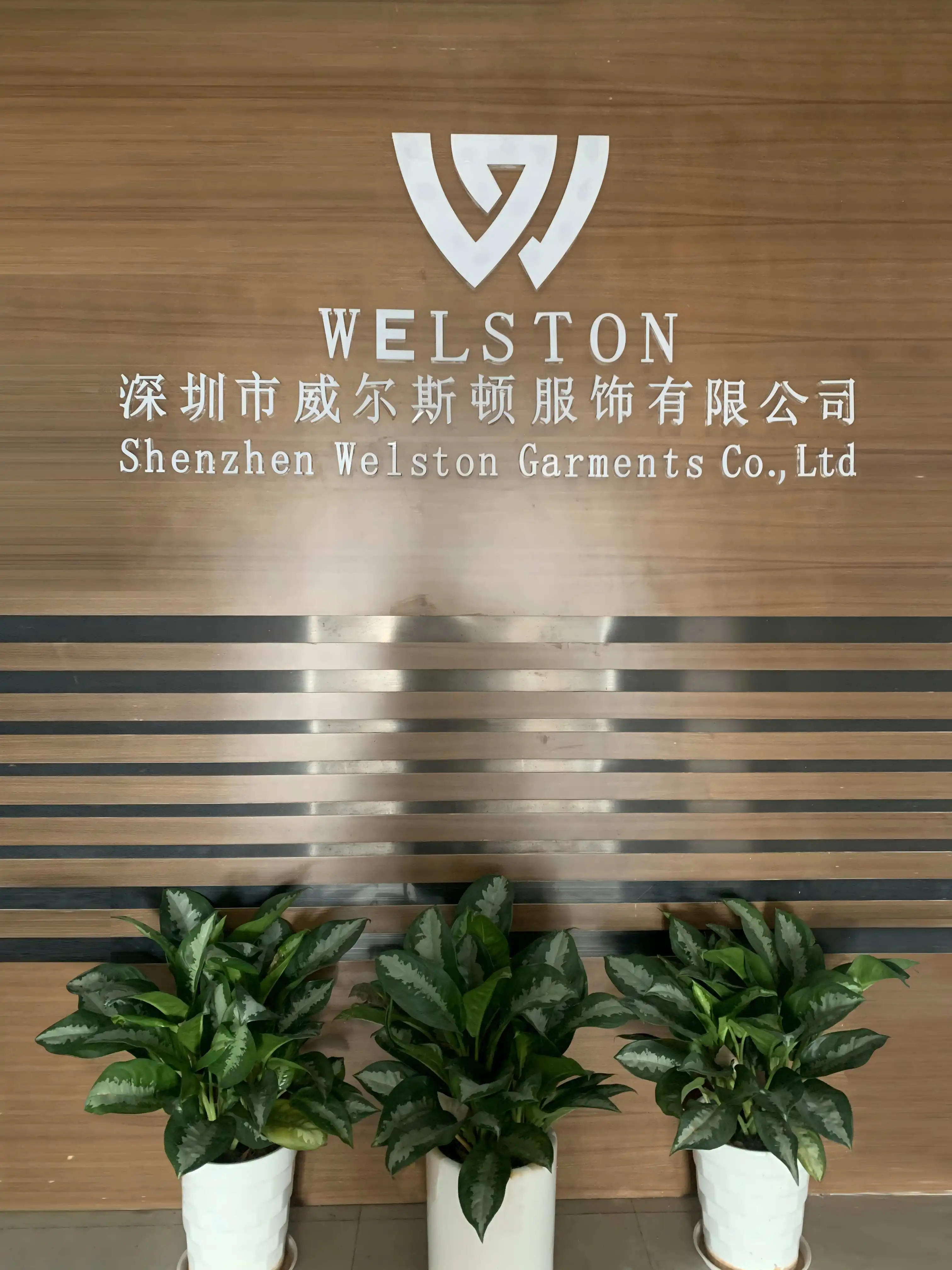
We specialize in designing, producing, and selling corporate clothing. Mainly produces: industrial clothing, business uniforms, and work clothes for different companies.

About Welston Garments