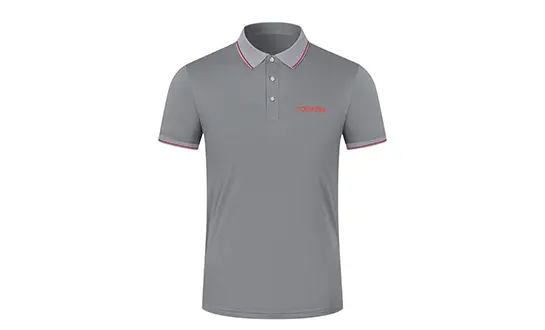
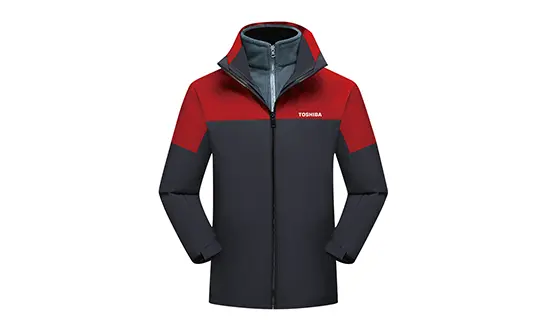
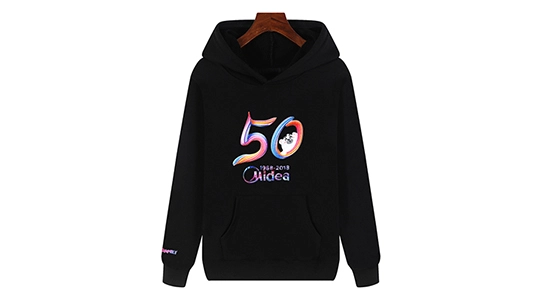
When you dress a lot of people in different countries, it's important to know about bulk prices for work clothing. If you buy good industrial clothing and safety gear in bulk, you can save 30% to 40% compared to buying them one at a time. Wholesale prices are greatly affected by the differences between markets. For example, European and American markets focus on certification fees, Middle Eastern and African markets on reliability in their specific climates, and Asia-Pacific markets on cost efficiency for large orders. This complete guide shows how businesses can deal with complicated prices and get the best deals on uniforms.
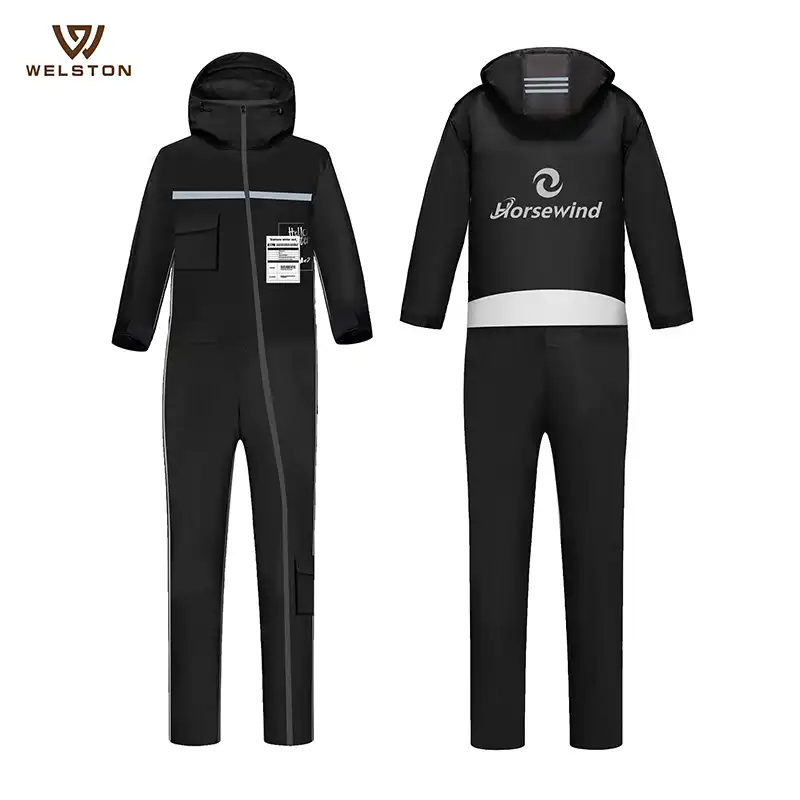
Global Market Overview for Work Clothing Procurement
The workwear market around the world has grown in an amazing way and hit $45 billion in 2023. Different areas have their own problems and chances for bulk buying. Buyers who know how these market factors work can make smart choices about how to source.
Regional Market Characteristics
European and American markets want eco-friendly, high-quality safety gear that is approved. Panasonic, Dell, and other companies need professional-looking, branded work clothes. These shops usually pay extra to follow strict safety and environmental rules.
The Middle East and Africa present opportunities in oil, gas, and construction sectors. The harsh climate necessitates specialized protective wear with UV protection and heat resistance. Cultural considerations drive demand for modest uniform designs, particularly in hospitality workwear segments.
Asia-Pacific markets focus on cost-effective solutions for large workforces. Manufacturing sectors require basic industrial clothing, while emerging service industries need affordable office attire. High-volume production capabilities become crucial for success in these markets.
Market Trends Influencing Pricing
More and more, the rules for sustainability affect how much things cost. In Europe, environmentally friendly fabrics cost 15% to 25% more than other kinds of cloth. Digital customization technologies lower the time they need to be made while keeping costs low for large orders.
Supply chain diversification affects regional pricing. Many buyers seek alternatives to traditional sourcing locations, creating opportunities for competitive suppliers with strong production capacity.
Price Breakdown by Region
The amount of quality and tailoring that is needed, as well as the number of items ordered, affects the prices in different markets. Buyers can make good deals and set reasonable budgets when they know these price limits.
European and American Market Pricing
If you buy more than 1,000 pieces, premium business outfits cost between $25 and $45 each, not including shipping costs to your location. Since safety standards are very high, certified protected gear costs $35–65 each. Sustainable products add 20–30% to the base cost, but they are becoming required more and more often in order to comply.
The least amount that can be ordered is usually 500 pieces of each style. For sales over 2,000 units, savings of 15% to 20% will be given for each additional unit. Logistics ($2–4 per unit), taxes (7–15%), and registration fees ($0.50–1.50 per unit) are some of the extra costs.
Middle East and Africa Market Pricing
Climate-appropriate workwear ranges from $18-35 per unit FOB for bulk orders. Specialized protective wear for oil and gas industries commands $30-55 per unit. Heat-resistant and UV-protective fabrics add $3-8 to base costs.
Cultural expectations for modesty make designs more expensive, adding $2 to $5 per unit for special patterns. Orders of more than 1,500 pieces receive volume savings of 18% to 25%, which are the benefits of bulk buying.
Asia-Pacific Market Pricing
Cost-effective office attire starts from $12-22 per unit FOB for large volumes. Basic industrial clothing ranges from $15-28 per unit. Hospitality work clothing commands $18-32 per unit depending on customization levels.
Orders of more than 3,000 pieces are considered high-volume and will save you a lot of money. The cost for quick shipping may be 10–15% more than the usual price. Customization for business branding usually costs an extra $1.50 to $3.50 per unit.
Key Factors Affecting Pricing Structures
The exact price for big sales of work clothes depends on a number of different factors. Buyers have to deal with complicated price systems that take raw materials, available workers, and rules that businesses must follow into account.
Material and Manufacturing Costs
Cotton prices fluctuate seasonally, impacting base costs by 8-12%. Synthetic blends offer price stability but may face environmental regulations in certain markets. Fire-resistant clothing requires specialized fibers, increasing costs by 40-60% over standard fabrics.
The cost of labor changes a lot from one area of business to another. Countries with modern production facilities may charge more but provide better quality control and faster delivery times.
Regulatory and Compliance Factors
Safety licenses are very expensive, but for many uses, they are still necessary. For the European markets, EN ISO norms require a lot of extra testing, which costs $1–3 per unit. ANSI approval for American markets means about the same in terms of costs.
Rules meant to protect the environment are having a bigger impact on the choice of materials and the ways they are made. Fabrics made without chemicals that have an OEKO-TEX approval will cost more, but they will also sell to eco-friendly markets.
Seasonal and Economic Variables
Seasonal changes in the market for clothes cause prices to change. During the busiest times of the year, summer sales for building clothing cause prices to go up by 10 to 15 percent. Winter gear that is lined follows similar designs, but it takes longer to prepare.
International prices are greatly affected by the value of one currency compared to another. Hedging tactics help keep costs steady for big orders that take a long time to serve.
Competitive Regional Comparison
Buyers can improve their buying plans by learning about the competition benefits in different areas. For big buying, each production hub has its own set of pros and cons.
Manufacturing Hub Analysis
Chinese manufacturers excel in high-volume production of work clothing with competitive pricing. Advanced equipment from JUKI and SHINLING enables efficient manufacturing of complex designs. Strong supply chains support rapid scaling for large orders.
Southeast Asian alternatives offer 10-20% lower labor costs but may lack advanced customization capabilities. Infrastructure limitations can extend lead times for complex orders requiring specialized equipment.
Quality and Capability Comparison
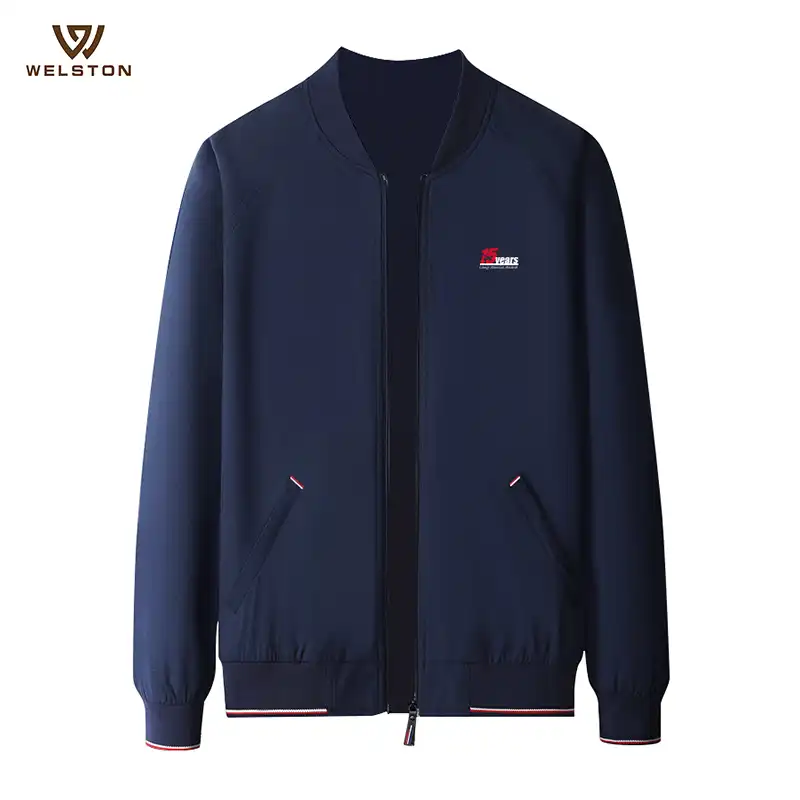
Established manufacturers with decades of experience provide superior quality control. Companies like Welston, with 27 years in the industry, offer reliability that newer manufacturers cannot match. Three factories and ten production lines enable flexible capacity management.
Technical capabilities vary significantly between suppliers. Screen printing, heat transfer, and embroidery capabilities affect customization options and pricing structures.
Optimization Strategies for Best Pricing
Successful bulk procurement requires strategic approaches that balance cost, quality, and delivery requirements. Professional buyers employ various techniques to maximize value from their workwear investments.
Negotiation Techniques
Volume commitments unlock substantial discounts. Annual contracts with flexible delivery schedules provide suppliers with planning certainty while securing competitive rates. Payment terms negotiations can reduce costs by 2-5% for favorable arrangements.
Multi-style orders often yield better overall pricing than single-product purchases. Combining coveralls, safety gloves, and reflective strips in single orders leverages economies of scale.
Customization Cost Management
Standardizing designs across multiple locations reduces setup costs. Simple logo placements cost less than complex graphic applications. Embroidery offers durability advantages over printing for frequently washed items like mechanic overalls.
Color standardization within company branding reduces inventory complexity and manufacturing costs. Limited color palettes enable larger production runs with better pricing.
Long-term Partnership Benefits
Building ties with trustworthy providers will help you in the long run. Account management that is dedicated makes sure that contact is quick and within 24-hour timeframes. When providers know exactly what you need, they are able to keep the quality of their work clothing consistent.
Inventory management services, lower storing costs, and better cash flow management are all things that partnerships often do together. Adjusting orders on the fly helps meet the needs of a changed workforce.
Market Forecast and Trends
Industry analysis reveals several trends that will influence bulk workwear pricing over the next few years. Understanding these projections helps buyers plan procurement strategies effectively.
Technology Impact on Pricing
Automation in manufacturing processes gradually reduces labor costs while improving quality consistency. Digital printing technologies enable cost-effective small-batch customization without traditional setup penalties.
Smart textiles integration creates premium product categories. Anti-static clothing with embedded sensors commands significant price premiums but offers enhanced worker safety monitoring capabilities.
Sustainability Trends
People who care about the environment want recovered and long-lasting products. At first, it costs more to choose environmentally friendly choices, but these costs drop as output levels and technology rise.
Circular economy ideas have an impact on uniform schemes. Take-back programs for used clothes make new ways of looking at cost, but they are popular with eco-friendly companies.
Economic Projections
Global economic conditions suggest moderate inflation in raw material costs. Political stability in major manufacturing regions remains crucial for maintaining competitive pricing structures.
Supply chain diversification continues as risk management priority. Multiple sourcing strategies may increase administrative complexity but provide pricing stability during disruptions.
Conclusion
Buying a lot of work clothing at once takes a deep knowledge of how the markets in different areas work, what the quality standards are, and how to get the best prices. European and American markets favor long-lasting products that are environmentally friendly and come with a guarantee of quality. On the other hand, the Middle East and Africa focus on longevity that works with the temperature and cultural factors. Asia-Pacific markets focus on efficient use of quantities and the ability to produce quickly. Buyers that get what they want do three things: they build relationships with sellers that last a long time, they make standard designs when they can, and they stay open to making changes when they need to. Price predictions show that there will be a continuing focus on ecology and technology integration. Because of this, choosing the right provider will be very important for staying competitive in the future. Companies that offer a wide range of work clothing today are ready for changes in the market. They also make sure that all of their workers are safe and that their brand is consistent across all of their businesses.
Frequently Asked Questions
Q: What minimum order quantities should I expect for bulk work clothing purchases?
A: To keep prices low, most expert makers ask people to buy at least 500 to 1,000 pieces of each style. Volume prices usually start at 1,500 pieces, and orders of more than 3,000 units will get really big discounts. Welston accommodates various order sizes while maintaining quality standards across all production runs.
Q: How do customization requirements affect bulk pricing for industrial clothing?
A: Simple logo embroidery adds $1.50-3.50 per unit, while complex designs may increase costs by $3-6 per piece. Heat transfer applications offer cost-effective alternatives for larger graphics. Standardizing customization across multiple items reduces setup costs and improves overall value.
Q: What factors should I consider when comparing suppliers for protective wear orders?
A: Evaluate production capacity, quality certifications, delivery reliability, and customer service responsiveness. Established makers with advanced tools offer more consistent support and help with tech issues. Verify compliance capabilities for your target markets and assess their ability to handle seasonal demand fluctuations.
Partner with Welston for Your Bulk Work Clothing Needs
Welston stands as your trusted work clothing supplier with 27 years of specialized experience in corporate uniform manufacturing. Our three factories and ten production lines guarantee consistent capacity for your largest orders while maintaining the flexibility needed for custom requirements. We understand that bulk procurement decisions impact your budget, timeline, and worker safety - which is why our dedicated team responds to inquiries within 24 hours and provides practical solutions tailored to your specific regional requirements.
Our high-tech JUKI and SHINLING tools make sure that all of our work is done to a high standard. This means that no matter if you need approved safety equipment for Europe, weather-appropriate work clothes for the Middle East, or affordable business clothes for Asia-Pacific, we can help. The way we work with well-known names like Toyota, Benz, and Toshiba shows that we can meet strict requirements and offer great prices for large orders. Contact us at [email protected] to discuss your upcoming uniform requirements and discover how our comprehensive customization services can strengthen your brand identity across all locations.
References
1. Industrial Safety & Hygiene News. "Global Workwear Market Analysis: Regional Trends and Growth Projections." 2023 Annual Report on Protective Clothing Industries.
2. Textile World Magazine. "Supply Chain Dynamics in Corporate Uniform Manufacturing: Cost Factors and Quality Standards." Manufacturing Excellence Quarterly, Vol. 45, Issue 3.
3. International Trade Research Institute. "Regional Pricing Strategies for Industrial Workwear: European, African, and Asia-Pacific Market Analysis." Global Commerce Review, 2023.
4. Occupational Safety and Health Administration. "Compliance Requirements and Cost Implications for Protective Workwear in International Markets." Safety Standards Bulletin, 2023 Edition.
5. Apparel Manufacturing Technology Journal. "Automation and Efficiency in Bulk Clothing Production: Equipment Investment and ROI Analysis." Technology Advancement Series, Issue 12.
6. Sustainable Textile Coalition. "Environmental Impact and Cost Analysis of Eco-Friendly Workwear Materials." Sustainability in Manufacturing Report, 2023.