Choosing The Best Waterproof Trousers For You
Understanding both the technical requirements and the needs of the practical application is necessary when choosing waterproof trousers that will keep you safe in wet working conditions. The right rain-resistant clothes keep workers comfortable, cut down on sick days, and keep them working during bad weather, whether you're buying for building crews, outdoor professionals, or shipping operations. Quality waterproof trousers are made with long-lasting materials and advanced membrane technology to protect your employees from rain, splashes, and damp places while still letting body wetness escape. This is an important balance that cheap options always fail to achieve.
Understanding Waterproof Trousers: Functionality and Benefits
What Makes a Trouser Truly Waterproof
Real waterproof trousers are very different from basic clothes that don't let water in. Welston has been making things for 27 years and has learned that special building techniques are more important than simple surface treatments for professional-grade security. True waterproof trousers have semi-permeable membranes or improved hydrophobic coats layered between layers of fabric. These create a barrier that stops liquid water molecules but lets smaller vapor molecules escape.
The construction is usually done in layers. The cloth on the outside protects against wear and tear, the membrane or coating in the middle stops water from getting through, and a protective layer inside keeps body oils and wear away from the membrane. This three-dimensional engineering solves the main problem that people who work in transportation, building, and fishing have to deal with: staying dry from outside wetness and avoiding the "greenhouse effect," which is when trapped sweat makes you feel uncomfortable and could lead to hypothermia.
Industry-Specific Performance Benefits
In different industries, rain-protective clothing needs to perform in certain ways. On North American building sites, workers need waterproof trousers that meet ANSI standards for visibility. High-visibility bright striping is especially important when it rains and the light level drops. Our factories make waterproof trousers with reinforced knee areas and bags for removable padding to protect workers who have to sit on wet concrete or muddy ground for long periods of time.
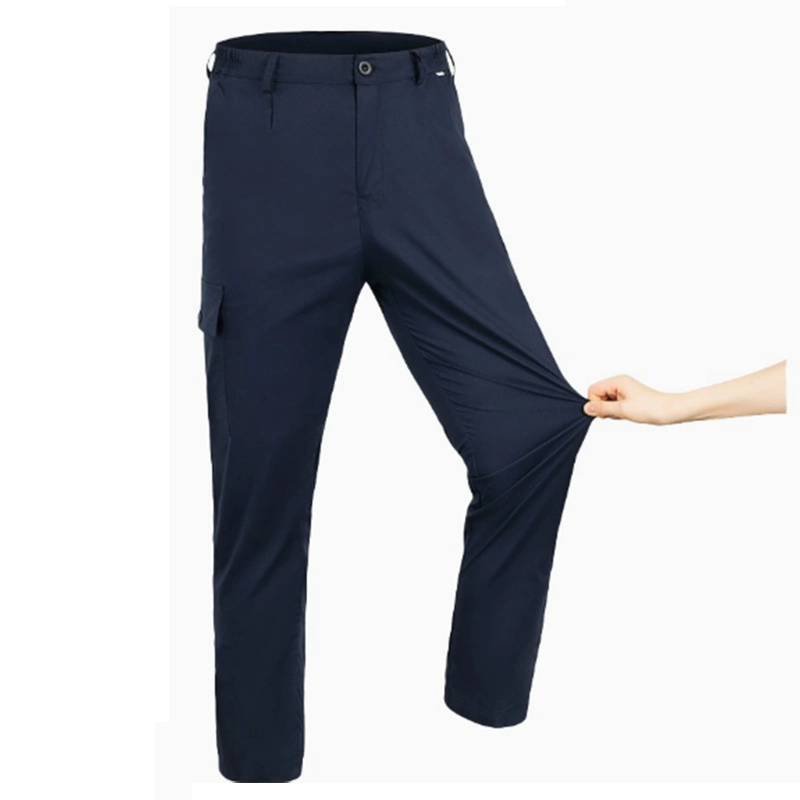
Logistics and storage processes need to be able to adapt while also being safe. It doesn't rain all the time where workers are filling docks outside or moving goods between cars. Instead, it rains sometimes. Welston makes waterproof trousers that protect you from the weather without limiting your movement. They have flexible knees and gusseted crotches that keep you from getting stuck while you're climbing, turning, or lifting.
Breathability: The Critical Comfort Factor
The most advanced waterproof trousers deal with moisture from both directions: they keep rain out and pull sweat out of the body. This openness keeps workers from feeling sweaty, which makes them less focused and less productive. Moisture Vapor Transmission Rate (MVTR) is used in technical standards to measure how well something breathes. Professional-grade clothes usually have an MVTR of more than 10,000 grams per square meter over 24 hours.
If procurement managers don't pay attention to ventilation measures, workers will find that waterproof trousers build up condensation, which will make them unhappy and cause them to give up on their protective gear. Our three factories use Japanese JUKI machinery to carefully bond breathable membranes without damaging the seams. This makes sure that the performance stays the same across production runs of more than 100 pieces, which is our minimum customization order.
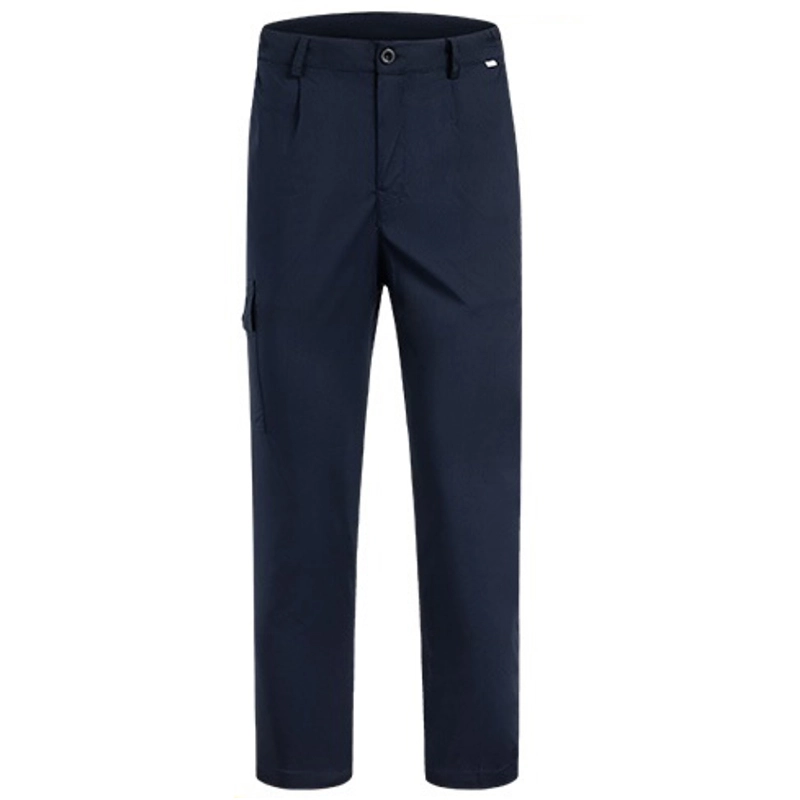
How to Choose Waterproof Trousers: Criteria and Decision-Making Framework
Defining Your Specific Use Case Requirements
To do a good job of buying waterproof trousers, you must first properly match working conditions to garment specs. Ask these basic questions: How long does the average contact last? Will workers wear these clothes all the time, or just sometimes? What other dangers are there besides moisture? Are traits that are easy to see needed by law?
Buying things for a construction site is very different from buying things for a warehouse or delivery truck. On busy construction sites across the US, workers are exposed to rain and have to deal with cement dust, metal shavings, and rough boards. These places need ripstop fabrics that are very strong when torn and have stress points like pocket corners and knees that are strengthened. On the other hand, delivery drivers need protection that is light, easy to pack, and can be stored away quickly when the weather clears.
Critical Technical Specifications to Evaluate
1. Hydrostatic Head Rating: This number, given in millimeters, shows how much water pressure resistance there is before the liquid gets through the cloth. The lowest level of water resistance for clothes is about 3,000 mm, which is only good for light drizzle. For building and outdoor work, professional waterproof trousers should be more than 10,000mm, and the best ones should be 20,000mm or higher for people who crawl or sit on wet surfaces all the time.
2. Seam Sealing Quality: The needle holes that are made when you sew make thousands of possible leak spots. Every seam is sealed with polymer tape that is heated and pressed by high-end makers. During factory checks in our Shenzhen facilities, quality control teams use pressurized water to test key seam intersections, especially the crotch and inseam junctions where multiple panels meet. This is done to make sure that there is no penetration at the recommended pressure levels.
3. Articulation and Fit: Waterproof membranes can make it hard to move naturally if the design of the clothing doesn't take into account how stiff the material is. Look for knees that are already shaped, action gussets, and an adjustable waist that you can adjust. Workers get frustrated and put themselves at risk when their rain pants don't fit right when they're climbing stairs or using tools.
Balancing Cost-Effectiveness with Durability
The initial buying price is only one part of the total cost of owning. When cheap waterproof trousers break after two months, it costs more to buy new ones than when high-quality clothes last for more than one season. Cost-per-wear is being calculated more and more by procurement workers across North America who work with big retailers and building companies instead of just unit price.
Through fabric choice and building methods, Welston's way of making things puts an emphasis on longevity. Our reinforced-knee waterproof trousers have bartack stitching at stress points and double-layer cloth where there is a lot of wear and tear. These design features make clothes last a lot longer, which cuts down on long-term spending on purchases while still meeting safety standards for workers.
Market Overview: Tailored Solutions for B2B Procurement
Understanding Global Quality Standards
In different markets, buying choices for waterproof trousers are based on regional safety ratings. European buyers put a lot of weight on EN 343 compliance, which sorts clothes by how well they fight water entry and breathe. When waterproof trousers serve two safety purposes, North American buying often refers to ANSI standards, especially ANSI/ISEA 107 for high visibility requirements.
Manufacturing facilities that meet all of these different licensing needs have strict quality control rules they follow. At Welston, our 580 employees in three plants test every batch of products according to the same set of rules. We do spray rating tests to make sure the Durable Water Repellent (DWR) finish works, dimensional stability tests to make sure there isn't too much shrinking, and tape bonding tests to make sure the seam seal doesn't come off after multiple washings.
Customization Capabilities for Bulk Orders
Large-scale purchasing lets you get exactly what you want, which isn't possible with regular store products. Through our OEM services, business clients can add their own names, choose pocket layouts that fit the needs of the tool, and choose where to put visibility stripes that comply with local laws. Recent projects for big shipping companies included custom-length inseams to fit a wide range of workers and strengthened areas to match the way certain jobs are worn.
With a minimum order quantity of 100 pieces, mid-sized businesses can now get customization benefits that were once only available for large buying contracts. Our design team works with procurement managers to make changes to workers' clothes based on what they say. For example, they might change the depth of pockets to fit certain tools, move reflective parts to make workers more visible in common work positions, or add ventilation zippers in places that let more air flow without sacrificing water protection.
Sustainable Manufacturing Considerations
More and more, corporate social responsibility programs affect buying choices. This is especially true for European buyers who put a high value on recycled material and water-repellent treatments without PFCs. Our factories make waterproof trousers with recycled polyester face fabrics and C0 DWR finishes that are good for the earth because they get rid of harmful perfluorinated chemicals.
Beyond choosing the right materials, sustainability also includes how efficiently clothes are made and how long they last. Taiwanese company SHINLING makes energy-efficient equipment that lowers the carbon footprint of production. At the same time, durable building methods reduce the need for replacements and the trash that comes with them. Purchasing managers who have to balance environmental responsibilities with tight budgets find that these methods provide measurable sustainability measures without charging more.
Maintenance and Longevity: Protecting Your Investment
Proper Cleaning Protocols
To keep their protective properties, waterproof trousers and DWR finishes need to be cared for in certain ways. Normal laundry soaps and fabric softeners leave behind leftovers that block membrane pores and make it harder for things to breathe. Technical laundry products made for waterproof trousers clean well without leaving behind any dangerous residue.
How often you wash depends on how dirty something is, not on a plan. Construction sites with a lot of cement dust or oil splashes need to be cleaned more often than places that only get light rain. Most of the time, washing every 10 to 20 wear cycles keeps performance high and keeps the membrane from getting too stressed from too much cleaning. Before cleaning, make sure all the zippers and buttons are closed. Also, don't dry waterproof laminates on high heat.
DWR Refresh and Reactivation
The Durable Water Repellent treatment on the outside fabric makes water bead and roll off instead of getting into the face fabric. This "beading" behavior is very important because when the upper fabric gets too wet, it stops breathing, no matter how good the membrane is. The usefulness of DWR decreases over time and after cleaning, so it needs to be reactivated or reapplied from time to time.
Reactivating an existing DWR finish by shifting the water-repellent chemicals is often as easy as tumble-drying on medium heat. When this doesn't work to get the beads to behave again, spray-on or wash-in DWR products can be used to renew the finish. This step, which should be done every 15 to 25 wash cycles, greatly increases the life of clothes and keeps them comfortable.
Repair Services and Lifecycle Management
When damage only shows up in a few places, high-quality waterproof trousers are better off being fixed than being replaced right away. Seam-sealing methods can be used to fix small tears or worn sections with patches. This is especially useful for knees and back areas that get a lot of wear. When someone asks about service, Welston's after-sales team replies within 24 hours and offers repair advice and new parts when needed.
Total ownership costs go down a lot when repair procedures are built into procurement systems. Having people check on clothes on a regular basis, fix small problems right away, and keep track of their condition creates data that can be used to make future buying choices and increase the value of present stock.
Practical Applications: Matching Solutions to Working Environments
Construction and Heavy Industry Requirements
Building sites have a lot of problems that go beyond just keeping the rain out. Along with being exposed to the weather, workers have to deal with sharp items, rough materials, and the possibility of chemical splashes. For these kinds of settings, waterproof trousers are made with ripstop fabrics that stop tears from spreading, strengthened pockets that can handle the weight of tools, and chemical-resistant coatings that keep cement alkalinity and petroleum products from getting into the pants.
People who work as electricians, plumbers, or floor installers and spend a lot of time standing on cold, wet concrete need knee protection even more. Our designs with reinforced knees have pockets inside that can hold foam or gel padding. This spreads the pressure over a bigger surface area, and the waterproof outer shell stops wetness from getting in, which would otherwise move body heat away from the knees.
Logistics and Outdoor Services Applications
Delivery drivers, repair teams that work outside, and utility workers all need waterproof trousers that can be used inside and outside of vehicles. Packability and speed of putting on become important features. Full-length side zippers let you wear waterproof trousers over work boots without taking them off, and stuff-pocket designs let you store them in a small space when they're dry.
Hybrid designs that balance security with mobility are good for these people. Waterproof panels on the seat and knees protect specific areas that will be touching wet surfaces, and side panels that let more air flow keep you cool when you're busy. This smart placement of materials improves comfort without lowering safety in key areas.
Specialized Cold-Weather and Marine Environments
Insulated waterproof trousers solutions are needed for workers who will be exposed to both cold and rain, like in offshore facilities, winter building, or refrigerated shipping. Between the waterproof shells and inner linings of these clothes are layers of synthetic or natural padding that keep you warm even when the outside surfaces get wet.
Maximum hydrostatic head rates of more than 20,000mm are needed in the marine and fishing industries, where workers face wave splash and steady downpour instead of just rain. When you bend over or when waves hit the deck, bib-style constructions keep water out of your waist. Hardware that doesn't rust or corrode and zippers that don't corrode will last longer in harsh sea settings where regular parts break quickly.
Conclusion
To choose the right waterproof trousers, you have to weigh the technical performance requirements against the needs of the job and your budget. Quality building with sealed seams, flexible membranes, and long-lasting fabrics is more valuable in the long run than cheaper options because it lasts longer and makes workers more comfortable. People who work in procurement in the building, logistics, and industry sectors in North America should give priority to providers who can show they are good at manufacturing, can customize products, and offer quick after-sales support. Understanding regional safety standards, repair needs, and the right way to care for clothes protects investments the most and makes sure workers are safe and productive in bad weather.
FAQ
1. How do I verify actual waterproof performance before large procurement orders?
Ask for test samples that meet your specific needs, and then do field trials with workers who are like the ones you want to test them on in real life. Check the comfort level during long wear, look for leaky spots at seams and openings, and see how long the item will last after being washed. Reputable makers, like Welston, offer pre-production samples for approval. This makes sure that the performance of large orders matches what was tried.
2. What distinguishes waterproof trousers from standard rain pants for industrial use?
Industrial waterproof trousers are made with strengthened construction, tool pockets placed in smart ways, and they meet safety standards like ANSI high-visibility requirements. They are made of stronger fabrics that don't tear or wear down easily, have flexible patterns that let you move freely while working, and have strengthened stress points that make them last longer than regular rain pants made for fun.
3. Can waterproof garments be repaired cost-effectively, or should damaged pieces be replaced?
When damage is limited to a small area, good waterproof trousers are worth fixing. With the right seam sealing, small tears can be fixed with patches, and old DWR finishes can be brought back to life by reapplying them. But if the membrane is badly damaged, delaminates in big areas, or the seam sealing isn't good, it usually needs to be replaced. Setting up checking procedures helps find damage that can be fixed early on, which increases the value of a garment over its entire life.
Partner With Welston for Your Waterproof Work Pants Procurement
Welston has been making workwear for almost 30 years and can help companies that need trusted waterproof trousers makers. Our three factories have 10 specialized lines with 580 skilled workers using cutting-edge Japanese JUKI and Taiwanese SHINLING equipment to make sure that the quality of all orders, from small ones to large ones, is always the same. We work with big stores, building companies, and transportation companies all over North America to make designs that are ANSI-compliant, have reinforced construction, and can be customized to meet the needs of each worker.
Our helpful team responds to questions within 24 hours and helps procurement workers choose the right specifications, explore customization options, and place their orders. Welston's manufacturing skills and dedication to quality make sure that your workers are protected in ways that work, whether you need high-visibility waterproof trousers for building teams, packable rain gear for delivery fleets, or custom designs for specific uses. Get in touch with [email protected] to talk about your needs for waterproof trousers and learn how our custom production solutions provide better value for B2B purchasing projects.
References
1. Smith, J. & Anderson, K. (2022). Technical Textiles for Protective Workwear: Performance Standards and Testing Methodologies. Industrial Safety Press.
2. Williams, R. (2021). "Membrane Technology in Waterproof Garments: A Comparative Analysis." Journal of Textile Engineering and Performance, Vol. 15, Issue 3, pp. 127-145.
3. European Committee for Standardization (2020). EN 343: Protective Clothing Against Rain - Performance Requirements and Test Methods. CEN Publications.
4. Martinez, L. (2023). B2B Procurement Strategies for Workplace Safety Equipment: A Practical Guide. Corporate Solutions Publishing.
5. Thompson, D. & Chen, W. (2022). "Durability and Lifecycle Cost Analysis of Industrial Workwear." International Journal of Occupational Safety, Vol. 28, No. 2, pp. 89-107.
6. Roberts, M. (2021). Breathable Waterproof Fabrics: Science, Manufacturing, and Application in Protective Clothing. Technical Textiles Institute.
We specialize in designing, producing, and selling corporate clothing. Mainly produces: industrial clothing, business uniforms, and work clothes for different companies.
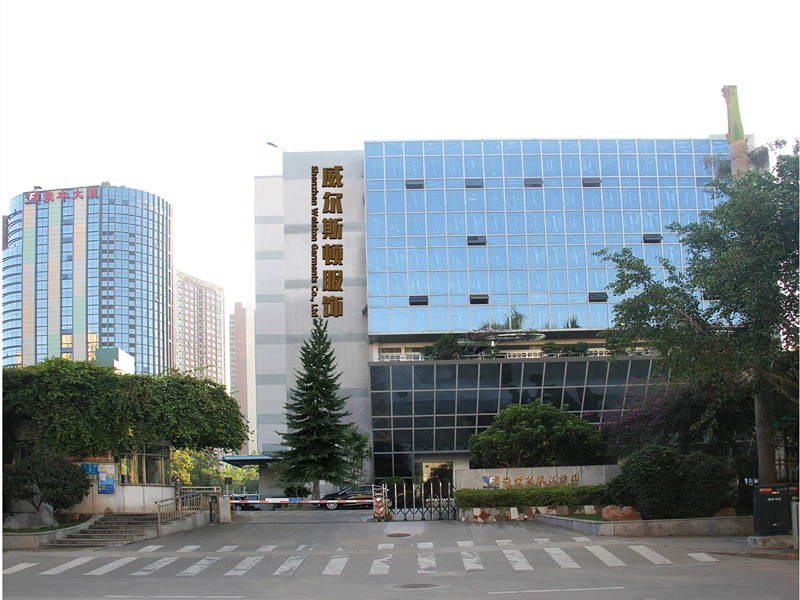
About Welston Garments