Choosing Workwear for Working in the Open Sun
It's not enough to just pick clothes that look good or are useful for people who work in bright sunlight for long hours. For workers to stay safe from UV rays while still being relaxed and lasting a long time, there is a type of clothing called UV-Block Workwear. This specific clothing is made for outdoor workers in North America and beyond who do things like gardening, farming, construction, and pleasure activities outside. It has high UPF ratings, wicks away wetness, and is ergonomically designed to meet their needs.
Understanding UV-Block Workwear and Its Benefits
When it comes to construction and treatment, UV-Block Workwear is very different from other work clothes because it was made using scientific methods. These clothes are made from carefully treated textiles or synthetic fibres that are woven very tightly to block harmful UVA and UVB radiation. As soon as these rays hit the skin, they cause damage like sunburn. They also cause damage over time, like making you age faster and increasing your risk of skin cancer.
What Makes UV-Block Workwear Different
Ratings for Ultraviolet Protection Factor (UPF) show how much UV light can get through clothes. This is what keeps you safe in UV-Block Workwear. If a piece of clothing has a UPF number of 50 or higher, it blocks about 98% of UV rays, keeping you safe all day. Always put on more sunscreen, because it can get missed in hard-to-reach places. On the other hand, this safety gear covers workers from the time they put it on until they take it off.
It's only 5 to 7 UPF for most standard cotton work shirts when they're dry. Their grade drops even more when they get wet from sweat. No matter how wet it is, UV-Block Workwear will still protect you. This makes it perfect for jobs outside that are hard on the body. The clothes are made to last longer, even in harsh work environments, because they have stronger stitching at stress points. They also keep their protective qualities over time.
Health and Safety Benefits
When workers wear clothes that protect them from the sun, they get heat-related illnesses and sunburns less often. This means they miss less work and are more productive. Some studies have found that people who work outside are three times more likely to get skin cancer than people who work inside. Using UV-Block Workwear as part of your safety plan shows that you are following OSHA rules about being out in the sun and helps keep your company out of trouble with the law.
Wearing these clothes will not only keep you from getting cancer, but they will also keep your skin from getting sun spots and old before its time. Strong UV rays are especially harmful to people who work in the sunbelt states, which are states from California to Florida. These people do things like building, maintaining roads, farming, and gardening. This means that safety gear at work is not only a good idea, it's necessary. It's easy to see the economic benefit when you think about how much it costs to treat sun-related illnesses or handle workers' compensation claims compared to the small cost of good protective clothing.
Key Factors to Consider When Choosing UV-Block Workwear
When picking out protective clothing for your workers, you need to carefully think about a number of factors that work together to find the best balance between safety, comfort, durability, and cost-effectiveness.
Fabric Composition and UPF Ratings
What makes UV-Block Workwear work is the science behind the fabric. Better choices are likely to be made of polyester mixes, nylon, or cotton that has been treated in a special way to get UPF scores of 40+ or 50+. It is very important that the cloth is dense; naturally, tighter weaves block more UV light. Some manufacturers add titanium dioxide or ceramic nanoparticles to the threads while they are still being made. This gives the clothes built-in UV protection that stays on even after being washed several times.
As you look at them, make sure that suppliers can show you proof that their UPF ratings have been tested according to AS/NZS 4399:2017 or EN 13758-2. The fact that these IDs have been checked by a third party shows that the claims about safety are true. While darker colours tend to block UV rays better than lighter ones, advances in fabric technology have made it possible for even brightly coloured clothes like yellow and orange to get high UPF ratings. This is very important for workers who need to be seen for safety reasons.
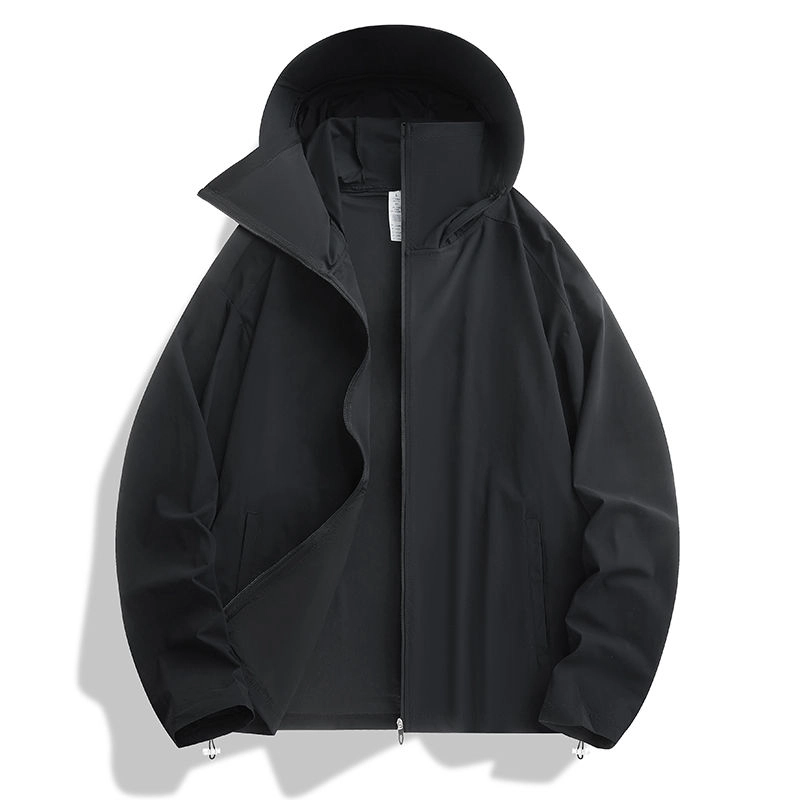
Breathability and Moisture Management
For people who work in hot places like the southern United States, UV-Block Workwear needs to protect them while also being comfortable. Fabrics made today that wick away moisture pull sweat away from the skin's surface, where it quickly evaporates. This keeps the person cool and stops the itchy feeling that comes from clothes that are too sweaty. The vessels do this to help keep the body's temperature in check. This makes it less likely that you will get heat stress when you are working hard outside.
Adding mesh strips under the arms, across the back, or along the side lines lets more air flow through without lowering the UV protection. Light clothes (4-6 ounces per square yard) guard well and are comfortable enough for hard work. After getting wet, the cloth should be able to dry quickly, in about 15 to 20 minutes. This is very helpful for people who work in damp places or who have hard physical jobs.
Fit, Coverage, and Design Elements
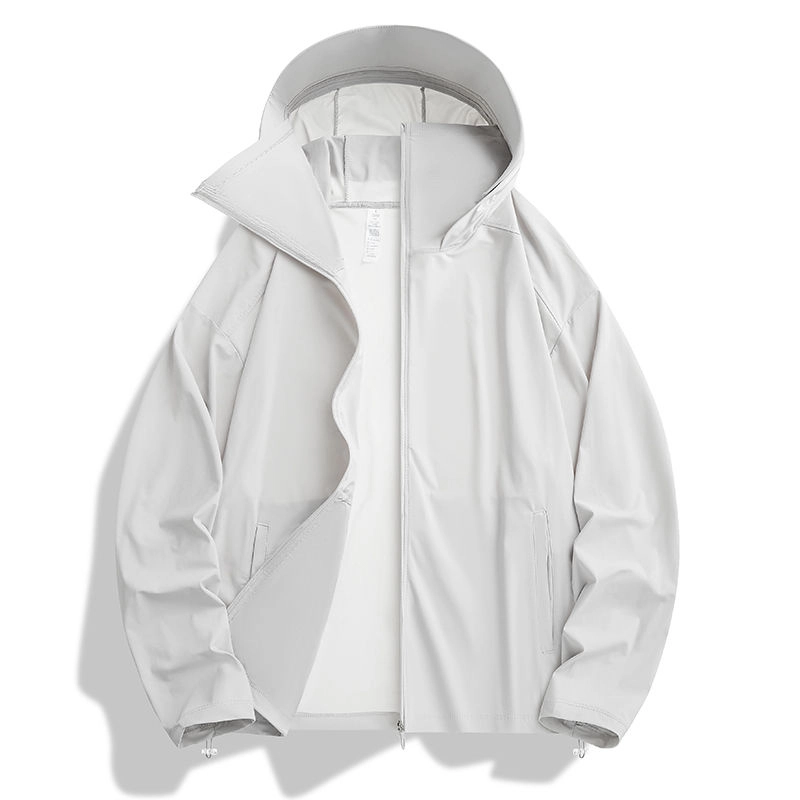
Having the right insurance makes you safer. High collars that protect the neck, long trousers that don't gape when you stand or bend, and long-sleeved shirts with long tails that stay tucked in while moving all block UV rays. If you're working up high or doing the same thing over and over, raglan sleeves or underarm vents let you move around without getting in the way.
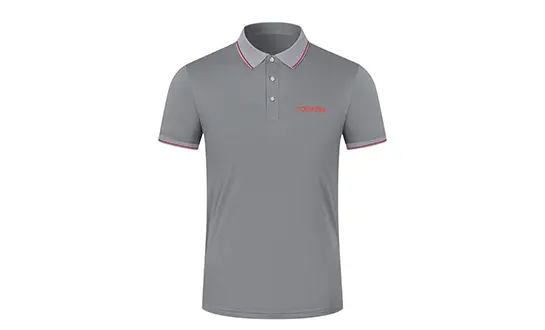
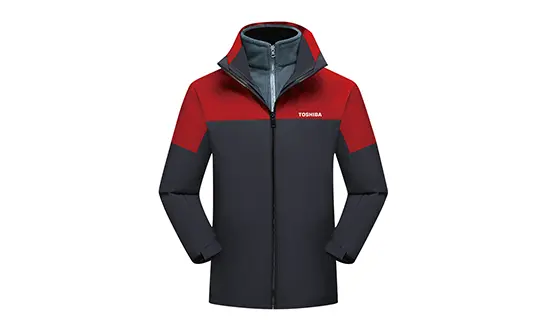
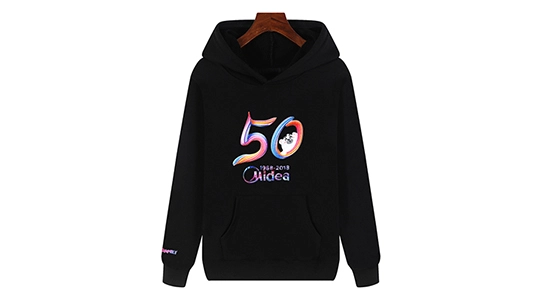
You can add the name of your company, bright strips to make yourself stand out, and useful features like tool loops, reinforced knee patches, or backpack pockets that are made to fit the job. People with different body types should be able to find clothes that fit well. Some brands have a bigger range of sizes and features that can be changed, like waistbands that stretch or hems that can be tightened with drawstrings.
Comparing UV-Block Workwear with Alternatives: Making an Informed Decision
Finding out how UV-Block Workwear compares to other options helps you understand why it's worth the money and helps you choose the best one for your needs.
UV-Block Workwear Versus Standard Work Clothing
In traditional work clothes, how long they last and how much they cost are the most important things. UV protection is at best an afterthought. Regular denim pants have a UPF of about 1,700 when they are brand new. Regular cotton work shirts, on the other hand, don't protect you much, especially if they are worn thin or stretched. When you wear UV-Block Workwear, you'll be safe for as long as the clothes last. It has been checked out and approved to work at a certain level.
In the beginning, UV-Block Workwear costs more than regular work clothes. Each item usually costs 30 to 60 percent more. But things look different when you see the total cost of ownership. UV light weakens fabric, but the synthetic threads in these clothes don't break down. This means that they often last longer than regular clothes. A strong return on investment is reached when health care costs go down and workers are more relaxed, which makes them more effective.
Comparing with Casual Sun-Protective Clothing
Casual clothes that block the sun that you'd wear to the beach or on a walk aren't durable enough for work. Most of the time, these clothes are made of thin fabrics that tear easily when they get caught on tools or building materials. You can't kneel, bend, or carry heavy things over and over because the stress points aren't stronger.
Heavy-duty materials and construction are used to make UV-Block Workwear. For example, the corners of the pockets are bar-tack stitched, the seams are double-needled, and the fabric doesn't wear down quickly. It can stand up to the wear and tear of farms, construction sites, and gardens. They don't tear or snag easily, and the UPF number stays the same even after being washed and used a lot.
Evaluating Supplier Credentials
When you buy a lot of UV-Block Workwear, it's important to know who you're buying from and what they can do. Manufacturers that have been in business for a long time and have made clothes for companies for many years know how to make sure that all big orders are completed the same way.
Because they've been making work clothes and business uniforms for over 26 years, Welston is a good example of a well-known seller that B2B buyers should look for. They have more than 580 workers in three companies with 10 production lines and JUKI and SHINLING machines from Japan and Taiwan. Thus, they can handle big tasks while still maintaining high standards of quality. Big companies in North America, Europe, and Asia have used them before, like Panasonic, Mercedes-Benz, Dell, Toshiba, and Toyota. This shows that they know how to meet their clients' needs.
Procurement Strategies for UV-Block Workwear in B2B Contexts
You can get the best deals and make sure your workers get high-quality safety gear that meets their needs by using smart shopping strategies.
Leveraging Volume Purchasing
When you buy in bulk, you can save a lot of money because of discount price methods. Prices for UV-Block Workwear often have different levels. When you buy 100, 500, or 1,000 pieces, the price per unit drops by a lot. In order to get the most out of these big deals, you need to combine purchases from different company offices or project sites.
Good payment terms, like net-30 or net-60 payment plans, make it easier to keep track of your cash flow. This is very important for big orders. Some suppliers let you save more if you pay early or agree to buy a certain amount of goods every year for a long time. Medium-sized businesses can get what they need more easily when they work with a dependable supplier like Welston, which has flexible minimum order amounts starting at 100 pieces. This supplier can also grow to meet the needs of big businesses.
Supplier Assessment Criteria
Before picking a source, do some study. This will help you save money and be pleased with the service for a long time. Ask for samples before you place a big order. By letting real workers try on the clothes in the field, you can see how well they fit, how stable the stitches are, and how comfortable they are. This test lets you see if the clothes do what they say they do in real life.
Check to see if the sellers you're thinking about have up-to-date UPF scores and can show you test results from approved labs. The ability to make things is important. When you place an order, suppliers should be able to show that they can meet your needs within a reasonable amount of time and without lowering the quality of their work. Customer service that is quick to help and makes it easy to return or exchange broken items is an example of after-sales support that will keep your workers happy and protect your investment.
Streamlined Ordering Processes
Having good buying workflows saves time and prevents mistakes. Size charts with numbers in both inches and centimetres should be given to you by suppliers. This will help you choose the right size options for your order. You can try on clothes before getting a lot of them thanks to samples. This way, you can be sure that they fit you well.
It's easier to do business when there are clear lines of communication and account representatives who are available to answer questions quickly. People can trust Welston to answer their questions and help them within 24 hours. This shows that they provide excellent customer service that makes it easier for busy operations managers and purchasing teams to buy things. They have a simple five-step buying process that makes everything clear and easy to understand, from the first meeting to the delivery.
Care and Maintenance of UV-Block Workwear
Take good care of your UV-Block Workwear, and it will last longer and keep its protective qualities. This will give you the best value for your money.
Washing and Handling Protocols
UV-Block Workwear needs to be cared for in a certain way so that it keeps its power to protect. Light soap that doesn't have optical brighteners or strong chemicals that can damage UV protection should be used to wash clothes in cold or warm water. Fabric softeners and bleach should not be used on protective finishes because they lower UPF ratings over time.
Extreme heat can hurt synthetic strands and the UV-blocking particles that are built into them. This doesn't happen when you dry things outside or on low heat. Because too much heat can shrink or weaken materials, they don't cover as well and last less long. As long as you take care of the clothes according to the care directions on the label, they will keep their UPF rating.
UV-blocking properties are built into the fabric structure instead of being added as a surface treatment. High-quality UV-Block Workwear that uses these technologies will keep working for 50+ industrial wash cycles. Chemically treated clothes lose their protective power after 20 to 30 washes. Because of this, clothing with built-in protection is a better choice for long-term planning of purchases.
Inspection and Replacement Schedules
Set up regular ways to look through your clothes and find ones that need to be changed. If the cloth is too stretched, thin, torn, or has holes in it, UV rays can get through and defeat the purpose of protection. UV light can still hurt the skin through even small holes in the covering, so it's still not good.
Set up a plan to replace clothes based on how they look instead of picking dates at random. Some jobs are so hard that people need to buy new UV-Block Workwear every 6 to 12 months. Other jobs aren't so hard, so clothes might last 18 to 24 months for those people. By making sure there is enough safety gear on hand, workers can always get it and that it is in good shape, so there are no holes in the safety cover.
Conclusion
It is important for outdoor workers' health, safety, and the success of the business to choose the right UV-Block Workwear. These clothes are different from casual sun protection clothes and work clothes because they are made of special materials, have designed UPF values, and are built to meet industry standards. When buying, it's important to think about a lot of things, like UPF certification, fabric breathability, durability, source trust, and the total cost of ownership. This way, you can find solutions that fit your specific needs in North American markets and beyond. This will help you get the most out of your investment and keep your workers safe from the major health risks that come from being exposed to UV light for a long time.
FAQ
1.How do I verify that UV-Block Workwear meets industry standards?
Check with providers for test reports that show UPF rates that have been checked by approved labs in line with AS/NZS 4399:2017 or EN 13758-2. Real UV-Block Workwear makers can easily show this proof, which shows that their claims of protection have been checked by outside sources and are not just marketing claims.
2.Can UV-Block Workwear be customized with company logos and branding?
Screen printing, stitching, and heat transfer are just a few of the ways that good providers let you change a lot of things. For example, you can add company logos, employee names, and safety messages. With a minimum order number of 100 pieces, Welston can do these things for small to medium-sized companies, so they can get branded UV-Block Workwear that keeps workers safe and improves the image of the business.
3.What lead times should I expect for bulk UV-Block Workwear orders?
Standard production times range from 3 to 6 weeks, but can be longer or shorter depending on the size of the order, how complicated the customisation is, and how busy the factory is at the moment. Most of the time, sample orders are sent out in 7–10 business days. Welston and other well-known suppliers that have a lot of production capacity can often rush orders or change production schedules to meet short-term project deadlines. Making plans ahead of time is the best way to get the best deals and the most reliable services, though.
Partner with Welston for Your UV-Block Workwear Procurement Needs
Because Welston has been making specialised goods for 26 years, we know how to make the UV-Block Workwear you need. Businesses from all over North America can place orders with us, and we can handle anything from 100 pieces to big amounts. Outdoor shops, lifestyle brands, and industrial wholesalers are some of our clients. To meet the high technical and environmental standards that today's careful B2B buyers expect, we use fabrics that are UPF 50+, moisture-wicking technology, and eco-friendly materials. You can email our buying team at [email protected] to tell them about your needs, get samples, or learn about ways to make your clothes unique by adding a name or picking a colour. We are a UV-Block Workwear company that has been around for a long time and works with big companies like Toyota and Dell. You can count on us to be honest.
References
1. American Conference of Governmental Industrial Hygienists (ACGIH). "Threshold Limit Values for Chemical Substances and Physical Agents: Ultraviolet Radiation." 2022 Edition.
2. Occupational Safety and Health Administration. "Sun Exposure and Heat Illness Prevention in Outdoor and Indoor Work Settings." OSHA Technical Manual, Section III, Chapter 4.
3. Diffey, Brian L. and Joanne Cheeseman. "Sun Protection with Clothing: The Forgotten Option." British Journal of Dermatology, Volume 147, Issue 3, 2002.
4. Standards Australia/Standards New Zealand. "AS/NZS 4399:2017 Sun Protective Clothing: Evaluation and Classification." Sydney: SAI Global Limited, 2017.
5. National Institute for Occupational Safety and Health (NIOSH). "Outdoor Workers Exposed to UV Radiation: NIOSH Workplace Safety and Health Topic." Centers for Disease Control and Prevention, 2021.
6. Gambichler, Thilo et al. "Protection Against Ultraviolet Radiation by Commercial Summer Textiles: Need for Standardized Testing and Labeling." BMC Dermatology, Volume 1, Article 6, 2001.
We specialize in designing, producing, and selling corporate clothing. Mainly produces: industrial clothing, business uniforms, and work clothes for different companies.
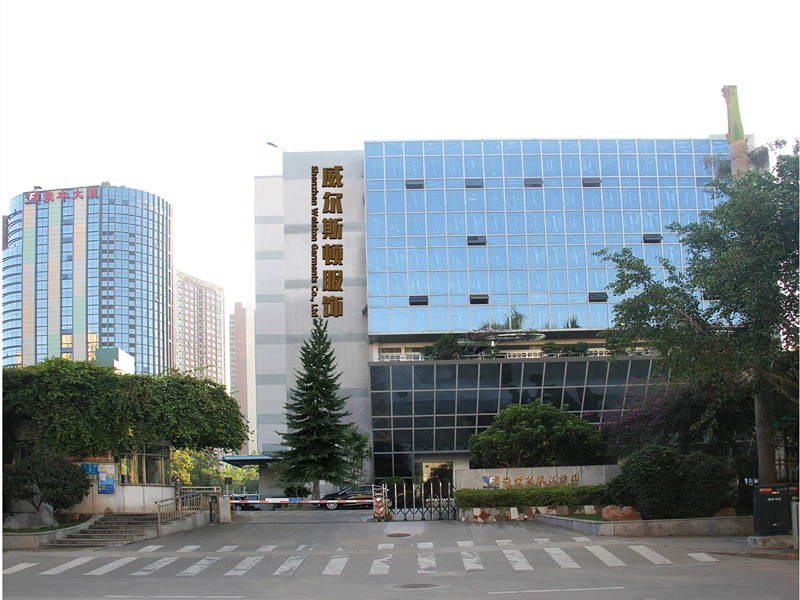
About Welston Garments