Cool Dry Sun Protective Clothing : What You Need to Know
Cool Dry Sun Protective Clothing is a big step forward in technical clothing because it combines high-tech UPF fabrics with technologies that keep you dry and regulate your body temperature. Unlike regular clothes, these specially made ones block dangerous UV rays and actively manage heat and sweat through designed fibre structures. The technology solves two problems that outdoor workers and busy professionals have: keeping the skin from getting damaged by the sun while keeping it at a comfortable temperature for long periods of time. This new idea has changed the standards for work clothes in many fields, from building to leisure, where worker safety and performance directly affect the success of the business.
Understanding Cool Dry Sun Protective Clothing
What Makes This Technology Different
The Tech is what makes Cool Dry Sun Protective Clothing tick. Tight weaving in traditional clothing that keep you safe from the sun trap heat, and make it difficult to move about. Cool Dry’s modern equivalents employ modified polyester or nylon yarns with unique cross-sections that create microscopic channels. These channels facilitate capillary action, which wicks moisture away from the skin and distributes it across the cloth surface to evaporate fast.
Good clothing generally has UPF ratings of 50 or above, which blocks roughly 98% of UV radiation. This protection comes from two places: the tight structure of the fabric and ceramic particles, such as titanium dioxide, integrated into the fibre polymer itself. This natural defence lasts longer than chemical coatings that wear off after several washing. This gives durable UV protection for the whole lifetime of the clothes.
Technical Properties That Matter
Cool Dry Sun Protective Clothing utilises quantifiable physical qualities to keep you cool. Testing to the JIS L 1927 criteria provides you the Q-max value, which tells you how cool a cloth feels. The high end garments have values more than 0.20 W/cm2. °C. Hence, the clothes feel chilly when you first put them on. The evaporative cooling combines with conductive cooling so you feel better before you even start to sweat.
Air permeability affects breathability and wind resistance. Good textiles allow around 150 mm/s of air movement, allowing the heat to escape without destroying the structure. Moisture management capacity is measured by AATCC 195 test, which measures the rate of sweat transfer from skin to fabric surface and spreadability of sweat to facilitate evaporation . Better clothing have a vertical wicking height of more than 120 mm in 30 minutes and maintain dry skin when doing strenuous activity over a lengthy period of time.
Regional Demands Shaping Design
The market in North America drives new ideas in Cool Dry Sun Protective Clothing with modern technology. Outdoor stores and lifestyle brands that serve this area focus on clothes that have been tested and proven to have UPF 50+ ratings, built-in moisture-wicking systems, and materials that are sourced in a way that doesn't harm the environment. Teams that buy things that care about the environment look for recycled polyester mixes that keep up performance while being better for the environment. Certifications from groups like OEKO-TEX and bluesign are important to this market area because they make sure that chemicals are safe and that manufacturing methods are environmentally friendly.
When European buyers look at useful needs, they also consider how things look. Fast-fashion stores and travel-specific sellers want Cool Dry Sun Protective Clothing that can be worn anywhere from the beach to the city without any problems. The focus on mixed styles and modern shapes follows general fashion trends while keeping the technical performance high. Certified sustainable fabrics are now a must-have, and buyers want to see proof of material sources and supply lines that are open and honest.
In growing economies, the Middle East, South America and Southeast Asia, durability and cheap cost are crucial. Distributors who work in construction, agriculture and tourism require Cool Dry Sun Protective Clothing that can handle heavy daily wear and is yet reasonable when bought in quantity. Improved ventilation helps to deal with the high heat common to these places, where temperatures frequently soar beyond 35°C.
Benefits and Applications for B2B Procurement
Protecting Workforce Health and Performance
Cool Dry Sun Protective Clothing has real health benefits that mean less liability for employers and more work getting done. UV exposure builds up over time for people who work in building, utilities, and farmland. This raises the risk of skin cancer and speeds up the ageing process. Giving workers UPF-rated clothes shows that they are following their duty of care and gets rid of the problem of inconsistent sunscreen use. Employees no longer have to remember when to reapply or deal with product buildup on their hands and tools.
The qualities that control cooling and wetness have a direct effect on efficiency measures. Occupational health studies show that heat stress lowers brain function and physical balance, which makes accidents more likely. Cool Dry Sun Protective Clothing helps workers stay focused and productive throughout shifts by keeping their skin cooler and avoiding sweat absorption. This is especially helpful in logistics, where warehouse workers move between rooms with air conditioning and loading areas outside.
Industry-Specific Applications
Cool Dry Sun Protective Clothing made for high visibility is helpful for construction teams. Clothing with fluorescent colours and reflective stripes meets ANSI/ISEA standards and keeps you cool and protected from the sun. Technical fabrics last longer than cotton options because they don't get snagged on rough surfaces and keep their shape after being washed many times in industrial settings.
Cool Dry Sun Protective Clothing that can survive chemical contact and repeated washing is necessary for agricultural activities. Fabrics that are treated to resist stains and garments that are made with reinforced stress points last longer in tough environments. Long arms and high collars protect workers while they apply pesticides, and the moisture-wicking features keep them from getting too uncomfortable, which would make them break safety rules.
Cool Dry Sun Protective Clothing is part of branded uniforms in the tourism and hospitality industries that serve beach spots and outdoor activities. Professional-looking clothes that keep people comfortable in the sun are helpful for resort staff, tour guides, and exercise teachers. In places near water, where regular clothes would stay wet and uncomfortable, the ability to dry quickly is very useful.
Cool Dry Sun Protective Clothing is now standard gear in the marine industry and professional fishing. The fabrics won't break down in saltwater, and they won't let salt crystals build up on skin when sweat dries slowly. Wearing these clothes is more than just protecting yourself from the sun; they also protect you from jellyfish stings and cuts.
Total Cost of Ownership Advantages
Even though it costs more at first than regular clothing, B2B buying teams know that Cool Dry Sun Protective Clothing is a better deal. Because good technical fabrics last longer—often two to three times longer than cotton equivalents—they don't need to be replaced as often. The cost of maintenance goes down because these clothes don't stain easily, dry quickly, and keep their look without any special care. By getting rid of extra sun protection products like sunscreen, ongoing operating costs are cut even more.
Chances to build a company's name are strategically valuable. Cool Dry Sun Protective Clothing can be turned into marketing tools that help build brand identity through custom logo printing, colour matching, and design changes. Customers like it when employees in customer-facing roles look professional, which is good for the company's reputation. Because minimums start at 100 pieces, customisation is possible even for smaller businesses or pilot projects.
Comparing Cool Dry Sun Protective Clothing with Other Options
Performance Against Traditional Alternatives
Cotton sunwear is still popular, even though it doesn't work very well. At first, natural fibres feel good, but cotton soaks up and holds on to wetness instead of wicking it away. This soaking causes a "wet cling" effect that raises the temperature of the skin and helps bacteria grow. The loose weave that cotton needs to breathe makes UV protection less effective. When dry, UPF values are usually less than 15, and they drop even more when the fabric is wet. Cotton clothes also fade and shrink when they are washed, so they need to be replaced often.
Standard UPF-rated clothes that don't have cooling technology protect you from the sun but make new problems. Dense weaves that block UV light often trap heat, which causes the "greenhouse effect" that makes people take off their protection just when they need it the most. Chemical UV treatments that are put on regular fabrics break down after about 20 washes, leaving clothes that look safe but don't offer as much protection. This invisible wear and tear makes companies nervous about their risk because they can't quickly confirm that workers are still safe.
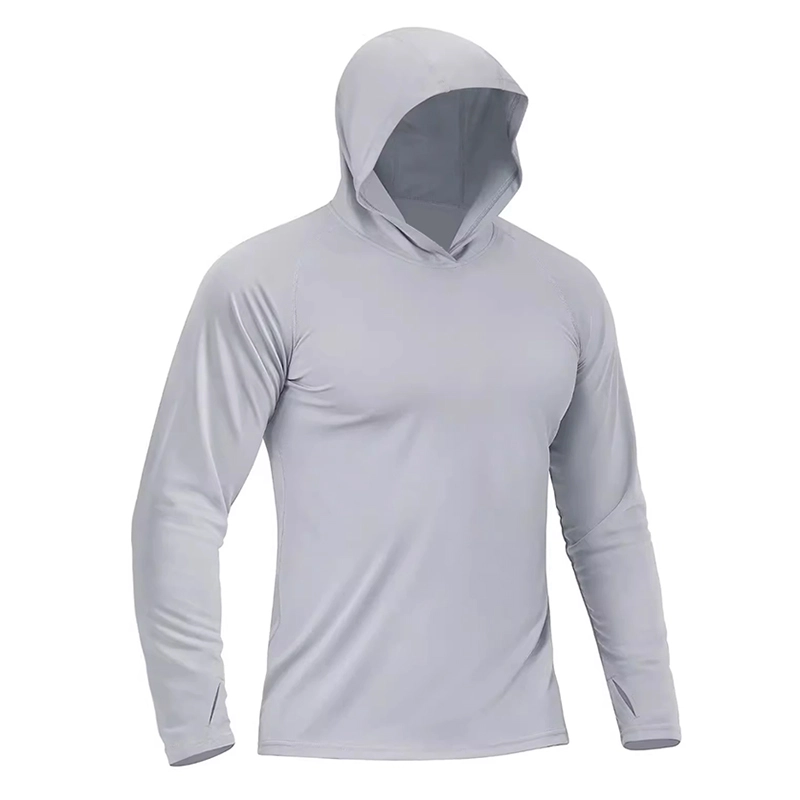
Cool Dry Sun Protective Clothing is better than both options because it is better designed all around. Actively lowering skin temperature, the moisture management system, and the built-in UV protection will always work. Technical fabrics made of synthetic materials don't fade, keep their shape after hundreds of washings, and need to be replaced less often. The performance advantage is especially clear in high-humidity areas where evaporative cooling is hard to do, which is exactly what happens when cotton fails completely.
Specialized Variants for Niche Requirements
For endurance sports and ultrarunning, where every gram counts, lightweight versions that weigh less than 100g/m² are available. These clothes give up some toughness in exchange for being easy to pack and lighter, but they still protect against UV rays and keep moisture away. The materials stretch in four directions, so they don't get in the way of lively movement.
Cool Dry Sun Protective Clothing that isn't wet has DWR (durable water resistance) processes that make water beads and roll off the surface. This is helpful in marine environments and water sports where full waterproofing isn't needed but protection from spray makes things more comfortable. The processes don't get in the way of the fabric's ability to breathe or remove sweat from the inside, so it still cools from the inside out.
Formulations for sensitive skin take into account both dermatitis issues and medical uses. These versions get rid of possible allergens, go through hypoallergenic testing, and get approvals for touch with skin that is already damaged. Flat-seam design keeps people from chafing who are getting chemotherapy or who have conditions that make them sensitive to light and need the most safety with the least amount of discomfort.
Procurement Guide for Global B2B Clients
Identifying Qualified Manufacturers
Qualified manufacturers should provide verified testing, including UV protection, moisture management, and durability after repeated washing. They should meet regional standards such as AS/NZS 4399, EN 13758, or US requirements. Production capacity is also essential, with Shenzhen Welston Garment Co., Ltd. demonstrating scalability through three factories, ten production lines, advanced equipment, and in-house customisation capabilities.
Understanding Lead Times and Minimums
Depending on the complexity and amount of the order, custom Cool Dry Sun Protective Clothing is usually made 30 to 45 days after the model is approved. Most of the time, the minimum order quantity is 100 pieces. This means that customisation is possible for test projects or smaller teams. When you buy more than 1,000 units, you can often get tiered pricing that lowers the cost per piece by a lot. Plan your procurement with enough lead time, taking into account sample development (7–10 days), revision cycles (if needed), and international shipping (2–4 weeks, depending on the destination).
Manufacturers and seasons affect how quickly they can make things. Peak times usually happen in early spring, when businesses are getting ready for outdoor work in the summer, which could make lead times longer. Building ties with suppliers before you need them gives you special access during times of high demand.
Customization Capabilities
Cool Dry Sun Protective Clothing can be fully customised to become brand assets, going beyond just adding a logo. Fabric choice should be based on the intended use. For example, heavier weights are better for durability in rough conditions, while lighter weights are better for athletic uses. Customising colours even includes Pantone matching for perfect brand alignment, but for custom dyeing, the minimum order quantity may go up.
Changes to the design include where and how the pockets are placed, the type of collar, the length of the sleeves, and the closing methods (buttons, zippers, or snaps). Some manufacturers let customers change patterns from base designs, which lets customers get unique looks without having to pay for full custom development. Customised packaging, like hang tags or poly bags with company logos, makes opening boxes for employee uniform programs more fun.
Quality Assurance Protocols
Quality assurance protocols protect procurement investments through pre-production testing, third-party inspections, and AQL sampling during manufacturing. UPF performance, moisture management, dimensional stability, colourfastness, and snag resistance are verified to ensure reliable quality. Testing standards, including low shrinkage after washing, help maintain garment appearance, durability, and professional performance throughout the product lifecycle.
Why Choose Welston for Your Cool Dry Sun Protective Clothing Needs
Three Decades of Technical Apparel Expertise
Shenzhen Welston Garment Co., Ltd. has 27 years of experience producing professional workwear and corporate uniforms since 1998. Serving global brands like Toyota, Panasonic, Mercedes-Benz, and Dell, we meet strict quality standards. Our design team combines fabric expertise and performance testing to create protective apparel that balances durability, comfort, and compliance across various industries.
Manufacturing Capability That Scales
With three factories and ten production lines, we can handle orders from small specialised projects to large corporate programs reliably. Advanced JUKI and SHINLING equipment ensures consistent quality, precise cutting, and maintained protective performance. In-house customisation services, including printing and heat transfer, improve efficiency, reduce lead times, strengthen quality control, and provide cost-effective solutions for customers.
Quality Control and Responsive Service
Our Cool Dry Sun Protective Clothing undergoes strict quality control, including fabric inspections, UPF testing, moisture management checks, and dimensional stability verification. We provide documentation to support compliance requirements. With a responsive after-sales team that replies within 24 hours, we offer effective solutions for reorders, sizing, and quality issues, building long-term partnerships beyond initial purchases.
Sustainable and Certified Options
We provide Cool Dry Sun Protective Clothing made from recycled polyester and eco-friendly materials, meeting OEKO-TEX Standard 100 requirements for safer production. These certified options support corporate sustainability goals in North American and European markets. With transparent sourcing and material documentation, we help companies meet environmental reporting needs while maintaining performance and quality standards.
Conclusion
Cool Dry Sun Protective Clothing is an important step forward in clothing and activewear because it uses modern textile engineering to solve the problems of UV protection, temperature management, and moisture control that are all linked. The technology has measurable benefits, such as lower total cost of ownership, better worker comfort and performance, and fewer health risks. These benefits make it worth investing in the technology in a wide range of fields, from construction to hospitality. B2B buyers can set up effective protective clothing programs by understanding the technical properties, spotting quality indicators, and choosing manufacturing partners who are skilled. As people become more aware of the risks of working in the sun and technology fabrics keep getting better, Cool Dry Sun Protective Clothing will go from being a niche product to an industry standard. Getting on board early will give you a competitive edge and protect your workers.
FAQ
1.Does UV protection decrease with repeated washing?
The answer is based on how safety is provided. Cool Dry Sun Protective Clothing with chemical coatings loses some of its UPF rating after about 20 washes because the treatments wear off. When high-end clothes are made, ceramic particles like titanium dioxide are woven into the fibre polymer. This gives the clothes constant safety that lasts their whole useful life. When looking at different providers, make sure you ask for proof of wash durability testing that shows UPF scores after 50 cycles. Quality manufacturers test their products thoroughly and give this information in a clear way, while manufacturers who use poor protection methods may not give specifics.
2.Can these fabrics provide cooling in high-humidity environments?
Yes, and this is one of the main reasons why it's better than other choices. When the humidity level gets close to 100%, evaporative cooling is very hard to do because the cotton just gets wet and stays wet. Cool Dry Sun Protective Clothing increases the amount of surface area that moisture can spread over, which forces it to evaporate even when conditions are tough. Also, good technical fabrics have materials in them that are thermally conductive. These materials move heat away from the skin through conduction, keeping you cool even when sweating slows down. This two-part method explains why workers in tropical and subtropical areas say their comfort is much better than with regular workwear.
3.What customization options work best for corporate branding?
The way a logo is applied should match how often the clothing is worn. Heat transfer works well for light-duty tasks and gives great clarity to logos with a lot of different colours. Embroidery lasts longer on work clothes that are washed in industrial facilities and worn in rough circumstances, but it can only be used on simpler patterns. Screen printing is a great way to get large logos that last longer at a lower cost. When you give uniforms to workers, you should think about more than just logos. You should also choose custom colours that match your brand's rules, add unique design elements like contrast piping or collar styles, and make hang tags or packaging that strengthen your brand's identity.
Partner with a Trusted Cool Dry Sun Protective Clothing Manufacturer
Welston is ready to help you buy Cool Dry Sun Protective Clothing. We have 30 years of professional experience, the ability to make more, and a strong commitment to quality. With minimum orders as low as 100 pieces, you can get unique clothing whether you're starting a test program or outfitting a whole company. You can experience the difference at Welston by asking for samples of our technical fabrics to see for yourself, talking to our design team about your specific needs, or getting a detailed quote that fits your procurement parameters. You can email us at [email protected] or go to welstongarments.com to learn more about our full line of Cool Dry Sun Protective Clothing. Let's work together to create a relationship that keeps your employees safe, boosts performance, and gives your business real value.
References
1. Wang, F., & Gao, C. (2018). Textiles for UV Protection: Properties and Performance Standards. Cambridge: Woodhead Publishing.
2. Holman, C.D., Gibson, I.M., & Stephenson, M. (2017). "Ultraviolet Radiation Protection in Outdoor Work Environments: Assessment and Intervention Strategies." Journal of Occupational Health and Safety, 33(4), 287-301.
3. Das, A., & Alagirusamy, R. (2020). Science in Clothing Comfort: Volume 1—Textile Science and Technology. New Delhi: Woodhead Publishing India.
4. American Association of Textile Chemists and Colorists. (2019). AATCC Technical Manual: Test Method 183—Transmittance or Blocking of Erythemally Weighted Ultraviolet Radiation through Fabrics. Research Triangle Park, NC: AATCC.
5. Parsons, K. (2014). Human Thermal Environments: The Effects of Hot, Moderate, and Cold Environments on Human Health, Comfort, and Performance (3rd ed.). Boca Raton: CRC Press.
6. Yoo, S., & Barker, R.L. (2005). "Moisture Management Properties of Heat-Resistant Workwear Fabrics: Effects of Hydrophilic Finishes and Hygroscopic Fiber Blends." Textile Research Journal, 75(12), 867-872.
We specialize in designing, producing, and selling corporate clothing. Mainly produces: industrial clothing, business uniforms, and work clothes for different companies.

About Welston Garments