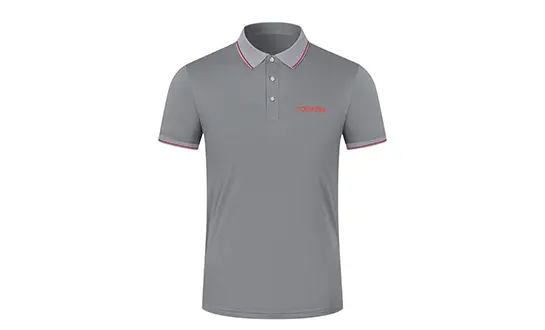
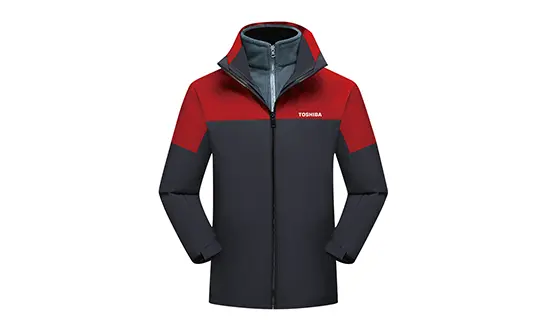
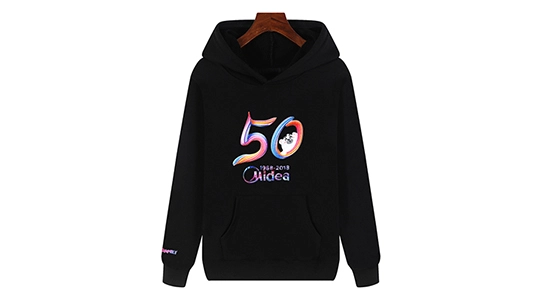
Custom Embroidered T-Shirt Explained
A Custom Embroidered T-Shirt is a garment that has been properly decorated with patterns sewn directly into the fabric using computerized embroidery tools. This makes for a three-dimensional and long-lasting branding option. Unlike surface-level printing, embroidery uses polyester or rayon threads to create a high-quality, textured finish that doesn't crack or fade even after many industrial laundering cycles. If a business is looking for long-lasting corporate clothing, Custom Embroidered T-Shirts are the best way to build brand recognition and make sure the clothes last longer than printed options.
What Are Custom Embroidered T-Shirts? Understanding the Basics
Good stitching may transform ordinary t-shirts into high-end marketing materials Understanding how this works may help procurement managers make sensible choices about where to spend in business clothes.
The Production Process: From Design to Finished Garment
Digitizing your image or artwork is the first step in making stitched clothing. Our team changes vector files into formats that computers can read so that they can tell where to place the stitches and move the needle. The digitization process chooses the thread colors, stitch density, and layering order so that your design looks clean and professional.
Once your image is digitized, it can be loaded into industrial sewing machines that have more than one needle position. On all 10 of our production lines, Welston uses Japanese JUKI and Taiwanese SHINLING tools to make sure the quality is the same whether you order 50 or 5,000. The machine sews your design, and a stabilizer backing keeps the fabric from puckering. This is a very important feature that makes the difference between beginner and professional work.
Popular Embroidery Styles and Fabric Selection
When you use different needlework methods, you get different results. Satin stitch creates full, smooth areas that are great for text and logos. 3D puff embroidery, on the other hand, adds a foam base for raised designs that stand out. For outlines and small details, running stitch works great.
The choice of fabric has a big effect on the end result. For the best stitching support, we suggest materials that weigh at least 180 GSM. Cotton mixes let air flow and are comfortable, so tech companies that put their teams in climate-controlled buildings love them. Polyester blends are good for outdoor tourism businesses in Australia's harsh environment because they wick away wetness. Our team helps clients choose the right fabric for their needs, whether they need it for Dell company outfits or promotional items for community events.
Benefits of Custom Embroidered T-Shirts for Businesses
Embroidered clothing has clear benefits that make the cost worth it for companies that care about quality and durability.
Unmatched Durability and Professional Appearance
Thread stitching lasts much longer than printed graphics, which will fade after hundreds of wash cycles. This kind of durability is crucial for business clothes worn daily. Companies like Toyota and Panasonic select embroidered clothes because the insignia stay on even after washing with harsh industrial detergents. This saves money over the life of the clothing.
The three-dimensional quality of embroidery makes people think more highly of a brand. When workers wear Custom Embroidered T-Shirts, the rough feel and clear skill send a professional message that flat prints can't. This effect of charging more is especially helpful in North America and Europe, where technology is big and company image has a big impact on customer trust.
Eco-Friendly Options and Brand Versatility
Companies in Europe and Southeast Asia that care about the environment like that embroidery makes less waste than screen printing, which needs a lot of ink to be thrown away. We have surfaces made from organic cotton and recycled polyester that are in line with CSR efforts and don't affect the quality of the stitching. Thread doesn't have any dangerous plastisols or VOCs, which supports your efforts to be environmentally friendly.
Embroidery is used for numerous forms of branding. Custom Embroidered T-Shirts look nice on hotel front desk personnel and automobile service facilities. Construction businesses prefer that embroidered names are visible even when clothing are soiled and in sun. This is especially true in the Middle East and Africa markets where difficult weather conditions and high UV levels mean clothes must be durable.
Good maintenance will prolong the life of your garments. Wash embroidered goods inside out in cold water so the thread will stay lustrous and not snag. If you don't dry things on high heat the cloth and thread won't shrink differently.
Custom Embroidered vs. Printed T-Shirts: Making the Right Choice
Depending on the needs of the project, procurement teams regularly look at different ways to decorate. Making smart choices is easier when you know what the trade-offs are.
Durability, Cost Analysis, and Production Timelines
Screen prints will fade out sooner, while the names embroidered will last longer. Embroidery lasts for a long time, which is beneficial for businesses that have to wash garments a lot, including vehicle maintenance, workshops and outdoor sports. Embroidery is more expensive per garment upfront, but it lasts longer so it doesn't need to be changed as often, lowering the overall cost of ownership.
Screen printing is better for big, colourful patterns where cost is more important than durability. Printing is often a cheap choice for election campaigns and short-term marketing events. Digital printing is great for getting picture details that you can't get with thread.
Production schedules are very different. Setting up screen printing means making screens for each colour, but once everything is ready, printing goes quickly. Digitization takes time for embroidery, but it works well after that. Welston can handle rush orders for both methods thanks to our well-established digitization library and 10 production lines. Depending on the amount and complexity of the order, bulk orders are usually finished within two to three weeks.
Use-Case Recommendations from B2B Buyers
For developer conferences, IT businesses commonly combine the two methods: embroidered logos for long-term impacts and printed event details for speed. NGOs working on sustainable development prefer sewn organic cotton garments that talk for what they stand for. Australia's tourism enterprises are asking for Custom Embroidered T-Shirts made of UV protection fabrics so the embroidery does not fade from being in the sun all day.
We are often told by procurement that embroidered business uniforms increase employee happiness and prevent concerns about logos coming off. When staff feel good about their appearance, they connect better with clients. This is a soft advantage that really impacts the business.
How to Choose the Best Custom Embroidered T-Shirt Supplier
Picking the right supplier is what makes a job successful. Key evaluation factors make sure you work with makers who can do the job.
Manufacturing Capabilities and Quality Certifications
Check the production ability before making a commitment. Welston has three plants with more than 580 trained workers. This gives them the ability to handle large orders without affecting delivery times. Japanese JUKI machines for precise stitching and Taiwanese SHINLING systems for stability show that we are committed to building a good infrastructure.
Quality marks are important. Look for suppliers who have strict rules for inspections. We check the accuracy of registration (how well the design lines up), the uniformity of stitch density, and finishing touches like jump-stitch trimming. Rejecting clothes that are puckering or have obvious thread tangles protects the image of your brand.
Responding to customer service requests is what sets great providers apart from average ones. Our dedicated after-sales team gets back to customers within 24 hours to address any issues, like changing where the logo is placed or fixing problems with the size. This responsiveness is very helpful when you have to meet tight deadlines for an event or make sure that uniforms are rolled out in many places.
Understanding MOQ Requirements and Pricing Structures
Each supplier has different minimum order amounts. Some makers have minimum orders of 500 pieces, which makes it hard for smaller businesses to be flexible. Welston's MOQ policies are flexible enough to meet the needs of all kinds of buyers, from small businesses that need 50 v-neck shirts to large companies that need 10,000 raglan sleeve Custom Embroidered T-Shirts for a product launch.
At a certain point, bulk pricing starts to make sense. The setup costs for embroidery are spread out over bigger orders, which lowers the price per piece by a large amount. We give clear prices that include the cost of fabric, digitization fees, and decoration fees per garment, which helps buying teams make accurate budget projections.
Differentiating between buying in bulk and buying in bulk has an effect on decision-making. When you buy in bulk, you can fully customize the cloth choice, colour matching, size distribution, and design placement to fit your exact needs. When you buy in bulk, the inventory is usually already designed. Serving companies like Benz, Panasonic, and Toshiba shows that we can handle complicated, one-of-a-kind needs.
Placing Your Order: Strategic Procurement Tips for Custom Embroidered T-Shirts
Ordering processes that work well cut down on delays and increase value. Strategic approaches improve the results of procurement.
Design Customization and Logo Placement Strategies
Careful planning of the design is needed for stitching to go well. When compared to rasterized images, vector files (AI and EPS forms) give better results. When stitched, text that is less than 5 mm tall can't be read, so make sure the fonts are the right size. Before production starts, our digitization team sends you proofs that show how your design will look on embroidery.
Placing a logo changes how it looks and how comfortable it is to wear. The left chest stance is still standard and businesslike. Sleeve embroidery is a gentle way to brand a clothing without making it look too busy. Back designs are great for team identification, but they need lower stitch density so they don't irritate the skin. This is an important thing to think about when we use comfort backing to make the inside smooth.
We offer full customization, not just stitching. Pick from more than 60 colours to make sure they perfectly match your brand's standards. You can either give us specific size requirements or use our size charts, which cover patterns for loose, casual, and slim fits. Pick elements like collar styles, hem widths, and cuff treatments that make your outfits stand out from others that look the same.
Managing Timelines and Sustainable Procurement
For tight schedules, information needs to be clear. Giving approved artwork and clear specs up front speeds up the production process. Our streamlined process keeps things moving along, even when we have to rush orders. It starts with digitizing and ends with quality inspection. We plan shipping processes so that they work with event times or standard deployment dates.
Sustainable purchasing is more than just choosing the right fabric. Ordering the right amount cuts down on waste caused by overproduction. Giving employees care training for their clothes makes them last longer, which means they don't have to be replaced as often. When you customize your packaging, you can choose eco-friendly choices instead of normal plastic bags.
Professional customer service during the whole buying process cuts down on problems. You can expect full confirmations of your orders, reports on the progress of your orders, and proactive notifications about possible delays. After the product is delivered, quick after-sales support takes care of any problems, like wrong sizes, small flaws, or requests for adjustments. Buying things from suppliers who care about your success as much as they care about their own turns purchases into strategic partnerships. We've been able to keep long-term ties with major brands in Asia, Europe, and the United States thanks to this partnership method.
Conclusion
Custom Embroidered T-Shirts are a real asset for businesses that care about sturdiness, professional look, and brand life. The stitching process makes high-quality clothes that can handle heavy use in the workplace and show customers and workers that the company values quality. Embroidery can be used to dress tech teams in North America, help with environmentally-friendly projects in Europe, or make durable work clothes for new markets. The best way to get the most out of procurement is to carefully choose suppliers, carefully prepare designs, and use efficient shopping methods. Knowing about the features of fabrics, embroidery methods, and how much things cost helps you make choices that balance quality with your budget and support your company's branding goals in all formal and informal settings.
FAQ
1.What are typical production lead times for embroidered orders?
After the design is approved, the normal time for production for large orders is two to three weeks. Digitization takes one to three business days, depending on how complicated the logo is. When you need something quickly, rush production can help. With faster handling, you can usually get it to you within 7–10 days. Shipping times depend on where the package is going. Orders within the United States usually get there in 5–7 days, while shipments to Asia–Pacific or Middle Eastern markets take 10–14 days. Suppliers can prioritize your order correctly if you are clear about when you need it by.
2.How should embroidered garments be cared for to preserve quality?
To keep the threads shiny and stop them from snagging, wash embroidered things inside out in cold water with light soap. If you want to protect your polyester threads from damage, don't use chlorine bleach. To keep fabric and embroidery from shrinking at different rates, tumble dry on low heat or dry on a drying rack. Instead of direct iron contact, steam pressing around embroidery areas keeps the roughness from becoming flat. These steps make clothes last longer—hundreds of washes—while keeping the brand looking sharp.
3.Can embroidery support eco-friendly corporate initiatives?
Of course. When compared to screen printing, embroidery has a much smaller effect on the earth. There are no dangerous plastisols or volatile chemical molecules in thread. Embroidery on certified organic cotton or recycled polyester fabrics makes clothes that are truly sustainable and in line with CSR goals. Because embroidered designs last longer, they don't need to be replaced as often, which helps with goals to reduce waste. Many organisations in Europe choose embroidered outfits as a way to show they care about the environment by making sturdy, well-thought-out work clothes.
Partner with Welston for Professional Custom Embroidered T-Shirt Solutions
As a reputable Custom Embroidered T-Shirt maker serving international names like Toyota, Dell, and Benz, Welston brings 27 years of experience. Our three factories and ten production lines make sure that the quality is the same for both small orders and large-scale deployments. We have flexible minimum order quantities, low bulk prices, and full customization, including choosing the fabric, matching the colours, making the garments the right size, and putting the designs where you want them. Our quick-to-respond team gives you quotes within 24 hours and helps you through the whole buying process. Get in touch with [email protected] to talk about your project and ask for samples that show how committed we are to quality.
References
1. Smith, J. & Anderson, R. (2021). Industrial Textile Decoration Methods: Comparative Analysis of Embroidery and Printing Technologies. Textile Industry Press.
2. Chen, L. (2020). Corporate Uniform Procurement Strategies for Global Enterprises. Business Apparel Publications.
3. Thompson, K. (2022). Sustainable Textile Production: Eco-Friendly Approaches in Commercial Garment Manufacturing. Environmental Fashion Institute.
4. Williams, M. (2019). Quality Control Standards in Contract Embroidery Operations. Manufacturing Excellence Journal.
5. Rodriguez, P. & Kim, S. (2023). B2B Apparel Sourcing: Best Practices for Procurement Managers. Supply Chain Publishing Group.
6. Davis, A. (2021). Thread Technology and Fabric Compatibility in Commercial Embroidery Applications. Technical Textiles Quarterly.
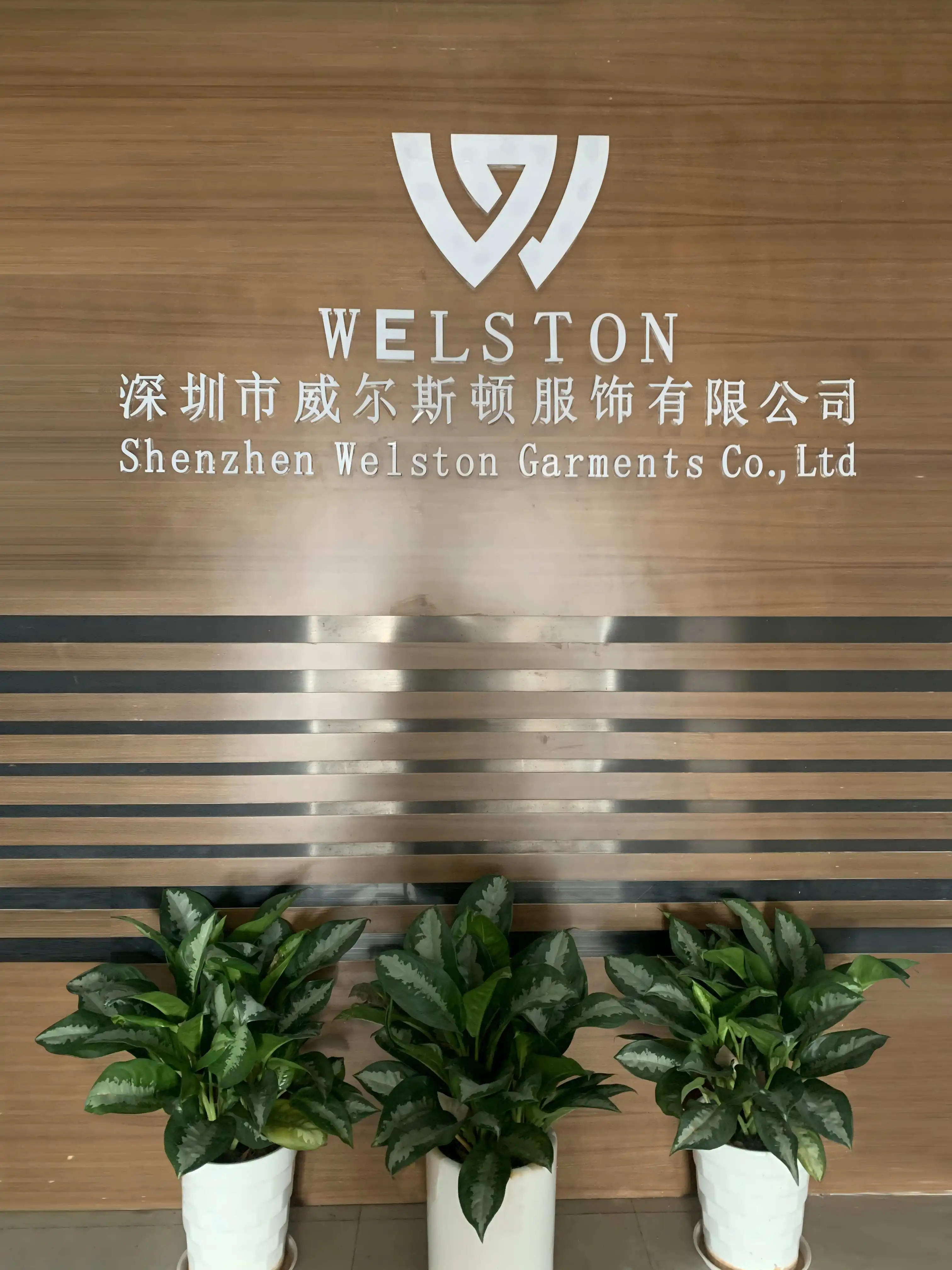
We specialize in designing, producing, and selling corporate clothing. Mainly produces: industrial clothing, business uniforms, and work clothes for different companies.
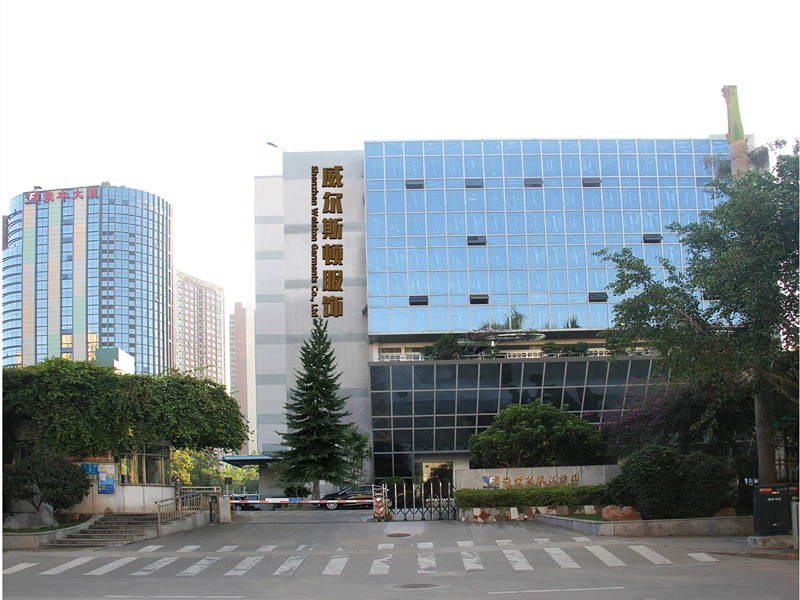
About Welston Garments