Durable high-visibility safety vests for outdoor utility worker
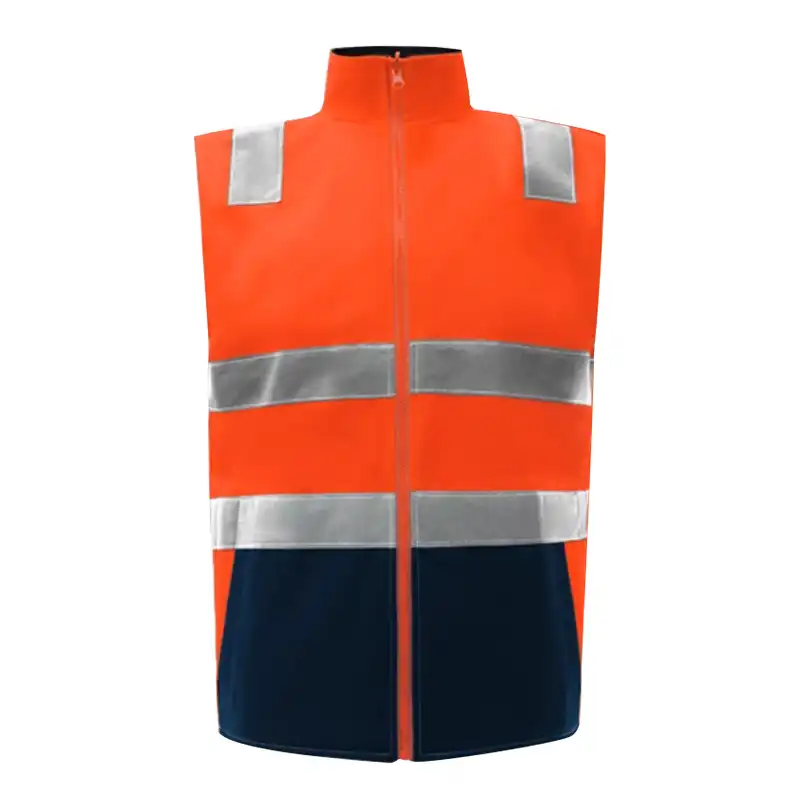
The High-Visibility Safety Vest is the only thing that can keep your workers safe when they're working near moving traffic or early in the morning with big machinery. These aren't just bright garments; they're engineered personal protective equipment that makes people identifiable from more than 1,200 feet away, giving drivers of cars and other machines valuable seconds to respond. For almost 30 years, Welston has learned what procurement managers, safety officers, and uniform coordinators across North America need to dress utility workers. Our vests combine fluorescent fabrics with precisely engineered retroreflective tape to meet ANSI/ISEA 107 standards, ensuring your team remains visible whether they're repairing power lines in rural Montana or maintaining pipelines in Texas heat.
Understanding High-Visibility Safety Vests for Outdoor Utility Workers
What Defines a Compliant Safety Vest
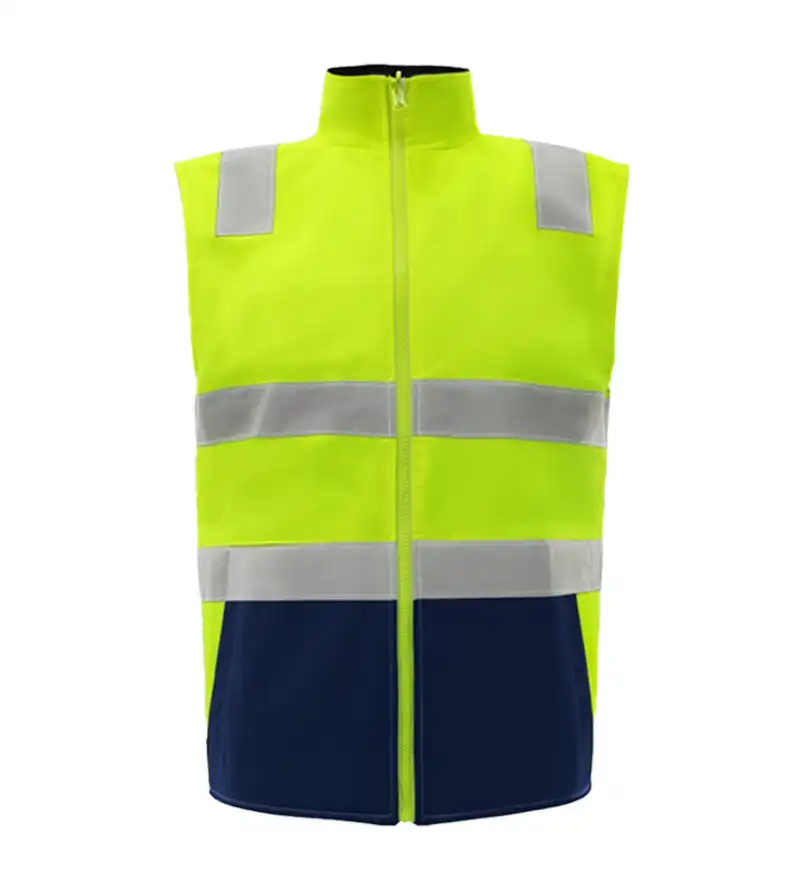
Two important technologies work together in a professional-grade High-Visibility Safety Vest. The fluorescent background material—typically polyester mesh or tricot—creates daytime contrast against asphalt, concrete, and vegetation. This isn't about being "bright"; the fabric must maintain specific chromaticity coordinates and luminance factors even after repeated sun exposure. The retroreflective tape does something completely different: it sends light right back to where it came from. This way, your worker can be seen in headlights during night shifts or foggy mornings.
We make vests that solve the biggest problem in the industry: being hit by an object, which causes a lot of deaths on the job in the building and services sectors. Unlike other safety apparel, our High-Visibility Safety Vests go through strict photometric testing to make sure they keep their visibility performance through 25 industrial wash cycles. This is what makes the difference between compliance paperwork and real-world reliability.
Regulatory Framework Every Buyer Must Know
Workers who are near moving vehicles or who are operating equipment in right-of-way work zones are required by OSHA to wear High-Visibility Safety Apparel. The ANSI/ISEA 107-2020 standard sets up three levels of efficiency. Class 2 vests require 775 square inches of background material and 201 square inches of retroreflective tape—suitable for utility workers in environments with traffic speeds below 50 mph. Class 3 vests demand significantly more coverage (1,240 square inches of background material, 310 square inches of retroreflective tape), typically requiring sleeves to create a full body silhouette for roadside utility work on highways.
A big detail that procurement teams often miss is that High-Visibility Safety Vests must have permanent labels that say what class they are. No matter how they look, garments that aren't labeled cause compliance gaps during checks. Welston puts labeling that is legal on every vest, which gets your company ready for inspections. Understanding these standards helps you match vest specifications to actual work scenarios rather than ordering based on cost alone.
Why Outdoor Utility Work Demands Specialized Vests
Utility workers face problems in the surroundings that go beyond just being able to see. Linemen climbing poles need High-Visibility Safety Vests that won't snag on tools yet provide full torso covering. When pipeline inspectors work in greenery, they need fabrics that won't tear easily and can handle brush touch without breaking retroreflective tape. Meter readers going between properties in residential areas need Class 2 protection with pocket configurations that support handheld devices and tools.
Extremes of temperature are very important. In the southern US, utility workers have to work in temperatures that are above 95°F in the summer. Standard fabric High-Visibility Safety Vests keep heat in, which makes workers take them off, which takes away all safety. Our mesh designs that wick away moisture allow air to flow while keeping the structure strong. Conversely, northern utility operations require vests worn over insulated jackets, necessitating adjustable side closures that accommodate layering without compromising the retroreflective band geometry that defines the human form to approaching drivers.
How to Choose Durable High-Visibility Safety Vests: A B2B Procurement Checklist
Defining Your Workforce Scenario
Before you look at High-Visibility Safety Vest specifications, make a plan of where you work. Roadside utility crews working state roads require Type R (roadway) Class 3 High-Visibility Safety Vests with sleeves and 360-degree retroreflection. Municipal water department workers who are in controlled work zones may be able to do their jobs well in Class 2 High-Visibility Safety Vests with breakaway ends that keep them from getting caught on valve systems. Substation workers need vests that layer over arc-rated clothes without blocking access to tool belts.
We suggest performing a hazard assessment recording traffic speeds, lighting conditions, background complexity, and equipment interaction points. This evaluation is the basis for matching vest features to real risk factors instead of choosing based on how it looks or the price that gets the lowest bid.
Material Science and Construction Quality
Three different types of materials need different building methods to make the High-Visibility Safety Vest last. The bright background cloth needs to be able to withstand UV degradation. Cheap polyester fades to pale yellow in just a few months, which means it doesn't meet ANSI luminance standards and is actually not compliant. Our fabric sources give us certificates that say their products are resistant to Xenon arc fade, which means that the colors will stay true even after long periods of sun exposure that are common in outdoor utility work.
Retroreflective tape technology requires a very important buying choice. If you rub glass bead tape or expose it to chemicals, it quickly loses its ability to reflect light back to you. Using cube corner optics, micro-prismatic tape keeps working well in tougher conditions and has better angularity, so it can be seen even when workers bend or turn. We use prismatic tape on the arm bands and lower body lines of the vest because they get the most wear.
Field lifespan is directly affected by seam construction. Bartack stitching at stress places keeps the seams from coming apart when workers crouch, climb, or reach over and over again. Mesh panels need ends that are finished so that they won't break after being washed in a machine. These details set High-Visibility Safety Vests that last more than one season apart from those that don't.
Comparing ANSI and EN Standards for International Operations
When businesses operate across countries, they face two main regulatory systems. The United States' ANSI/ISEA 107 defines High-Visibility Safety Vests by their level of performance and the way they are used. Europe's EN ISO 20471, which is being used more and more around the world, uses a three-class system based on the amount of material that can be seen. The standards are not exactly the same. For example, an ANSI Class 2 vest does not immediately meet EN ISO 20471 Class 2 requirements.
When combining procurement across North American and foreign businesses, it's important to understand these differences. Welston keeps dual certification, which means that the High-Visibility Safety Vests they make meet both guidelines. This makes it easier for you to source goods around the world while still making sure they meet local standards. This becomes especially useful for international utility contractors handling cross-border infrastructure projects needing consistent safety standards.
Top Durable High-Visibility Safety Vests in the Market: Features & Brand Insights
What Industry Leaders Offer
The High-Visibility Safety Vest market includes established names bringing specific improvements to utility uses. Companies like 3M use their history with retroreflective technology to make tape that lasts a very long time. The ergonomic features of Ergodyne include carefully placed open panels and stretchy side panels that let you move without riding up. Pyramex focuses on value engineering to meet ANSI standards at prices that are easy for large fleets to afford.
Honeywell offers workplace safety ecosystem integration through High-Visibility Safety Vests that match other PPE items by having the same size and being compatible with harness systems. Procurement experts use these names as a starting point for comparing other suppliers based on their performance and dependability.
Welston's Specialized Utility Vest Solution
Our High-Visibility Safety Vest line tackles gaps we've found through decades serving corporate apparel programs for North American outdoor workforces. Since we've outfitted utility teams for companies ranging from telecommunications to local services, we've learned about design details that big companies don't pay attention to. Our standard utility vest has an extended lower back panel that covers the lower torso when workers bend over or kneel, which is a typical position for workers to be in when they need to reach underground infrastructure and leaves the lower torso exposed in standard-length vests.
We use radio mic tabs and multiple tool pockets that are placed so that they don't get in the way of the retroreflective band geometry. This is an important feature when workers are carrying multimeters, voltage monitors, and communication devices. The hook-and-loop front closing can be adjusted to fit a wide range of body types without the need for a lot of different SKUs. This versatility is especially helpful for utility workers who have to deal with seasonal staff increases that make it hard to get the right size.
Customization Advantages for Bulk Orders
In utility operations, brand exposure serves two purposes: it shows which company is responsible for a job site with multiple contractors, and it supports the safety culture. Our customization choices include screen printing, heat transfer, and embroidery that doesn't affect the retroreflective performance—this is an important difference because putting the name in the wrong place can make it illegal by lowering the amount of background material that needs to be there.
Customization is possible even for area utility companies, as long as they order at least 100 pieces. We offer templated image placement that stays in line with ANSI standards. This takes away the guesswork that leads to custom orders being turned down. Our North American client base includes operations needing specific color combinations for role identification—supervisors in orange vests, technicians in yellow—facilitating quick recognition during emergency reaction situations.
Maintenance Tips to Maximize Durability and Reflectivity of High-Visibility Vests
Washing Protocols That Preserve Performance
How High-Visibility Safety Vests are laundered in factories has a huge effect on how long they last. Fabric softeners—commonly used in industrial laundry operations—coat fibers and retroreflective elements, degrading light return and possibly voiding compliance. We recommend using pH-neutral soaps and washing in cold water to keep fluorescent dyes stable and stop fabrics from breaking down too quickly. When you tumble dry things at low heat, the dimensions don't change, which stops retroreflective tape from coming apart.
Setting up separate PPE wash procedures from general uniform handling is helpful for companies that run their own laundry operations. This separation keeps petroleum-based soils, which are common in utility work and can stain fluorescent fabrics permanently, from mixing with other materials. After being washed, High-Visibility Safety Vests should be checked while they are still wet. Defects in retroreflective tape are easier to see when the tape is wet, so problems like splitting or cracking can be found early, before the vests are sent out into the field.
Inspection Standards and Replacement Timing
Every month, safety officers should do visual checks that focus on three types of failure. Fluorescent cloth that is fading, especially where the chest meets the underarms, which don't get as much sun, means that the end of life is near. If the cloth goes from a bright yellow-green to a pale yellow color, it's likely that its optical performance has dropped below the ANSI minimums. Cracked, peeled, or missing cube corner structures on retroreflective tape mean it doesn't reflect light back properly, which is especially dangerous when working at night.
Physical damage that needs to be replaced right away includes tears in the background fabric that are more than one inch long, seams that are coming apart, or closures that don't work. Photometric testing with a retroreflectometer should be done on high-use High-Visibility Safety Vests every six months. The coefficient of retroreflection should be measured to make sure the performance is above 330 cd/(lx·m²). This data-driven method takes the guesswork out of retirement choices, which supports safe program documents that can be defended.
Smart inventory management includes keeping track of when High-Visibility Safety Vests were issued and how many times they were washed. When used every day outside, utility vests usually reach the end of their useful life between 6 and 9 months, based on how harsh the environment is. Keeping enough alternative stock on hand—usually 15% of the size of the fleet—ensures that you can make a quick change without having to buy something expensive in an emergency.
Procurement Strategies for B2B Buyers: Ensuring Quality, Compliance & Cost Efficiency
Supplier Evaluation and Certification Verification
Effective procurement starts with validating seller claims through paperwork review. Ask for copies of real test results, not just promises that they are compliant, from photometric and colorimetric testing labs that are certified to ISO 17025 standards. These reports should give you specific information about the High-Visibility Safety Vest type you're buying, such as the background material luminance factors and the retroreflective tape coefficients at different entrance and viewing angles.
When handling seasonal changes in demand that are usual in utility operations, supplier production capacity is important. Welston runs three manufacturing sites with 10 dedicated production lines and over 580 workers, giving the extra capacity to complete bulk orders within compressed timelines without quality compromises. Our equipment, which includes Japanese JUKI and Taiwanese SHINLING cutting and sewing systems, makes sure that the quality of each production run is the same, which is very important when you have a lot of people who need to look the same.
Building Strategic Supplier Relationships
Cost efficiency is more than just unit price; it also includes the economics of ownership as a whole. Respondent after-sales help from suppliers makes it easier for administrators to handle size swaps or small quality issues. We promise to answer client questions 24 hours a day, 7 days a week, and to put you through dedicated account staff who know your program inside and out instead of general customer service lines.
Payment terms that are easy to work with and shipping choices that can be spread out help procurement cash flow match budget cycles. We don't require full inventory purchase up front; instead, we plan shipments to match yearly increases in staff. This method is especially helpful for utility companies that need to scale up their teams for projects like responding to storms or replacing structures that have set lengths of time.
Welston's Value Proposition for Utility Sectors
Utility companies that are in charge of worker safety programs have special problems when they need to buy things. They have to balance the need to follow the rules, their limited budgets, the different size needs of their workers, and the need to replace equipment quickly for operational reasons. Because of these facts, we've built our High-Visibility Safety Vest plans around them. Our customization services include applying logos in a way that is compliant with ANSI standards, offering a range of sizes to fit different body types, and providing different packaging choices to make field delivery easier.
We know what kind of paperwork is needed to support risk management and insurance programs because we've worked with big companies in the technology, automotive, and industrial sectors in Asia, Europe, and North America. Each box comes with compliance certificates and care instructions that can be used in safety introduction programs. This "turnkey" method cuts down on the paperwork that is usually needed to bring on new safety equipment sellers.
Conclusion
Outdoor utility workers must wear the right High-Visibility Safety Vest as a basic safety and compliance requirement that has a direct effect on incident rates and regulatory standing. To make the right choice, you need to know how ANSI performance classes, work area dangers, material durability characteristics, and upkeep procedures that keep safe performance throughout the garment's lifecycle all work together. Strategic buying balances unit economics with total ownership costs, which includes how often things need to be replaced, how much they can be customized, and how quickly suppliers can respond. Welston has been making professional uniforms for 30 years and takes that knowledge to utility sector visibility programs. He does this by mixing compliant product design with the production capacity and customer service infrastructure that large-scale operations need. Because we know the North American market so well, we can understand the specific problems that utility procurement workers face when they are in charge of safety programs in a variety of working settings.
FAQ
1.What ANSI Class rating do utility workers typically need?
The needed classification is based on the work environment, not the job title. When they work in street right-of-ways with traffic going over 50 mph or at night, utility workers usually need Class 3 High-Visibility Safety Vests with sleeves that cover the most and have the most protection. Workers in controlled entry areas like substations or municipal sites with set perimeters may function easily with Class 2 High-Visibility Safety Vests. The key determination factors include traffic speed, proximity to vehicle paths, complexity of the visual background, and lighting conditions during work hours.
2.How frequently should safety vests be replaced?
Replacement time relies on usage intensity and environmental exposure rather than set plans. High-Visibility Safety Vests in daily outdoor use showing obvious fading, retroreflective tape deterioration, or physical damage require instant retirement. Regular monthly checks should measure fluorescent color retention and tape durability. Because of how utility work is usually done, High-Visibility Safety Vests usually reach end-of-service between six to nine months. Organizations implementing photometric testing can make data-driven replacement decisions based on measured retroreflective performance degradation below compliance thresholds.
3.Can you apply company logos without affecting compliance?
When placed so that it doesn't cut down on the required square inches of background material and retroreflective tape set by ANSI classifications, logo application stays compliant. Usually, branding can go on the chest and upper back without affecting performance. Welston offers templated image positioning that is fully in line with ANSI standards. This makes sure that customized High-Visibility Safety Vests meet all legal requirements while also meeting goals for brand recognition and worker identification. If you plan your placement correctly during the design phase, you can avoid compliance problems after production that can make whole orders useless.
Partner With Welston for Compliant High-Visibility Safety Vest Solutions
Procurement choices affecting worker safety expect sellers combining manufacturing knowledge with responsive client service and compliance guarantee. With 27 years of corporate uniform expertise, Welston is your go-to High-Visibility Safety Vest manufacturer. Our three-factory production infrastructure supports bulk orders of 100 pieces or more, and we offer customization services such as adding logos, different sizes, and special features to meet the needs of utility work. We keep our ANSI/ISEA compliance certifications up to date and provide proof for your safety program checks. You can email Julia at [email protected] to talk about your specific utility workforce needs, get a sample evaluation, or get bulk pricing for your next procurement cycle. Our team comes up with useful solutions that meet the needs of utility operations while also meeting regulatory requirements, durability standards, and budget constraints.
References
1. American National Standards Institute. (2020). ANSI/ISEA 107-2020: American National Standard for High-Visibility Safety Apparel and Accessories. International Safety Equipment Association.
2. Bureau of Labor Statistics. (2022). Census of Fatal Occupational Injuries: Construction and Extraction Occupations. United States Department of Labor.
3. Controlled Environments Magazine. (2021). "Retroreflective Material Performance in Industrial Safety Applications." Industrial Safety Quarterly, 18(3), 45-62.
4. National Safety Council. (2023). Work Zone Safety: Best Practices for Visibility and Protection. Itasca, IL: National Safety Council Press.
5. Occupational Safety and Health Administration. (2021). OSHA Technical Manual: Section VIII Chapter 1 - High-Visibility Safety Apparel. United States Department of Labor.
6. Society of Automotive Engineers. (2019). "Photometric Performance Standards for Retroreflective Materials in Roadway Safety Applications." SAE International Journal of Transportation Safety, 7(2), 112-128.
We specialize in designing, producing, and selling corporate clothing. Mainly produces: industrial clothing, business uniforms, and work clothes for different companies.
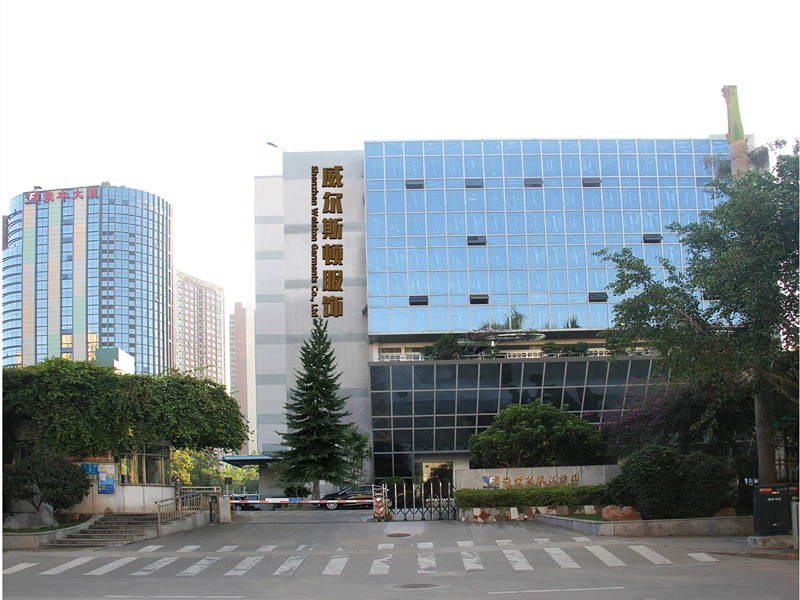
About Welston Garments