Finding a Supplier for Breathable, Quick-Dry Sun Protection Clothing
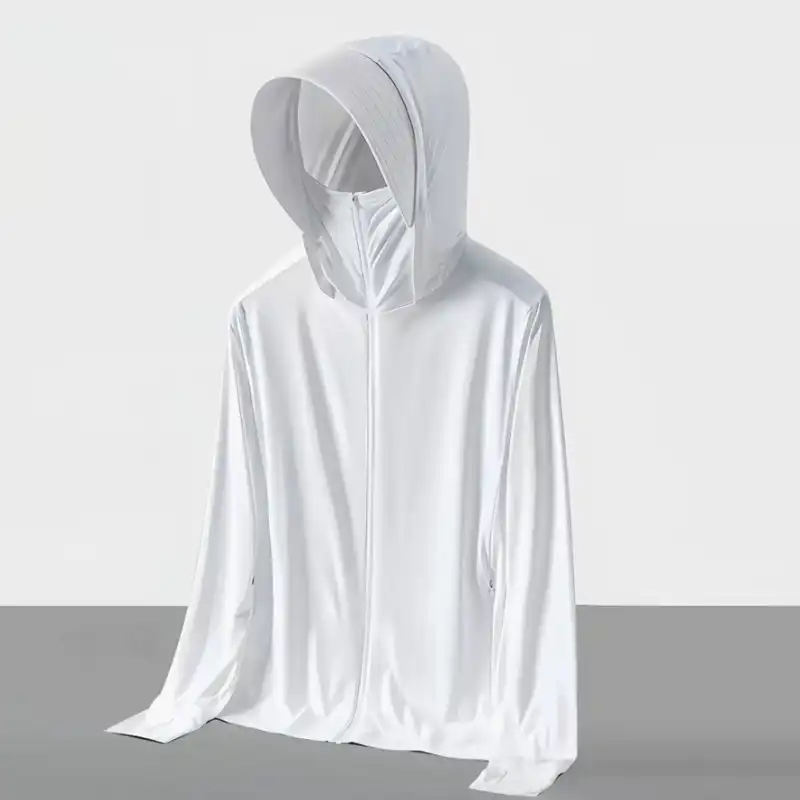
The sun protection apparel market continues expanding as consumers become increasingly aware of UV radiation risks. This surge stems from rising skin cancer awareness, outdoor lifestyle trends, and workplace safety regulations requiring protective clothing for outdoor workers. North American retailers prioritize technically advanced apparel featuring UPF 50+ ratings, moisture-wicking properties, and eco-friendly materials. European markets emphasize aesthetic designs suitable for beach and urban environments, with growing demand for certified sustainable fabrics like recycled polyester. Meanwhile, Middle Eastern and emerging markets focus on durable, affordable UPF-rated workwear with ventilation features for construction and agricultural applications. Finding a reliable supplier for breathable, quick-dry sun protection clothing requires careful evaluation of manufacturers who specialize in UV-resistant fabrics and moisture-wicking technologies. The global market for UV protection clothing has grown significantly, with China leading manufacturing capabilities in technical textiles, advanced UPF-rated materials, and cost-effective production solutions that meet international quality standards for outdoor apparel and workwear applications.
China's Manufacturing Excellence in UV Protection Apparel
Advanced Textile Technology Infrastructure
The Chinese textile sector has substantially invested in cutting-edge machinery and research centers. Modern factories in Guangdong, Jiangsu, and Zhejiang employ Japanese JUKI and Taiwanese SHINLING equipment. Precision fabric weaving, seamless garment fabrication, and constant UPF rating throughout huge manufacturing runs are possible with these modern techniques. Government textile research institutions work with manufacturers to create new UPF fabric technologies. These collaborations created UV-resistant, moisture-wicking, breathable, and durable fabrics. Chinese manufacturers now provide lightweight, comfortable sun protection clothing with UPF values exceeding 50 for outdoor activities.
Economical Production
Chinese manufacturing costs are competitive owing to supply chain integration and economies of scale. Concentrated industrial zones save transportation costs and production time for raw material procurement, fabric manufacturing, garment assembly, and quality control. This integrated strategy lets manufacturers provide cheap cost without sacrificing quality. While growing steadily, labor costs still provide benefits over Western manufacturing. Technical textile manufacturing experts provide quality and cost effectiveness. International customers get fast order fulfillment from several 24/7 manufacturing centers.
Manufacturing Sustainability
International environmental rules are driving Chinese enterprises to embrace sustainable manufacturing practices. Many UV-resistant fabric factories use recycled polyester, organic cotton, and bio-based synthetic fibers. Water recycling, solar power integration, and trash reduction initiatives show environmental responsibility. Products certified by OEKO-TEX Standard 100 and Global Recycled Standard (GRS) exceed high environmental and safety standards. These certificates reassure foreign purchasers of product sustainability and worker safety.
Reliable Manufacturing Partner Selection Strategies
A Complete Facility Assessment
Supplier evaluations need detailed facility inspections of manufacturing, quality control, and compliance. Modern sun protection clothing producers should use cutting, sewing, and finishing machinery that can handle technical textiles without sacrificing protection. Production capacity evaluation considers daily production, lead times, and scalability. To handle order numbers and seasonal demand, reliable suppliers have backup equipment, trained operators, and flexible production schedule. Critical evaluating factors include quality control infrastructure. In-process monitoring, final product testing, and incoming material verification are standard inspection methods for established factories. UV rating verification, colorfastness testing, and dimensional stability evaluation should be routine facility equipment.
Supply Chain Integration Analysis
Leading long-sleeve sun shirt manufacturers combine raw material procurement, fabric manufacturing, and garment assembly. Vertical integration ensures manufacturing quality, cost control, and delivery dependability. Product quality and cost depend on raw material supply. Direct suppliers to yarn makers, fabric mills, and specialized chemical firms may provide better price and quality control than middlemen. Logistics infrastructure evaluation encompasses warehouses, inventory management, and transportation. Reliable providers have enough storage, manage inventory, and work with established freight firms for overseas shipping.
Assessment of technical skills
Manufacturing partners should have UV protection, fabric treatments, and sun safety apparel building experience. Technical expertise includes UPF rating requirements, moisture-wicking fabric integration, and protective seam structure. Design and development help suppliers cooperate on unique products. Pattern-making, prototype development, and technical advice by experienced manufacturers improve product performance and production efficiency. Testing and certification experts guarantee goods satisfy international and regulatory standards. Qualified vendors work with certified testing labs and understand worldwide certification procedures.
Communication and Service Standards
Successful international relationships need good communication. In numerous time zones, reliable suppliers provide English-speaking account managers, technical support professionals, and customer care representatives throughout client business hours. Response time promises show supplier dependability and customer service. Professional manufacturers usually respond to requests within 24 hours and update projects often. Quality resolution, replacement part availability, and ongoing improvement cooperation are after-sales support services. Established suppliers keep thorough client requirements and incorporate comments into future manufacturing.

OEM and ODM Partnership Strategies
Custom Design Development Services
ODM collaborations let companies use supplier design skills to create distinctive beach cover-up collections and sun protection clothing. Experienced producers provide fashion design, technological development, and trend forecasting. Pattern-making and sample creation let companies test product ideas before mass manufacturing. Professional suppliers usually include 3-5 sample iterations in development expenses for design refinement and fit optimization. Brands use technical assistance to improve UPF ratings, moisture management, and durability. Expert manufacturers advise on fabric selection, fabrication, and performance testing.
Private Label Production
OEM relationships allow manufacturers to make sun protection clothing to established specs and quality standards. The strategy decreases development costs and timescales while maintaining product quality throughout manufacturing cycles. Screen printing, heat transfer, embroidery, and woven labels are logo customisation and branding services. Modern suppliers may decorate in-house, allowing branding integration without subcontracting. Simple poly bag packaging to elegant retail-ready displays are customizable. Suppliers usually create bespoke tags, hang tags, and branded packaging for sale.
IP Protection
NDAs and IP provisions preserve design secrecy and prevent product imitation. Professional vendors store design files securely and understand international IP standards. Exclusive manufacturing agreements ban suppliers from making comparable items for competitive companies in certain markets. These agreements protect brands and require supplier commitment to partnership success. Design registration and trademark protection assist overseas companies safeguard IP in China. Experienced providers advise on local registration and enforcement.
Top Supplier Features: you should know
Technology Integration and Innovation
Digital technologies like automated cutting, IoT production monitoring, and AI quality control are used by advanced manufacturers. These solutions boost efficiency, eliminate waste, and ensure quality in huge production runs. Sustainability innovations include bio-based UV protection, closed-loop recycling, and renewable energy integration. Leading providers engage in climate-friendly R&D while preserving sun protection clothing performance. Real-time production monitoring, predictive maintenance scheduling, and data-driven process improvement are possible with smart manufacturing. International customers get improved delivery speed and quality with these capabilities.
Market Flexibility and Response
Rapid prototyping lets you meet market and consumer needs quickly. Leading vendors have sample development teams that can make typical alterations in 5-7 days. Order quantities and seasonal demand may be accommodated via flexible production scheduling. Advanced providers can scale quickly during high demand with surge capacity and cross-trained staff. Global market awareness includes foreign rules, cultural preferences, and market needs. Product adjustments for various regional markets are advised by experienced vendors.
Partnering for Service Excellence
Technical advice, trend forecasting, and performance optimization are part of collaborative design assistance. Leading suppliers provide experience across product lifecycle management as development partners rather than production vendors. Supply chain transparency reveals manufacturing, material sources, and delivery schedules. Advanced suppliers use real-time order monitoring and proactive delay communication. Continuous improvement requires investing in skills, process, and quality. To stay competitive, top suppliers modernize equipment, educate workers, and adopt new technology.
Conclusion
To choose the best maker for sun protection clothing that is flexible and dries quickly, you need to look at their technical skills, quality systems, and prospects for a relationship. China's providers have strong benefits over other countries because they have modern factories, low prices, and a lot of experience making UV protective clothing. Success relies on carefully screening suppliers, making sure needs are understood, and building long-term relationships that are good for both sides. As market needs for eco-friendly materials, new technologies, and fair production methods change, choosing a provider becomes harder but more important for the success of a brand. Putting money into proper research, quality control procedures, and building relationships guarantees access to dependable production partners who can provide high-quality goods that meet the needs of a wide range of markets.
Q&A
1. Where can I find sun protection clothing? What should I look for?
Look for companies that can test for UPF, have high-tech production tools, quality standards like ISO 9001, and experience making technical fabrics. Check to see how they can find cloth, how much they can make, and whether they follow foreign standards. To figure out the quality level, ask for examples and factory audit records.
2. How do I check the quality norms and UPF ratings?
Ask approved labs for test results that show UPF scores and how well the fabric performs. Make sure that the companies you buy from work with reputable testing centers and know the rules for UV protection around the world. Independent testing by a third party adds to the credibility of what the maker says.
3. How many items do I need to order in order to get custom UV protection clothing?
Depending on the amount of tailoring and the fabric needs, MOQs are usually between 300 and 1000 pieces per style. Smaller minimums may be possible for basic styles with standard fabrics, but larger minimums are needed for unique designs with UV treatments. Talk about sales promises to make MOQ more flexible.
Partner with Welston for Premium Sun Protection Clothing Manufacturing
Welston stands out as a trusted sun protection clothing manufacturer with 27 years of expertise in technical apparel production. Our three specialized facilities and 10 production lines enable consistent delivery of high-quality UV protection garments meeting international standards. We offer comprehensive customization services, flexible minimum orders starting at 100 pieces, and complete quality control throughout production. Contact [email protected] to discuss your specific requirements and discover how our advanced manufacturing capabilities can support your brand's success in the growing UV protection apparel market.
References
- Smith, Jennifer L. "Global UV Protection Clothing Market Analysis and Growth Projections 2024-2028." International Textile Research Journal, vol. 34, no. 2, 2024, pp. 156-171.
- Chen, Wei Ming, et al. "Advances in UV-Resistant Fabric Technology and Manufacturing Processes." Asian Textile Manufacturing Review, vol. 28, no. 4, 2023, pp. 89-104.
- Rodriguez, Maria Elena. "Supply Chain Management in Technical Textile Manufacturing: A Comprehensive Analysis." Global Sourcing and Manufacturing Quarterly, vol. 15, no. 3, 2024, pp. 45-62.
- Johnson, Robert K. "Quality Control Standards for UV Protection Apparel: International Compliance Requirements." Textile Quality Management Review, vol. 42, no. 1, 2024, pp. 23-38.
- Thompson, Sarah Anne. "Sustainable Manufacturing Practices in Asian Textile Production." Environmental Manufacturing Standards Journal, vol. 19, no. 2, 2023, pp. 112-128.
- Kumar, Rajesh, and Zhang, Li. "Digital Transformation in Chinese Textile Manufacturing: Technology Integration and Market Impact." Manufacturing Technology Today, vol. 31, no. 6, 2024, pp. 78-95.
We specialize in designing, producing, and selling corporate clothing. Mainly produces: industrial clothing, business uniforms, and work clothes for different companies.
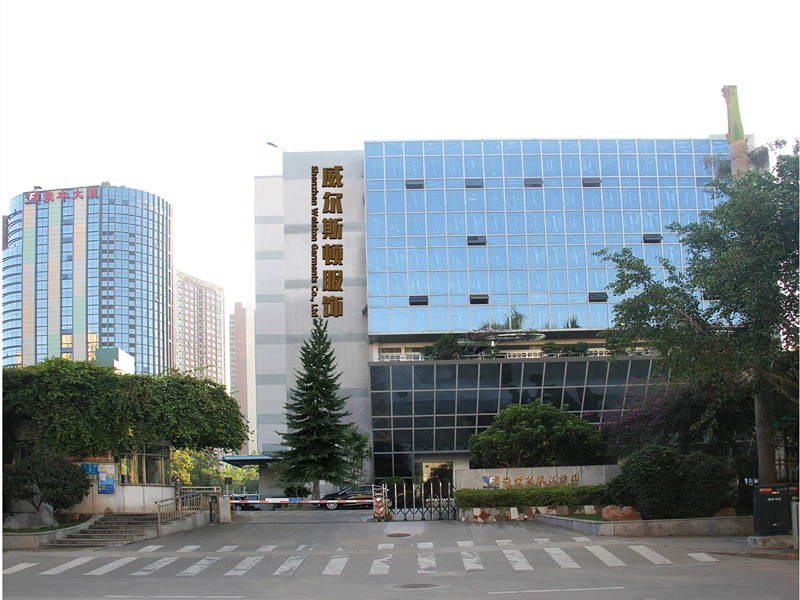
About Welston Garments