FR Hoodie Flame Resistant: Top Benefits Explained
A vital mid-layer garment designed to protect industrial workers from thermal dangers, the FR Hoodie stands out when talking about flame-resistant protective clothing. Unlike regular hoodies, which catch fire easily, these special clothes put out the flames themselves when they come in contact with them. This makes burn injury risks during arc flash or flash fire incidents much lower. The ability to fight fire comes from modern fabric technologies that use treated cotton, modacrylic blends, or aramid fibers that don't catch fire and don't melt. Electricity companies and oil plants use these hoodies to make sure they follow OSHA and NFPA rules. They also keep workers warm, allow them to move around easily, and protect them during shifts in dangerous settings when the weather changes.
Understanding FR Hoodies and Flame Resistance
What Makes Flame-Resistant Hoodies Different from Regular Workwear
Flame-resistant hoodies aren't just regular clothes that have a protective spray on them. The protection comes from either the fiber itself (where the flame resistance is built into the polymer structure) or from long-lasting chemical treatments that are put on cotton fabrics. This is an important difference because naturally woven fabrics retain their safety over time, while chemically treated fabrics need to be washed according to strict rules in order to keep their usefulness. Modacrylic blends and aramid fibers are great for businesses that want long-term dependability and fewer repair cycles because they naturally protect. The FR Hoodie ensures consistent protection levels.
Key Safety Standards Governing Flame-Resistant Apparel
Flame-resistant hoodies must meet strict performance standards in order to meet recognized safety standards. NFPA 70E sets standards for electrical workers who may be exposed to arc flash dangers, and ASTM F1506 checks arc thermal performance values (ATPV). For workplace heat safety, European markets depend on EN ISO 11612 certifications. These standards spell out the base levels of performance, how to test, and labeling rules that purchasing managers must check before making large orders. Clothing that doesn't have the right certification marks on it could put workers at risk in ways that aren't okay, and companies could be sued for damages.
Material Composition and Thermal Protection Mechanisms
The way the fabric is made has a direct effect on how well it protects. Arc values for modacrylic FR Hoodie cotton mixes are usually between 8 and 12 cal/cm², which is close to how soft and comfortable regular hoodies are. Options with more aramid fibers can get ratings above 20 cal/cm², making them ideal for higher-risk groups. When exposed to fire, the thermal protection makes a solid char layer that insulates the skin below and stops heat from moving. Synthetic materials that melt and give off severe touch burns work in a very different way.
Top Benefits of Wearing FR Hoodies in Industrial Environments
When you buy good flame-resistant hoodies, you get real benefits that go beyond meeting basic safety standards. Here are the main reasons why these clothes are necessary in dangerous places of work:
- Enhanced Worker Protection Against Thermal Hazards: The main benefit is avoiding burn injuries. During arc flashes or flash fires, regular clothing catches fire quickly, but materials that don't catch fire instantly put out the fire themselves. Industry safety studies show that this quick action can cut the severity of burns by up to 50%, giving workers crucial seconds to get out of danger zones. The layer of protection also keeps out the radiant heat that is common in petroleum plants and welding operations.
- Superior Comfort During Extended Shifts: Modern flame-resistant hoodies have moisture-wicking technologies and flexible fabric constructions that keep the body at the right temperature. When compared to standard fire coats, these clothes make workers less tired during 10-hour shifts. The ergonomic designs let you climb, bend, and reach freely, which are all important movements for electricians and repair workers. The ribbed cuffs and flexible hems keep cold air out while keeping the air gap needed for thermal protection.
- Cost Efficiency Through Extended Durability: Well-kept flame-resistant hoodies can last for years in tough industrial circumstances. The materials are better at protecting against wear and tear, chemicals, and abrasion than regular clothing. When companies buy these clothes in bulk, they don't have to change them as often, which means their yearly PPE costs are cheaper. Our FR Hoodie options are the result of 27 years of experience making them, and they last a very long time, even in tough places like car plants and building sites.
- Versatility Across Multiple Industrial Sectors: Flame-resistant hoodies are useful in a number of different situations because they can be used in different ways. During the winter, oil and gas workers wear them under their outer shells while digging. For arc flash safety, utility workers put them under rubber protective gear. They are used as normal cold-weather PPE in factories because they meet the needs for both thermal protection and movement. This ability to work across industries makes buying things and keeping track of goods easier for businesses with multiple locations.
These benefits all help safety managers with the most difficult things they have to deal with, like making sure they follow the rules while also getting workers to agree with them, keeping costs down, and making sure that security standards stay the same in all kinds of situations. When you put them together, flame-resistant hoodies go from being just a safety requirement to a smart safety purchase.
Material and Maintenance Insights for Optimal FR Hoodie Performance
Fabric Technology Options and How to Choose
Cotton-based flame-resistant hoodies, such as FR Hoodie, have been treated with phosphorus chemicals and are very comfortable, breathable, and don't cost too much. The process gets into the fibers and makes a barrier that is strong enough to last 50 to 100 industrial washing cycles if they are washed properly. Modacrylic mixes combine the comfort of cotton with flame protection that doesn't wash out, so they can be used in places that need to be cleaned often. Aramid fiber options offer the best safety in high-risk areas, but they usually cost 30 to 40 percent more than treated cotton choices. When buying an FR Hoodie, people should think about how dangerous they are for operations, how much money they have, and how long the clothes are supposed to last.
Important Maintenance Steps to Keep Flame Resistance
Proper washing has a direct effect on how well the protection works. Do not use chlorine bleach or fabric softeners. These chemicals remove flame-resistant processes and leave flammable remains on fibers. Wash protected clothing in water temperatures below 140°F and with mild soaps made just for that purpose. Instead of air drying, tumble dry on low heat. Air drying can leave behind soap residues that make protection less effective. Check clothes for old spots, torn seams, and faded certification marks every time you wash them. If a hoodie is showing a lot of wear, it should be thrown away because the fabric isn't protecting you as well from heat, even if the flame-resistant material looks fine.
Lifecycle Management and Indicators for Replacement
Set clear replacement rules based on signs of wear that can be seen and tracking of the wash cycle. Most makers say that chemically treated fabrics should be thrown away after 50 to 100 washes, but naturally woven fabrics may last a lot longer. Look for places where the fabric is getting thinner, especially at the elbows and shoulders, where it gets worn down by use. Check the usefulness of the hood's drawstrings and zippers. Broken ends leave gaps that let flames get in. Keep careful records of when you bought things and when they were issued so that you can renew your safety before it expires. Welston's quality control methods make sure that fabric weights and treatment applications are always the same.
Comparing FR Hoodies to Alternative Protective Gear
Flame-Resistant Hoodies Versus Traditional Fire Jackets
Extreme-hazard fire jackets have multiple layers of protection, thermal padding, and strengthened outer shells that can handle arc rates of more than 40 cal/cm². These heavy-duty clothes are good for specialized jobs like maintaining substations or entering confined spaces, but they aren't useful for everyday tasks that need to be done with movement and agility. Flame-resistant hoodies protect well enough against CAT 2 hazards and are 60% lighter than fire jackets. Workers say they are more likely to follow safety rules when they wear lighter protective clothing, which makes it less tempting to skip PPE during short jobs. The FR Hoodie is fine for normal electrical work, but heavier jackets are needed when switching on and off energized equipment.
Layering Strategies to Boost Arc Rating Performance
Putting on flame-resistant hoodies over approved base layers makes the whole method much safer. When worn together, a long-sleeved shirt with an 8-cal/cm² rating and a 10-cal/cm² jacket, the system rating can reach 18 cal/cm², which raises the level of safety from CAT 2 to CAT 3. This method of layering allows for adaptability to changing weather and risk factors during work shifts. Make sure that all of your layers have the right licenses, and don't mix non-compliant clothes that could lower your general safety. The air holes between the layers improve thermal insulation by providing a standoff distance that stops heat from transferring to the skin during hot events.
Specialized Features Enhancing Safety and Functionality
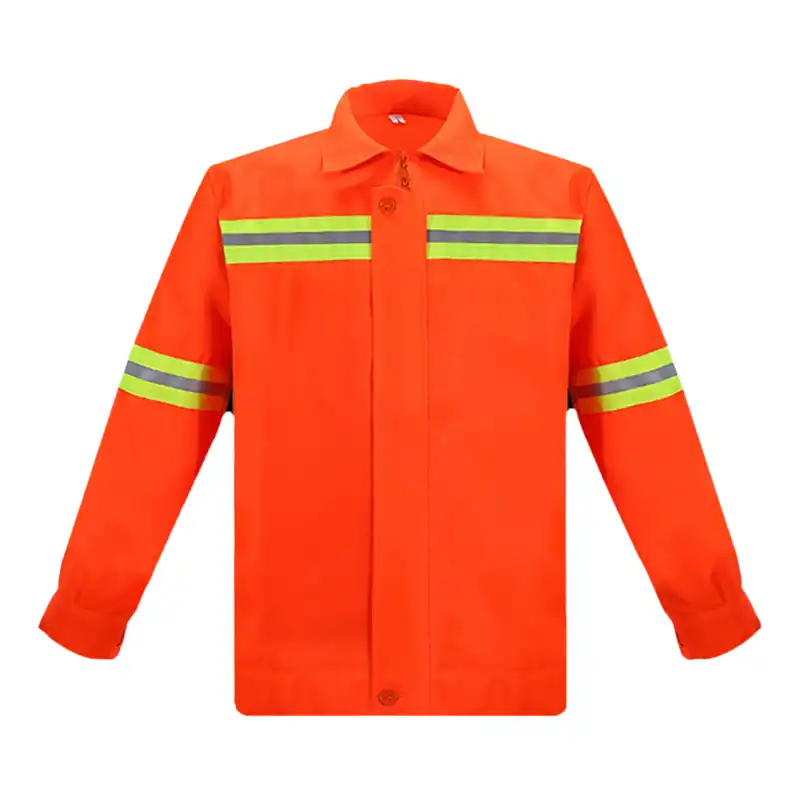
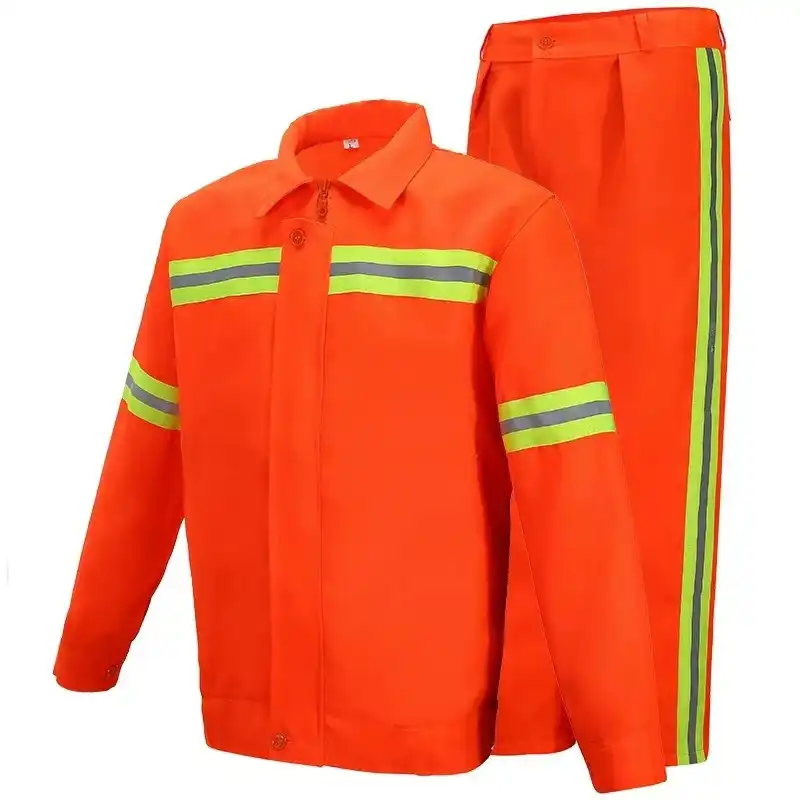
Advanced flame-resistant hoodies have high-visibility stripes that meet ANSI 107 standards. This is very important for workers who are near moving equipment or where there isn't a lot of light. Welston lets you make changes, like adding embroidered names or bright trim, and you can choose from different colors that stay true to your brand while still meeting safety standards. Moisture management technologies pull sweat away from the skin, which stops heat stress that makes workers less alert. Shoulder panels that are reinforced can hold tool belts and backpack bands without speeding up the wear on the fabric. With these additions, simple protection clothing becomes complete safety gear that workers actually want to wear.
Procurement Strategies for FR Hoodies in the B2B Market
Identifying Qualified Suppliers and Verifying Credentials
Consistent quality and dependable supply lines are ensured FR Hoodie by collaboration with reputable FR Hoodie makers. With three specialized plants and ten production lines, Welston Garments has been in business since 1998 and has the production capacity for big orders. Make sure that the suppliers you're considering have current ISO certifications for quality management and can give you test records from third-party, certified labs. Ask for fabric specification sheets that list the fiber content, how it was treated, and how well it should work in a wash cycle. Before contracts are finalized, suppliers should be clear about wait times, minimum order amounts, and the ability to make changes.
Balancing Compliance Requirements with Budget Constraints
North American wholesalers put a high value on following NFPA 70E and setting prices in bulk that make managing goods easier. European safety providers stress EN ISO standards and environmentally friendly production methods, which is in line with local environmental laws. Asia-Pacific businesses are looking for low-cost options that give them the freedom to change the size and placement of their logos. Welston meets all of these different needs by having flexible MOQs that start at 100 pieces and offering low prices for large orders. The company guarantees an answer within 24 hours and gives each account its own manager. This makes the buying process easier for people in different time zones and languages.
Customization Services That Are Worth More Than Just Basic Safety
Protective clothing can be used as a marketing tool when it comes to corporate branding. Company branding and area names that are embroidered help teams look professional and united. Color pairings that are easy to see can be changed to match current uniform programs while still meeting ANSI standards. Specialized size adjustments make sure that workers of all shapes and sizes are properly protected, which improves comfort and efficiency. Welston can handle complicated branding needs without having to wait for long lead times because they do their own screen printing, heat transfer, and stitching. These customization choices are especially helpful for businesses with multiple locations that want to keep the look of all of their locations consistent to support the company culture. Strategic buying looks at more than just the price of the original purchase. It also looks at the total cost of ownership. Even though they cost more per unit, clothes that last twice as long and still meet safety standards are a better deal. Suppliers you can trust with tried-and-true quality control methods lower the hidden costs of failed products, last-minute reorders, and worker injuries. Welston's strict inspection procedures and agreements with global brands like Toyota and Panasonic show that the company consistently delivers the quality that B2B buyers need for long-term supply relationships.
Conclusion
Flame-resistant hoodies are an important step forward in workplace protective clothing because they balance thermal protection with the comfort and movement that workers need during long shifts. The special fabrics, whether they are made of treated cotton or natural synthetic mixes, have self-extinguishing qualities that make burn injuries much less severe when they happen. Following the rules set by NFPA, ASTM, and EN ISO makes sure that these clothes meet strict performance standards tried in real-life danger situations. When you do strategic buying, you have to look at more than just prices when comparing suppliers, material methods, maintenance needs, and their abilities. Companies that buy good FR Hoodie solutions from well-known brands like Welston improve worker safety, make it easier to handle compliance, and save money in the long run.
FAQ
1. Do All Flame-Resistant Hoodies Provide the Same Level of Protection?
Protection levels are very different depending on the type of fabric and the arc rating approvals. Flame-resistant hoodies for beginners usually have ratings of 8 to 10 cal/cm², which is good for CAT 2 settings. More expensive ones with aramid fibers can have ratings above 20 cal/cm², which is better for higher danger categories. Don't just assume that all flame-resistant clothing offers the same level of protection; always check the ATPV number on the clothing and compare it to written workplace risk assessments. The FR Hoodie label will specify these ratings.
2. How Should Flame-Resistant Hoodies Be Laundered to Maintain Protection?
Wash your clothes at temperatures below 140°F and use mild soaps that don't have fabric softeners or chlorine bleach. Instead of letting it dry naturally, tumble dry on low heat. Do not put too much in the washing machine; this stops it from cleaning and rinsing properly. For large-scale operations, industrial laundry services that specialize in protective gear give the best results because they make sure that the clothes are treated consistently and that their flame-resistant qualities are kept even after 50 to 100 wash cycles.
3. Can Flame-Resistant Hoodies Replace Fire Jackets in All Industrial Applications?
Flame-resistant hoodies are good for everyday workplace jobs with known CAT 2 levels of danger because they offer enough protection while still letting you move around easily. Fire jackets are still needed in high-risk situations with live high-voltage equipment or when working in a confined area and needing arc ratings above 40 cal/cm². To find the right amount of safety, you should do thorough risk assessments instead of choosing clothes based only on price or comfort.
Partner with Welston for Certified Flame-Resistant Solutions
Welston Garments has been making flame-resistant clothing for almost 30 years and works with major industry companies in North America, Europe, and the Asia-Pacific region. Flame-resistant hoodies that meet NFPA 70E, ASTM F1506, and EN ISO 11612 standards are made in our state-of-the-art factories that have JUKI and SHINLING machines. As a reliable FR Hoodie provider, we offer a wide range of customization options, such as brand embroidery, high-visibility striping, and custom sizes, to meet the specific needs of your business. Email our purchasing agents at [email protected] to talk about prices for large orders, compliance paperwork, and custom solutions that protect your employees and reinforce your brand's image in workplace settings.
References
1. National Fire Protection Association. "NFPA 70E: Standard for Electrical Safety in the Workplace." Quincy: NFPA Publications, 2021.
2. ASTM International. "ASTM F1506: Standard Performance Specification for Flame Resistant and Arc Rated Textile Materials for Wearing Apparel for Use by Electrical Workers Exposed to Momentary Electric Arc and Related Thermal Hazards." West Conshohocken: ASTM Technical Standards, 2020.
3. International Organization for Standardization. "EN ISO 11612: Protective Clothing - Clothing to Protect Against Heat and Flame." Geneva: ISO Standards Catalogue, 2019.
4. Occupational Safety and Health Administration. "Personal Protective Equipment Standards for General Industry." Washington: U.S. Department of Labor, 2022.
5. Industrial Safety & Hygiene News. "Advances in Flame-Resistant Fabric Technologies for Industrial Applications." BNP Media Publications, 2023.
6. American Society of Safety Professionals. "PPE Selection and Maintenance Guidelines for Thermal Hazard Protection." Park Ridge: ASSP Technical Reports, 2022.
We specialize in designing, producing, and selling corporate clothing. Mainly produces: industrial clothing, business uniforms, and work clothes for different companies.
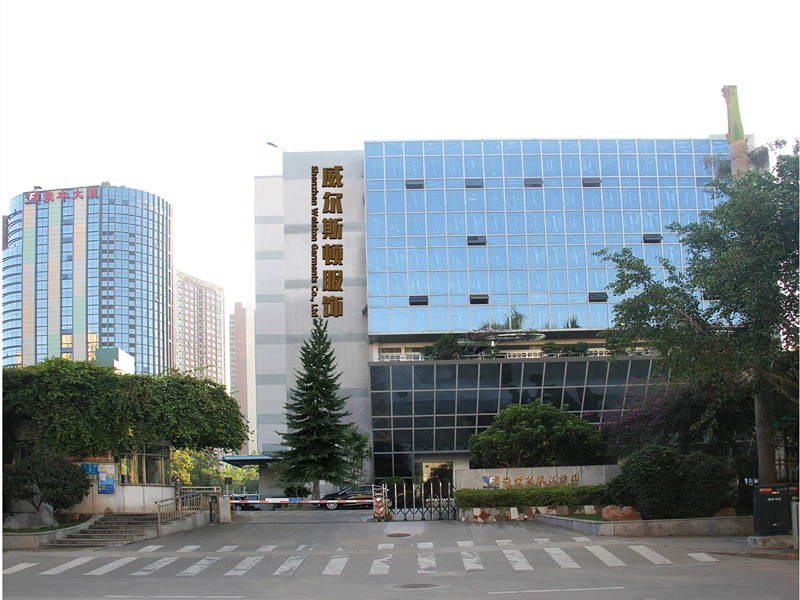
About Welston Garments