How Safety Workwear Ensures Worker Protection and Comfort in Winter?
Through superior thermal insulation, moisture control, and ergonomic design, safety clothing reduces winter workplace risks. Modern winter protective garments, including safety workwear, avoid cold stress injuries, frostbite, and lower productivity in outdoor industries by integrating several safety standards and retaining worker mobility. Strategically buying certified winter safety apparel protects against harsh temperatures and meets international safety standards.
Introduction
Understanding Winter Workplace Dangers
Winter poses particular safety hazards for workers in numerous industries. Cold stress can cause major health problems, and diminished dexterity increases accident risk. These threats must be identified for businesses to implement appropriate safety measures.
Safety Workwear Must Be Specialized
Winter operations require particular safety gear. This clothing keeps workers warm and productive. High-quality safety gear can improve worker well-being in tough winter months.
Choosing Winter Safety Gear
Procurement managers, engineers, and distributors help find winter safety gear. Consider protective requirements, ergonomic design, and new materials when evaluating possibilities. Businesses can keep operations running smoothly and protect personnel in winter with the correct solutions.
Understanding Winter Safety Workwear: Key Features and Standards
Winter safety gear protects against cold weather threats and meets strict industry safety standards. Thermal protection combined with industrial safety generates specific clothes that handle several danger issues.
Essential Performance Characteristics
Modern winter safety gear has numerous key elements that set it apart from regular clothing. Thermal insulation and moisture-wicking technology preserve core body temperature and prevent sweating. Breathable outer shells block wind and precipitation and allow vapor movement, preventing moisture retention and cold exposure.
Wind chill factors can greatly enhance cold stress concerns in outdoor work conditions, making wind resistance essential. Tightly woven outer textiles stop wind while allowing movement in quality safety gear. Adjustable closures, reinforced stress points, and articulated designs allow for complete occupational movement in these clothing.
Compliance with International Standards
Flame-resistant, high-visibility, and insulated harsh-condition gear are important. EN ISO and OSHA set safety and performance standards for building, electrical, and welding trades. Winter safety gear must meet thermal protection, visibility, flame resistance, and durability standards.
High-visibility ANSI/ISEA standards keep workers visible in winter low light. Class 2 and Class 3 clothing vary in visibility dependent on risk assessment and work environment. Flame-resistant winter clothes must meet NFPA 2112 criteria and preserve thermal qualities to safeguard electrical and petrochemical workers.
Advanced Material Technologies
Thinsulate insulation, moisture-wicking fabrics, and improved flame retardant treatments guarantee that winter safety gear is thermally protected and breathable for all-day wear in challenging conditions. Synthetic insulation materials work well when wet, addressing a major issue with traditional insulation methods.
Phase-change materials in moisture management systems absorb heat during high-activity periods and release it when activity levels drop. These smart materials provide comfort throughout the day regardless of job intensity.
How Winter Safety Workwear Protects Workers: Problem-Solving Approach?
Winter safety gear addresses cold stress, frostbite, and mobility issues through tailored design. Understanding cold exposure's physiological impacts helps procurement professionals choose appropriate protective measures for their work settings, including safety workwear that meets specific environmental challenges.
Addressing Cold-Related Health Risks
The body's sensitivity to cold produces cascading safety threats beyond discomfort. Low manual dexterity impacts tool handling and increases accident risk. Cognitive function diminishes with core body temperature, affecting decision-making and hazard awareness. Safety clothing reduces these dangers with intelligent insulation and ergonomic design.
Professional winter wear prioritizes extremity protection. Thermally protected, task-specific insulated gloves are dexterous. Insulated shoes with slip-resistant soles address thermal and traction safety. While retaining visibility and communication, head and neck protection systems reduce heat loss.
Industry-Specific Protection Requirements
In severe winter circumstances, standard workwear typically fails, raising danger risks peculiar to construction and welding, where temperature fluctuations and exposure to elements are common. Each sector has unique issues that demand more than thermal protection.
Indoor and outdoor temperatures vary greatly in manufacturing operations. Layering and ventilation are needed for safety gear in these areas since temperatures vary quickly. Workers switching between heated manufacturing facilities and cold loading docks require clothes that respond rapidly without compromising safety.
Construction and outdoor upkeep often endure extreme environments. This workforce needs protection from wind, rain, and cold while preserving flexibility for complicated manual activities.
Ergonomic Design and Mobility Considerations
Winter safety apparel should have thermal insulation, safety standards, ergonomic fit for free mobility, and durable, maintainable materials. Protecting without hindering movement is difficult.
Sleeves and legs are articulated to fit natural body dynamics and block heat. Strategic insulation placement protects important sections while minimizing bulk in high-mobility zones. Workers can customize garment fit for maximum comfort and protection with adjustable fit systems.
Real-world case studies show how choosing the right clothes may prevent injuries, increase comfort, and boost productivity. Comprehensive winter safety gear initiatives reduce cold-related injuries and promote worker happiness.
Comparing Winter Safety Workwear Options: Making Informed Procurement Decisions
Procurement experts can choose from reliable manufacturers offering flame resistance, visibility, and durability options. Understanding product category strengths and applications helps make operationally relevant purchasing decisions.
Quality Assessment Criteria
Long-term performance and value depend on numerous variables when assessing safety gear suppliers. Reliable collaborations are built on manufacturing, quality control, and certification. Advanced production facilities with Japanese JUKI and Taiwan SHINLING equipment show precision manufacturing and excellent output.
Number of manufacturing lines, staff size, and equipment sophistication indicate production capability. Companies with several manufacturing lines and hundreds of trained workers can manage enormous orders with quality. Screen printing, water-based coatings, and heat transfer production lines allow for extensive corporate branding and specialist customization.
Comparative Analysis Framework
Comparative investigation shows that flame-resistant or regular insulated clothing should be chosen based on sector needs, whereas reflective materials improve safety in low-light winter situations. Performance criteria, durability expectations, and long-term value propositions must be considered beyond initial cost.
Durability testing examines fabric weights, manufacturing methods, and component quality. Heavy-duty applications demand reinforced stress points, stronger stitching, and durable hardware that can endure industrial cleaning. Comfort elements including moisture-wicking linings, adjustable ventilation, and ergonomic shaping help workers comply.
For companies that need branded uniforms or customized configurations, customization affects buying decisions. The flexibility to include firm logos, change color schemes, and customize designs for specific uses boosts procurement contracts.
Cost-Benefit Analysis
Durable workwear with greater upfront costs frequently has a superior ROI because to its longer lifespan and fewer replacement cycles. The total cost of ownership must incorporate purchase price, maintenance, replacement frequency, and productivity.
High-quality safety workwear lasts longer and needs fewer replacements. The reduced administrative cost of regular reordering and constant worker protection justify larger initial investments. Employee satisfaction with comfortable, well-fitting clothes boosts compliance and lowers safety accidents.
Verified user input and performance reviews enable budget- and safety-aligned purchasing strategies. Successful procurement strategies clearly measure performance and routinely evaluate garment efficacy in real-world settings.
Practical Guide to Procuring Winter Safety Workwear for B2B Clients
Effective procurement starts with industry and worker function segmentation to address various construction, electrical, welding, and general labor needs. Each application has distinct issues that require customized solutions and performance.
Industry Segmentation and Requirements
Asia-Pacific manufacturing enterprises need cost-effective, high-quality solutions for big workforces. Standardized protective measures with limited role adaptations are possible in these circumstances due to regulated temperature changes and predictable exposure patterns.
European and American logistics businesses require approved, high-quality protective gear that meets safety standards and projects professional brand impressions. Sustainable materials and brand-compliant corporate uniform programs are popular in these areas.
Middle East and Africa activities focus on durable, climate-appropriate seasonal workwear for cold protection and culture. Value-oriented procurement techniques prioritize bulk purchase while protecting varied workplaces.
Supplier Evaluation and Selection
Supplier evaluation should include credentials, pricing, customisation, and delivery. Clear evaluation standards enable objective decision-making and consistent partner assessment.
Safety standard paperwork, quality management systems, and manufacturing process controls are reviewed for certification compliance. Suppliers should know safety standards and have target market certifications.
Beyond unit prices, pricing structure analysis includes volume discounts, customization fees, and service charges. Transparent pricing models enable realistic budget planning and supplier cost comparisons.
Procurement Strategy Implementation
Minimum numbers, fabric selections, logo customisation, and rental versus purchase models are considered in bulk ordering. Strategic procurement plans combine inventory management, volume price, and customization.
Reliable supplier networks with strong local and international support services ensure supply chain resiliency. Diversified supplier bases reduce risk and maintain competitive pricing and service.
Workwear procurement in comprehensive safety programs improves risk management and workplace compliance, making winter operations safer and more comfortable. This holistic approach ensures protective equipment meets safety goals and regulations.
Welston: Your Trusted Partner for Winter Safety Workwear Solutions
Welston's expertise in safety workwear manufacturing and delivery allows it to provide winter workplace solutions. Our holistic approach creates protective garments that suit different operational requirements using advanced manufacturing and industry knowledge.
Manufacturing Excellence and Capabilities
We prioritize quality and reliability in our production infrastructure. Three dedicated factories and ten production lines facilitate large-scale activities with strict quality control. With over 580 qualified manufacturing and outsourced staff, we can handle large orders and maintain product quality.
Precision production and garment construction are ensured by JUKI and SHINLING equipment. Our whole production method includes ironing, cutting, stitching, and specialized finishing. Screen printing, water-based application, and heat transfer production lines allow comprehensive corporate branding and specialty customization.
Our efficient, energetic, and competent team adds decades of experience to every project. Customers receive 24-hour response times and practical solutions from dedicated after-sales service staff.
Product Portfolio and Applications
We sell durable, flame-resistant, high-visibility, and insulated clothes that meet international safety standards. These clothing are used in business, automotive repair, manufacturing workshops, outdoor operations, building sites, and specialized tasks.
Our wide application range shows we understand industry and environmental needs. Our products cover all professional apparel demands, from office attire to industrial workwear for manufacturing.
Established ties with Panasonic, Mercedes-Benz, Dell, Toshiba, and Toyota illustrate our ability to fulfill the highest requirements of multinational organizations. These relationships demonstrate our dedication to quality, reliability, and client satisfaction across industries.
Customization and Service Excellence
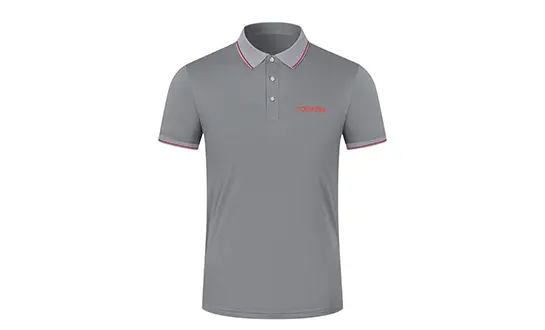
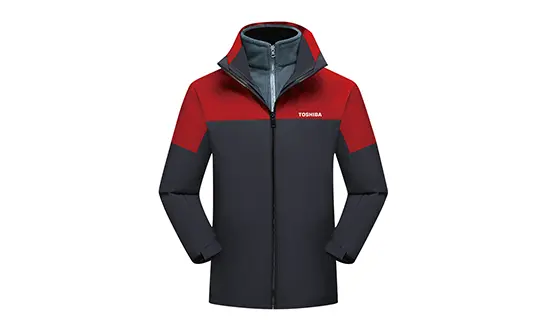
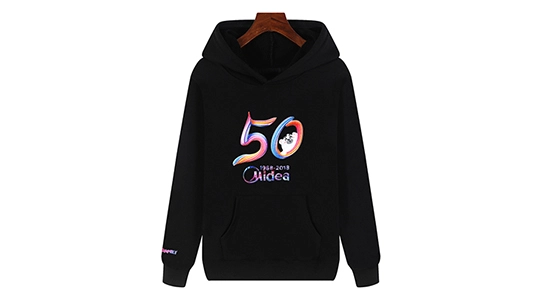
We customize branding and functionality to match customer needs, complemented by extensive servicing programs that increase safety. We offer embroidery, printing, and silicon seal customisation with logo placement and design changes.
S to 5XL sizes fit varied workforce demographics, and blue-gray, dark gray, yellow-navy, orange-navy, and red-navy colors meet business branding and visibility needs. Complete size, color, style, logo, and graphic customization is supported.
Our consulting, rapid delivery, and full after-sales support ensure clients receive complete service throughout the procurement lifecycle. This comprehensive strategy meets customer demands from consultation to support and service.
Conclusion
Winter safety gear is essential for personnel protection and operational continuity in harsh weather. Modern materials, ergonomic design, and international safety standards produce comprehensive protection systems that handle many danger aspects. Successful procurement methods emphasize durability, performance, and worker satisfaction to balance upfront costs and long-term benefits. In cold-weather operations, quality winter safety equipment reduces injuries, boosts productivity, and boosts morale.
FAQ
1. What safety standards should winter workwear meet?
Winter safety workwear should meet OSHA, ANSI/ISEA, and EN ISO requirements for the application and market. High-visibility and flame-resistant winter clothing must meet ANSI/ISEA 107 and NFPA 2112 requirements, respectively. EN 14058 provides European thermal protection apparel guidelines for chilly situations.
2. How does proper winter workwear improve productivity?
Proper winter safety gear keeps workers warm and mobile, preventing cold-related injuries and performance issues. Thermal management avoids cold stress-induced cognitive damage, while ergonomic design maintains manual dexterity for difficult tasks. Workers using winter gear have increased attendance and productivity in cold weather.
3. Can winter safety workwear be customized for specific industries?
Modern manufacturing allows corporate branding, color schemes, and industry-specific design changes. The customization possibilities include embroidery, printing, logo placement, and graphic applications that meet safety and corporate identification criteria. Advanced vendors provide practical and aesthetic customisation.
Partner with Welston for Premium Winter Safety Workwear Solutions
Welston offers complete safety workwear solutions that surpass industry standards, and winter weather needs outstanding protection. Our three-decade expertise in workwear manufacturing, combined with advanced production capabilities and global market experience, positions us as your ideal safety workwear supplier for challenging winter conditions. To discuss your unique needs and learn how our certified safety workwear may be customized to improve worker protection while enhancing your professional brand image, get in touch with our team at [email protected].
References
1. National Institute for Occupational Safety and Health. "Criteria for a Recommended Standard: Working in Cold Environments." Department of Health and Human Services Publication, 2019.
2. American National Standards Institute. "American National Standard for High-Visibility Safety Apparel and Headwear." ANSI/ISEA 107-2020 Standard.
3. European Committee for Standardization. "Protective Clothing - Garments for Protection Against Cool Environments." EN 14058:2017 Standard.
4. Occupational Safety and Health Administration. "Cold Stress Guide." United States Department of Labor Safety Guidelines, 2021.
5. International Organization for Standardization. "Ergonomics of the Thermal Environment - Assessment of Cold Stress." ISO 11079:2007 Standard.
6. National Fire Protection Association. "Standard on Flame-Resistant Garments for Protection of Industrial Personnel Against Short-Duration Thermal Exposures from Fire." NFPA 2112-2018 Edition.
We specialize in designing, producing, and selling corporate clothing. Mainly produces: industrial clothing, business uniforms, and work clothes for different companies.

About Welston Garments