How to Care for Cool Dry Sun Protective Clothing?
To know how to take care of Cool Dry Sun Protective Clothing, you need to understand how its special fabric technology works. With careful maintenance, the UPF ratings, moisture-wicking qualities and cooling functions that benefit busy individuals and outdoor workers are preserved. If you follow the manufacturer’s directions — wash garments gently at the optimum temperature, air dry them, don’t use fabric softeners, and store them properly — they will last longer, and their increased protective properties will be maintained. By taking these actions to care for your sunscreen, you can help to ensure that it works properly each and every time.
Understanding Cool Dry Sun Protective Clothing
What Makes These Garments Different
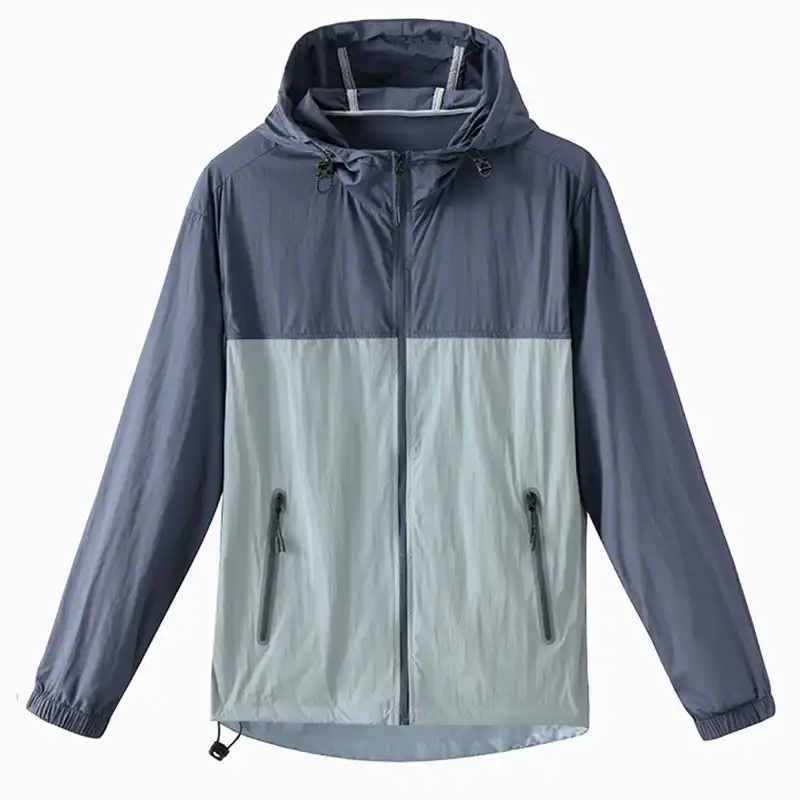
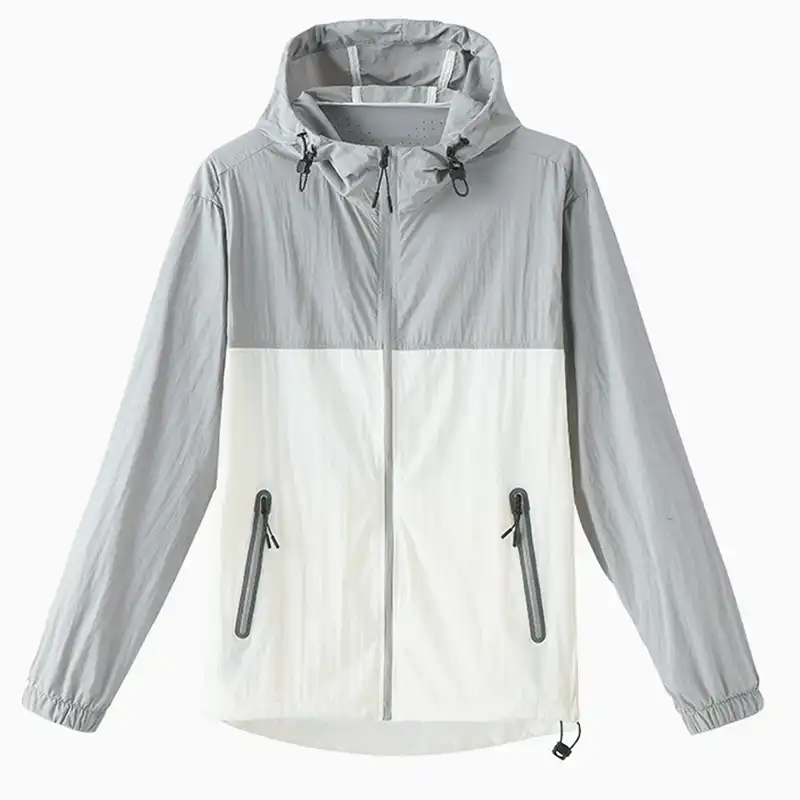
Cool Dry Sun Protective Clothing is different from other clothes because it uses advanced UPF-rated fabrics. These clothes use both UV-blocking technology and moisture-management systems made from changed polyester and nylon fibre structures. The fabric is made with special yarn cross-sections that make capillary channels that let sweat evaporate quickly while stopping UV rays that are dangerous. This two-in-one feature solves a problem that a lot of people who work outside have: staying safe without getting too hot.
The market in North America really likes these new technologies. Lifestyle and outdoor stores with stores all over the US know that construction workers in Arizona have different problems to solve than gardeners in Oregon. Good makers put ceramic particles, like titanium dioxide, right into the fibres of the fabric. This gives the fabric built-in UV protection that lasts for years of use and cleaning. This method is better than chemical coats that only last a short time and wear off after many washes.
Core Technologies Behind the Fabric
The cool dry gadget has three mechanisms built in that all function at the same time. Hydrophobic outer layers push moisture away from the skin, whereas hydrophilic interior layers draw perspiration away from the skin. Fibre constructions with grooves have a greater surface area, which increases the rate of evaporation even in wet situations. The thermal conductivity properties, which frequently contain small mineral particles, draw heat from the body providing workers that immediate cooling sensation they like during long shifts in the sun.
When procurement teams look at big orders, these technology specs matter. Knowing the properties of fabrics helps you choose clothes that are right for the job, whether you're building highways in Texas or farming in California's Central Valley.
Why Proper Care Matters for Cool Dry Sun Protective Clothing
How Improper Handling Damages Performance
Many organisations spend a lot of money on safety gear for their workers, but waste that investment by not taking care of it correctly. If you wash too forcefully, the fine fibre structures that transport water around break down. Dryers may get quite hot, which can melt or twist some yarns. This can limit the flow of air and the effectiveness of the cool down. What prevents Cool Dry Sun Protective Clothing from operating is the sticky residue left behind by fabric softeners, which clogs the microscopic channels essential for wicking.
Another concern is exposure to chemicals. Chlorine bleach will break down the polyester and nylon fibres at a molecular scale. This weakens the fabric and decreases its ability to filter UV rays. Even washing garments with good intentions can bring their UPF rating from 50+ to barely sufficient in a few months. Awareness of these shortcomings allows safety managers to establish the correct care methods.
The Cost of Neglecting Maintenance
Clothes that break too soon cost more than just the cost of replacement. Workers who don't have good sun protection are more likely to get sick, which could lead to medical claims and lost work time. It costs three to four times as much for a construction company to replace all of its uniforms after just one season because they weren't taken care of properly than for companies that do follow proper maintenance protocols.
Setting up standard processes for care saves both people and funds. When everyone, from site supervisors to laundry staff, knows how to handle clothes properly, clothes last a lot longer. With this method, protective clothing goes from being an ongoing cost to a manageable, predictable operational cost.
Step-by-Step Guide to Caring for Cool Dry Sun Protective Clothing
Washing Guidelines and Best Practices
In washing, temperature management is especially important. Cold or lukewarm water is beneficial for washing and maintaining the structure of the material. Temperature should not exceed 30 °C (86 °F). Technical fabrics are best cleaned using mild washes. Avoid soaps containing enzymes, optical brighteners or strong smells. Such additives may interfere with UV-protective capabilities or leave residues that make it more difficult for the cloth to remain wet.
Turn clothes inside out before cleaning to protect the surface from wear. Use gentle cycle settings and low agitation. If your washer allows, wash sun-protective apparel separately from heavier fabrics such as denim, or items with hooks and zippers that may snag fine fibres. These small upgrades will make it much easier to clean the machine.
Don't use bleach, fabric softeners, or dryer sheets on Cool Dry Sun Protective Clothing. These goods completely change the chemistry of fabrics by covering fibres with chemicals that stop the exact processes that make cooling and wicking work. It's not just "gentle" or "natural" forms that cause trouble. If clothes feel stiff after being washed, that means the technical fabric was well taken care of.
Drying Methods That Preserve Integrity
The best way to keep Cool Dry Sun Protective Clothing working well is to let it dry naturally. Clothes should be hung in well-ventilated, shady areas so they can dry naturally without being exposed to heat. This method keeps the fiber's ability to stretch, keep its shape, and keep its UV-blocking qualities. Because they naturally wick away wetness, most technical fabrics dry very quickly—often within hours.
If you need to dry things in a machine because of how things work, choose the lowest heat setting or the "air fluff" choice that doesn't use heat. Take off clothes while they are still a little wet to cut down on the time they are exposed to heat. Don't leave sun protection clothes in a hot dryer for long amounts of time; the heat will damage the synthetic fibres forever, making them shrink, stop breathing, and lose their UV protection.
Storage and Ironing Considerations
Keep clean, dry clothing in a cool, dark spot, away from direct sunlight. Long-term exposure to UV rays can damage down textile over time, even through windows. Make sure storage facilities have enough air circulation to avoid dampness and musty aromas. Hanging clothing on the correct hangers is a better way to preserve them in form than folding, particularly for those with specific design characteristics.
In general, it is preferable NOT to iron the Cool Dry Sun Protective Clothing. If you are looking to get rid of wrinkles, use the lowest temperature on the iron without steam and place a thin towel between the iron and the fabric. Most technical fabrics, however, don’t crease naturally, and any creasing tends to disappear as you wear them, as your body heat and movement relax the fibres.
Identifying Wear and Determining Replacement Timing
Checking clothes often helps you figure out when they need to be replaced. For cloth that is getting thinner, look for it in places that get a lot of stress, like the shoulders, elbows, and underarms. Wear that can be seen means that UV protection isn't working as well, since cloth density has a direct effect on UPF ratings. Losing colour may mean that the protective properties are breaking down, but good intrinsic security usually lasts longer than the obvious look.
Odours that remain after washing thoroughly suggest that bacteria have colonised the damaged fibre structures. If the perspiration doesn’t evaporate as fast, there’s an indication that the fabric’s moisture-wicking power has been compromised. Take care of your commercial-grade Cool Dry Sun Protective Clothing and most will last 50-80 wash cycles. But how long it lasts depends on how often you wear it and the temperature where you live.
Purchasing and Procurement Tips for Cool Dry Sun Protective Clothing
Evaluating Quality and Performance Standards
When making choices about purchases, it helps to know about approval standards. Look for clothes that have been tested according to the AATCC 183 or AS/NZS 4399 protocols. These protocols confirm UPF ratings through thorough lab testing. Quality makers test cloth after a simulated life-cycle washing to show that the protection lasts a long time. Ask for proof of the testing results after the wash. This openness sets apart trustworthy suppliers from those who make claims that can't be supported.
Durability of the fabric is just as important as its original UV protection. The stitch quality, zipper structure, and material weight should all be looked at. Better Cool Dry Sun Protective Clothing strikes a balance between being light and comfortable and being strong enough to handle the demands of the job. The AATCC 195 scores for moisture management give objective information about wicking speed and one-way transport capability, which are important factors that affect user comfort during long periods of time spent outdoors.
Comparing Value Propositions
Total cost of ownership is a better way to compare suppliers than starting prices, which vary a lot. Clothes that cost 20–30% more but last twice as long are a better deal. When comparing options, you should figure out how often they need to be replaced, how much care they need, and how consistently they work. Companies that want to save money often find that buying high-quality Cool Dry Sun Protective Clothing from well-known brands lowers their long-term costs.
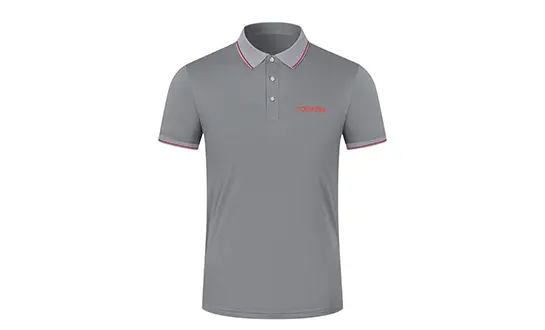
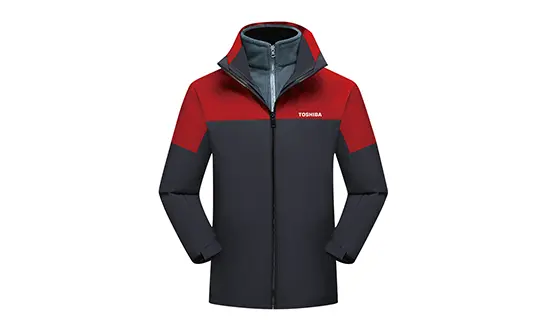
The company Shenzhen Welston Garment Co., Ltd. is a good example of a maker that combines quality with useful buying benefits. Welston has been in business since 1998 and has three factories with ten production lines. These companies use high-tech Japanese JUKI and Taiwanese SHINLING equipment. This system makes sure that the quality of large sales stays the same while still allowing for customisation. Our list of clients, which includes Panasonic, Benz, Dell, Toshiba, and Toyota, shows that we can meet strict company standards.
Customization and Bulk Order Considerations
Customisation options go beyond just adding a logo. Talk to the makers about specific performance standards. For example, do workers need better ventilation? Should clothes have parts that make them stand out? What size range works for the people who work for you? Good providers, like Welston, can handle orders as little as 100 pieces and offer full customisation, such as choosing the materials, designing graphics, and creating custom packages.
Building ties with dependable providers guarantees that products will always be available and that customers will get quick help. Look for manufacturers that have easy-to-use communication channels, clear pricing, and attainable production schedules. Companies that sell goods in North America should show that they know what people in that area want. More and more, people are buying technically advanced clothes with high UPF ratings, moisture-wicking qualities, and eco-friendly materials.
Maintaining Long-Term Value—Best Practices for B2B Clients
Integrating Care Protocols into Operations
Keeping records turns good ideas into regular actions. Write down care instructions that are in line with what the maker says, and then send them to everyone in your company. Care directions should be part of training new employees, safety training, and monthly review sessions. Workers are much more likely to follow rules when they know why certain actions are important, not just what to do.
Make it clear who is responsible for what. Whether you take care of uniforms yourself or hire a laundry service, make sure the people who work with the clothes have the right training. Commercial laundromats that are used to handling hotel sheets might not know how to handle advanced cloth needs. Give clear instructions and check the cleaning processes on a regular basis to make sure they are being followed. This oversight keeps employees who mean well from damaging expensive protective gear by accident.
Leveraging Supplier Partnerships
When quality makers send clothes, they see it as the start of a relationship with the customer, not the end. Welston's committed after-sales service staff answers questions from customers within 24 hours and helps with practical issues like care questions, size changes, or performance problems. This help is very helpful when dealing with problems that come up out of the blue or making existing garment care protocols work better.
Different sellers offer very different warranty terms. Make sure you understand the coverage before you buy: what defects are covered? How long does the coverage last? What kinds of paperwork are needed? Manufacturers with a good reputation stand behind their products and make fair adjustments when real quality problems occur. This confidence comes from high standards for manufacturing and good quality control.
Tracking Performance Metrics
Systematic tracking shows trends that help people decide what to buy next time. Keep an eye on how long clothes stay in good enough shape across departments, workplaces, and usage patterns. Write down the rate of repair, the most usual ways things break, and the total cost per wearing. This information helps figure out if care instructions need to be changed or if certain jobs call for more durable clothing standards.
Regular studies of performance also show when clothing technology has improved enough to warrant changes to the specifications. The Cool Dry Sun Protective Clothing on the market today is much better than what was offered even five years ago. By keeping up with new developments, you can make sure that your employees have the best security possible while keeping costs low.
Conclusion
If you take good care of your Cool Dry Sun Protective Clothing, the advanced technologies that make these clothes necessary for outdoor workers and busy people will last longer. Following the right steps for cleaning, drying, and storing clothes will make them last longer and keep their UPF protection, moisture-wicking properties, and cooling abilities. When companies set up standard care procedures, protective clothing goes from being an ongoing cost to an investment in the safety of their workers and the efficiency of their operations. Consistent performance is guaranteed by knowing about fabric technologies, choosing good manufacturers, and setting up strong maintenance plans. Whether these practices are used to outfit construction crews, farm workers, or people who work in outdoor recreation, they maximise value while providing reliable sun protection that protects health in tough environments. How well safety works and how well costs are managed are directly related to how much attention is paid to repair.
FAQ
1.Can I wash Cool Dry Sun Protective Clothing with regular laundry?
You can put things in the same load if they all need to be handled gently, but keep technical fabrics separate from rough materials like blankets, jeans, or things with hooks that could get caught. Run the washer on gentle cycles and cold water. The most important thing is to stay away from cloth softeners and strong chemicals that could damage performance features.
2.How long does Cool Dry Sun Protective Clothing typically last?
A garment's lifespan relies on how often it is worn, how it is cared for, and how good it was to begin with. If you wash and dry your premium clothes gently and keep them in good shape, they should protect you from UV rays for 50 to 80 wash cycles, which is often many years. Chemically handled options might break down after 20 washes. Thinning that can be seen, smells that won't go away, or less moisture-wicking are all signs that it's time to replace it.
3.What type of detergent works best?
The best results come from mild liquid cleansers made for technical or sports fabrics. Stay away from items that have enzymes, optical brighteners, bleach replacements, or strong scents. These additives don't work well with UV-protective processes and can leave behind leftovers that make it harder for the fabric to keep moisture in. Simple, mild formulas clean well without changing the special qualities of fabrics.
Partner with Welston for Premium Cool Dry Sun Protective Clothing Solutions
Welston makes high-quality Cool Dry Sun Protective Clothing and has been doing so for 27 years. Our three plants use high-tech Japanese and Taiwanese tools on ten production lines to meet strict quality standards. They work with well-known companies like Panasonic, Benz, and Toyota. We specialise in large customisation for business, industry, and industry, and our clothes have UPF 50+ ratings and the best cooling and moisture-wicking technologies. With a minimum order size of 100 pieces, our flexible material choices, brand integration, and custom packing can meet the needs of a wide range of organisations. We know what outdoor stores and lifestyle brands want when it comes to technical details because we are a trusted Cool Dry Sun Protective Clothing manufacturer in North America. You can talk to Julia about your purchasing needs by emailing [email protected] or visiting welstongarments.com. You can ask for detailed product specs, clear pricing, and reasonable production timelines. Our helpful customer service team will make sure that your employees get comfortable, long-lasting, and effective sun protection.
References
1. American Association of Textile Chemists and Colorists, "Standard Test Method for UV-Transmittance and Blocking of Fabrics," Technical Manual AATCC 183, 2020.
2. Gambichler, T., Altmeyer, P., and Hoffmann, K., "Role of Clothes in Sun Protection," Recent Results in Cancer Research, Volume 160, 2002.
3. Standards Australia/Standards New Zealand, "Sun Protective Clothing—Evaluation and Classification," AS/NZS 4399:2017.
4. Reinertsen, R.E., and Faerevik, H., "Effects of Moisture-Wicking Properties on Thermal Comfort in Different Clothing Systems," International Journal of Occupational Safety and Ergonomics, Volume 24, Issue 3, 2018.
5. Workplace Safety and Health Council, "Guidelines on Outdoor Work for Prevention of Heat-Related Illness," Ministry of Manpower, Singapore, 2021.
6. Wang, F., Gao, C., Kuklane, K., and Holmér, I., "Effects of Various Protective Clothing and Cooling Systems on Physiological Strain under High Ambient Temperature," Journal of Thermal Biology, Volume 37, Issue 8, 2012.
We specialize in designing, producing, and selling corporate clothing. Mainly produces: industrial clothing, business uniforms, and work clothes for different companies.

About Welston Garments