How to Choose the Right Outdoor Coat for Cold Weather?
In order to keep their employees safe and productive, procurement professionals must weigh usefulness, durability, and affordability when choosing an outdoor coat for cold weather. Advanced insulation, weatherproofing, and ergonomic design make outdoor coats the best protection against adverse weather. Understanding the important differences between coat types, materials, and features helps decision-makers improve employee safety, operational efficiency, and long-term investment value across diverse industrial applications.
Understanding Outdoor Coats and Their Benefits
Outdoor coats are designed to resist extreme weather while preserving comfort and movement. These jackets address the special problems of professionals working in cold conditions with multi-layered construction, sophisticated fabric technologies, and strategic design aspects.
Enhanced Protection Against Environmental Hazards
Comprehensive protection is the main benefit of premium outdoor clothing. Advanced insulation technologies like synthetic fibers and down replacements keep these clothes warm in sub-zero temperatures. Waterproof and windproof membranes on the outer shell keep moisture out and let internal vapor escape, providing a comfortable microclimate.
Modern outdoor coats use permeable fabrics to manage temperature throughout different activities. This function is useful for logistics, construction, and industrial workers whose physical demands vary throughout the day. Thermal regulation and moisture control maintain comfort and performance in difficult conditions.
Operational Efficiency and Worker Productivity
Investing in good cold-weather clothing improves operations. When wearing proper thermal protection, workers have better concentration, less fatigue, and better manual dexterity. This performance improvement boosts task completion, quality, and workplace safety.
Professional outdoor coats are ergonomically designed for freedom of mobility and protection. Protective apparel with articulated sleeves, adjustable hems, and ventilation zones improves job performance. In operating contexts where precision and agility are crucial, these design considerations are crucial.
Critical Factors to Consider When Choosing an Outdoor Coat
Choosing the best outdoor coat involves a thorough scientific and practical assessment. Procurement experts must evaluate performance factors to guarantee their solution meets operational and environmental needs.
Material Selection and Performance Characteristics
The fabric composition determines an outdoor coat's durability and protection. Water and wind resistance are great in polyester and nylon mixes, which are affordable for bulk purchases. These materials perform well across temperatures and last long in industrial application.
Advanced fabric treatments protect base materials. Durable water repellent coatings, strengthened seams, and anti-abrasion finishes prolong garment life and performance. To ensure long-term value, consider tear resistance, colorfastness, and upkeep when choosing materials.
Insulation Technologies and Thermal Management
Modern insulation systems use different thermal control methods, each with advantages for specialized purposes. Artificial insulation materials retain warmth even in damp situations, making them excellent for humid workplaces. These materials also last longer and retain their loft after multiple washings.
Layer-compatible designs let users adapt thermal protection for different activities and situations. Modular structure, removable liner systems, and adjustable ventilation allow modification for different environments. Organizations with multiple areas or seasonal differences benefit from this flexibility.
Functional Design Elements
Functional element placement greatly affects user happiness and operational efficiency. Essential tools and equipment must fit in pockets that are accessible while work. Under harsh situations, reinforced shoulders, elbows, and pocket edges prolong garment life.
Hood design is important for outdoor employment. Adjustable hoods with peripheral vision optimization protect without compromising situational awareness. Compatibility with safety gear including hard hats and communication devices must be considered during choosing.
Comparison of Outdoor Coats: Making an Informed Decision
Understanding the differences between outdoor coat categories helps procurement teams choose solutions that meet their operational needs. Specific coat types thrive in certain settings and uses, making educated comparisons crucial for buying decisions.
Three-in-One Systems Versus Single-Layer Solutions
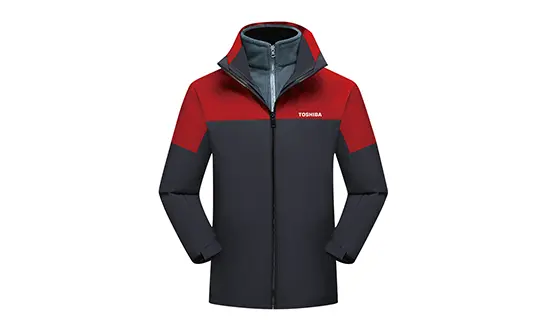
Multi-component coat systems with replaceable liners are versatile. The winter three-in-one jacket has a removable polar fleece inner for temperature versatility. This design lets users wear the shell alone in mild weather, the liner indoors, or the whole assembly for full protection.
Single-layer solutions value performance above adaptability. Insulated work jackets retain heat and are durable, while windbreakers are breathable and packable for active use. Understanding adaptability and specific performance trade-offs helps choose based on primary usage situations.
Performance Optimization for Specific Applications
Different industries and workplaces benefit from customized coats. Logistics and transportation value mobility and weather protection, whereas construction and manufacturing require durability and visibility. Recognizing these needs ensures purchase selections meet workplace needs.
Its professional appearance and effective performance make the plaid hooded jacket ideal for client-facing outdoor roles. This style category meets the increased demand for corporate image-preserving weatherproof clothing.
Regional Considerations and Market Trends
Market preferences vary widely by region due to climate and culture. European buyers favor sustainability and technical innovation, while North Americans prefer durability and value. Asian Pacific areas prioritize cost-effectiveness and fast delivery while choosing and buying products.
Understanding regional preferences improves supplier relationships and product customization. Multi-market companies benefit from suppliers who can meet varied needs while preserving quality.
Procurement Considerations: How to Source and Purchase Outdoor Coats
Strategic planning and supplier research are needed to buy outdoor coats. While meeting delivery deadlines and providing complete support, organizations must balance cost and quality.
Supplier Evaluation and Quality Assurance
Through quality control and extensive testing, reliable providers function consistently. Production capacity, equipment capabilities, and quality certification should be assessed. Manufacturers with automated cutting and sewing systems are more consistent and efficient.
Delivery times and costs depend on location and logistics. Suppliers with established distribution networks and inventory management systems can meet urgent needs and give more predictable delivery times. Consider vendors who keep enough stock to meet short turnaround needs without sacrificing quality.
Customization Capabilities and Brand Integration
Many companies need outdoor coats with company logos, color schemes, or functional changes. Brand-conscious companies benefit from suppliers offering embroidery, printing, and logo application. Customized items have 100-piece minimum order quantities, making bulk ordering affordable.
Customized products should undergo sample clearance to match expectations. Simplified sampling and communication methods reduce development time and production issues for suppliers. Consider vendors with precise technical drawings and material specifications for informed decision-making.
Cost Management and Volume Pricing
Understanding price structures and volume discounts improves budgeting and cost efficiency. Tiered pricing from suppliers offers significant savings for greater purchase quantities. Negotiating payment and delivery terms can boost value.
Long-term supply agreements may stabilize prices and favor urgent orders. These agreements ensure stable commercial partnerships and revenue streams for both sides. Consider providers who are flexible in contract conditions and willing to adapt.
Outdoor Coat Care and Long-Term Value
Outdoor coats last longer and function better with proper maintenance, maximizing return on investment and protection. Understanding care requirements and following maintenance practices assures garment performance throughout its lifespan.
Maintenance Best Practices
Regular cleaning with proper detergents and washing methods maintains fabric performance and look. Technical cleaning agents for outdoor apparel retain water-repellent and insulation better than detergents. Specialized fabric treatments are protected by manufacturer washing, spin, and drying instructions.
Storage conditions greatly affect garment durability and performance. Material and building element degradation is prevented by ventilation, UV protection, and hanging systems. Organizations should provide explicit storage standards and enough facilities to maintain their excellent outdoor coat investments.
Sustainability and Environmental Considerations
Many European and North American companies now base their purchases on sustainable procurement. With longer product lifecycles, robust, high-quality exterior coats reduce replacement frequency and environmental effect. Suppliers using eco-friendly materials and production techniques can support company sustainability goals.
Repairs and refurbishments prolong garment life and reduce waste. Companies who offer repair and component replacement after sales assistance add value and show commitment to long-term customers. Organizations with extensive outdoor coat inventories benefit from these services.
Company Introduction and Solutions
Professional groups choose Welston for high-quality outdoor coats. Our company has designed, manufactured, and delivered customized workwear solutions to worldwide B2B clients across numerous industries and geographic regions since 1998.
Manufacturing Capabilities and Quality Assurance
Ten production lines with cutting-edge technology from JUKI and SHINLING make up our advanced manufacturing infrastructure. This modern technology provides quality, precision, and fast production schedules for conventional and customized orders. Our quality control systems inspect every stage of production, from material sourcing to packaging.
The wide selection of outdoor coats include anti-cold, windproof, and temperature-locking technology for tough circumstances. Our goods meet different workforce needs in sizes S–5XL while retaining quality. Customization choices include material, color, logo, and functional changes to match organizational needs.
Global Market Experience and Customer Support
Our market presence in Europe, North America, the Middle East, Japan, and South Korea gives us a strong awareness of regional preferences and regulations. We can match local market demands while keeping global quality standards thanks to our international experience. Our customer support system assists with procurement from consultation to delivery.
To satisfy customers, the shortened order process involves collaborative design development, sample production, and transparent communication. Our flexible payment periods and reliable delivery schedules meet various business needs while keeping bulk orders cost-effective. Organisations can order excellent outdoor coats from 100 pieces without stocking up.
Conclusion
Material performance, functional design, supplier capabilities, and long-term value proposition must be considered while choosing an outdoor coat for cold weather. High-quality protective outerwear improves worker safety, productivity, and TCO through extended product lifecycles. Understanding coat kinds, customization choices, and maintenance requirements helps procurement decisions match operational goals and financial limits. By working with experienced suppliers who have technical expertise, manufacturing capabilities, and comprehensive customer support, organizations can find premium outdoor coats that meet their needs at a low cost and with reliable delivery.
Frequently Asked Questions
1. What insulation type works best for different climate conditions?
Synthetic insulation is good for humid situations since it stays warm even when wet. In dry, cold weather, down alternatives provide outstanding warmth-to-weight ratios. Removable liner systems allow thermal protection to change with environment and activity.
2. How do waterproof and breathable fabrics benefit worker comfort?
Advanced fabric technologies create a comfortable microclimate by blocking external moisture and releasing internal vapor. This combination minimizes external wetness and internal condensation, ensuring comfort and heat retention.
3. What are the lead times for bulk custom orders?
Standard production takes 2-4 weeks, depending on order quantity and customisation. Sample development takes 7-10 days, and bulk production begins following approval. Production scheduling and material availability may allow rush orders.
4. Can outdoor coats be customized for corporate branding?
The customisation choices include embroidery, printing, silicon seal applications, and 3D logo integration. The minimum order quantity for personalized items is 100 pieces, with positioning options to suit branding requirements while retaining garment functioning and appearance.
Partner with Welston for Premium Outdoor Coat Solutions
Welston's 30 years of professional workwear manufacturing make us the best outdoor coat supplier for companies seeking quality, reliability, and customisation. Our modern production facilities, global market understanding, and customer satisfaction guarantee precise and efficient procurement.
Talk to [email protected] about your outdoor coat needs and browse our latest professional collections. For big orders, we offer full discussions, reasonable pricing, and comprehensive procurement support.
References
1. Johnson, M. "Industrial Workwear Performance Standards in Cold Weather Applications." Professional Safety Management Journal, 2023, Vol. 45, pp. 78-92.
2. Thompson, R. & Williams, K. "Textile Technologies for Extreme Weather Protection: A Comprehensive Analysis." Advanced Materials in Workwear, 2024, pp. 156-189.
3. Chen, L. "Global Procurement Strategies for Corporate Workwear: Market Trends and Best Practices." International Business Quarterly, 2023, Vol. 38, No. 4, pp. 234-251.
4. Anderson, P. "Ergonomic Design Principles in Professional Outdoor Garments." Occupational Health and Safety Review, 2024, Vol. 52, pp. 45-67.
5. Martinez, S. "Sustainability in Industrial Textiles: Environmental Impact and Long-term Value Creation." Corporate Sustainability Reports, 2023, pp. 112-128.
6. Davis, J. & Brown, A. "Cold Weather Workwear: Performance Evaluation and Selection Criteria for B2B Procurement." Industrial Management Today, 2024, Vol. 29, No. 2, pp. 89-104.
We specialize in designing, producing, and selling corporate clothing. Mainly produces: industrial clothing, business uniforms, and work clothes for different companies.

About Welston Garments