How to Choose the Right Tool Vest for Electricians?
Choosing the right Tool Vest transforms electricians' workdays. A sturdy Tool Vest transfers weight from the lower back to the shoulders. This keeps essential equipment close and simplifies movement in confined spaces like attics and electrical panels. Modern Tool Vests offer flexible straps, breathable fabrics, and well-placed compartments for electrical work. Traditional hip-mounted tool belts strain the lower back. Choosing the correct vest affects worker productivity, safety compliance, and corporate retention. This applies to procurement managers who buy garments for electrical contractors across North America, from city commercial installations to home maintenance crews.
Understanding the Core Needs of Electricians for Tool Vests
Electricians work in places that need accuracy, safety, and quick access to specialised tools. Whether you're wiring new buildings, fixing problems with industrial machinery, or doing regular maintenance in hotels, the clothes you wear have a direct effect on how well you do your job. Knowing these basic needs helps buying teams make smart choices that help workers and improve the speed of operations.
Varied Work Environments Demand Adaptability
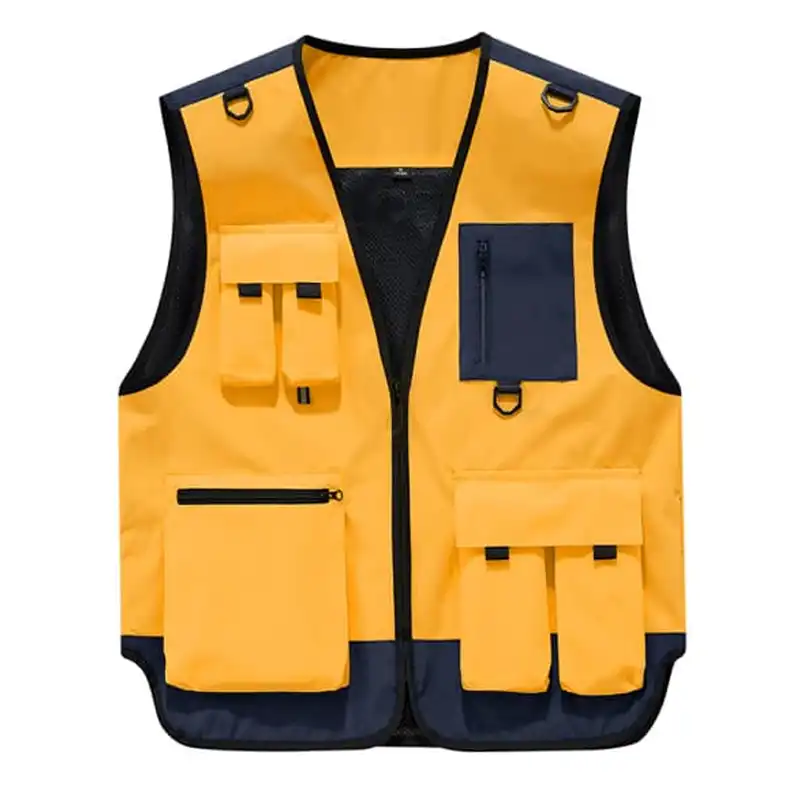
Every day, electricians deal with a wide range of situations. Commercial electricians may spend hours on ladders putting lighting systems in office buildings, and industrial techs have to work in tight areas where they can't move around much. Specialists in homes often have to work in dirty places like attics or crawl spaces, where big tools can be dangerous. For each situation, you need a Tool Vest that lets you get to your tools without getting in the way of your movement. These problems can be solved by a Tool Vest made for electrical work that has modular pocket configurations that can be used for different jobs, such as bringing wire strippers and multimeters or keeping cable ties and voltage testers in order.
Ergonomic Design Reduces Workplace Injuries
Lower back pain is still one of the main reasons skilled tradespeople miss work. Traditional tool belts put most of the weight on the hips, which causes uneven loading that puts stress on the lower back muscles during long shifts. Ergonomic Tool Vest use padded suspender-style straps to move the weight to the shoulders and upper chest. This design takes pressure off of pressure points and lets electricians keep good posture whether they are kneeling to wire outlets or reaching up to install lights. Occupational health studies regularly show that tradespeople are less likely to have musculoskeletal problems when their weight is distributed correctly.
Modular Systems Enhance Efficiency
Depending on the stage of the job, modern electricians need different sets of tools. For rough-in wiring, you'll need fish tape, drill bits, and conduit reamers. For end work, you'll need screwdrivers, wire nuts, and outlet testers. A good Tool Vest has replaceable pocket systems or customisable sections that let you change the number of tools you carry without having to wear different clothes. Because the Tool Vest are flexible, workers can change them to fit their daily tasks while still meeting safety standards. This is especially helpful for electrical contractors who are in charge of teams working on multiple job sites.
Essential Criteria for Evaluating Tool Vests
When looking at your electrical team's choices, there are a few key things that will determine whether a vest will last and be useful or become an expense that isn't used. Professionals in procurement should carefully look at these factors to make sure they match up with practical needs and budget limits.
Material Quality and Durability Standards
Choosing the right fabric is crucial for ensuring durable work clothes. High-performance Tool Vests are made from ballistic fabrics or heavy-duty canvas blends with ratings between 600D and 1680D, which resist tearing when caught on sharp metal edges or rough surfaces typical on construction sites. Reinforced stitching at stress points, especially around pocket corners and strap attachments, enhances durability. Water-resistant coatings protect tools from moisture in outdoor or damp conditions, extending their lifespan. Since 1998, Shenzhen Welston Garment Co., Ltd. has been recognized for producing durable clothing across various industries, utilizing Japanese JUKI and Taiwanese SHINLING equipment to ensure consistent quality and performance in demanding electrical environments.
Ergonomic Design Features That Matter
A well-designed Tool Vest considers both weight distribution and worker movement. Features like adjustable, padded shoulder straps prevent nerve compression during extended wear, while side cinch systems accommodate various clothing sizes, from thin summer shirts to bulky winter coats. Breathable mesh back areas enhance airflow, keeping workers cooler in unconditioned environments. The vest should fit snugly to avoid hindering access to electrical boxes or overhead tasks. Pocket placement is crucial; tools should be within the "golden zone"—between the mid-chest and lower ribs—allowing electricians to access frequently used items without diverting their attention from their work.
Compatibility With Safety Equipment
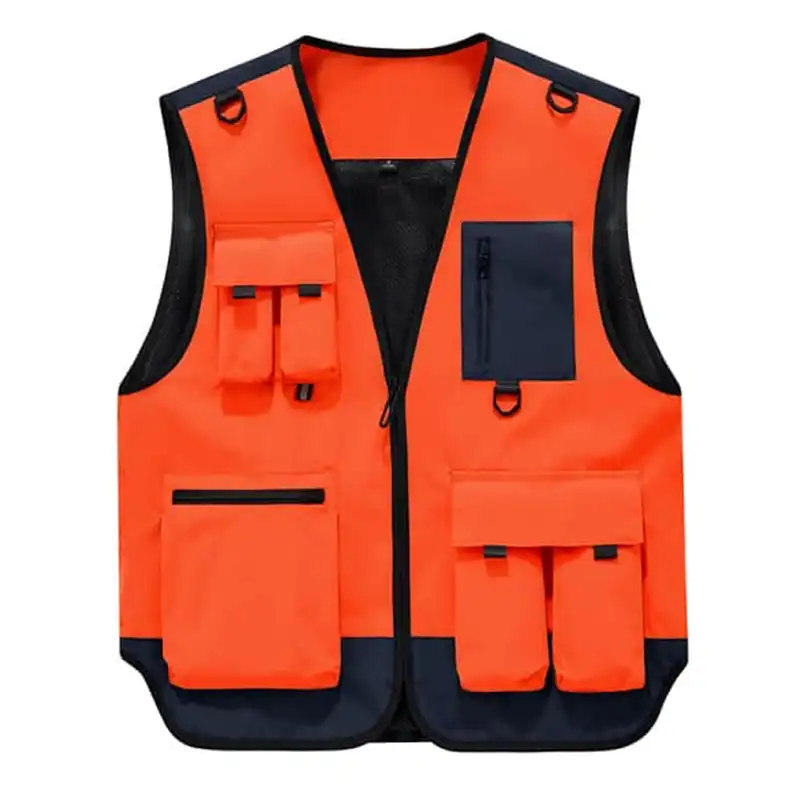
A lot of the time, electrical work needs to be combined with other safety gear. For work at heights, the Tool Vest must be able to fit fall-arrest straps without making pressure points or getting in the way of D-ring access. Some more advanced versions have dorsal pass-throughs that are specially made to work with harnesses. Options that are highly visible and have bright stripes meet safety standards for work on the side of the road or in industrial buildings with low lighting. If you know your team's full safety routine, the Tool Vest will make following it easier, not harder.
Weight Capacity and Load Distribution
Ergonomic designs make things easier on the body, but every Tool Vest has a weight limit that makes sense. To keep shoulders from getting tired, most makers say that the total weight of the tools should be between 10 and 15 percent of the person wearing them. The procurement teams should look at how their electrical crews usually load their tools and make sure that the possible Tool Vest have enough space without letting people overload them. When you build something well, the weight is spread out evenly through strengthened yoke systems, not just on a few narrow strap points.
Comparing Popular Tool Vests and Market Solutions
The market for workwear in North America has a lot of choices, and each one is made to meet the needs of a particular job. Figuring out how various models handle the needs of electrical work helps narrow down the choices to solutions that actually make work go faster.
Utility-Focused Designs for Commercial Electricians
During a commercial electrical installation, a variety of tools are essential, and Tool Vests designed for this purpose typically feature 15 to 20 pockets of different sizes, including specialized spaces for voltage testers, wire strippers, and cable markers. Reinforced hammer loops accommodate impact drivers, and dedicated cases store rolled circuit diagrams or specifications. While these versatile designs benefit electricians working at a single job site, the added weight and bulk can be cumbersome for those frequently moving between service calls. It’s crucial to ensure that the number of pockets aligns with actual daily tool needs rather than assuming that more storage equates to better functionality.
Lightweight Options for Service and Maintenance
Electrical service workers prioritize mobility and quick access to diagnostic tools when responding to calls. Tool Vests, featuring 8 to 12 strategically placed pockets made of lightweight 600D polyester, provide an efficient way to carry essential tools such as multimeters, screwdrivers, flashlights, and basic hand tools without the bulk of full systems. These vests often include quick-release clips for easy on-and-off access in customer facilities or tight spaces. However, this design limits the number of specialty tools that can be carried, so service departments should analyze call trends to determine if additional basic tools should be stored in vehicles for specific situations.
Customization Capabilities for Corporate Fleets
Large electrical contractors benefit significantly from providers that offer extensive customization options for uniform programs. Welston provides a variety of customizable choices, including embroidered business names, color-coded systems for different trades, and modified pocket layouts based on user feedback. With a minimum order of 100 pieces, we cater to medium-sized contractors while our three factories and ten production lines enable scalability for large companies like Toyota and Panasonic, ensuring consistent quality across sizable workforces. Additionally, bulk procurement allows for better warranty terms and repair processes, making it advantageous to build relationships with manufacturers experienced in business workwear programs for enhanced service and improved products based on field data.
How to Optimize the Procurement Process for Tool Vests
Strategic buying is more than just comparing product specs. It also includes managing costs, reducing risk, and making sure suppliers are reliable. These habits help businesses get the most out of the money they spend on work clothes while also keeping operations running smoothly.
Supplier Vetting and Credibility Assessment
Reliable manufacturers show that they can produce what they say they can, have quality control methods in place, and are open about their supplier chains. When buying teams look at possible sellers, they should check the factories' certifications, call client references from similar industries, and see how quickly they respond to messages. Welston has been in business for 27 years and has partnered with global companies like Benz, Dell, and Toshiba. This shows that they can consistently meet high standards in a wide range of markets. Visiting production sites, either in person or through video tours, is a good way to learn about how things are made and how quality control is done. Suppliers' dedication to delivering goods that meet specifications on a large scale can be seen in how they handle cloth inspection, stitching consistency checks, and final product testing.
Negotiating Value-Focused Terms
Price is only one part of the total cost of buying something. Negotiations that go well include flexible payment options, shipping times that work with onboarding cycles, and guarantee coverage that keeps things from breaking down too soon. Suppliers who are used to doing business with other businesses often offer tiered pricing based on order quantities. This lets you lower the cost per unit while keeping your budget stable. Introducing new workwear systems with less risk is possible by looking into options like staged delivery, in which smaller orders are sent first to make sure the products fit properly before committing to full fleet amounts. This method lets you get feedback from electricians in the real world before making big purchases of the Tool Vest.
Warranty and Return Policy Considerations
A full guarantee covers more than just manufacturing flaws; it also covers problems that might happen in the real world. Policies that cover stitching failure, hardware malfunction, and material degradation within certain times keep purchase budgets safe from repair costs that were not expected. Clear return methods for sizes that don't match or specifications that don't match stop goods from going to waste. Welston's after-sales service team answers to customer requests within 24 hours and helps with everything from making adjustments to processing replacements. This support system is especially helpful when outfitting big teams because different people need to be able to adapt to their own unique fits.
Practical Tips and Best Practices for Choosing and Using Tool Vests
To adopt clothing successfully, you need to do more than just choose good products. You also need to evaluate them in a planned way, train your employees well, and keep improving them based on what users say.
Conducting On-Site Trials Before Full Deployment
Before purchasing Tool Vests for the entire fleet, it’s essential to provide model vests to workers with various body types, job specialties, and experience levels. Instead of brief fitting sessions, conduct trials during actual work tasks, allowing workers to assess comfort, tool accessibility, and compatibility with existing safety gear. Use structured surveys to gather detailed feedback on performance criteria, such as weight distribution, pocket functionality, and overall satisfaction compared to current options. This approach identifies potential issues early, preventing costly mistakes when equipping larger teams.
Training Programs for Proper Usage and Maintenance
Without proper user training, even well-designed Tool Vests may not perform optimally. Training sessions should cover how to adjust straps for even weight distribution, load tools without exceeding limits, and care instructions to prolong garment life. Common mistakes, such as overloading a pocket or improper cleaning, can lead to uneven weight distribution and damage to water-resistant coatings. Establishing maintenance schedules to check stitching and fixings every three months prevents small issues from becoming safety hazards. Designating someone to monitor the condition of the Tool Vests ensures timely replacements and smooth operations.
Inventory Management and Upgrade Planning
Managing workwear is an ongoing business cost that requires careful planning. Maintaining an adequate inventory accounts for new employees, size adjustments, and immediate repairs. Tracking the lifespan of each electrical team's Tool Vests provides valuable insights for budgeting and replacement planning. As technology and designs evolve, it may be necessary to upgrade outdated items. Staying informed about industry advancements, such as improved reflective materials or durable fabrics, allows for proactive upgrades. Building relationships with suppliers like Welston helps keep you informed about new product developments, enabling strategic planning rather than reactive purchases.
Conclusion
When choosing the right Tool Vest for electricians, you have to find a balance between ergonomic performance, durability standards, and operating practicality while staying within your budget. Procurement pros can make sure that their teams wear clothes that really boost output and lower the risk of getting hurt by regularly checking the quality of the materials, the design features, and the supplier's abilities. A successful implementation includes more than just the original buy. It also includes the right training, upkeep procedures, and ongoing improvements based on experience in the field. Buying work clothes deliberately, as an investment in the skills of the workforce rather than a necessary cost, always leads to better safety, happier workers, and more efficient operations across all of their electrical service operations.
FAQ
1. What makes a Tool Vest better than a traditional tool belt for electricians?
When electricians wear ergonomic Tool Vest, the weight of their tools is moved from their hips to their shoulders and upper body. This greatly reduces the lower back pain that often happens to electricians who wear hip-mounted belts. This design makes it easier to keep good balance while working high and makes workers less tired during long shifts, which directly boosts comfort and productivity.
2. Can electricians wear safety harnesses over these vests?
Fall-arrest straps might not fit properly in standard Tool Vest. When buying gear for electrical crews doing work at heights, procurement teams should ask for designs that are compatible with harnesses and have dorsal pass-throughs for D-ring access. Before buying, you should always make sure that it will work with other safety gear you already have.
3. How should we determine the right size range for our electrical team?
Quality Tool Vest have a lot of ways to change them so they can fit people of a wide range of sizes. By measuring everyone on your team's chest measurement and choosing models with size ranges that match, you can usually fit 90% of your team. Sorting sample sizes during tests helps confirm fit assumptions before the whole system is put into use.
Partner With Welston for Professional Tool Vest Solutions
You shouldn't have to choose between quality and cost-effectiveness when getting your electrical teams better work clothes. Welston, a leading Tool Vest manufacturer, has been making clothes for 27 years and has quick customer service that is designed to work with business uniform programs. Our Tool Vests are made to last, designed to be comfortable, and can be customized in a way that works for electrical workers all over North America. We offer steady quality on a large scale thanks to our three factories, which each have ten production lines, and our relationships with top companies like Panasonic and Toyota. Our team answers questions within 24 hours and gives you useful advice throughout the whole buying process. As a well-known company that makes Tool Vests for professionals, we know what electrical workspaces need and can come up with solutions that protect your employees while also making your business run more smoothly. Our business-to-business (B2B) specialists can be reached at [email protected] or welstongarments.com to talk about customization options, go over our quality control procedures, and get low bulk prices that fit the needs of your organization.
References
1. National Institute for Occupational Safety and Health. "Ergonomic Guidelines for Manual Material Handling in Construction Trades." Publication No. 2021-118.
2. American Society of Safety Professionals. "Personal Protective Equipment Integration Standards for Electrical Workers." Technical Report Series, 2022.
3. Bureau of Labor Statistics. "Occupational Injury and Illness Rates in Electrical Contracting Industries." Annual Survey, 2023.
4. International Safety Equipment Association. "Load Distribution Analysis in Tool-Carrying Systems for Skilled Trades." Research Bulletin Vol. 34, 2022.
5. Construction Industry Institute. "Workforce Productivity Factors in Electrical Installation Projects." Implementation Resource 289-2, 2021.
6. Occupational Health and Safety Administration. "Fall Protection and Tool Management Requirements for Electrical Work at Heights." Standards Interpretation Guidance, 2023.
We specialize in designing, producing, and selling corporate clothing. Mainly produces: industrial clothing, business uniforms, and work clothes for different companies.

About Welston Garments