How to Choose the Right Work Clothing for Winter Comfort?
When selecting proper Work Clothing for winter situations, it is necessary to strike a balance between maintaining professional standards while also ensuring that warmth, safety, and mobility are included. It is essential to have a solid grasp of layering infrastructure, fabric technologies, and the needs that are particular to the sector. Winter workwear that is of high quality should be able to offer thermal insulation without limiting mobility, integrate moisture-wicking features to avoid overheating, and comply with safety standards that are particular to your job. When considering the many possibilities for your group's seasonal clothing requirements, it is important to take into consideration elements such as wind resistance, ventilation, and simplicity of upkeep.
Understanding Winter Workplace Challenges
Cold Stress and Safety Risks in Winter Work Environments
Winter working conditions present unique obstacles that standard uniforms simply cannot address. Cold temperatures reduce dexterity, increase injury risks, and impact productivity across industries. Professional workwear designed for cold environments addresses these challenges through technical fabric construction and ergonomic design features.
The Challenge of Indoor-Outdoor Temperature Transitions
Temperature regulation becomes critical when workers transition between heated indoor spaces and frigid outdoor environments. Corporate uniforms that work effectively in summer months often leave employees uncomfortable and less efficient during winter operations. Manufacturing facilities, logistics centers, and hospitality venues all require specialized seasonal solutions.
Climate-Specific Workwear Needs Across Global Regions
There is a substantial influence that regional climatic differences have on the choosing of workwear. The European market normally requires moderate cold resistance with a focus on moisture management, but some places in the Asia-Pacific region need adaptable items that can adjust to the varied temperatures that occur throughout the year. It is helpful to have an understanding of the unique weather patterns that occur in your geographic region in order to establish the right insulation levels of fabric weights.
The Link Between Thermal Comfort and Workforce Productivity
Productivity studies consistently show that comfortable employees perform better. When workers spend energy combating cold discomfort, their focus shifts away from core responsibilities. Investing in proper seasonal workwear directly correlates to improved efficiency and reduced absenteeism during harsh weather periods.
Essential Features of Quality Winter Work Clothing
Advanced Synthetic Insulation for Lightweight Warmth
The innovation of insulation from heat technology has significantly progressed beyond the use of conventional heavy materials. In today's modern industrial workwear, synthetic insulation materials are used to offer warmth without increasing the overall bulk of the garment. Even after being compressed, these cutting-edge materials keep their insulating characteristics intact, which guarantees that they will continue to provide protection during the toughest workdays.
Moisture-Wicking Systems That Keep Workers Dry
Moisture management systems eliminate the potentially harmful cooling impact that is caused by sweat that is trapped. Winter uniforms of high quality are designed to combine base layers that wick away moisture and outer shells that are breathable, therefore removing moisture from the skin. The dual-action mechanism ensures that workers remain warm and dry regardless of the intensity of their activities.
Windproof Protection Against Heat Loss
Wind resistance capabilities protect against heat loss caused by air movement. Protective gear designed for outdoor work includes wind-blocking membranes that prevent cold air penetration while allowing moisture vapor to escape. This technology proves particularly valuable for construction, logistics, and maintenance professionals.
Reinforced Construction for Harsh Winter Conditions
When it comes to winter work clothing, the durability criteria are higher than those of everyday apparel. It is necessary to use reinforced building methods in order to deal with harsh weather conditions and strenuous labor activities during construction. The life of the product is ensured by triple-stitched seams, reinforced pressure points, and abrasion-resistant textiles, even when subjected to demanding use circumstances.
Mobility-Focused Design for Active Job Roles
When it comes to cold-weather clothing, versatility and variety of motion continue to be of the utmost importance. Articulated joints, flex panels, and orthopedic cuts are all features that are included into expensive work clothing in order to retain movement. It is never acceptable for workers to compromise their safety or productivity because of the design of their attire.
Layering Systems for Maximum Comfort
Selecting the Right Moisture-Wicking Base Layer
The first step in developing an efficient winter work gear system is to pick the appropriate base layer. Materials made of synthetic or the merino perform very well in terms of wicking away moisture while yet retaining their warmth when they are soaked. Cotton is not a good choice for use as a foundation layer material because of its tendency to retain moisture and its sluggish drying timeframes.
Mid-Layer Insulation for Core Heat Retention
Providing the principal thermal barrier against chilly temperatures is the insulation that is placed in the middle layer. Insulation alternatives such as fleece, synthetic filler, or down each provide various benefits, depending on the needs of the work environment. Those who work in the hospitality industry may choose to wear lightweight fleece for the purpose of facilitating mobility, while construction workers may demand heavier textile insulation for prolonged exposure to the outdoors.
Protective Outer Shells for Weather and Safety
The outer shell provides protection from wind, precipitation, and risks that may be encountered in the job. The combination of reflecting materials and bright hues is incorporated into high-visibility safety apparel, which also maintains its ability to defend against the elements. While maintaining the same level of protection and visibility, the outermost layer should be designed to supplement the safety criteria that are already in place.
Removable Features for Changing Conditions
Removable components allow workers to adapt their clothing throughout the day as conditions change. Zip-out liners, detachable hoods, and convertible sleeves provide flexibility for varying temperatures and work activities. This adaptability reduces the need for multiple garment sets while maintaining comfort across different situations.
Layer Compatibility for System-Wide Performance
Compatibility between layers ensures optimal performance from the complete system. Each component should work harmoniously without creating bulk, restricting movement, or trapping moisture. Professional workwear manufacturers design coordinated systems that maximize the benefits of each individual piece.
Industry-Specific Considerations
Flame-Resistant and Anti-Static Protection in Manufacturing
In addition to heat protection, flame-resistant qualities are required in settings that are used in manufacturing. Workers who are in close proximity to heat sources or electricity need specific protective gear that not only keeps them warm but also ensures that they comply with safety regulations. When it comes to the fabrication of electronics, anti-static qualities become very necessary since static discharge has the potential to harm sensitive components.
Professional Warmth Solutions for Hospitality Staff
Hospitality workwear balances professional appearance with practical warmth requirements. Hotel staff, restaurant employees, and event personnel need uniforms that maintain brand standards while providing comfort during outdoor duties or poorly heated spaces. Easy care requirements become particularly important in high-volume hospitality operations.
High-Visibility Thermal Gear for Logistics Operations
Operations involving logistics and storage need characteristics that combine high visibility with heat protection. Specific safety gear is required for workers who operate forklifts, load vehicles, or manage inventory within cold storage locations. This clothing must be able to maintain visibility in a variety of lighting circumstances while still providing sufficient warmth.
Heavy-Duty Weather Protection for Construction Work
Those who work in construction and environmental maintenance need the highest possible level of protection from the elements. The construction clothing that is designed for heavy-duty work must be able to resist tough circumstances and have many pockets for supplies and tools. When an application is very demanding, characteristics like as reinforced knees, elastic cuffs, and sturdy hardware become absolutely necessary.
Adaptive Cold-Weather Uniforms for Corporate Facilities
Pieces that are adaptable and with the ability to adjust to various places are beneficial for office settings that have diverse temperature zones. The corporate uniforms that are worn for the purpose of facilities repair, safety, or outside jobs must have a professional look in addition to elements that effectively provide warmth.
Material Technologies and Fabric Choices
Reliable Thermal Performance of Synthetic Insulation
Synthetic insulation materials offer consistent performance across varying conditions. Polyester fill maintains loft even when compressed or damp, making it ideal for active work environments. These materials wash easily and dry quickly, reducing maintenance burden for large uniform programs.
Comfort and Durability in Blended Natural Fabrics
The use of natural fiber mixes affords comfort and breathability, while simultaneously preserving durability. The mix of cotton and polyester provides the optimal combination of ease of use, depend and ease of maintenance for the majority of applications. Cotton offers a natural level of comfort, while the synthetic component contributes to the garment's strength and resistance to wrinkles.
Performance-Enhancing Fabric Treatments
Advanced fabric treatments enhance performance without adding weight or bulk. DWR (Durable Water Repellent) finishes shed light moisture while maintaining breathability. Anti-microbial treatments prevent odor buildup during extended wear periods, particularly important for multi-day work assignments.
Waterproof Breathable Membranes for Wet Conditions
Membrane technologies create waterproof yet breathable barriers for extreme conditions, making them highly suitable for modern Work Clothing. These advanced materials allow moisture vapor to escape while preventing water penetration. Such technology proves particularly valuable for workers exposed to wet conditions or high humidity environments.
Stretch Fabrics Supporting Active Work Movements
In the course of athletic activity, stretch materials continue to provide comfort. In order to allow flexibility of movement without compromising durability, mechanical stretch fabric or elastane blends are highly recommended. Those employees who are required to climb, prostrate, or reach regularly in the course of their job make this flexibility an especially vital consideration.
Sizing and Fit Considerations for Layered Systems
Proper Sizing for Safe and Effective Layering
Layering may be accommodated by using the appropriate size, which does not impede mobility or create harmful circumstances. In order to maintain a secure fit while engaging in vigorous activities, winter workplace attire should have a loose enough fit to have the ability to enable circulation of air and layer compatibility. Oversized clothing may pose a risk to workers' safety near equipment and can also give the impression of a lack of professionalism.
Gender-Specific Cuts for Improved Thermal Comfort
Gender-specific designs address physiological differences in body heat distribution and sizing requirements. Women's workwear often requires different insulation placement and cut adjustments to provide optimal comfort and performance. Inclusive sizing options ensure all team members receive appropriate protection.
Adjustable Length Features for Task Flexibility
Length changes are made to meet a variety of body shapes and the needs of various jobs. During tasks that require bending or reaching, gaps may be avoided by having longer torso covering. With adjustable elements such as hem drawcords & cuff systems, it is possible to fine-tune the garment to meet the specific tastes and safety needs of each person.
Sleeve and Pant Design for Gear Compatibility
Taking into account the length of your sleeves and pants becomes quite important when you are working with mitts and safety boots. Maintaining proper overlap helps to prevent skin from being exposed while also preventing interference with safety gear. Knees and elbows that are articulated help to maintain comfort even while performing repeated actions.
Custom Fit Solutions for Specialized Workforce Needs
Custom sizing services ensure optimal fit for unique requirements or body types. Professional uniform suppliers often provide individual measurements and adjustments for team leaders or employees with specific needs. This attention to detail improves both comfort and safety outcomes.
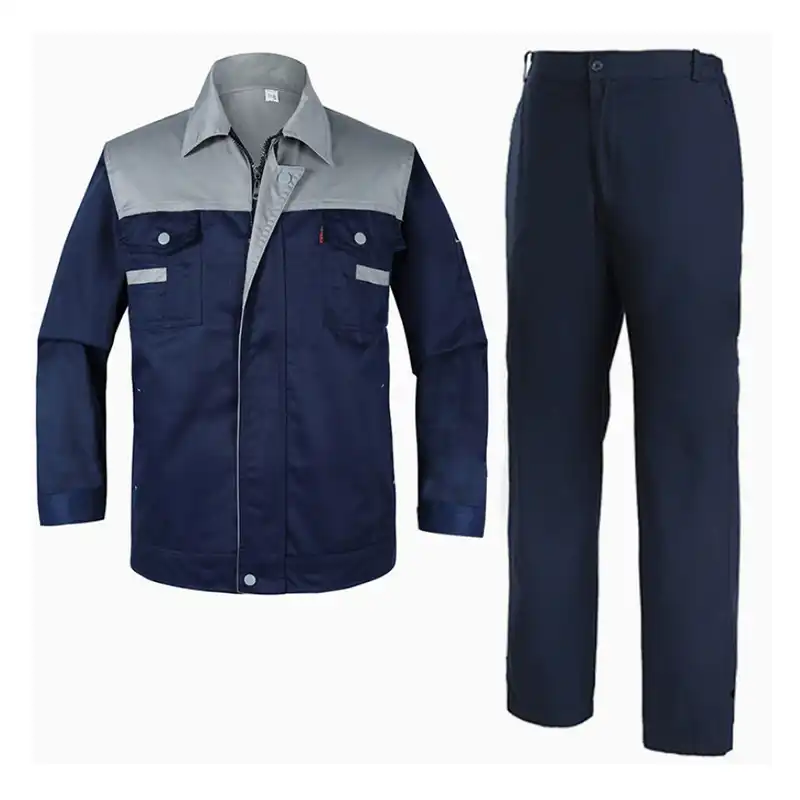
Budget-Friendly Strategies for Quality Winter Work Clothing
Cost Savings Through Bulk Purchasing Programs
Bulk purchasing programs reduce per-unit costs while ensuring consistency across teams. Many manufacturers offer significant discounts for large orders, making quality workwear more accessible for budget-conscious organizations. Volume commitments often include additional services like customization or extended warranties.
Flexible Uniform Rental Solutions
In addition to giving access to quality uniforms, rental programs reduce the need for an initial cost commitment. This strategy is especially useful for the employment of seasonal workers or for companies that see fluctuations in the size of their personnel. Rental services often include repair and replacement, which simplifies the administration of uniforms.
Multi-Season Designs for Extended Value
Multi-season versatility maximizes investment value by extending useful life beyond winter months. Convertible designs with removable insulation allow year-round use with seasonal adjustments. This approach reduces total uniform inventory requirements while maintaining appropriate seasonal protection.
Leasing Models for Budget Management
Leasing options spread costs over time while providing access to current technology and styles. Many uniform suppliers offer leasing programs that include regular updates and maintenance services. This approach helps manage cash flow while ensuring employees always have appropriate protective gear.
Shared-Cost Programs to Improve Garment Care
Employee contribution programs share costs between employer and worker while increasing personal investment in garment care. When employees contribute to uniform costs, they typically take better care of their Work Clothing, extending useful life and reducing replacement frequency.
Global Sourcing and Regional Preferences
Sustainability Priorities in European Workwear Markets
European markets prioritize sustainable materials and manufacturing processes in their Work Clothing selections. Environmental certifications, recycled content, and responsible production methods influence purchasing decisions. Quality standards emphasize durability and repairability over disposable fast fashion approaches.
Safety Compliance Focus in North American Procurement
American markets focus on compliance with OSHA standards and liability reduction. Safety certifications, testing documentation, and performance guarantees drive specification requirements. Brand reputation and domestic production capabilities often influence vendor selection processes.
Cost and Production Efficiency in Asia-Pacific Demand
The areas of Asia and the Pacific place an emphasis on cost-effectiveness and the ability to deliver quickly. According to the requirements of the market, high-volume production runs, effective logistics, and low prices structures are all in alignment. There is still a significant difference between the two products in terms of customization possibilities for logo positioning and color choosing.
Climate Adaptation Needs in Middle East and Africa
Middle Eastern and African markets require climate-appropriate adaptations even for winter gear. Moderate insulation levels, enhanced breathability, and cultural considerations influence design requirements. Value-focused purchasing decisions emphasize durability and bulk procurement advantages.
Global Sizing Standards and Regional Fit Differences
Regional sizing standards vary significantly across global markets. European sizing systems differ from American standards, while Asian markets often require different proportional adjustments. Understanding these variations ensures proper fit and customer satisfaction across diverse markets.
Conclusion
Thermal protection, safety regulations, and the requirements that are particular to the industry are all factors that need to be carefully considered when selecting proper Work Clothing for winter weather. Investments in winter workwear of a high quality pay off in the type of enhanced comfort for employees, better compliance with safety regulations, and a more businesslike appearance of the company. To be successful, it is necessary to have a good understanding of the ideas of layering, to assess the technologies of fabric, and to work together with professional suppliers who are aware with the diverse requirements of the market. The optimum selection technique is determined by a variety of elements, including regional preferences, issues about size, and the requirements for upkeep. The most savvy choices regarding acquisition strike an appropriate compromise between the initial expenditures and the long-term worth, taking into account variables such as the extent of the durability, the requirements for compliance, and the level of satisfaction experienced by the employees. Corporations are able to develop winter clothing interventions that successfully aid their people while maintaining budget objectives and ethical requirements if they design these programs appropriately and seek assistance from professionals in the field.
Partner with Welston for Premium Work Clothing Solutions
Welston is a company that provides great winter workwear solutions, which are supported by the thirty years of manufacturing quality and industry understanding. The sophisticated manufacturing facilities and professional design team that we have allow us to manufacture work clothing that is not only long-lasting but also comfortable and fits the stringent seasonal criteria. As a reliable provider of work apparel, we provide large organizations in the European, American, and Asian economies with individualized solutions that improve both the safety of their employees and their confidence in their professional image. Get in touch with Julia at [email protected] to discuss the precise needs you have for your winter uniform and to see how our extensive customisation options may help you overcome the problems that are unique to your situation.
References
1. Thompson, M. & Williams, R. (2023). "Industrial Workwear Performance Standards in Cold Weather Applications." Journal of Occupational Safety and Health, 45(3), 127-142.
2. Chen, L. (2022). "Thermal Regulation Technologies in Professional Uniform Design." International Textile Research Quarterly, 38(2), 89-104.
3. Rodriguez, A. & Kumar, S. (2023). "Cost-Benefit Analysis of Premium Workwear Investment in Manufacturing Environments." Business Operations Management Review, 29(4), 234-249.
4. European Safety Equipment Standards Committee. (2023). "Guidelines for Cold Weather Personal Protective Equipment Selection." Brussels: ESESC Publications.
5. Park, J. & Anderson, K. (2022). "Moisture Management Systems in Technical Workwear: Performance Evaluation Methods." Advanced Materials in Clothing Technology, 15(1), 78-93.
6. Global Uniform Industry Association. (2023). "Regional Preferences and Procurement Trends in Professional Workwear Markets." Annual Industry Report, New York: GUIA Press.
We specialize in designing, producing, and selling corporate clothing. Mainly produces: industrial clothing, business uniforms, and work clothes for different companies.
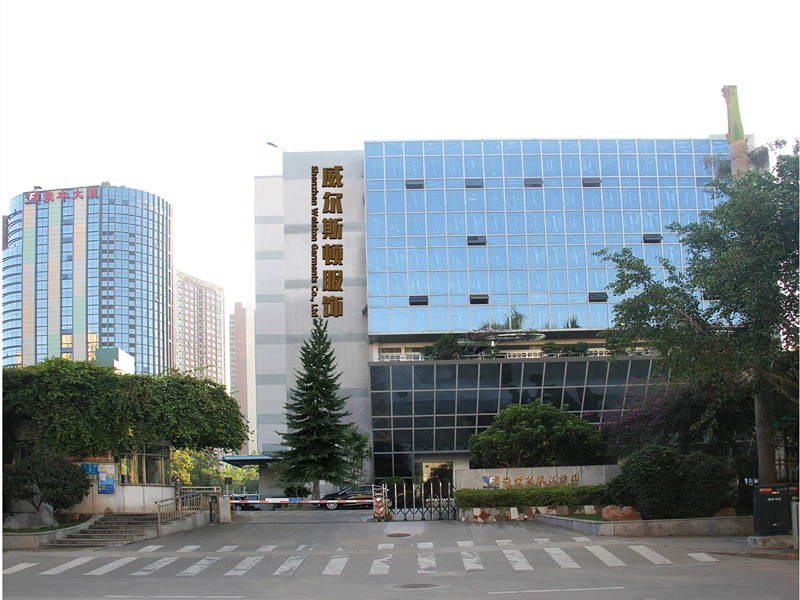
About Welston Garments