How to choose your shirt for your waiter service?
Picking the right outfit for your wait staff affects both how customers see your business and how comfortable your employees are during long shifts. A well-chosen Service Shirt strikes a balance between professional looks and practicality by not staining easily, keeping its shape after many washes, and letting you move freely during busy service hours. When procurement managers choose waiter outfits, they have to look at how well the fabric works, how well it fits different body types, how well it can be customised for brand identity, and how reliable the provider is for ongoing orders. The choice has effects on more than just how things look; it also has a direct effect on staff morale, operating efficiency, and the constant brand experience you give customers. This guide will talk about technical details, market comparisons, and buying strategies that will help you find uniforms that meet the strict needs of modern hospitality settings.
Understanding Service Shirts for Waiter Services
What Defines a Quality Service Shirt?
A Service Shirt made for hospitality is very different from clothes sold in stores. These special clothes have finishes that don't stain and keep wine, sauces, and oils from getting on them, which waiters deal with every hour. The design puts a lot of emphasis on strengthened seams at stress points like the shoulders and underarms, where you reach and lift things over and over again and cause wear. Good service uniforms are made from mixes of fabrics that don't wrinkle easily. These are usually 65% polyester and 35% cotton, so the uniform stays looking neat during shifts without having to be pressed all the time. Many businesses in North America and Europe look for moisture-wicking technologies to keep their staff comfy during busy dinner times. In the Asia-Pacific region, restaurants in warmer temperatures ask for breathable weaves that let air flow.
Evolution of Hospitality Uniforms
Hospitality uniforms have changed from simple white button-down shirts to more sophisticated work clothes that meet specific operational needs. Cotton shirts from the past soaked up messes and had to be washed often, which raised costs. Modern work clothes have soil-release polymers in them that make it easy to wash off spots. This means that clothes can last for more than 100 industrial wash cycles. This change is in response to demands from buying teams for a lower total cost of ownership while still upholding professional standards.
Common Shirt Styles in Food Service
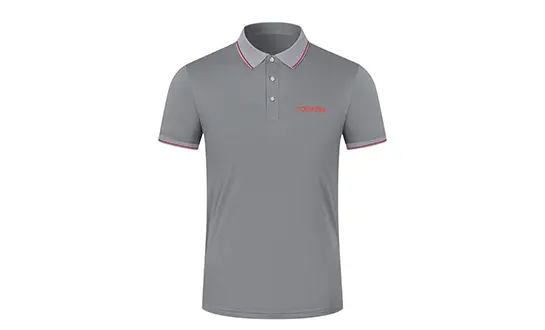
Depending on how they serve, restaurants can choose from a number of tried-and-true uniform styles. Classic button-down oxford shirts look good at high-class restaurants that expect you to look your best. Polo-style Service Shirts are versatile for casual eating ideas because they look professional and are more comfortable because they are knitted. Snap-front styles make it easy to make changes quickly when needed and are popular in places with a lot of people. Each style fits a certain brand image and meets the practical needs of food service settings.
Critical Criteria for Choosing the Perfect Service Shirt
Fabric Performance Requirements
When buying experts look at different choices for uniforms, they have to check the fabric specs that determine how well the clothes will last over time. Fabric weight and thread density are used to measure how well something wicks away moisture from the skin. Fabrics used in commercial hospitality settings usually need to weigh between 4.25 and 5.25 ounces per square yard. These weights are heavy enough to last without making the fabric less breathable. Chemical finishing methods, such as Touchtex technology, make a barrier that doesn't let oil-based substances pass through. This makes the material stain-resistant. Colourfastness scores make sure that everyone on your team wears the same uniform, even after being washed many times in a factory setting. Testing standards like AATCC 61 check how well colours stay true after being washed quickly, which is very important for keeping brand colour standards.
Fit Styles and Size Consistency
For uniform programs to work for diverse teams, they need a range of sizes that can fit different body types while keeping the look the same. Instead of neutral sizes that aren't comfortable, modern clothing companies offer cuts that are tailored to each gender because people have different fit needs. Slim-fit options have a modern look that works well in high-end places, while classic cuts have a more standard business look and are easier to move around in. The hard part is finding suppliers who stick to exact size requirements across all production runs so that replacement orders match what's already in stock. European markets want custom European size charts more and more, while businesses in the Middle East and Africa often need wider size ranges for uniform programs that include everyone.
Design Elements Affecting Functionality
Collar design affects how it looks and how comfortable it is to wear for long periods of time. joined collars keep their shape better than collars that aren't joined, but they cost a little more. Sleeve length options—short, three-quarter, and long—let you change with the seasons or fit different service jobs within the same business. There are different kinds of pockets, from useful chest pockets for order pads to clean, pocketless designs that focus on a sleek look. These details may not seem important on their own, but when looked at together, they show whether outfits help or hurt staff success.
Balancing Cost and Quality
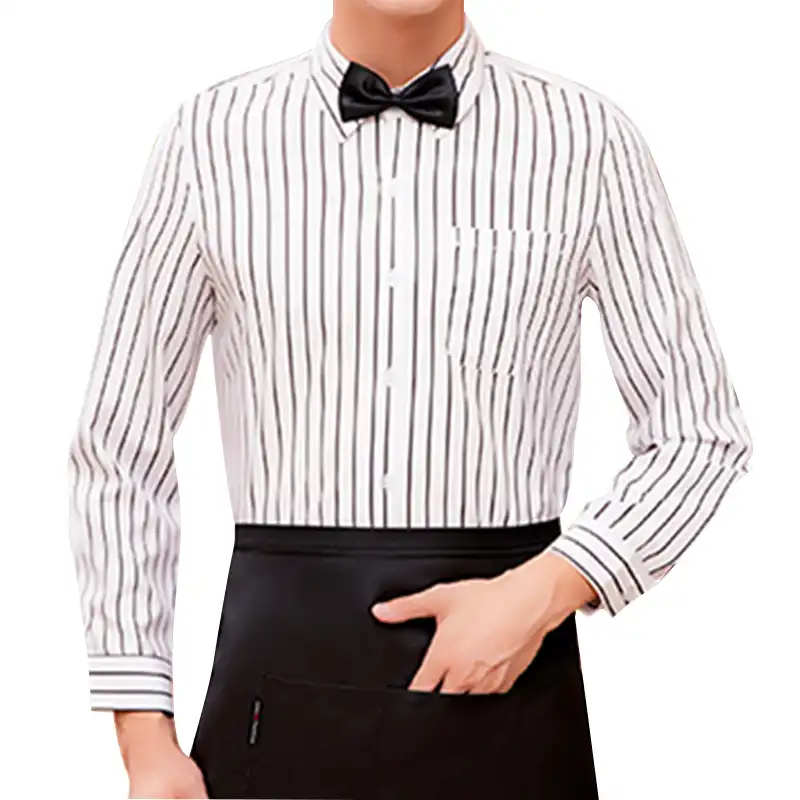
Some buyers are tempted to choose cheaper options because they are on a tight budget, but this usually ends up costing them more in the long run. Compared to a $15 shirt that needs to be replaced after 30 washes, a $28 Premium Service Shirt that can withstand 100 washes is a better deal. Instead of the original buying price, figure out the cost per wear. When you buy in bulk from a reputable seller, you can save a lot of money. Usually, orders over 200 units get 15-20% off. Sustainable sourcing has become an important part of buying things, especially for businesses in Europe and Southeast Asia where customers expect them to be more environmentally friendly. Certifications like OEKO-TEX Standard 100 make sure that fabrics don't contain any dangerous chemicals, and the Global Organic Textile Standard (GOTS) makes sure that materials used are organic.
Comparing Popular Service Shirt Solutions on the Market
Established Uniform Brands
Several companies make most of the service uniforms because they are reliable. Dickies has been making work clothes for decades, and their Service Shirts are made with stronger materials and come in a wide range of sizes. Their fabric blends are made to last, making them good for places with a lot of turnover that value longevity. Red Kap specialises in technologies that control wetness, which are especially useful in kitchens where heat and dampness can make workers uncomfortable. Carhartt brings their reputation for tough workwear to the hospitality industry with shirts that are both tough and look professional. These well-known names make sure that the quality of each batch of products is the same, and they make it easy to reorder, which is very important for restaurant groups that are growing.
Custom Manufacturers and Sustainability Specialists
In addition to the big names, specialised manufacturers offer choices for customisation and eco-friendly materials. As part of their corporate social responsibility efforts, companies that care about the environment use organic cotton, recycled polyester, and colours that have little to no effect on the environment. Most of the time, these suppliers have higher minimum order quantities, but they offer fully customised solutions with custom colours, embroidered logos, and branded labels. Our company has three plants, ten production lines, and over 580 workers. It serves technology-driven markets in North America and Europe with its advanced industrial infrastructure. Precision equipment from Japan's JUKI and Taiwan's SHINLING is used in our facilities to make sure that the standard of big orders stays the same. This ability helps relationships with big companies like Panasonic, Benz, Dell, Toshiba, and Toyota, showing the ability to meet strict company standards.
Price Ranges and Value Considerations
The price of wholesale uniforms depends a lot on the type of cloth used, how customized they are and how many are bought. Service Basic polyester-cotton Shirts are around $12-$15 per when ordered in quantities of 500 or more. These are useful for firms wanting to save money and not minding wearing garments that won’t last as long. Mid-priced options, in the $18 to $25 range, include performance characteristics like as stain prevention and a superior fabric hand, making them the best value for most organizations. Premium service wear, priced at around $30 per garment, utilizes more sophisticated technologies including anti-bacterial finishes, enhanced moisture control and greater durability, making it ideal for upscale situations where the quality of uniforms influences the perception of a business.
Evaluating Supplier Services
In addition to product specs, supplier services have a big impact on how well a buying job is done. Custom stitching lets you incorporate your brand's personality, and the setup fees for digitising your logo are usually between $50 and $100. Production times range. Domestic suppliers usually deliver in 3–4 weeks, but foreign suppliers take 6–8 weeks, which includes shipping. Professional providers stand out through their after-sales support. Dedicated account management, easy reordering systems, and quick problem solving make long-term relationships run more smoothly. Check the supplier's qualifications by looking at their industry certifications, asking for client references from businesses that do similar work in the hotel industry, and trying on sample clothes before placing a large order.
Practical Guide: How to Wear and Maintain Service Shirts for Optimal Performance
Styling for Professional Presentation
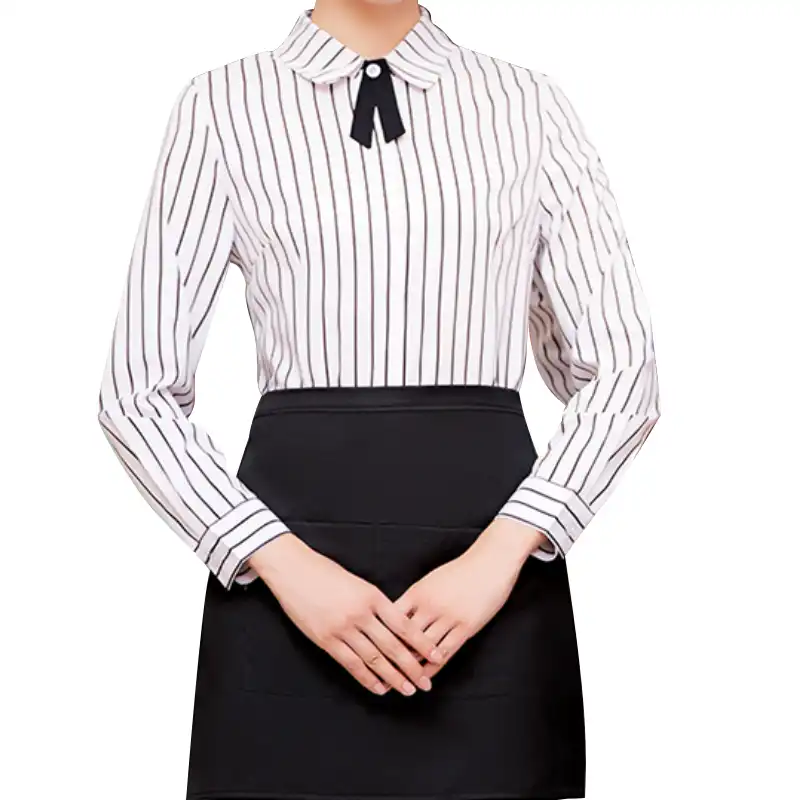
Wearing the right pants goes hand-in-hand with wearing the right outfit. Neutral colours keep you hidden through lighter Service Shirt fabrics. For a unified look, everyone on your team should wear their shirts tucked in the same way, and their belts should match the colour of their shoes. Aprons should not hide uniforms; choose types that show off your company's embroidery while still being useful for defence. Seasonal layering keeps you comfortable as the weather changes. For cooler months, lightweight vests or cardigans can be worn under your uniform pieces instead of having to buy a whole new wardrobe.
Fabric-Specific Care Instructions
Polyester-cotton mixes need to be washed in a certain way to get the most out of their life. Use commercial-grade detergents made for professional laundromats and wash in warm water, not hot. Do not use chlorine bleach because it breaks down cloth fibres and turns colours yellow. Instead, use oxygen-based bleaches to safely improve whites. Dry on medium heat and take out of the dryer quickly to avoid wrinkles. Permanent press cycles cut down on the need to iron, but front plackets and collars may still need to be touched up. When treating spills right away, it's best to blot them instead of rubbing them, and then use enzyme-based stain removers before washing.
Addressing Common Uniform Challenges
When clothes go through changes in temperature while being washed, they shrink. This problem is less of a problem with fabrics that have already been shrunk, but regular shrinking of 1-2% is still normal. Before buying in bulk, order samples and wash them to make sure the dimensions will stay the same. Colours fade when they are exposed to too much heat, strong cleansers, or chlorine. Set up rules for washing that limit these things, and think about using darker, more uniform colours that fade less obviously. Elbows and cuffs get worn out first because they get a lot of use. Regularly rotate your uniform inventory so that some clothes don't get worn out too quickly while others stay clean.
Procurement Strategies for Bulk Service Shirt Orders
Supplier Vetting Process
A careful review of the supplier is the first step to a successful uniform program. Ask the production facility for proof that they use quality management systems like ISO 9001. Check to see if the seller is financially stable. For partnerships to work, you need vendors who can meet your needs in the long run. Check how quick suppliers are to contact; answers to questions within 24 hours show dedication to customer service. It's still important to look at samples, so order a few different sizes and wash them according to your normal washing instructions. Then, before placing production orders, check them for shrinkage, colour retention, and construction quality.
Minimum Orders and Sample Programs
Minimum order numbers (MOQs) are set by manufacturers based on how efficiently they can make the product. Depending on how complicated the customisation is, MOQs are usually between 100 and 500 pieces. Some sellers have sample programs that let you try on 5–10 clothes before committing to full production runs. There are six different types of services that Welston offers that make customisation easy: applying custom designs through printing or embroidery; matching colours from more than 60 choices; changing sizes and patterns to fit loosely, casually, or slim; choosing fabrics based on weight and breathability needs; and offering branded packaging options. Our 24-hour response promise makes sure that buying teams get answers quickly while decisions are being made.
Customization and Branding
Logo placement has a big effect on how visible a brand is. Positions on the left chest give a more traditional professional look, while positions on the back yokes give brands more room to stand out. Embroidery gives clothes a high-end look and makes them last through more than 100 washing cycles, making it perfect for high-end businesses that want to spend in good presentation. Screen printing is a cheap way to brand larger designs, which makes it perfect for promotional events or hiring seasonal staff on the spot. Think about the minimum order quantities for custom work. For example, embroidery often needs at least 50 pieces, while screen printing starts to save money at 100 or more. Thread colour choices should go with regular colours instead of clashing with them, so the overall effect is consistent.
Building Long-Term Supplier Relationships
Procurement that works well involves more than just one transaction. It also involves building smart relationships that help businesses meet their changing needs. Set up agreements with your chosen suppliers that spell out pricing, wait times, and service standards. Reviewing your inventory on a daily basis will help your providers plan their production more efficiently. Tell providers about your plans for growth early on so they can adjust their capacity. Many businesses in the Middle East and Africa value having reliable stock available because shipping times are longer. Keeping extra stock on hand from trusted sources helps avoid shortages during growth phases.
Conclusion
When choosing the right waiter outfits, you have to think about a lot of things, like how well the fabric works, how well the uniforms fit, how reliable the seller is, and the total cost of ownership. Quality Service Shirts have technical features like stain resistance, moisture wicking, and strengthened construction that directly affect employee comfort and uniform life. A successful procurement depends on carefully screening suppliers, doing accurate cost-per-wear calculations, and coming up with ways to customise items that reinforce brand identity. The world of hospitality uniforms is always changing. New fabric technologies and eco-friendly materials are making them more effective. When businesses take the time to choose the right uniforms, they save money on substitute costs, make their employees happier, and make sure that everyone looks professional, which makes the guest experience better.
FAQ
1.What fabric blend works best for waiter uniforms?
Polyester-cotton mixes with 65% polyester and 35% cotton are the best combination for longevity, comfort, and ease of care. The polyester makes it resistant to wrinkles and stable in its shape, while the cotton makes it soft and breathable. Businesses that care about the environment should look into choices that use recycled polyester or organic cotton, even though they usually cost 15 to 20 percent more than regular blends.
2.How do I determine correct sizing for diverse staff?
Ask your suppliers for detailed size charts that show exact chest, length, shoulder, and sleeve measurements. Get sample sizes that cover the whole range of sizes on your staff and have them try on clothes before you order a lot of them. Cuts that are specific to a gender work better with different body types than unisex sizes. Keep a small stock of clothes in a variety of sizes so that employees can be flexible as their body shapes change.
3.What's realistic lifespan for commercial service shirts?
If you take good care of them, good uniforms will last between 18 and 24 months, or 60 to 100 industrial wash cycles before they start to show major wear. How long something lasts relies on how often it is washed, how well it is cared for, and how good the fabric is. The higher starting cost of premium Service Shirt is justified by the fact that they last longer, while cheaper choices need to be replaced more often, despite having lower unit costs.
Partner with Welston for Your Service Shirt Needs
Welston has worked in business clothing for almost 30 years and now designs and makes uniforms for hospitality programs in North America, Europe, and the Asia-Pacific region. As a specialist in making Service Shirts, we run three factories with ten production lines that make outfits of steady high quality for tough professional settings. Our high-tech JUKI and SHINLING equipment makes sure that the uniforms are built precisely, and our full customisation options, from choosing the cloth to adding your logo, make sure that the uniforms reflect your brand's identity. Our quality management systems support both initial orders and ongoing replenishment programs. Global companies like Panasonic, Benz, and Dell trust them. Email our team at [email protected] to talk about your unique needs, get samples, or get bulk prices for your upcoming uniform program.
References
1. Smith, J. & Thompson, R. (2021). Professional Uniform Standards in Modern Hospitality: A Procurement Guide. New York: Hospitality Management Press.
2. Anderson, M. (2020). "Fabric Technology and Performance in Commercial Laundry Environments." Journal of Textile Science, 45(3), 127-142.
3. Williams, K. (2022). Sustainable Sourcing Strategies for Corporate Apparel Programs. London: Green Business Publications.
4. Chen, L. & Rodriguez, P. (2023). "Total Cost Analysis in Hospitality Uniform Procurement." International Journal of Service Industry Management, 18(2), 89-106.
5. Baker, S. (2021). The Complete Guide to Restaurant Operations Management. Chicago: Culinary Institute Press.
6. Patterson, D. (2022). "Employee Satisfaction and Uniform Quality: Quantitative Analysis from Multi-Site Restaurant Study." Hospitality Research Quarterly, 31(4), 203-218.

We specialize in designing, producing, and selling corporate clothing. Mainly produces: industrial clothing, business uniforms, and work clothes for different companies.

About Welston Garments