How to Maintain and Wash Embroidered Polo Shirts Without Damage?
Embroidery Polos can't be cleaned the same way you clean other clothes because of the difficult stitches and fabric combinations. An Embroidery Polo is made with high-tensile threads that are built into the fabric. This gives it a three-dimensional look that shows off your brand in a cool way. Unlike surface-applied images that peel or fade, good embroidered designs can last longer than the clothing itself if they are taken care of properly. It is important to take good care of company uniforms, clothes for hotel workers, and promotional things in North America, Europe, and developing countries around the world.
Understanding the Challenges of Maintaining Embroidered Polo Shirts
Corporate buyers and uniform program managers face a number of problems when they are in charge of a big inventory of Embroidery Polos. Problems that are easy to see are thread breaks, which are often caused by mechanical stress during rough wash cycles or bad drying methods. You can lose the colors in Embroidery Polo threads when you use strong cleaners or water that is too hot. An awful lot of rayon threads do this. They shine nicely but aren't as immune to chemicals as polyester threads.
Another big issue is that clothes shrink, which happens a lot when Embroidery Polos made of cotton are washed in hot water over and over. The shirt's body might shrink faster than the name that was stitched on it. This could cause the area around the logo to pucker or bend, which would not look good. This loss of shape makes them look less professional, which is what business clients want. It may also mean that the clothes need to be changed too soon, which raises the total cost of ownership.
Common Damage Sources in Bulk Laundering Operations
Industrial laundries damage Embroidery Polos through high-speed extraction mechanical stress. Commercial detergents containing chlorine bleach weaken Embroidery Polo threads over time. Washing and drying cycles cause fabric expansion and contraction, weakening stitch-to-fabric bonds. Improper sorting with garments having hooks, zippers, or abrasive surfaces damages Embroidery Polo stitching. Procurement managers must specify these factors clearly to protect investment and maintain brand consistency.
Best Practices for Washing Embroidered Polo Shirts
Setting up good cleaning steps for your Embroidery Polos will keep them looking good and in good shape, and it will also save you money on repairs. These rules apply whether you clean your own home or for a uniform service.
Pre-Washing Preparation and Garment Sorting
Treat stains immediately with pH-neutral spot cleaner applied directly to damaged areas. Avoid excessive rubbing that could spread Embroidery Polo threads. Separate garments by color family and fabric weight to prevent dye transfer. Keep heavily soiled work garments separate from lightly worn corporate Embroidery Polos. Turn Embroidery Polos inside out before washing, adding protective layer for embroidered patterns during agitation cycles.
Hand Washing Versus Machine Washing: Strategic Considerations
Hand washing provides maximum control for high-end corporate gifts or executive Embroidery Polos with intricate details. Use cool water with mild gentle-fabric detergent, submerge and agitate slowly, rinse thoroughly. Machine washing suits large Embroidery Polo volumes—select gentle or delicate cycle, cold water (60-85°F/15-30°C), avoid overloading. Use liquid detergents over powder which can lodge in Embroidery Polo threads. Avoid optical brighteners that accelerate color fading.
Optimal Drying Methods and Ironing Techniques
Air drying provides safest Embroidery Polo care—lay flat on clean towel or use padded hangers, avoid direct sunlight. Reshape collars and cuffs while slightly damp for clean lines. If machine drying necessary, use lowest heat setting and remove while still slightly damp. Excessive heat makes synthetic Embroidery Polo threads stiff and may melt fibers, causing permanent damage. Turn Embroidery Polos inside out and use pressing cloth between iron and garment at medium heat.
Analyzing Materials and Embroidery Techniques: Impact on Care Requirements
You can make sure that the care instructions for your Embroidery Polos work best if you know how they are put together. How long the Embroidery Polos last, how well they keep their shape, and how much care they need over their lives depend on the material they are made of.
Thread Composition and Performance Characteristics
Polyester threads offer strength (approximately 1100 centinewtons tensile) and chemical resistance, maintaining color through many industrial wash cycles—ideal for service industry Embroidery Polos. Rayon threads provide a sheen suitable for executive garments but require gentler washing, as chlorine-based chemicals accelerate fading. Cotton threads lack the durability needed for commercial settings. Polyester products resist shrinkage, maintaining stitch integrity through repeated commercial laundering.
Fabric Substrate Considerations
Polyester Embroidery Polos resist shrinkage through repeated commercial laundering, helping maintain stitch integrity. Cotton versions offer natural breathability and comfort for warm climates but typically shrink 3–5% during initial washes, potentially stressing embroidered areas. Cotton-poly blends balance comfort, reduced shrinkage, and moisture-wicking performance for hospitality applications. Piqué knit patterns require proper stabilizer backing and digitizing techniques to prevent thread sinking. Fabric choice directly impacts the care requirements of the product.
Embroidery Technique Durability Analysis
Flat stitching suits Embroidery Polo branding and text-based designs, with proper density settings producing durable results. 3D puff embroidery on the product uses foam underlays to create raised designs and requires gentler washing to prevent foam deterioration. Appliqué Embroidery Polos combine fabric patches with embroidery thread and need careful handling, as mechanical agitation can lift patch edges. Hand washing or gentle machine cycles can extend the lifespan of these garments when appliqué designs are used.
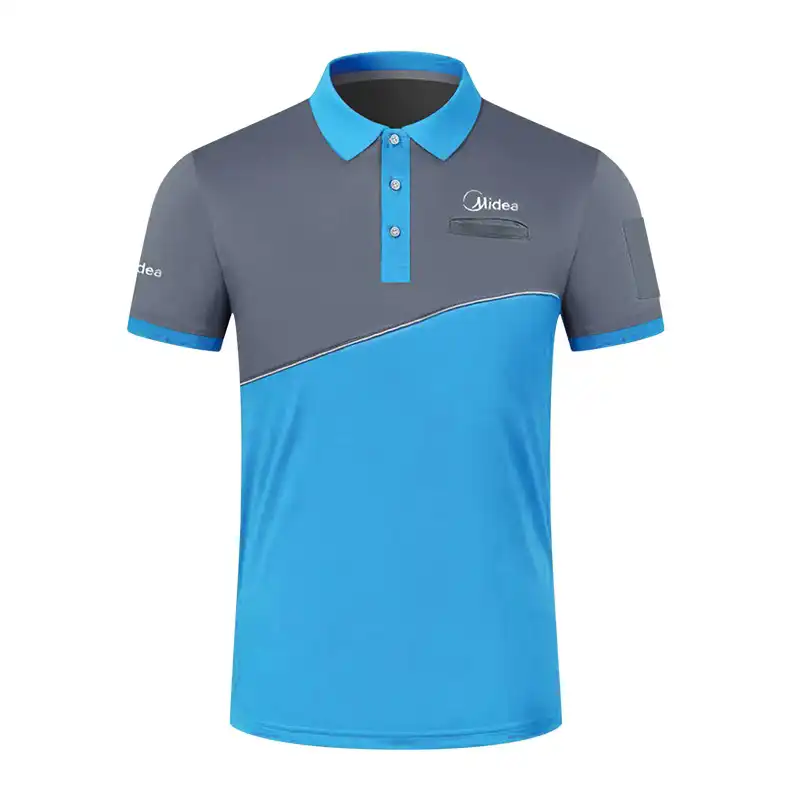
Practical Tips to Extend the Life of Embroidered Polo Shirts in Bulk Procurement
You need to plan for the whole life of your Embroidery Polos, from the time you get them until you retire them, in order to get the most out of your investment. These habits make the people who work for your company happy and lower the number of maintenance issues that happen.
Warehouse Handling and Storage Protocols
It is best to store Embroidery Polos in climate-controlled rooms where the temperature and humidity stay stable. It's easy for them to deteriorate when there isn't enough moisture or when humidity levels are too high. Use hangers that are the right size and don't pull on the shoulders when you hang the garments. You can also carefully fold the product along its seam lines to keep embroidered areas from developing permanent creases.
When you store Embroidery Polos, keep them out of direct sunlight and away from dust. These two factors can damage both the fabric and embroidery thread over time. Make sure that older stock is used before newer stock by following a first-in, first-out rotation system. This will keep the products from being stored for too long, which can cause colored threads to fade or white garments to yellow before use.
End-User Education and Maintenance Guidelines
Giving workers or recipients of Embroidery Polos clear care instructions greatly reduces the risk of damage caused by improper handling. Show users how to wash them at the correct temperatures, with suitable detergents, and using proper drying methods. Stress the importance of treating stains promptly and avoiding harsh chemicals that could damage the product's embroidery stitching.
Set up practical repair and replacement procedures that take into account how often the garments are worn and what type of work they are used for. Employees who wear them every day will require replacements more frequently than those who wear corporate-branded apparel only occasionally. Regular inspections of the products can help track their condition and remove excessively worn items before they negatively affect your brand image.
Partnering with Qualified Embroidery Polo Suppliers
Choosing production partners with extensive experience in Embroidery Polo manufacturing will directly affect how long the product lasts and how easy it is to maintain. Experienced suppliers understand how to select the correct threads, apply suitable stabilizers, and digitize embroidery designs properly to avoid common quality problems.
For 27 years, Welston has specialized in professional Embroidery Polos and corporate apparel. This experience has enabled us to meet the specific requirements of bulk-order clients. Our 10 production lines utilize advanced equipment from JUKI and SHINLING, allowing us to maintain consistent quality even for high-volume orders. Businesses, hotels, and promotional companies throughout North America, Europe, the Middle East, and the Asia-Pacific region rely on our products for their durability and professional appearance.
You can receive customized care instructions from our technical team based on your Embroidery Polo fabric and embroidery specifications. They also provide professional guidance to support your maintenance and repair programs. With substantial inventory across our three facilities, we can quickly fulfill orders for time-sensitive programs. We can also meet a wide range of customization requirements, from simple text embroidery to multicolor logos and intricate designs on the product.
Procurement managers can maximize the lifespan of these garments by ensuring high manufacturing standards and responsive after-sales support. Our customer service team addresses issues promptly, helping your Embroidery Polo program operate smoothly and efficiently.
Conclusion
Taking good care of your Embroidery Polos will protect your branding and make the clothes last longer for business, giving out as gifts, and advertising. Care plans that take into account how the type of fabric, thread used, and needlework method affect each other can help you avoid common damage patterns. Iron Embroidery Polos carefully to keep the shape and size of stitched designs. Wash them in cold water and use light stirring cycles. Let them dry naturally. You'll notice that Embroidery Polo stitching lasts longer than other ways of decorating. This means that the higher cost at first is worth it because you won't have to buy new stuff as often. Bulk uniform programs need technical know-how and quality control to be successful. They can get both from strategic partnerships with experienced makers.
FAQ
1. Can embroidered polos be dry cleaned safely?
It's usually safe for Embroidery Polos to be dry cleaned by a professional, and it may be best for Embroidery Polos with complicated patterns or fine rayon threads. Let the dry cleaner know about the stitching so they can make sure they press it with the right chemicals and a good method. For big uniform programs, dry cleaning, on the other hand, is generally not a good idea because it costs a lot and takes a long time. It's better to wash Embroidery Polos in the washing machine following the right directions.
2. How do I remove wrinkles from embroidered areas without damaging the stitching?
The best way to get rid of wrinkles in Embroidery Polos is to use steam. Hold the steamer a few inches away from the fabric's surface so that it doesn't touch the threads while it works. Do not iron from the outside of the Embroidery Polo; instead, iron from the inside. Use a pressing cloth to protect the raised stitching from becoming flat.
3. What causes embroidery thread to fray, and how can it be prevented?
When you wash an Embroidery Polo and it rubs against other things, when it gets caught on rough surfaces, or if the thread isn't strong enough, it can break. When you wash Embroidery Polos, make sure they are inside out, the washer isn't too full, and the threads used are high-tenacity polyester threads that meet ISO standards for Embroidery Polo business uses.
Partner with Welston for Premium Embroidered Polo Solutions
It's been almost 30 years that people have trusted Welston to make Embroidery Polos, so they know how hard it is for buying managers to find business outfits and branded clothing. We know a lot about making Embroidery Polos, so we can promise that your Embroidery Polos will last a long time and still look good after a lot of use. We have Embroidery Polos with soft sleeves, closed plackets, and different stitching options so that your brand looks its best. You can get the Embroidery Polos with either short or long sleeves.
Among the many things we can do to make your Embroidery Polo order unique are letting you pick the material, the size (S to 5XL), and the color (black, blue, white, and others). From the first meeting to make sure the Embroidery Polo design is perfect to the delivery, the efficient order process builds trust and speed. Write to [email protected] about the Embroidery Polos you want with your logo on them and learn how our advanced production methods, flexible payment terms, and friendly customer service make it possible to run a uniform program in North America, Europe, and other places.
References
1. American Association of Textile Chemists and Colorists. (2019). AATCC Technical Manual: Test Methods for Textile Evaluation. Research Triangle Park: AATCC Publications.
2. Johnson, M. & Stevens, R. (2021). Industrial Garment Care: Best Practices for Commercial Uniform Programs. New York: Textile Management Press.
3. International Organization for Standardization. (2020). ISO 105-C06: Textiles—Tests for Colour Fastness—Part C06: Colour Fastness to Domestic and Commercial Laundering. Geneva: ISO Standards.
4. Patterson, D. (2022). Embroidery Technology and Quality Control in Corporate Apparel Manufacturing. London: Professional Uniform Publishing.
5. Chen, L. & Martinez, A. (2023). "Thread Composition Effects on Laundering Durability in Commercial Embroidered Workwear." Journal of Textile Engineering and Management, 18(3), 145-162.
6. Williams, K. (2020). Corporate Uniform Lifecycle Management: Strategies for Procurement Professionals. Chicago: Business Apparel Institute.
We specialize in designing, producing, and selling corporate clothing. Mainly produces: industrial clothing, business uniforms, and work clothes for different companies.

About Welston Garments