How to Select Service Shirt for Different Industries
It's not enough to choose service uniforms that look good; you also need to find clothes that are durable, comfortable, and consistent with your brand while meeting the needs of your industry. Knowing how to match fabric technology, fit, and features to your work setting is very important, whether you're in charge of a tech company that needs modern, breathable clothes for your staff or an industrial operation that needs tough clothes, it makes all the difference. If you choose the right Service Shirt, it will boost employee morale, make you look more professional to clients, and lower the cost of replacing your uniforms over time. This guide tells you what you need to think about as a procurement worker looking for high-quality business uniforms that are right for your industry and will work in North America, Europe, Asia-Pacific, and developing markets around the world.
Understanding Service Shirts: Definition, Features, and Industry Applications
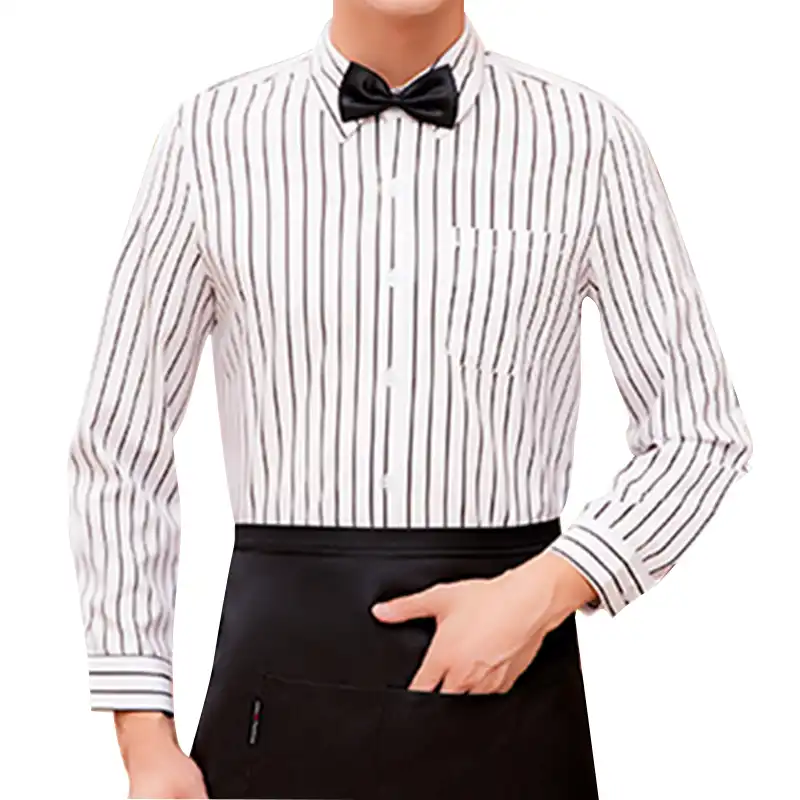
A Service Shirt is more than just normal work clothes; it's a functional uniform designed to meet the needs of both professional appearance and operational resilience. Unlike regular clothes or dress shirts, these special clothes have extra stitching at stress points, technologies that keep clothes dry, and fabric treatments that make them last through many commercial washing cycles without losing their shape or colour.
What Makes Service Shirts Different
Professional Service Shirts are constructed considerably differently than garments bought in stores. The clothing are often made from polyester-cotton blends (typically 65/35 ratios) that provide the durability and wrinkle-resistance of synthetics with the breathability of natural fibres. Many of them include soil-release treatments that assist oils and stains come out when you wash them, which keeps the garment looking professional longer. Color-retention methods keep your brand colours brilliant wash after wash, and strengthened seams protect them from blowing out when you undertake heavy labour.
Industry Applications Across Sectors
There are many important jobs that Service Shirts do in many different areas. In car shops across North America and Europe, technicians need to wear clothes that can handle grease and chemicals while still looking clean for meetings with customers. Hospitality teams in the Asia-Pacific need clothes that let air flow and won't stain so that workers can stay comfy during long shifts. Companies in the tech industry that put on corporate events want uniforms that fit well and have high-quality branding options that show how innovative they are. In order to keep workers safe and comfortable, manufacturing sites need options that are useful and long-lasting.
When procurement teams understand these basic traits, they can see why buying custom-made Service Shirts is a better investment than adapting consumer-grade options.
Core Criteria for Selecting Service Shirts Across Different Industries
When picking the right Service Shirts, you need to think about a number of important factors that have a direct effect on employee happiness, the durability of the clothes, and the total cost of ownership. Smart buying pros look at more than just the price of an item to see how well it fits their needs.
Fabric Technology and Performance Features
Today’s Service Shirt is constructed from advanced textile technologies developed to fulfil the demands of the work environment. Capillary action is used by moisture-wicking materials to draw moisture away from the skin, helping workers stay cool and comfortable in hot or busy environments. This is especially useful in locations like the Middle East, Africa and Australia where heat regulation is critical. Anti-odor treatments prevent the growth of germs, so you don't need to wash your garments as often. Stain resistant coatings guard against common occupational pollutants including lubricants in a maintenance environment and coffee spills in a business environment.
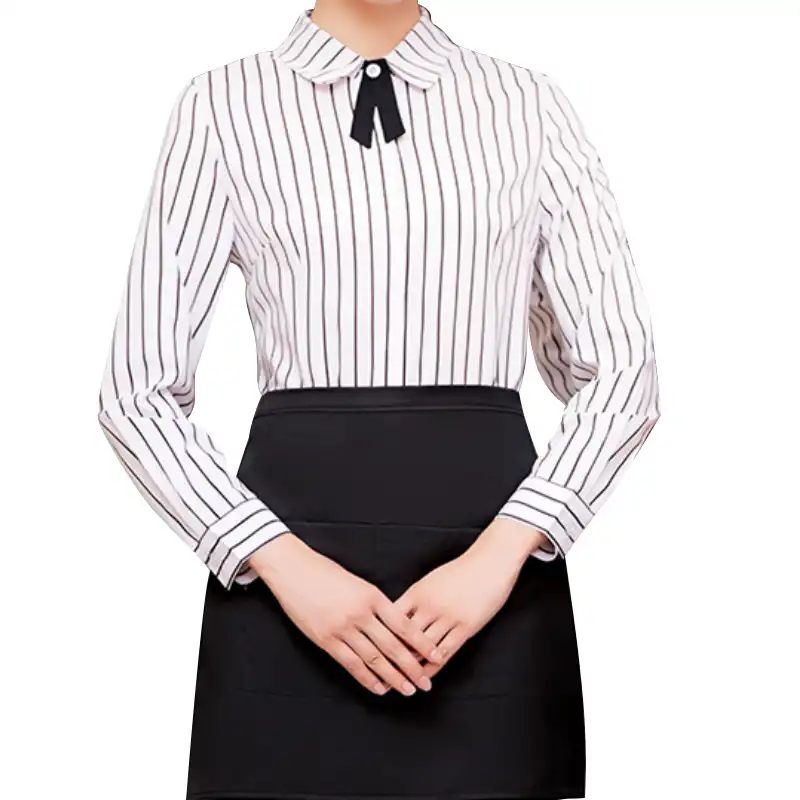
Procurement teams should focus on performance materials that workers want to wear when they're looking for goods for technology-driven markets in North America and the Asia-Pacific region. Uniforms that are well-made and comfortable boost morale and make people less likely to break dress code rules. Four-way stretch panels make it easier to move around in busy jobs, and treatments that don't wrinkle keep you looking professional without having to press all the time.
Customization and Branding Capabilities
Service Shirts have a lot of value because they make workers into living advertisements for the brand. Good sellers offer many ways to decorate. For example, embroidery gives brands and company names a high-quality, long-lasting finish, while screen printing is a cheap way to make bigger designs or promote events. Heat transfer programs are good for making complicated images or small orders.
Being able to match colours makes sure that your outfits are exactly in line with your brand's standards. Manufacturers with a good reputation can match Pantone specifications for up to 60 standard colours. For larger orders, custom dye lots are also available. This level of accuracy is especially important for companies that have strict brand standards in many places in Europe, Southeast Asia, and North America.
Sizing Accuracy and Bulk Procurement Considerations
Poor fit is the fastest way to mess up uniform plans. Reliable sellers offer full size charts with precise measures like chest width, shoulder span, sleeve length, and body length, which makes it possible to accurately order for people with different body types. Some companies make the same style in different fit profiles (regular, slim, and relaxed), so employees can choose the one that works best for them while still keeping the style's look consistent.
When you buy things in bulk, it can be hard to keep track of your goods and keep costs down. Suppliers who have a lot of production lines, like those that run more than one, can handle big orders without having to wait for longer lead times. Find partners with flexible minimums that let you try out styles before committing to full rollouts, and talk to them about volume pricing that saves you a lot of money on orders over 500 or 1,000 pieces.
How to Match Service Shirt Types to Industry Needs: A Demand Matching Approach
Service Shirts need to meet different standards in different industries, so it's important to make sure that the features of the clothes match the needs of the job. When procurement teams know about these sector-specific needs, they can make smart choices that combine function, appearance, and price.
Technology and Corporate Environments
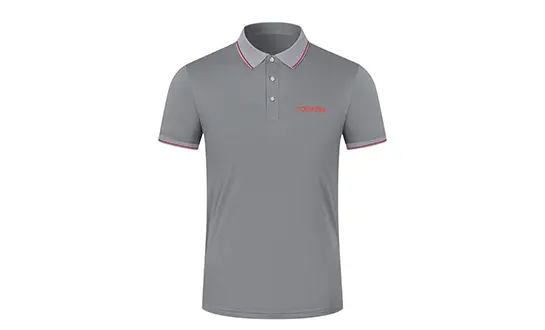
Tech companies and corporate marketing teams need Service Shirts that look modern and are comfortable to wear all day. Polo-style clothes made of moisture-wicking materials work really well because they give workers a professional look that's good for meetings with clients and keep them relaxed while they show off products or set up for events. Companies that want to show themselves in a more casual way without losing their business can choose from V-neck and crew neck styles.
Younger professionals in IT fields in North America, Europe, and the Asia-Pacific region current fit styles that are a little tapered through the chest but not too tight. That’s where premium branding such as high-definition embroidery or discreet screen printing can make a difference for firms at trade fairs, conferences and events where they meet with clients. Performance textiles that resist wrinkling appear pristine after long days at an event or on the road.
Sustainable and Eco-friendly Businesses
Companies that care about their social responsibility are looking for Service Shirts that are more in line with their environmental values. There is a lot of demand for clothes made from approved organic cotton, polyester made from used plastic bottles, or new fabrics made from bamboo or other green resources in Europe and Southeast Asia.
When looking for suppliers in these areas, make sure they have certificates that show they use fair trade, GOTS (Global Organic Textile Standard), or OEKO-TEX methods to make sure their claims about social and environmental issues are true. Eco-friendly buyers care a lot about transparency in the supply chain, so partners who are open about where their products are made and how they are made win trust. When it comes to sustainable procurement, durability is even more important because clothes that last longer have a smaller overall effect on the environment, no matter where the materials come from.
Industrial and Service Sectors in Emerging Markets
Service Shirts for emerging markets must balance durability, comfort, and affordability. Industrial and outdoor applications require strong fabrics, reinforced areas, colourfast materials, breathability, and UV protection. Suppliers should provide reliable stock and competitive bulk pricing through stable production capacity, ensuring uninterrupted uniform programs for large workforces in demanding environments.
Top Trends and Best Practices in Service Shirt Procurement for 2026
The world of Service Shirt procurement is always changing because of new fabrics, changing worker expectations, and better supply chain management. Keeping up with these changes helps buying pros make smart choices that give them an edge in the market.
Fabric Innovation and Performance Enhancement
Moisture-management technologies have come a long way. For example, newer fabrics have microfibre structures that speed up drainage while keeping the fabric soft to the touch. These materials work really well in places with a lot of action or that are warm, and they keep workers more comfy than regular polyester blends. Some makers now make Service Shirts with built-in cooling effects. These are made possible by mineral processes that react with sweat to make the fabric a little cooler. This is useful for people who work outside in the Middle East, Africa, and Australia.
Innovations that are driven by sustainability have performance benefits that go beyond being good for the world. Recycled polyester is now as durable and comfortable as new polyester, and it also leaves less of a carbon impact. Growing organic cotton keeps sensitive skin from being irritated by pesticide residues, which could lead to fewer complaints at work. These materials cost a lot, but they're worth it because they make employees happy and improve the brand's image, especially in places like Europe and Southeast Asia where people care a lot about being environmentally friendly.
Supplier Relationship Best Practices
Uniform programs that work well are built on strong partnerships with suppliers. Check out possible partners' operating skills as well as the quality of their products to see if they can work with you for a long time. Manufacturers with three plants and ten production lines show that they can grow with your needs, taking on both new orders and program growth without lowering quality or lengthening lead times.
Communication response is very important in business-to-business interactions. Suppliers that promise to answer questions 24 hours a day and give you dedicated account management help solve problems quickly, so uniform rollouts are interrupted as little as possible. Look for partners who can offer flexible payment terms that work with your budget while also protecting their own interests. This balance shows that the business is mature and will last.
Before placing a big order, sample programs let you check the quality, size, and look of the goods. Reliable sellers are happy to give samples because they know that this builds trust and lowers the number of returns. Not just blank clothes, but samples of the style of customisation you want (with embroidery or printing) will help you get a good idea of how the final product will look.
Optimizing Procurement Through Strategic Planning
Strategic procurement reduces costs and improves efficiency through accurate sizing, planned inventory, bulk purchasing, and supplier coordination. Combining orders across departments enables better pricing and supply priority. Reliable production and logistics systems shorten delivery times, helping organizations respond quickly to workforce changes and maintain steady uniform availability across global markets.
Practical Styling and Care Tips to Enhance Service Shirt Longevity and Appearance
Maximising the Service Shirt lifetime increases the value of the program while keeping the professional look of the clothes. Companies can protect their uniform investments by following the right care instructions and styling tips.
Maintenance Best Practices for Extended Garment Life
Industrial cleaning is very different from home laundering because clothes are washed at higher temperatures, with stronger chemicals, and under more mechanical stress, which speeds up wear. There are ways to protect uniform purity even when using business services. When you turn clothes inside out before cleaning them, the outside areas that have logos and colours on them are less likely to get damaged. Snagging doesn't happen during wash cycles when buttons and zippers are closed. Keeping highly soiled items separate from lightly worn clothes keeps them from getting dirty again.
Setting the right temperature combines the need for cleanliness with the need to protect the cloth. High temperatures can get rid of stains and kill bacteria, but they can also damage synthetic fibres and make some stains permanent. When compared to hot processes, warm water (120–140°F) gets rid of most stains and makes clothes last longer. For decorations that are sensitive to heat, like some vinyl prints, washing them in cold water keeps their look, even though it cleans less effectively.
Treatment for stains works best when done right away. If you quickly wipe up spills, they won't get deep into the fibres and be hard to get out. Do not rub, as this spreads spots and weakens the cloth. Using the right stain removers (enzyme-based for proteins, solvent-based for oils) before cleaning makes a huge difference in the results. Keep treatment products in first-aid or maintenance areas of the workplace so that people can get them quickly.
Styling Guidance for Professional Presentation
Service Shirts balance workwear and professional appearance. Tucked styles suit customer-facing roles, while untucked options fit casual environments. Colour choices influence perception, with dark tones showing authority and bright colours creating energy. Layering with compatible garments improves seasonal adaptability while maintaining a consistent and professional uniform image.
Common Procurement Pitfalls to Avoid
Avoiding procurement mistakes requires focusing on quality, supplier verification, and customization control. Low-quality products often create higher replacement costs, while unverified suppliers may harm reputation and compliance. Set clear quality standards, check certifications, and approve prototypes before mass production to ensure products meet expectations and reduce unnecessary risks.
Conclusion
When choosing the right Service Shirts, you have to think about a lot of things, like the performance needs of your industry, the comfort preferences of your employees, the brand's presentation standards, and your budget. Companies that rely on technology need current fits with materials that wick away moisture and high-quality graphics. Businesses that care about the environment choose approved organic or recycled materials and make their production clear. Applications in industrial and developing markets need features that are as durable as possible and suitable for the climate. By knowing these differences, procurement pros can make smart choices that will improve employee happiness, build a professional brand, and provide a strong return on investment (ROI) through longer garment lifecycles. Partnering with skilled providers that offer full customisation, reliable production capacity, and quick service makes sure that uniform programs work in all kinds of operating settings around the world.
FAQ
1.What distinguishes service uniforms from regular dress shirts?
Service Shirts are made with industrial-grade materials that aren't used in regular work shirts. Reinforced seams keep the fabric from coming apart during hard work, and treatments on the fabric make it resistant to stains and easy to clean. Commercial washing at higher temps and with stronger detergents than retail clothing can handle keeps these clothes looking good after 60 to 100 wash cycles, while regular shirts would lose a lot of their shape.
2.How should organizations determine correct sizing for bulk uniform orders?
For accurate size to begin, all workers must be given clear instructions on how to measure themselves. Give steps on how to measure your chest size, arm length, and body length, preferably with pictures. Giving workers the chance to try on clothes in different sizes helps them find the best fit before they place their final order. Keeping a buffer stock of common mid-range sizes on hand helps with new hires and replacements in between regular order cycles.
3.Which fabric choices optimize durability and comfort?
Polyester-cotton mixes (usually 65/35 ratio) are good for most uses because they are durable and breathable. A higher polyester content makes the fabric less likely to wrinkle and keep its colour, but it also makes it less likely to absorb water. Pure cotton is the most comfortable and breathable material, but it wrinkles and may shrink a little. For active roles or warm climates, like in the Middle East, Africa, and Australia, performance-enhanced fabrics with moisture-wicking treatments are a good choice.
Partner with Welston for Your Service Shirt Requirements
Welston has almost 30 years of experience with corporate uniforms and can help businesses that need reliable Service Shirt solutions. We have the production ability for large bulk orders thanks to our three dedicated facilities, 10 production lines, and more than 580 skilled team members. We also keep the highest quality standards. Our high-tech JUKI and SHINLING tools make sure that every garment is cut precisely and sewn consistently. We work with trusted partners like Panasonic, Mercedes-Benz, Dell, Toshiba, and Toyota to help technology companies, environmental groups, and manufacturing operations in North America, Europe, Asia-Pacific, and developing markets. With our wide range of customisation options, including screen printing, embroidery, and heat transfer, we can turn service uniforms into powerful brand ambassadors. Welston has a specialised support team that answers questions within 24 hours and helps you with your buying journey. Contact us at [email protected] to talk about your specific needs with an expert Service Shirt provider who is dedicated to providing comfortable, long-lasting outfits that improve your business's image and keep your employees happy.
References
1. Miller, R. & Thompson, K. (2023). Industrial Textile Performance Standards: A Procurement Guide. New York: Corporate Apparel Press.
2. Hansen, L. (2023). "Fabric Technology Innovations in Professional Workwear," Journal of Textile Engineering and Management, 45(3), 127-143.
3. Chen, W. & Rodriguez, M. (2024). Sustainable Uniform Procurement: Environmental and Economic Considerations. London: Green Business Publishing.
4. Anderson, J. (2022). "Employee Satisfaction and Uniform Quality: Correlation Analysis Across Service Industries," Human Resources Quarterly, 38(2), 89-104.
5. Foster, D. & Williams, S. (2023). Global Uniform Supply Chain Management. Singapore: Asia-Pacific Business Review Press.
6. Morrison, T. (2024). "Emerging Markets and Corporate Uniform Trends in Middle Eastern and African Regions," International Business Review, 52(1), 67-82.
We specialize in designing, producing, and selling corporate clothing. Mainly produces: industrial clothing, business uniforms, and work clothes for different companies.

About Welston Garments