It takes careful thought of usefulness, safety, and brand image to style professional work clothing that strikes a balance between practicality and style. Effective work clothing does more than just keep workers safe; it also makes them look professional, keeps them comfortable, and complies with regulations. The secret is to choose clothes that can be worn in different types of work settings while keeping a consistent, branded look that shows off your company's values and dedication to quality.
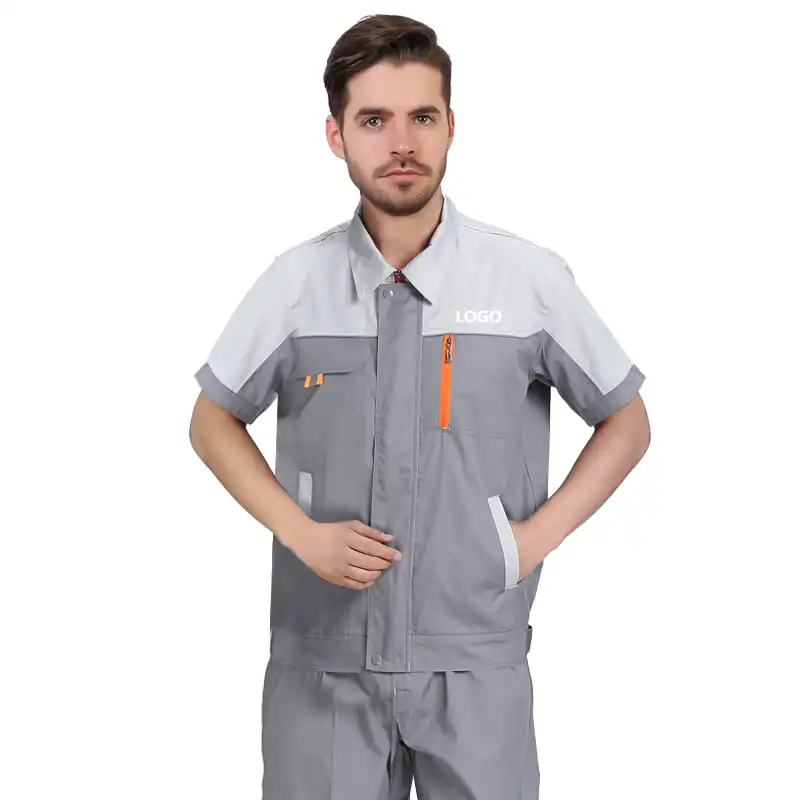
Understanding the Essentials of Practical and Polished Work Clothing
Pro workwear combines safety, comfort, and company image. Work clothing must meet numerous standards concurrently, unlike casual or basic uniforms. This clothing must safeguard workers from occupational risks and create a professional image to boost brand credibility and client trust.
Quality Standards for Professional Workwear
Understanding your industry and workers need quality work clothing. Manufacturing facilities need sturdy textiles that resist wear and washing, while offices need professional aesthetics and comfortable materials for long-term usage. Long-shift hospitality workers require clothes that stay clean after regular washes.
Practical workwear starts with safety. Working in high-visibility logistics or flame-resistant manufacturing requires adequate work clothing to protect and fulfill regulations. Well-designed uniforms impress customers and stakeholders, protecting both physical and professional image.
Workwear Branding
Strategic workwear makes employees brand advocates. Custom embroidery, consistent color schemes, and skilled tailoring show business values and detail. European and American companies appreciate sustainable materials and approved protective gear that shows environmental responsibility and worker safety.
Core Elements to Style Work Clothing for Functionality and Professionalism
Successful workplace style requires understanding many key characteristics that combine to generate practicality and professionalism. Our main components guarantee that your professional uniform investment maximizes staff happiness and brand visibility.
Material Choice and Fabric Technology
Modern work clothing uses innovative fabric technology. Cotton-polyester mixes are durable and comfortable, making them excellent for office and light factory use. Breathable, moisture-wicking textiles make workers comfortable in varying conditions, especially for Asia-Pacific and Middle Eastern enterprises.
Fabric weight and weave patterns affect look and function. Lighter weights are good for inside offices and hotels, while medium-weight materials are versatile for multi-environment organizations. Wrinkle-resistant finishes save upkeep and preserve professional look.
Fit, Design Considerations
A good fit improves comfort and professionalism. Ergonomics facilitate natural movement while seeming fitted. Expandable waistbands and adjustable sizes guarantee that uniforms fit your varied workforce.
Pocket location, seam structure, and closures affect everyday functioning. Strategic pocket placement stores critical equipment and personal items without altering the garment's form. Reinforced seams in high-stress locations prolong garment life and look professional.
How to Choose and Coordinate Work Clothing for Different Industry Needs
Industry considerations trump aesthetic preferences in workwear choosing. Understanding these unique demands ensures that your uniform program promotes operational efficiency, regulatory compliance, and customer interactions via professionalism.
Safety and Compliance Rules
Safety standards including OSHA, ANSI, and EN ISO guide workwear choosing. Logistics and construction high-visibility gear must fulfill reflectivity and color standards. Manufacturing flame-resistant clothes need certification and upkeep to stay protective.
Procurement managers must monitor certification and documentation. Workers and companies are protected by keeping compliance requirements, certification dates, and inspection schedules. Safety criteria are reviewed regularly to adapt workwear programs to new legislation and industry best practices.
Regional and Environmental Adaptations
Workwear choices is heavily influenced by geography. Middle Eastern and African companies need UV and heat-protective seasonal attire. Light hues and breathable materials keep you cool in hot weather while meeting cultural modesty standards.
Businesses in diverse climates need seasonal adaptation. Workers may alter their attire for different situations while keeping brand look using layering systems. Flexibility and professional appearance may be achieved by coordinating base, mid, and outer shells.
Case Studies: Practical and Polished Work Clothing in Action
Real-world examples show how intelligent workwear selection helps several sectors. Examples of style concepts in practice show how they affect company operations, staff pleasure, and consumer impression.
Manufacturing Excellence in Action
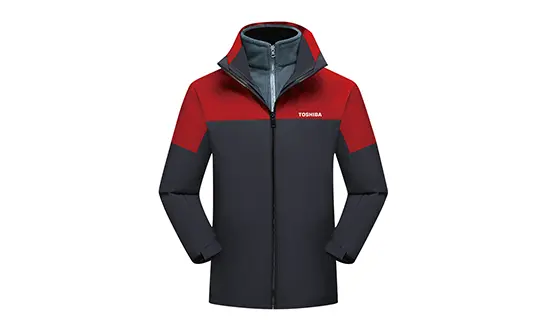
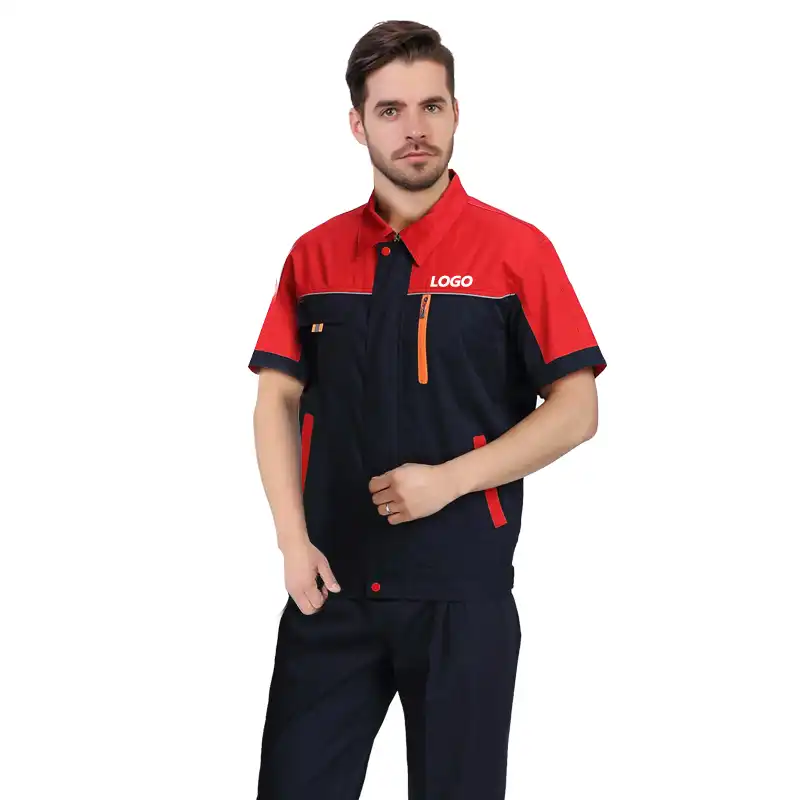
A renowned automobile parts manufacturer worked with Welston to create personalized industrial work clothing that increased safety and brand awareness. With a coordinated system of high-visibility safety jackets with embroidered logos and matching work clothing trousers, the firm met all safety rules and looked professional to visiting customers from Toyota and Dell.
To meet seasonal labor circumstances, the curriculum varied. Summer work clothing consisted of lightweight, breathable materials with UV protection for outdoor work, while winter work clothing had insulated layers for mobility and professionalism. This complete strategy boosted worker satisfaction and decreased replacement costs owing to better construction.
Hospitality Sector Transformation
A multinational hotel management firm wanted uniforms that met cultural needs and maintained brand integrity. Creating region-specific core uniform designs solved the problem. European hotels used contemporary, sustainable materials to attract eco-conscious visitors, whereas Middle Eastern hotels used culturally acceptable coverage and breathable textiles for local climates.
Brand awareness and local preferences were achieved with custom embroidery and logo positioning. The program increased employee retention and client satisfaction with staff professionalism and attention to detail.
Practical Tips for Work Clothing Maintenance and Longevity
Professional workwear needs routine maintenance suited to fabric types and working situations to last and look good. Proper maintenance prolongs garment life and maintains safety and professional appearance.
Top Cleaning and Care Tips
Fabric-specific care guidelines maintain beauty and function. Cotton-polyester mixes need moderate washing temperatures to minimize shrinking and remove dirt. To retain certification, flame resistance and water repellency treatments need special attention.
Based on use frequency and filth exposure, washing regimens maximize cleanliness and garment lifespan. Chef jackets and factory uniforms may need daily cleaning, while office clothes may last longer with rotation.
Plan replacements and inventory
Professional look and safety compliance are not compromised by worn or damaged uniforms due to proactive replacement planning. Inspections spot wear and possible concerns early. Proper inventory management allows speedy replacement while controlling storage and financial flow.
Tracking systems help monitor garment lifecycles and identify opportunities for program improvements. Data on wear patterns, replacement frequency, and employee feedback guides future procurement decisions and budget planning.
Welston: Your Trusted Partner for Professional Work Clothing Solutions
Welston has over 30 years of expertise developing and producing professional workwear for worldwide markets. Three specialized facilities with 10 production lines, over 580 trained personnel, and innovative JUKI and SHINLING equipment provide us full manufacturing capabilities.
Highly Capable Manufacturing
Our modern facilities provide ironing, cutting, and stitching equipment and screen printing, water-based, and heat transfer manufacturing lines. This integrated method assures quality and allows logo, color, and special request customisation.
Our manufacturing capability covers modest bespoke items and global corporate purchases. Panasonic, Mercedes-Benz, Dell, Toshiba, and Toyota are among our partners, proving we can match global corporate requirements.
Wide Product Selection and Customization
Our products include uniforms, industrial workwear, hospitality dress, office clothes, safety gear, and seasonal workwear. Each category offers S–5XL sizes and color combinations such blue-gray, dark gray, and high-visibility yellow-navy.
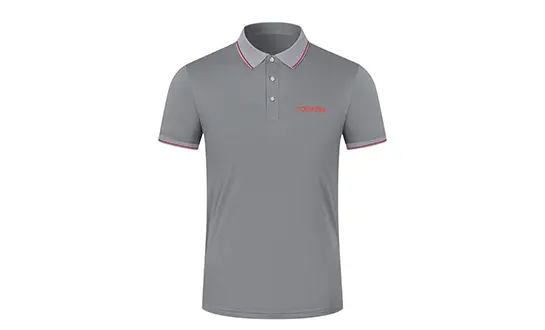
Our customization services include embroidery, printing, and silicon seal applications with flexible logo placement options. Whether you need left chest positioning for subtle branding or back placement for maximum visibility, we accommodate your specific brand presentation requirements.
Conclusion
Practical and polished work clothing demands combining safety, comfort, durability, and professional look. Understanding industry standards and presenting the brand consistently across varied workplaces is key to success. Quality materials, fit, and smart design produce workwear that protects and promotes the brand. Effective maintenance and replacement planning maximizes investment value and maintains compliance and professionalism. Procurement managers may create workwear programmes that support operational efficiency and brand goals by working with experienced manufacturers that understand global market needs.
Frequently Asked Questions
Q1: When I am choosing work clothes for the factory, what safety ratings should I look for?
A: For clothes that are easy to see, look for compliance with ANSI/ISEA. For materials that are resistant to flames, look for NFPA approval. For general safety standards, look for OSHA compliance. Different fields might need certain certificates. To be sure you are following the rules, talk to your safety boss and look at the rules in your area.
Q2: How do I find the best fabric mix for the way people work at my company?
A: Think about the things that make your workplace hard. Cotton-polyester mixes are comfortable and long-lasting in most office and light industrial settings. Pick synthetic fabrics that pull sweat away when you are in a hot setting. People who work outside need materials that are resistant to UV rays, and people who work in food service need fabrics that are resistant to stains and easy to clean.
Q3: What are the best ways to customize work clothes so that people remember your brand?
A: Logos that are embroidered look more professional and last longer, but printed designs have more color choices and more detailed drawings. Where you put the logo on an item depends on how much you want people to see it. Putting the logo on the left side of the chest is a more subtle way to promote the brand, but putting it on the back makes it more visible. When choosing ways to customize, think about the professional standards in your field.
Partner with Welston for Professional Work Clothing Solutions
Welston's trendy business work clothing options will boost your staff's professionalism. Our skilled staff designs customised uniforms that blend safety, comfort, and brand display for manufacturing, hospitality, and corporate enterprises. We understand worldwide business needs after 30 years servicing global customers and partnering with Panasonic and Toyota. Our 24-hour after-sales support staff provides realistic answers to any issues. Will high-quality work clothing from a reliable provider boost your company's image? Contact us at [email protected] to discuss your custom work clothing manufacturer requirements.
References
1. Johnson, M. (2023). "Industrial Safety Standards in Modern Workwear Design." Occupational Safety and Health Quarterly, Vol. 45, Issue 3, pp. 78-92.
2. Chen, L. & Rodriguez, A. (2022). "Sustainable Materials in Professional Uniform Manufacturing: A Global Market Analysis." Textile Industry Research Journal, Vol. 28, No. 4, pp. 156-171.
3. Thompson, R. (2023). "Corporate Branding Through Employee Workwear: Impact on Customer Perception." Business Image Management Review, Vol. 17, Issue 2, pp. 45-61.
4. Williams, S. (2022). "Climate-Adaptive Workwear Solutions for Global Operations." International Manufacturing Trends, Vol. 39, No. 7, pp. 112-128.
5. Davis, K. & Park, H. (2023). "Ergonomic Design Principles in Professional Workwear Development." Applied Ergonomics in Industry, Vol. 52, Issue 1, pp. 34-49.
6. Anderson, J. (2022). "Cost-Effectiveness Analysis of Quality Workwear Investment Programs." Procurement Management Today, Vol. 31, No. 8, pp. 89-104.