When you buy custom-logo Work Clothing, you need to think about quality standards, source vetting, and supply planning to make sure the buying goes well. Getting Work Clothing from China is very helpful because it is cheaper, can be made in many different ways, and has strong production capabilities. Businesses that want to get professional uniforms, industrial Work Clothing, and protective gear that meets global standards while also keeping their prices competitive need to understand trade terms and compliance requirements and make strong connections with experienced manufacturers like Welston.
Why Source Work Clothing from China?
Manufacturing Excellence and Scale
China leads the world in cloth production, with a complex industrial system that supports a wide range of workwear needs. The country makes about 40% of the world's fabrics, which gives it the best production capacity for business outfits, safety clothing for workers, and other specialty protection gear. Japanese JUKI and Taiwanese SHINLING brands make cutting, sewing, and finishing more exact. Their high-quality machines meet the world's highest standards.
Cost Advantage Without Quality Compromise
Chinese makers keep strict standards for quality while offering big savings of 30% to 60% over American or European providers. Competitive prices are made possible by labor efficiency, the ability to easily get raw materials, and production processes that run smoothly. The chances to buy in bulk further lower the cost for each individual item. This is especially helpful for big projects that get people in the transportation, industrial, and leisure sectors ready for work.
Customization Capabilities
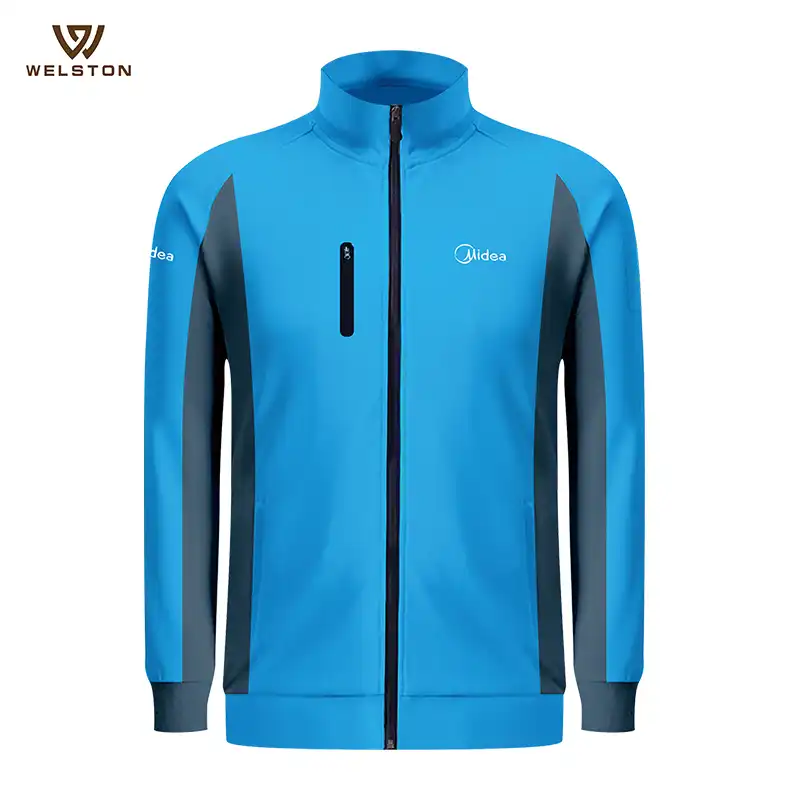
Chinese providers are great at customizing things like logo placement, screen printing, heat transfers, and needlework. Advanced production lines can handle changes to color, size, and style. Businesses like Welston run special customization shops with full design help to make sure that the branding is the same on all company clothes and uniforms.
Understanding Technical Specifications and Quality Standards
Essential Material Classifications
Professional clothing is made from different kinds of fabrics depending on how it will be used. Cotton-polyester blends are long-lasting and comfortable for work clothes, and aramid fiber flame-resistant materials keep people safe in industry settings. According to ANSI/ISEA guidelines, high-visibility fabrics must have reflecting strips with minimum levels of retroreflection. Waterproof clothes uses flexible fabric technologies to keep people comfortable when they wear them for long amounts of time.
Safety Certification Requirements
Industrial safety clothing has to meet certain approval standards, like EN ISO 20471 for high-visibility clothes, NFPA 2112 for flame-resistant trousers, and ASTM standards for how well protection gear works. Manufacturers should show proof of compliance tests findings. Impact resistance scores are needed for construction clothes, and chemical-resistant clothes need to be verified with permeability tests.
Durability and Performance Metrics
Quality Work Clothing is tested in a number of ways to make sure that it will not fade, that it will not shrink, and that the seams will not come apart. Tear resistance ratings make sure that heavy-duty uses can handle the needs of the workplace. Washing cycle testing checks that the life is the same across the board, and wear resistance testing checks that the cloth stays intact when it's used over and over again. Quality control records are kept by professional providers during the whole production process.
Navigating Trade Terms and Import Logistics
Common International Trade Terms
Figuring Out When buyers and sellers do business across borders, Incoterms makes it clear who is responsible for what. When goods leave the supplier's port, FOB (Free on Board) rules make buyers set up shipping and insurance, but CIF (Cost, Insurance, and Freight) includes shipping to the target port provided by the supplier. With EXW (Ex Works), buyers have to do everything, including shipping and taxes, from the supplier's site.
Complete Import Process Overview
The import method starts with a request that includes information about the specs, amounts, and shipping needs. Suppliers give thorough price quotes that include unit prices, minimum order amounts, and wait times. Through official Purchase Orders or Proforma Invoices, contract talks set the standards for quality, the times when things must be delivered, and the terms for payment. Monitoring production makes sure that standards are followed, and then quality testing and pre-shipment review happen to ensure that all Work Clothing meets the required specifications before being shipped.
Essential Documentation Requirements
Import paperwork has business bills that list the names, amounts, and prices of the products. Packing lists tell you what's in a package and how it's packed. Bills of Lading are shipping records and title paperwork. Certificates of Origin are used by customs to check where goods were made. Quality inspection papers show that the object or product meets the standards and rules that are set for it.
Regulatory Compliance and Certification Management
Regional Compliance Variations
European markets need a CE stamp on personal protective equipment to show that it meets health and safety standards. The CPSIA rules for chemical makeup and cloth flammability must be followed by American goods. Middle Eastern markets often require traditional humility in service outfits, but Asian markets focus on quick delivery and low costs.
Labeling and Documentation Standards
Proper labeling includes fiber content disclosure, care instruction symbols, and country of origin identification. Safety gear requires performance level markings and certification numbers. Corporate uniforms need size identification and brand labeling compliance. Packaging must include handling instructions and shipping identification for customs clearance procedures.
Restricted Materials and Substances
Import regulations restrict certain chemical substances in textile production. REACH compliance limits heavy metals, formaldehyde, and azo dyes in European markets. CPSIA standards restrict lead content in children's workwear applications. Oeko-Tex certification ensures absence of harmful substances throughout production processes, enhancing market acceptance and safety compliance.
Why Welston Represents Your Ideal Import Partnership
Comprehensive Manufacturing Capabilities
Welston operates three dedicated factories with ten production lines supporting diverse Work Clothing requirements. Advanced equipment from JUKI and SHINLING manufacturers ensures precision manufacturing for protective gear, industrial workwear, and corporate uniforms. Screen printing, heat transfer, and embroidery capabilities provide complete customization services under single-source management, streamlining procurement processes and quality control.
Proven Track Record with Global Brands
Twenty-seven years of specialized experience includes partnerships with renowned companies including Panasonic, Mercedes-Benz, Dell, Toshiba, and Toyota. These relationships demonstrate capability in meeting stringent quality requirements, delivery schedules, and compliance standards across automotive, technology, and manufacturing sectors. Consistent performance with Fortune 500 companies validates manufacturing excellence and reliability.
Customer Service Excellence
When people ask questions, professional customer service teams get back to them within 24 hours. They help with technology issues, give information on products, and plan logistics. Account management makes sure that there is always contact during the buying process. Long-term partnerships in global markets are built when buying risks are lowered through flexible payment plans and quality guarantee programs.
Cost Structure Analysis and Pricing Transparency
Detailed Cost Component Breakdown
The cost of transparent price includes the cost of materials, the cost of work, the cost of making changes, and the cost of quality control. Choosing the right fabric has a big effect on the end price. Higher quality materials cost more but also work better and last longer. The cost of different customization methods varies, for example, screen printing is usually cheaper than embroidery.
Volume-Based Pricing Advantages
Bulk procurement offers substantial per-unit savings through economies of scale in production planning and material purchasing. Minimum order quantities vary by product complexity, with basic uniforms requiring lower minimums than specialized protective gear. Long-term contracts provide additional pricing stability and production capacity allocation benefits.
Hidden Cost Identification
The full cost study takes into account the costs of shipping, import taxes, and customs handling fees. Quality checking, paperwork, and possible repair costs all need to be taken into account when looking at total purchase funds. The costs of delivery depend on currency exchange rates and the fees for making payments. This means that careful financial planning and risk management are needed.
Supply Chain Reliability and Production Lead Times
Manufacturing Infrastructure Assessment
China's textile industry is helped by supply lines that include making fiber, sewing fabric, coloring fabrics, and putting clothes together. The ports in Shanghai, Shenzhen, and Ningbo are well-designed for sending goods to and from places around the world. Transportation networks help make sure that raw materials and produced things get to the right places on time and during all parts of the production cycle.

Production Planning and Scheduling
Basic outfits usually take 15 to 30 days to arrive, but safety gear for special purposes may take 30 to 45 days because of testing and licensing. Changes in demand throughout the year affect the ability to make things, with spring and summer peak times that need to be planned ahead for. If you need something done really quickly, you can place a rush order, but it usually costs a lot more.
Quality Control and Inspection Protocols
Quality control in multiple stages means checking the materials when they arrive, keeping an eye on the process, and making sure the end product is correct before it is shipped. For important uses, third-party testing services check quality independently. Inspection records, test papers, and photos that back up quality claims and proof of compliance are all part of documentation packages. This ensures that all Work Clothing meets the highest standards of durability, safety, and performance.
Communication Excellence and Business Relationship Management
Language and Cultural Considerations
When you buy something from a professional Chinese company, you can be sure that you and the people selling and fixing things for the company can talk to each other clearly, because they hire English-speaking salespeople and technicians. Understanding other cultures makes business relationships better, and great partnerships are based on respect for each level of the business, relationship building, and the growth of long-term partnerships. Coordinating time zones makes it easier to talk in real time and quickly respond to urgent needs.
Technology Integration and Digital Communication
Chinese makers today use digital tools for contact, like video calls, group chats, and shared to-do lists. Digital samples and virtual review processes speed up the time it takes to develop projects and cut down on the need to travel. You can see production progress, quality records, and shipping details right away with electronic recording tools.
Relationship Building and Trust Development
Partners who trust each other will always be honest with each other and work together to make sure everything is perfect. Regular trips to the building, surveys of capabilities, and performance reports make business relationships stronger. Long-term contracts let both sides know what to expect, and they can work together to make things better and come up with new ideas.
Conclusion
Importing custom-logo Work Clothing from China is a great idea because it saves money, has excellent production, and offers a wide range of customization options. Success rests on a lot of things, like making sure that you carefully check out your suppliers, clearly communicate your specifications, and have strong quality control processes in place. Understanding the language of foreign trade, the rules that must be followed, and how to coordinate operations makes the process of getting Work Clothing easier. Working with well-known makers like Welston gives you access to proven skills, experience working with businesses around the world, and high standards for customer service. This helps you meet your long-term business goals in a variety of market conditions.
Frequently Asked Questions
Q1: What minimum order quantities should I expect when importing work clothing from China?
A: Minimum order quantities typically range from 100-500 pieces per style depending on customization complexity. Basic uniforms often have lower minimums around 100-200 pieces, while specialized protective gear may require 300-500 pieces due to material sourcing and production setup costs. Established suppliers like Welston can accommodate smaller quantities for sample orders or trial programs.
Q2: How do I ensure imported workwear meets safety and quality standards?
A: Request certification documentation including test reports for relevant safety standards such as ANSI, EN ISO, or NFPA requirements. Arrange third-party inspection services for quality verification before shipment. Specify testing requirements in purchase contracts and maintain clear communication regarding compliance expectations throughout the production process.
Q3: What payment terms are typically available for international workwear orders?
A: Common payment terms include 30% deposit with 70% balance before shipment for new customers, progressing to more favorable terms like 30-day net payment for established relationships. Letters of credit provide security for large orders, while T/T (wire transfer) offers simplicity and cost efficiency. Payment terms vary based on order size, customer history, and risk assessment factors.
Partner with Welston for Premium Work Clothing Solutions
Welston stands ready to transform your workwear procurement experience through three decades of manufacturing expertise and proven partnerships with industry leaders. Our comprehensive capabilities span protective gear manufacturing, corporate uniform production, and industrial workwear customization across ten dedicated production lines. Quality assurance protocols ensure compliance with international standards while competitive pricing structures deliver exceptional value for bulk procurement requirements.
Professional account management teams provide 24-hour response times, technical consultation, and logistics coordination supporting seamless import processes. Advanced customization facilities accommodate complex branding requirements through embroidery, screen printing, and heat transfer applications. Flexible payment terms and quality guarantee programs minimize procurement risks while building lasting business relationships across global markets.
Experience the difference that comes from working with a trusted work clothing supplier committed to excellence in manufacturing, service, and partnership development. Contact us at [email protected] to discuss your specific requirements and discover how Welston's proven capabilities can support your organization's uniform and workwear objectives with professional solutions tailored to your industry needs.
References
1. International Association of Uniform Manufacturers and Distributors. "Global Workwear Market Analysis and Procurement Guidelines." Industrial Textile Research Journal, Vol. 45, 2023.
2. Chen, Robert L. "Supply Chain Management in Textile Manufacturing: A Comprehensive Guide to International Sourcing." Asian Business Quarterly, 2023.
3. European Committee for Standardization. "Personal Protective Equipment Standards and Compliance Requirements for Industrial Applications." Safety Equipment Review, Issue 3, 2023.
4. Thompson, Sarah M. "International Trade Practices in Textile Procurement: Risk Management and Quality Assurance Strategies." Global Commerce Review, Vol. 28, 2023.
5. American National Standards Institute. "High-Visibility Safety Apparel and Headwear: Performance Standards and Testing Protocols." Industrial Safety Journal, Vol. 67, 2023.
6. Williams, David K. "Corporate Uniform Programs: Strategic Implementation and Supplier Relationship Management." Business Operations Quarterly, Vol. 19, 2023.