Is Cotton or Polyester Better for Trousers? A Complete Guide
Finding the right fabric for work trousers means finding a balance between comfort, sturdiness, and cost. Cotton is naturally soft and breathable, which makes it perfect for light-duty settings where comfort is key. Polyester trousers, on the other hand, offer better durability, moisture management, and low upkeep performance—all of which are important in industry, logistics, and business uniform uses. The answer is contingent upon your working needs, the weather, and your financial limitations. This guide will look at both products from the point of view of buying. This will help you make smart choices about bulk orders that meet safety standards, keep employees happy, and add value over time.
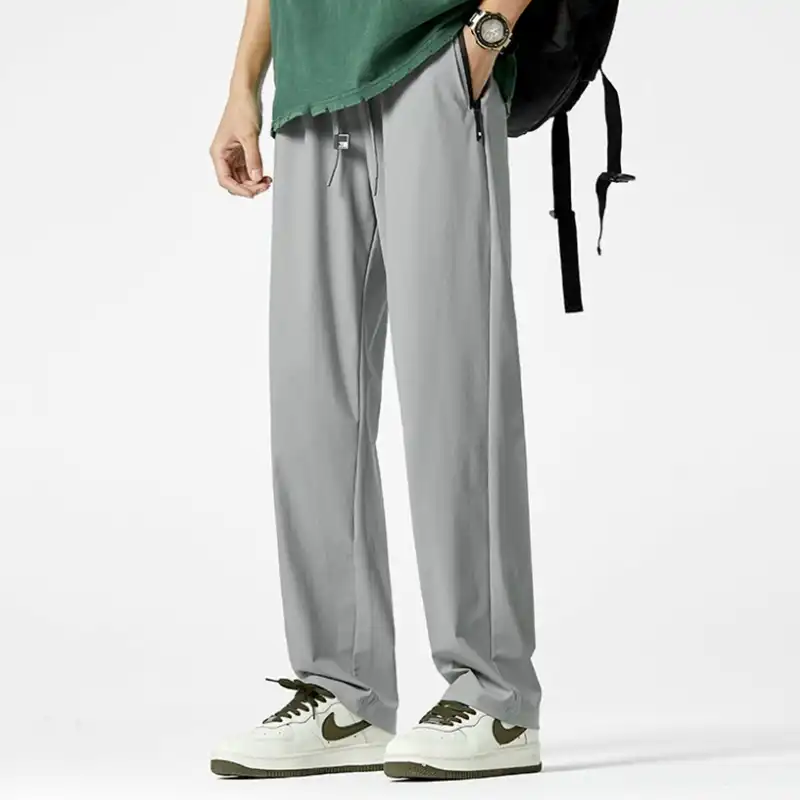
Understanding Cotton and Polyester Trousers: Fabric Types & Characteristics
Understanding the key distinctions between these two types of materials provides sourcing managers with the ability to align the quality of textiles to the demands of the workplace.
The Natural Appeal of Cotton Fabric
Cotton pants are derived from cellulosic plant fibres, which makes them naturally breathable and gentle to the touch, which many workers love. Environmentally conscious firms want organic versions. Combed cotton and other types provide a superior finish. Cotton absorbs moisture (7-8% moisture return is common), which helps keep the body comfortable in mild environments. This natural fibre is a good choice where skin comfort matters, for example in offices, catering occupations, or light assembly work where workers prefer the way it feels on their skin throughout lengthy shifts.
Engineering Behind Polyester Performance
Controlled melt-spinning processes are used to make polyester trousers from synthetic polymers. Using this engineering method, fibers are made that are all the same diameter and strength. Modern versions include microfiber weaves that make the fabric softer, textured yarns that make it easier for air to flow through, and blended compositions that mix synthetic toughness with natural comfort. These fibers are hydrophobic, which means they don't absorb water but instead push it away (0.4% moisture regain). This means they dry quickly and weigh less when they're wet, which are important benefits in North American stores, building sites, and outdoor logistics operations.
Blended Solutions for Balanced Performance
They now make a lot of poly-cotton mixes (usually 65% polyester and 35% cotton) that combine the best qualities of both materials. These mixes make it less likely for pure synthetic fabrics to pill while keeping the strength and resistance to wrinkles that polyester offers. Blended trousers are a good option for companies that want to make clothes last without giving up the natural feel that workers like. Welston has sold these hybrid solutions to major stores and building companies. They meet ANSI safety standards and address comfort concerns made by employees during feedback sessions.
Performance and Durability: Which Fabric Suits Your Needs?
Total cost of ownership for uniform programs is directly affected by how long they last and how much maintenance they need.
Polyester's Structural Advantages
The way the molecules are organised makes polyester extraordinarily high tensile strength. Fibres have a toughness in the 5-7 grams/denier range. In reality this implies that the pants are less likely to break, stretch or wear down than cotton trousers. The field tests with transport firms revealed that the polyester pants were still robust after 200+ industrial wash cycles whereas the cotton trousers become substantially weaker after 80-100 cycles. Synthetic fibres are thermoplastic, and heat will permanently fix pleats and wrinkles. Still looks professional after several washing. These features are extremely beneficial for firms that perform laundry for big fleets of uniformed personnel because upkeep expenses pile up rapidly.
Cotton's Natural Limitations and Strengths
Cotton fibres are soft, but they are less resistant to wear and tear and more likely to shrink. When constructed, normal cotton pants without pre-shrunk may shrink 3 to 5 percent after the first wash. The fibres also weaken when wet, making them less effective in applications where they will be exposed to a lot of moisture. But nothing beats the way cotton lets air through it, especially in hot, dry circumstances. People who operate in climate controlled environments or in regions with moderate temperatures often remark they feel more comfortable wearing cotton clothing. The natural fibre also absorbs dyes better, so colours remain brilliant and long-lasting, which is helpful for the hotel and business sectors who care about how their brands look.
Matching Material to Application
Polyester is strong in places with a lot of rubbing, like the knees and seats, which is helpful for construction companies and transport operations. Synthetic fibers are more resistant to most industrial compounds when they are made in places where chemicals are used. On the other hand, cotton or cotton-rich mixes are often used in office, hotel, and restaurant settings where comfort and look are important. Welston's work with partners like Toyota and Dell has shown that choosing the right fabric for the job cuts down on replacements by 40–60%, which has a direct effect on budgets for purchases.
Practical Guide: How to Care for Polyester and Cotton Trousers
Proper maintenance extends the life of clothes and keeps everyone in your workforce looking good.
Washing Polyester Garments Effectively
Polyester trousers can be washed a lot, but you need to be aware of the temperature. Most dirt can be removed by washing at 140°F (60°C), but the heat won't break the polymer structure. Bleach that is based on oxygen works just as well; chlorine bleach can turn synthetic fibers yellow over time. Drying things in a dryer on low heat keeps their shape and stops them from shrinking. Because these materials dry quickly, they don't always need to be dried in a machine. Drying them in the air saves energy and is better for large-scale processes. People often make the mistake of ironing at too high of temperatures, which leaves glazing (permanent shine lines). Using a press cloth and steam pressing or ironing below 150°C keeps the look without hurting the fibers.
Cotton Care Best Practices
Cotton needs extra delicate care guidelines. Wash coloured items in cold water to avoid fading. Keep the temperature below 120°F. Pre-wash clothes in cold water to avoid shrinking too much at first. Keep bright and dark colours separate or the dye may run. It makes cotton less stiff and more comfy which is a crucial feature in making sure employees are pleased. Fabric conditioners. The finest results are obtained by ironing cotton when it is still somewhat damp, but this process is quite laborious and adds to the expense of care. Industrial pressing tools deliver fast and trustworthy results, while dealing with a big volume of material.
Storage and Inventory Management
Keeping things in the right way protects their value. Fabrics of both natural and manufactured types should be kept in climate-controlled spaces out of direct sunlight, which breaks down both types of fibers over time. Polyester doesn't get mildew or bug harm easily, but cotton needs extra care in wet places. By rotating stock, you make sure that earlier items are used up before newer ones arrive. This keeps fabrics from being stored for too long, which could damage them. Organizations that change staff uniforms during the seasons should check stored clothes every three months and fix any problems they find before giving them to staff.
Comparative Analysis: Cotton vs Polyester for B2B Procurement
The cost-effectiveness of a buy goes beyond the original price. It also includes the costs over its lifetime and how well it works with other systems.
Pricing Structures in Bulk Orders
At the beginning level, cotton trousers usually cost 15–25% more than polyester trousers of the same style. However, prices start to level off at the premium levels, where performance-engineered synthetics compete with organic cotton. When you buy more than 500 units, you can get big savings because some makers, like Welston, offer tiered pricing that rewards bigger commitments. Mid-sized businesses can get away with minimum order amounts of 100 pieces for customization, while large businesses that negotiate annual contracts get the best deals. Sustainable choices like recycled polyester (rPET) and organic cotton cost 10–20% more, but they help companies meet environmental goals that are becoming more important to stakeholders.
Industry-Specific Requirements
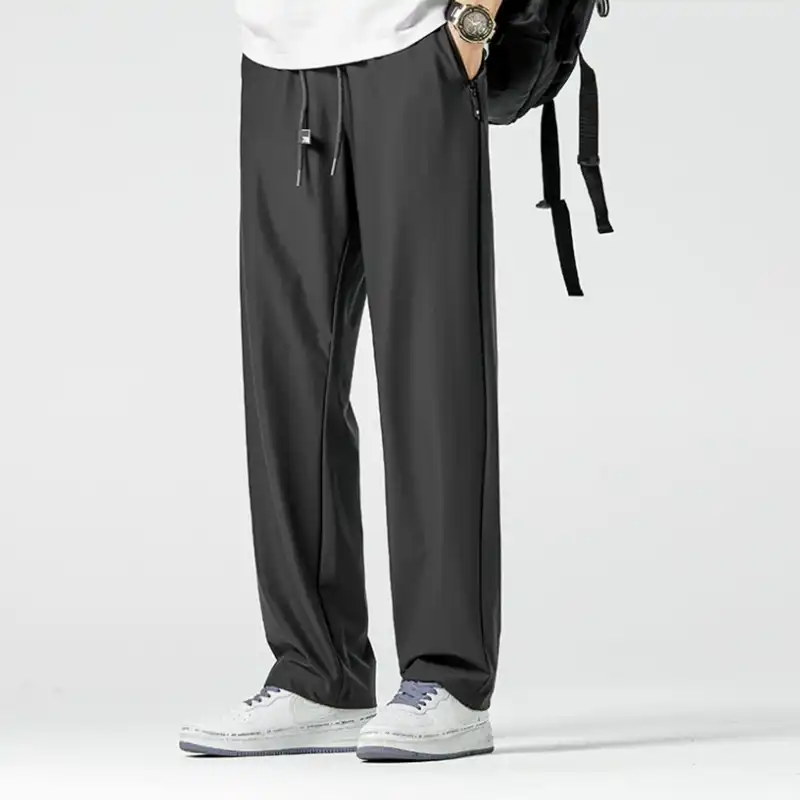
Because of this, polyester's resistance to wrinkles makes it a good choice for businesses like banks and airports where maintaining a professional image is important all the time. Certifications are needed in the trades and manufacturing industries. In North America, following ANSI standards makes sure that workers are safe in places with certain risks. When it comes to hospitality outfits, which need to look good and be easy to clean, synthetic mixes work well. Welston adds reinforced synthetic fabrics with features like knee pad pockets and reinforced stitching to cargo trousers designs that are sent to major contractors. These fabrics are good for construction and logistics work that needs to be done in harsh conditions.
Supplier Selection Criteria
Suppliers you can trust have consistent quality control, the ability to make changes, and clear communication. Over the course of its 26-year career, Welston has worked with Panasonic, Benz, and Toshiba to make goods that meet their strict technical requirements. The company can change the number of production lines and plants it has to meet changing demand without having to delay deliveries. It has over 580 workers. Cutting and stitching are done precisely with high-tech equipment from JUKI and SHINLING, and unique branding needs can be met with in-house screen printing and heat transfer. It is important for procurement teams to check that suppliers have the right certifications, ask for samples to be tested physically, and include clear quality standards in all purchase agreements.
Why Polyester Might Be the Preferred Choice for Your Procurement Needs
The strategic benefits of synthetic trousers are very similar to the goals of businesses in a number of different areas when it comes to buying things.
Total cost of ownership estimates show that polyester trousers are worth the money. Because they last longer, you don't have to buy them as often, and you don't have to deal with all the paperwork that comes with restocking. Laundry costs go down when clothes don't need much upkeep. For example, faster drying times use less energy, and not having to clean saves hours of work. These operational efficiencies are especially important for companies that have to manage uniforms for hundreds or thousands of employees who work in different places.
Another useful benefit is that suppliers can grow as needed. The production of synthetic fibers stays the same all year, unlike cotton crops, whose price and availability are affected by changes in the weather. This steadiness makes it easier to plan budgets and keeps the supply line from breaking down. Large organizations can use Welston's 24-hour reaction guarantee and variable payment terms to work with their planning cycles, and smaller businesses can use them to set up uniform programs.
Brand reputation is improved by the ability to customize. Polyester can be decorated in many ways, such as through stitching, screen printing, and heat transfers, and the fabric doesn't break down like it does when decorated cotton clothes are washed over and over again. Keeping the logo on the uniforms is important for companies that want to make their brand more visible. With minimum orders of 100 pieces, even mid-market clients can use custom programs. These programs offer flexible choices for sizing, brand placement, and packing that makes shipping to multiple sites easier.
New inventions address worries that people have had in the past about synthetic fabrics. In modern times, microfiber polyester is as soft as cotton while still being more durable. Moisture-wicking finishes built into the surface of the fabric pull sweat away from the skin, making roles that require a lot of physical effort more comfortable. Recycled polyester options made from used plastic bottles are better for the environment. Certifications like the Global Recycled Standard (GRS) back up these claims, which helps big stores and makers meet the growing demand for sustainability reports.
These qualities are very important to the North American business. Construction companies that work in a range of climates need clothes that will work reliably anywhere from the humid Gulf Coast to the dry Southwest. Logistics companies that run warehouses 24 hours a day need outfits that look professional during multiple shifts without having to be replaced all the time. Retail chains and tech companies are among the corporate clients that want consistent quality on a large scale. This is exactly what well-known makers with a track record of reliability offer.
Conclusion
Cotton and polyester trousers are both useful for work, and the choice of which to use depends on the specifics of the job. Cotton's natural comfort works well in places that value skin-feel and breathability, especially in climate-controlled places where physical demands are low. Polyester is the best material for industrial uses, high-volume uniform programs, and situations where total cost of ownership is important. It is durable, doesn't need much upkeep, and always works the same way. Blended fabrics are a good middle ground because they combine the best parts of two different materials. To be successful at procurement, you need to fit the properties of the fabric to the needs of the workplace and work with dependable providers who can offer high-quality goods on a large scale.
FAQ
1.Does polyester provide adequate breathability for summer work conditions?
When compared to older generations of synthetic fabrics, modern polyester engineering makes them much more breathable. Microfiber materials and treatments that wick away moisture cause capillary action that pulls sweat away from the skin, making it easier for the sweat to evaporate. Cotton soaks up water, but polyester dries quickly, so it doesn't feel heavy and damp like natural fibers do when they're soaked. People who are fairly busy at work often say that engineered polyester is just as comfortable as other materials. Cotton may still be better in places that are very hot and hard on the body, but blended fabrics are a good middle ground.
2.What criteria should guide choosing between cotton and polyester for uniform programs?
Look at your working surroundings, the amount of money you can launder, and your budget. Polyester works well for situations that need little upkeep, a lot of washing, or a lot of wear and tear. Cotton is used in places where comfort, low activity levels, and good looks are important, and where natural fibers fit with the brand's image. Think about the total cost, which includes how often you need to replace things and how to take care of them, not just the original buy price. Before committing to big orders, ask suppliers for samples that your employees can test.
3.How can we extend the lifespan of bulk polyester trouser inventory?
Follow the right steps for washing clothes: wash at the right temperature (no more than 140°F), don't use chlorine bleach, and dry clothes on low heat or in the air. Keep your stock in climate-controlled areas out of direct sunlight. Rotate your stock so that old things don't sit around for too long. Check clothes every three months for early signs of wear and fix small problems before they get too bad to fix. Set clear rules for how to use the clothes and encourage employees to follow them. This will help the clothes last longer. These habits can make something last twice as long, which cuts down on replacing costs by a large amount.
Partner With Welston for Your Polyester Trousers Procurement
Welston is ready to help your uniform program with full solutions that are made to fit your needs for big purchases. We bring 26 years of specialized knowledge in the production of workwear as a well-known polyester trousers maker serving customers in North America, Europe, and Asia Pacific. With three factories and ten production lines, we can meet your volume needs, from one-time sales of 100 pieces to ongoing projects that send out thousands of clothes every three months. We keep our certifications up to date to make sure they meet ANSI standards, which are important for building and shipping. We also offer customization options, such as adding logos, adjusting sizes, and adding special features like knee reinforcements. Get in touch with [email protected] to talk about your unique needs and get big discounts that give you great value without sacrificing quality or delivery reliability.
References
1. Hatch, K. L. (2017). Textile Science: An Introductory Perspective. CreateSpace Independent Publishing Platform.
2. Kadolph, S. J. (2019). Textiles: Basics and Beyond. Fairchild Books.
3. Textile Exchange. (2021). Preferred Fiber & Materials Market Report.
4. American National Standards Institute. (2020). ANSI/ISEA 107-2020: High-Visibility Safety Apparel and Accessories.
5. Slater, K. (2016). Comfort Properties of Textiles. Textile Progress Series, The Textile Institute.
6. European Committee for Standardization. (2018). EN ISO 13688:2013 Protective Clothing - General Requirements.
We specialize in designing, producing, and selling corporate clothing. Mainly produces: industrial clothing, business uniforms, and work clothes for different companies.
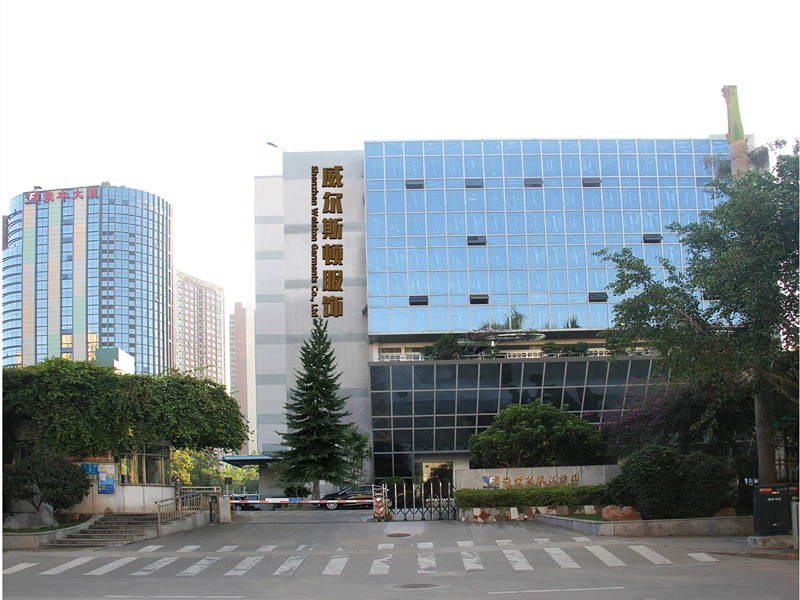
About Welston Garments