Performance Wear at Work? Why Polos Are Taking Over
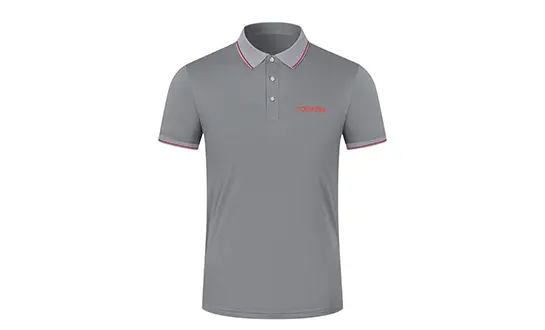
The world of work uniforms is changing in big ways. Modern workers, from those working on tech campuses to those in the service industry, are wearing clothes that are designed to perform and look good at the same time. At the heart of this change is the Work Polo, a shirt that has gone far beyond its country club roots to become a stylish uniform option. These polos are great for business settings, service industries, and promotional settings because they are made with fabrics that wick away sweat, are engineered to last, and can be customized with your logo. Traditional dress shirts make it hard to move around, and casual t-shirts don't look professional. But Work Polos are comfortable and look good at the same time, which is why they're becoming so popular in North America, Europe, and developing markets around the world.
What Makes Work Polo Shirts Essential Performance Wear?
The modern Work Polo is a big change from the usual way people dress for the job. When buying teams know what makes a good work shirt, they can make decisions that are good for both workers and the brand's image.
Defining the Modern Work Polo
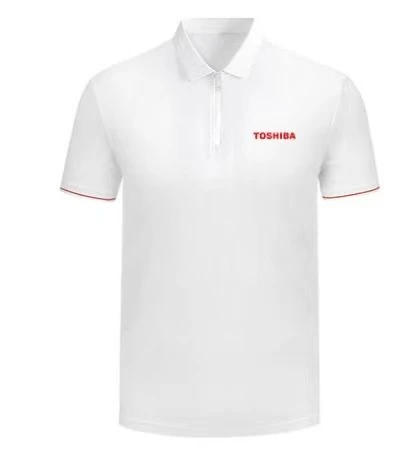
A Work Polo is designed to be worn at work, which makes it different from dress shirts you can buy in stores. These clothes still have the classic soft collar and buttoned placket style, but they are made with technology fabrics that are made to last longer. The usual mix is 60/40 cotton-polyester blends or performance polyester that balances airflow with colorfastness, ensuring brand colors remain vibrant through numerous industrial laundry cycles. Unlike casual polos, work-focused versions feature reinforced construction with side-seam designs preventing fabric twisting and ribbed collars containing spandex to resist curling after washing.
Performance Features That Matter
Moisture management stands paramount—quality versions employ wicking agents keeping employees comfortable during active tasks. Ideal fabric weight falls between 180-220 GSM, providing opacity without heat stress. Anti-pilling treatments prevent surface degradation from friction. Many professional-grade polos incorporate antimicrobial finishes using silver-ion technology to inhibit odor-causing bacteria during extended shifts.
Care and Longevity Considerations
IPremium Work Polos maintain shrinkage below 3-4% through high-temperature commercial laundering. Turning polos inside-out before washing protects embroidered logos. Avoiding fabric softeners maintains moisture-wicking capabilities. Companies typically refresh Work Polos every 12-24 months depending on wear frequency. This replacement schedule maintains professional appearance while ensuring technical features continue delivering intended benefits across the workforce.
Comparing Work Polos to Other Workwear: Making the Right Choice
To choose the right business clothes, you need to know how Work Polos compare to other uniform choices. Knowing the differences between clothing types helps companies make sure that the clothes they choose help them reach their goals.
Work Polos Versus Regular Polo Shirts
Fashion-oriented polos prioritize trends over durability using lighter fabrics lacking everyday work wear strength. Work Polos use stronger materials with reinforced stitching and fabrics designed for professional washing without fading. Work Polo collars use fabric-spandex blends maintaining shape through hundreds of wash cycles. Fashion polos often develop the "bacon collar" effect after few wears. Color retention makes Work Polos critical for brand consistency.
Polos Compared to T-Shirts and Dress Shirts
Work t-shirts are comfortable but lack professional appearance for customer service or business-casual settings. Standard dress shirts are more formal but restrict movement and require ironing. Work Polos occupy the ideal middle ground—projecting professionalism through collared structure while providing comfort through performance fabrics and unrestricted movement, making them versatile across corporate, hospitality, and event industry applications.
Features and Styles Catering to Diverse Work Environments
When businesses know about the different styles and useful features of Work Polos, they can match the right clothes to the right operating needs.
Essential Functional Features
Moisture-wicking fabrics pull sweat away from skin allowing fast evaporation. High-visibility elements with bright piping meet ANSI/ISEA 107 standards. Practical pocket additions serve employees needing quick access to pens or small tools. Pocket placement requires careful consideration to avoid interfering with logo embroidery areas. These functional features directly improve workplace operations and employee satisfaction during daily wear.
Short Sleeve Versus Long Sleeve Options
Short-sleeved polos allow maximum airflow in hot environments or physically demanding roles, suiting hospitality, event, and office staff. Long-sleeved versions provide UV protection for outdoor work, a more professional appearance for management positions, and psychological comfort during client interactions. Long sleeves also offer seasonal versatility, reducing inventory complexity for companies managing large uniform programs across changing weather conditions.
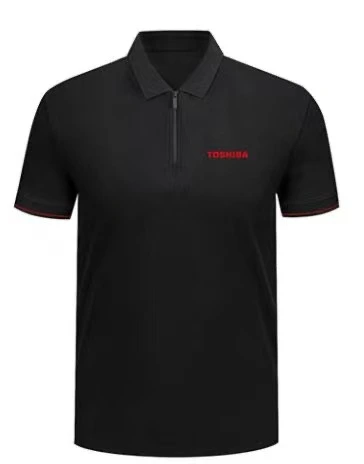
Customization for Brand Identity
With custom logos, Work Polos go from being boring outfits to powerful marketing tools. These days, you can customize things by stitching, screen printing, silicon sealing, and 3D logo applications, each offering distinct aesthetic qualities and durability characteristics. Embroidery remains the best way to decorate Work Polos because it adds depth and durability that lasts through thousands of washings without wearing out. The process works especially well with the strengthened yoke areas found on good Work Polos, spreading the stress out so that the shirt doesn't pucker. Companies can choose from a wide range of colors, including black, navy, sky blue, green, pink, white, purple, and unique shades that are in line with their brand standards. Sizes from S to 5XL are available to fit a wide range of workers, supporting equality while keeping everyone on the team looking the same.
How to Choose the Best Work Polos for Your Business Needs?
To do procurement well, you need a methodical review system that takes into account many things that affect the long-term success of a Work Polo program.
Core Selection Criteria
Durability evaluation includes fabric weight, construction quality, and colorfastness scores. Comfort assessment covers breathability, moisture management, and fit across size ranges. Style factors ensure Work Polos align with brand image. Premium Work Polos costing 20-30% more may last 50-70% longer, delivering significant savings over multi-year uniform programs when calculating total cost of ownership including laundering requirements.
Industry-Specific Optimization
Different sectors present unique demands that influence optimal work shirt selection. Corporate and technology firms across North America and Europe put a lot of value on environmental standards, high-quality customization, and practical comfort features like Cool Dry fabrics and UPF 40+ sun protection for workers who work on campuses with outdoor shared areas. These businesses usually like current styles and are ready to spend money on better Work Polos that support new ways of positioning their brands.
Hospitality and service businesses around the world need Work Polos that can be washed many times without losing their shape or color vibrancy. Situation-specific design elements, such as twisted cuffs, keep the clothes looking neat during long shifts that involve doing the same things over and over again. Finding the right mix between professional polish and low cost is critical, as these fields often outfit big teams on tight budgets.
Event and promotion businesses need cost-effective ways to handle big orders, especially in Asia-Pacific, the Middle East, and Africa, which are still developing markets. Their main focus is on breathable cotton-blend fabrics that work well in warm climates, low minimum order numbers that are easy to meet, and reliable customization services ensuring brand consistency across promotional staff at multiple event locations.
Supplier Evaluation Framework
To find reliable Work Polo suppliers, you need to look at a number of trustworthiness signs. The number of production lines and modern equipment from well-known brands like JUKI and SHINLING show that a provider can handle large orders. They also show that they have the infrastructure to keep quality standards and delivery dates consistent. Since 1998, well-known companies like Welston have improved their processes by gaining decades of experience, developing expertise in professional and workwear design, innovation, and production that translates to fewer mistakes and better problem-solving when issues with specifications arise.
Geographic market reach shows how strict quality standards are—suppliers who can successfully serve tough markets like Europe, North America, Japan, and South Korea have shown they can meet strict quality expectations and compliance requirements. Having an inventory on hand allows for quick release, which is especially helpful for businesses that need to quickly get new employees up to speed or replace clothes. Clear communication procedures for pre-sale consultation, transaction management, and after-sale support make sure that buying goes smoothly and that any problems that come up during the shopping or delivery phases are quickly fixed.
Purchasing and Customization Insights for B2B Clients
To easily go through the bulk buying process, you need to know about the benefits of volume, the ability to customize, and how supplier partnerships for Work Polos work.
Advantages of Volume Ordering
Buying Work Polos in bulk has more benefits than just lowering the cost per unit. Volume discounts typically become available at quantity thresholds of 50, 100, and 500+ units, with pricing improvements of 10-30% depending on order size and customization complexity. Streamlined logistics lowers the cost of shipping each unit and makes managing supplies easier by combining orders. Customers and clients unconsciously link uniform appearance with organizational competency and dependability—consistent team clothing creates a unified professional look that improves brand identity.
Customization of specifications is also possible for large orders that is not possible for smaller ones for cost reasons. Companies can ask for certain fabric types, colors that are custom-matched to brand rules, or design features that set their team's uniforms apart from generic ones, like contrast stitching or custom buttons. The volume commitment often grants access to priority production scheduling, ensuring critical delivery deadlines are met even during peak manufacturing periods.
Branding and Customization Options
To apply a name correctly, you need to know how the different methods affect Work Polo materials. The look of embroidery is high-end, and it lasts a very long time. Modern multi-needle machines can make patterns with up to 100,000 stitches that stay clear even after years of use. Logos that are embroidered on Work Polos give them a physical quality that shows quality, particularly important for client-facing roles where first impressions matter. Screen printing is cheaper for big, easy patterns, and it works especially well for promotional work shirts that are given out at events where the clothes aren't expected to last long.
Silicon sealing makes logos that are raised and bendable, and they look very modern. 3D logo methods add a striking visual depth. Customizing materials goes beyond simple cotton-polyester blends—specialized moisture-wicking polyester suits active roles, while cotton-rich blends are naturally comfortable for the office. Customizing sizes makes sure that everyone in the workforce can get the right fit, with detailed measurement protocols covering chest, shoulder width, sleeve length, and total garment length. You can choose colors from palettes including black, navy, sky blue, green, pink, white, and purple, ensuring alignment with corporate brand standards.
Navigating the Order Process
Understanding how suppliers work makes the buying process go more smoothly. Good providers start by doing study on the market and sharing information about new materials, styles, technologies, and popular design elements that could make your Work Polo program better. Design consultation lets clients look over manufacturer plans or give ideas for unique designs that fit with the brand's goal. Samples are an important part of the validation process—physical samples enable assessment of fabric quality, fit consistency, color accuracy, and logo execution before committing to bulk production.
Once the sample is approved, the production process starts when the order is placed. A 30% payment is usually required before production starts, letting sellers secure raw materials and set aside production capacity. Mass production usually takes between 4 and 6 weeks depending on order complexity and volume. Before the final delivery, quality control checks to make sure that all requirements are met. The last 70% is due when the goods are shipped, and logistics are arranged according to client preferences, such as air freight for speed or sea freight to save money. Throughout this process, helpful customer service answers questions and fixes problems right away, keeping the project moving forward and building trust with clients.
Conclusion
It's clear that Work Polos are popular in business settings because they can meet different needs for style, comfort, and sturdiness. These adaptable clothes have changed over time from easy alternatives to uniforms to high-tech performance wear designed for the modern workplace. Work Polos have real benefits because they last a long time, can be customized, and are made of technical fabrics. They are great for business tech teams, hospitality staff, and promotional staff. Companies in North America, Europe, and rising markets are becoming more aware that investing in strategic uniforms can improve brand identity while also making employees happier and increasing operating efficiency.
FAQ
1. Are work polos suitable for demanding professional environments?
Work Polos look great in business-casual settings, corporate offices, catering jobs, and events for promotion. They are designed to be worn in professional service settings, not for heavy industrial work that needs special safety gear. Because they are made of performance fabrics, are reinforced, and handle moisture well, they are perfect for jobs that require mild exercise, contact with clients, and long periods of wear while still looking professional.
2. How often should companies replace work polos?
Depending on how often they get worn, how many times they get washed, and the needs of the job, the best time to change Work Polos is usually between 12 and 24 months. People who wear Work Polos every day and have busy jobs may need to replace them around the 12-month mark. People who have less demanding jobs can get by with clothes lasting up to 24 months. Monitoring for signs like pilling, color fading, or collar wear and tear helps set up replacement plans that keep the team's professional look.
3. Does logo customization affect work polo performance?
When done right, modern methods for customizing clothes keep the garment's usefulness. Good embroidery on Work Polos uses strengthened backing materials that keep the cloth from puckering without making it less breathable. Screen printing and heat transfer use paints and glues that are specially made for performance fabrics, so they keep their ability to wick away wetness. Reliable providers know how to meet technology needs so that customization doesn't hurt the performance of Work Polo features.
Partner with a Trusted Work Polo Manufacturer
Welston has been designing and making professional clothing for over 25 years, serving businesses, hotels, and advertising companies in Europe, North America, the Middle East, Japan, and South Korea. Our Work Polos come in a wide range of sizes, from S to 5XL, and are made from high-quality fabrics. You can also add stitching and printing to make them truly unique. We keep a lot of goods on hand so we can quickly meet urgent needs. We have 10 dedicated production lines equipped with modern JUKI and SHINLING machinery.
Our streamlined order process walks you through the whole process, from the first meeting to design, samples, and large production, all the while keeping you informed. Our method is flexible enough to fit projects of any size, from 50 units for a small hotel to 5,000 units for a business campus. Email our purchasing agents at [email protected] to talk about your unique needs, ask for samples, or get full quotes. Let us help you learn why top companies choose Welston as their go-to Work Polo provider for outfits that make their brand stand out and last a long time.
References
1. Miller, J. & Thompson, R. (2022). "Technical Textiles in Professional Apparel: Performance Standards and Market Analysis." Journal of Industrial Fabrics, 41(3), 112-128.
2. Chen, L. (2021). "Moisture Management in Workwear: Fabric Engineering and Comfort Optimization." Textile Research International, 28(2), 94-107.
3. Davidson, K. (2023). "Corporate Uniform Programs: ROI Analysis and Strategic Implementation." Business Operations Quarterly, 15(1), 45-62.
4. International Standards Organization. (2020). "ISO 6330:2020 - Textiles: Domestic Washing and Drying Procedures for Textile Testing." Geneva: ISO Publications.
5. Roberts, M. & Singh, A. (2022). "Branding Through Apparel: The Psychology of Professional Uniforms in Service Industries." Organizational Behavior Review, 37(4), 203-219.
6. Williams, P. (2021). "Global Workwear Market Trends: Regional Preferences and Technical Innovation 2021-2025." Apparel Industry Analysis, 19(3), 67-89.
We specialize in designing, producing, and selling corporate clothing. Mainly produces: industrial clothing, business uniforms, and work clothes for different companies.

About Welston Garments