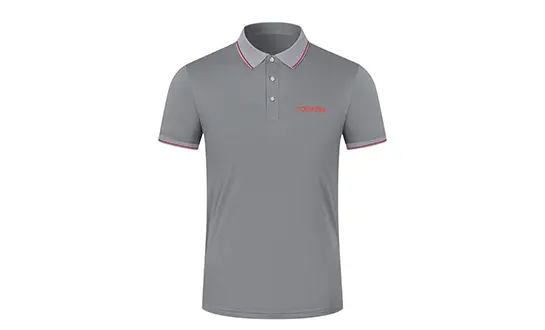
Polo Shirts: The Ultimate Custom Uniform Choice for Restaurants
For culinary settings, the Restaurant Polo is the best uniform because it strikes the perfect mix between being professional and useful. These specialised clothes have the clean look of work clothes and the practicality needed in challenging food service environments. Restaurant-grade polo shirts are made with moisture-wicking fabrics, stain-release technologies, and reinforced construction to withstand the wear and tear of daily shifts while still looking professional. This helps your brand's image and leaves a lasting impression on customers.
What Makes Restaurant Polo Shirts Ideal for Restaurant Staff?
The Evolution Beyond Traditional Uniforms
The change from old-fashioned dining clothes to Restaurant Polo outfits is a big change. Traditional button-down shirts make it hard to move around and keep heat in, and chef coats aren't useful for front-of-house teams. The good news is that modern polo shirts offer a solution that takes into account both style and function. We've seen this change happen in places in North America and Europe, where the comfort of the staff has a direct effect on the level of service. The soft collar and buttoned placket keep things formal without being stuffy. This makes the shirt look approachable yet professional, which fits in with today's dining culture.
Essential Performance Features That Matter
The most important thing about good restaurant uniforms is that they let you breathe. The staff moves between hot kitchens and climate-controlled dining rooms, which puts stress on fabrics that they can't handle. High-performance Restaurant Polo designs use piqué knit structures, which are those unique honeycomb patterns, that let air flow while keeping the structure strong. Technology that wicks away moisture from the skin keeps servers and hosts cool and comfy during busy service times. When clothes are worn every day and then washed for work, durability becomes just as important. Double-needle stitching, high-twist yarns, and reinforced shoulder seams keep your outfit from wearing out too quickly, protecting your investment over time.
Fabric Options and Their Strategic Benefits
Available in a variety of fabrics. This affects performance and cost. Polyester blends are great for businesses with large quantities. 65 percent polyester and 35 percent cotton is a common blend. Polyester is sturdy and wicks moisture away. Pure cotton choices are, of course, light and comfortable, but they require a little more care to keep their shape and avoid shrinking. Performance polyester fabrics are easier to wash and wear, resulting in time and money savings in personnel. The weight of the material is important as well. Opaque, structured clothing is excellent for retaining heat; for weight, the sweet spot is between 190 and 220 gsm (grams per square metre). The lighter weights don’t cover as much and the bigger ones keep you too warm during busy times.
Selecting the Right Restaurant Polo: A Decision-Making Guide for Procurement Managers
Core Evaluation Criteria for Uniform Procurement
When making a purchase decision, the total cost of ownership is taken into account, not just the initial purchase price. Because comfort has a direct effect on employee morale and retention, it should be seen as a strategic factor instead of a luxury. Durability determines how often something needs to be replaced. For example, a professional-grade Restaurant Polo can withstand 50+ industrial wash cycles, while retail alternatives only last 15–20. This means that you will save a lot of money in the long run. Aligning style with brand strategy makes sure that customers see the same thing everywhere they interact with the company. Technical features like antibacterial and stain-resistant techniques make clothes easier to clean and last longer. When setting prices, these success factors should be taken into account along with unit cost.
Customization That Amplifies Brand Identity
With custom branding, uniforms go from being plain work clothes to marketing tools. Embroidery is the best way to make logos and names last because they keep their look through many washings. To keep performance fabrics from puckering, we suggest cut-away stabiliser backing for designs that are embroidered. When ordering a lot of items, screen printing is cheaper, but it tends to wear out faster than needlework. Silicon seals and 3D logos are modern options that give marking a feel dimension. Picking the right colour is also a smart move. Darker colours, like blue and black, hide stains better, while lighter colours make upscale dining rooms look clean and new.
Navigating Bulk Purchasing and Supplier Evaluation
Building ties with dependable Restaurant Polo providers makes things run more smoothly and consistently. Check your real needs against the minimum order quantities (MOQs). Promo companies that are just starting out in the market benefit a lot from MOQs that are flexible enough to suit different event sizes. For seasonal restaurants and chains that need to be able to plan their deliveries, lead times become very important. Professional makers are different from generic sellers because they follow quality control standards. You should look for partners who test for physical stability, colourfastness, and seam strength. North American and European buyers care about where the goods are sold because they want to be close for tasting, reordering, and quick customer service.
How to Style Restaurant Polo Shirts for a Professional and Cohesive Look
Creating Position-Appropriate Uniform Combinations
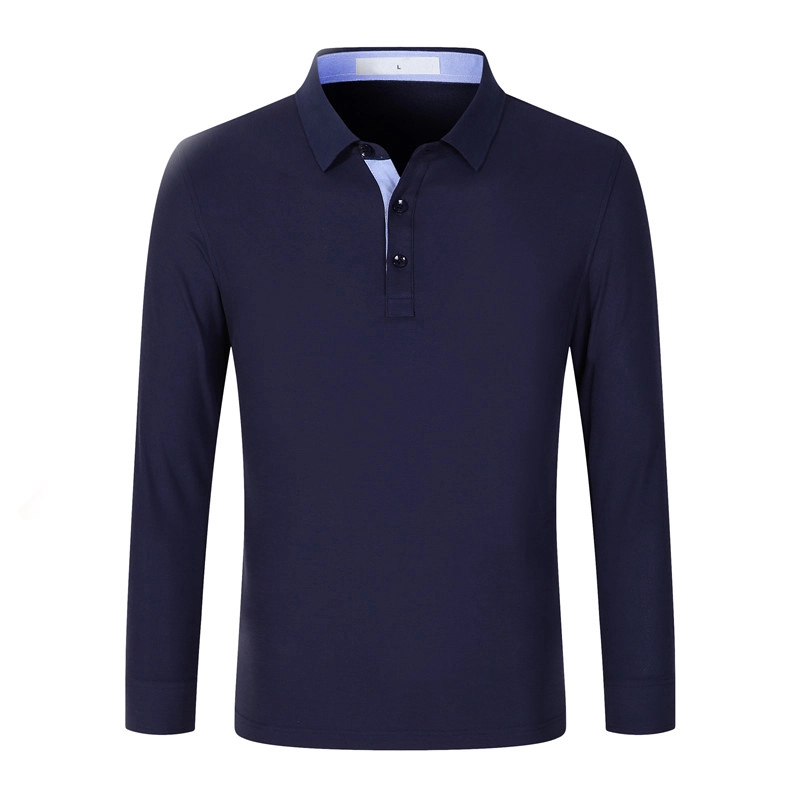
Different styles of dressing are needed for different tasks in a restaurant. Restaurant Polo shirts paired with dress pants or tailored slacks are ideal for servers. They’re comfortable to move about in, but yet appear professional. Dark hues hide marks better in service. If you are a host or hostess you have to look a bit more formal. You look more together at the door with skirts or dress pants and long-sleeved polos. Support personnel working in the kitchen who are moving back and forth between front-of-house and back-of-house require performance-oriented, short-sleeved garments that fit over aprons without losing comfort. The challenge is to establish clear standards that provide a framework, but provide room for people to communicate in a way that is consistent with the brand.
Seasonal Adaptations and Climate Considerations
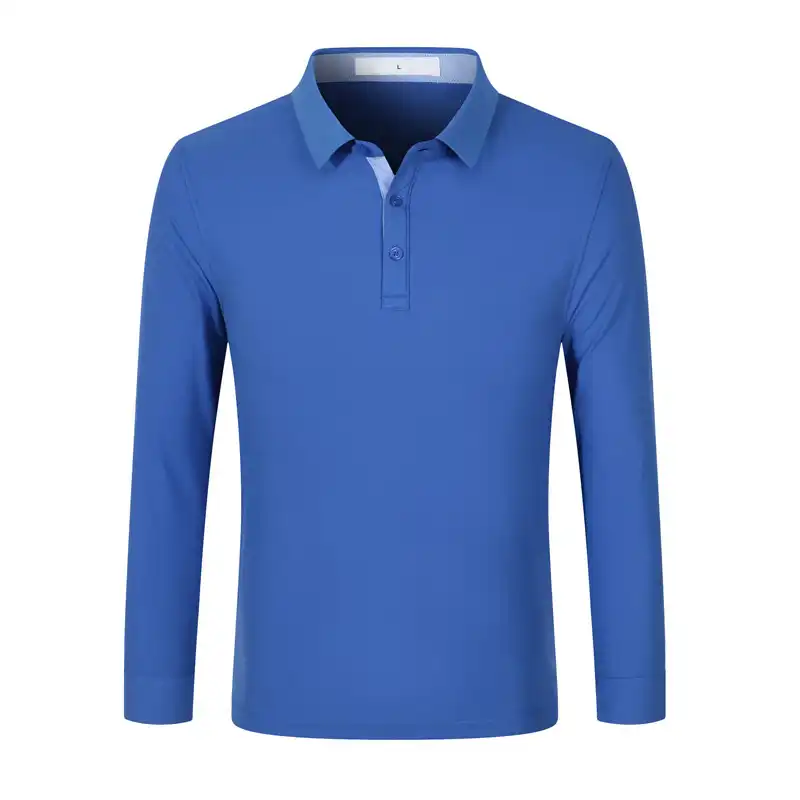
You have to think ahead well because temperatures vary by season. During the summer months, the warmer areas of North America and the Middle East require clothing that allows air to move freely. Cool, comfortable lightweight polyester mixes with greater moisture wicking qualities help keep workers cool and comfortable while working outside. When winter approaches, long-sleeved Restaurant Polo shirts that cover without being too heavy and fit well under aprons and service belts are a smart alternative. Layering strategies work effectively especially in settings with patio eating where workers go back and forth between the interior and outdoor sections. Pick a fabric weight that suits where you spend most of your time working. For example, air-conditioned dining rooms may accommodate somewhat heavier materials that hold their form and look better longer.
Branding Techniques That Enhance Visibility
Placing logos and other marking elements in the right places helps customers recognise your products without taking away from the look of the clothing. Left chest positioning is still the standard choice for restaurants that want to look professional without being too obvious. Full-back styles are good for casual eating and event staffing where being able to see the brand from different angles is important. You could use the colours that are unique to your business by adding contrast collar treatments or arm details that make the shirt look interesting. We customise sizes from S to 5XL so that everyone on your team looks great in your brand's clothes, no matter what body type they are. Because high-quality fabrics are soft and don't wear down easily, your logo will look good even after a lot of use.
Top Restaurant Polo Trends and Innovations in 2026
Advanced Fabric Technologies Reshaping Uniforms
Innovations in textile engineering offer tangible practical benefits that extend beyond aesthetics. Today, moisture-wicking materials dissipate 40% faster than normal fabrics — a huge difference in comfort on lengthy shifts. Antimicrobial treatments reduce the growth of odor-producing bacteria, which means garments don't have to be cleaned as often, reducing the impact on the environment. Non-staining finishes form hydrophobic barriers that liquids do not soak into, enabling spot cleaning throughout service. Wrinkle-free textiles don’t need ironing, saving money on labour costs and increasing the turnover of uniforms. These innovative characteristics transform Restaurant Polo Shirts from passive clothes to active performance aids that enhance employee efficiency.
Sustainability's Growing Influence on Procurement
Environmental responsibility is becoming more and more significant in the business and leisure industries as it pertains to purchasing. Recycled polyester textiles manufactured from old plastic bottles operate just like new materials but with less impact on the world. Organic cotton is more often more expensive, but retailers who care about natural materials tend to go for it. Solution-dyed textiles require far less water and the colour lasts longer since it is integrated into the fibres as they are made, rather than applied afterward. Sustainability credentials are particularly essential in the European market, and buying managers are looking at the complete supply chain, not just the finished items. Corporate customers in North America are increasingly demanding carbon-neutral transportation options and verifiable proof of the origin of the goods.
Ergonomic Design Elements Improving Functionality
Human-centered design principles are used in the modern construction of Restaurant Polo to take into account the physical demands of hospitality work. Articulated shoulder seams follow the natural movement patterns of the arm, making it easier to reach and lift things. Raglan sleeve styles get rid of the pressure points at the shoulder seams that can be uncomfortable after a while of wearing something. When staff bend or stretch, split hem patterns keep them from riding up. Ribbed cuffs keep the shirt looking neat throughout shifts without having to be adjusted all the time. All of these thoughtful touches add up to a higher level of comfort, which leads to higher job satisfaction and fewer complaints about the uniform.
Conclusion
The Restaurant Polo: It’s more than utilitarian workwear, it’s an investment in the brand’s appearance, the staff’s happiness and the business’s efficiency. When choosing clothes, you need to consider about how they perform, how they may be personalised, your budget and their value over time. Good materials are able to withstand severe circumstances and maintain their professional look during numerous washing cycles when meant for restaurant settings. With customisation, your garments become brand ambassadors giving your business a consistent look every time you deal with a consumer. Big trends in 2024 will be sustainability and digital innovation. Procurement managers that are on the ball realise that customised uniform programs pay off by keeping employees longer, saving down on replacement expenses and boosting how consumers view the brand.
FAQ
1.How do I determine the right fabric blend for my restaurant environment?
Check out your main place of business and your ability to launder money. 65% polyester and 35% cotton mixes are good for places that do a lot of cleaning on-site because they are both durable and comfortable. Fine eating restaurants that want a more rich feel might choose fabrics with more cotton, even though they need more care. Also, think about the weather. Technical polyester materials are the best at wicking away sweat, which is exactly what outdoor service areas in warm areas need.
2.What's the realistic lifespan of a professional Restaurant Polo?
Professional-grade uniforms can usually go through 50 or more industrial wash cycles before they start to show major wear. This means that they would last between 6 and 12 months if they were worn every day. Lifespan varies on how it was washed, how hot or cold the work setting is, and how good it was to begin with. Retail polo shirts don't last more than 20 washes in a business setting, so professional options are much more cost-effective, even though they cost more up front.
3.Can customization affect garment performance or durability?
When done right, quality customisation actually makes things last longer. Fabric is strengthened by embroidery, but if you don't do it right, the stitches will split. We use the right stabilisers and thread tensions to keep the integrity of the fabric. How long screen printing lasts depends on the quality of the ink. Premium plastisol inks can handle industrial laundering for as long as cloth can.
Partner With Welston for Your Restaurant Polo Uniform Solutions
Welston has been a trusted provider of Restaurant Polo for 27 years, helping hospitality businesses in North America, Europe, and growing countries. Our 10 production lines, which are all equipped with high-tech JUKI and SHINLING machines, can make both short- and long-sleeved clothes that are exactly what you want. We know that procurement managers need partners they can rely on to balance quality and efficiency. That's why we keep a large inventory for quick delivery and offer a wide range of customisation options, such as printing, embroidery, and special logo treatments. Get in touch with [email protected] to talk about how our experience with business uniforms and workwear can help your restaurant look more professional while still meeting its useful needs. Our streamlined order process and dedicated customer service make sure that everything goes smoothly, from the first consultation to delivery and beyond.
References
1. Thompson, M. & Richards, K. (2023). "Textile Engineering for Commercial Hospitality Applications." Journal of Industrial Fabrics and Performance Wear, Vol. 45(3), pp. 127-143.
2. National Restaurant Association. (2024). "Uniform Standards and Staff Retention Correlation Study." Industry Research Report Series, Washington, D.C.
3. Chen, L. (2023). "Moisture Management Technologies in Professional Garment Design." International Textile Science Quarterly, Vol. 18(2), pp. 89-104.
4. Davidson, R. & Martinez, S. (2024). "Sustainable Sourcing in Commercial Uniform Procurement." Corporate Responsibility in Hospitality Review, Vol. 12(1), pp. 56-72.
5. European Hospitality Textile Council. (2023). "Performance Benchmarks for Food Service Uniforms." Technical Standards Publication, Brussels.
6. Walsh, P. (2024). "Total Cost Analysis of Uniform Programs in Multi-Unit Restaurant Operations." Foodservice Management Quarterly, Vol. 31(4), pp. 201-218.
We specialize in designing, producing, and selling corporate clothing. Mainly produces: industrial clothing, business uniforms, and work clothes for different companies.
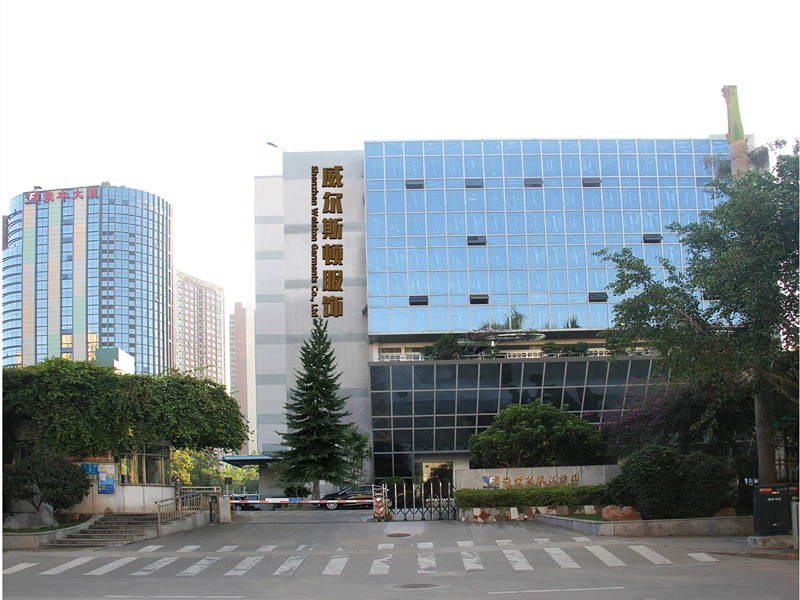
About Welston Garments