Reflective Work Waistcoat: High Visibility Safety Guide
Sight can mean the difference between a safe job and an accident. Reflective Work Waistcoats make workers more visible in all lighting conditions. This costume has fluorescent background materials (typically bright yellow or orange) and retro-reflective tape to reflect light. This lets drivers, equipment operators, and coworkers see workers even in bad weather.
Understanding Reflective Work Waistcoats: Features, Materials & Safety Standards
Modern manufacturers require Reflective Work Waistcoats. However, many purchasing managers struggle to distinguish between good and cheap products. We've been creating professional gear for almost 30 years, and understanding a Reflective Work Waistcoat's technological workings is crucial to team safety.
Material Composition and Construction
Good safety vests depend largely on the cloth selection. Most good Reflective Work Waistcoats are composed of 100% polyester tricot or mesh fabrics weighing 105gsm to 130gsm. These fabrics are dimensionally stable, so apparel retains its shape and authorized visibility area after many washings. Workers in buildings, construction sites, and factory floors across the US need to breathe to stay comfortable without risking their safety due to temperature variations. JUKI and SHINLING's cutting-edge tools ensure Welston's three plants' buildings are erected correctly. Precision is crucial since even slight stitching errors can damage reflective tape, lowering a garment's safety rating.
Reflective Technology Explained
Professional safety vests reflect light backwards, unlike artistic ones. Market leaders are glass beads and micro-prismatic reflective tape. For most uses, glass bead technology is affordable. However, roadwork teams and outdoor industrial operations benefit from micro-prismatic materials' wet performance. The coefficient of retroreflection measures how efficiently tape reflects light. Standard waistcoats must maintain 330 candelas per lux per square metre at all viewing angles. This technological requirement protects workers' vision when truck drivers approach from the side or headlights hit them at an angle.
Safety Standard Compliance
Reflective Work Waistcoat clearance in North America is based on ANSI/ISEA 107-2020 and EN ISO 20471 for Europe. These systems divide into three classes by viewable background and reflective tape surface area. Class 1 includes low-risk, restricted locations with modest traffic where personnel work away from trucks and autos. Class 2 comprises low-speed highway construction zones, building sites, and warehouses. Highway workers, first responders, and those exposed to high-speed vehicles must wear Class 3. Knowing these categories prevents costly blunders. We spoke to procurement managers who ordered Class 1 clothes for highway projects without realizing it, causing compliance and safety issues. Responsible procurement begins with choosing a classification that fits your workplace.
Benefits and Applications of Reflective Work Waistcoats in Construction and Industry
Safety vests are useful for more than compliance. In North American markets, employees and consumers value Reflective Work Waistcoats because they reduce accident risk, increase productivity, and demonstrate a company's commitment to worker safety.
Enhanced Visibility Across Work Environments
The goal is simple yet crucial: highlighting workers. All the tools, materials, and people working together create blind spots in constructing zones. A well-designed Reflective Work Waistcoat cuts through this visible clutter, allowing machine operators to see where workers are standing immediately. Manufacturing sites have many issues. Indoor artificial lighting casts shadows and reflects. Good safety jackets have reflective tape that activates when vehicle headlights or hand-held work lights contact it. Fluorescent background material works in natural and artificial light. Warehouse operations have both issues. Workers walk from bright to dark storage facilities several times during their shift. Regular eyesight protection is necessary due to shifting illumination. Lightweight waistcoats can do this without making you sweat or move awkwardly.
Cost-Effectiveness and Maintenance Simplicity
Budget-conscious procurement managers admire how Reflective Work Waistcoats protect workers for less than complete jackets. Less material means lower unit costs, making it easier for large groups of workers to receive what they need. They require less care than sophisticated multi-layer garments. Most decent waistcoats can be cleaned 25–50 times in an industrial washer before losing their reflective characteristics. Since you can replace things based on expected wear patterns rather than waiting for them to fail, they last longer and are easier to track.
Industry-Specific Applications
Distinct fields require distinct high-visibility safety measures. Class 3 certification and reflective coverage are essential for road builders working near traffic lanes. This standard is important in North America due to highway work zone safety restrictions. Corporate uniform programs for hospitality, vehicle service, and building maintenance logistics benefit from customization. Staff IDs, department color-coding, and company branding make things look more professional while respecting safety requirements. Our customization options include screen printing, heat transfer, and embroidery. Our services are available to small enterprises with 100-piece minimum orders. Distribution centers and transport operations like mesh building for airflow. When workers move from climate-controlled rooms to loading docks, temperatures shift. Comfort and compliance require light, breezy styles. Comfortable safety gear makes workers more likely to wear it.
Comparing Reflective Work Waistcoats: Making the Right Choice for Your Business
Knowing how a Reflective Work Waistcoat compares to other high-visibility options and what makes a good one is helpful when buying.
Waistcoats vs. Jackets vs. Vests
Using the incorrect phrases can make buying difficult. Waistcoats and vests are open, while jackets feature sleeves for daily wear. Each style suits different tasks. For mild weather and indoor jobs, Reflective Work Waistcoats are ideal. The lack of sleeves maintains arm range of motion, which is vital for repetitive reaching, tool use, and climbing. Industrial assembly, warehouse order picking, and facility care workers benefit from this mobility. In chilly weather, jackets keep you warm, but they're large and can obstruct equipment use or produce snags. The extra fabric makes it 40–60% more expensive than regular vests. Many year-round firms stock waistcoats and jackets and distribute seasonal clothing.
Essential Features That Impact Daily Use
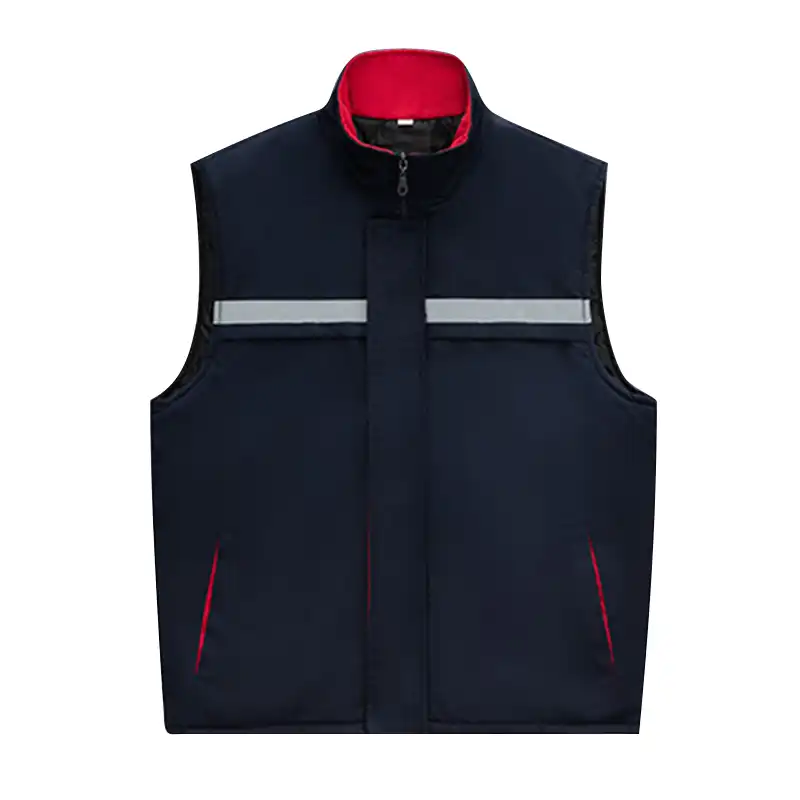
Beyond visible compliance, practical design aspects affect user acceptability and long-term value. Stretchy side straps or strips make it easy to wear over layers and fit diverse body types. Adjustability is very useful for company uniform programs with various workforces. Pocket placement influences tool carrying and job efficiency. Chest compartments for cell phones and two-way radios make communication easy. Lower pockets can hold small tools, gloves, or personal items. Too many compartments might make reflective tape difficult to apply, lowering safety. Good makers combine usability and legality. Hook-and-loop clips and zipper fronts close. Zippers close securely in locations where the vest may catch, while hook-and-loop methods make putting on and taking off the vest quickly, which is important for workers who take their vests off during breaks. Welston consults with clients regarding these practical elements to ensure that standards fit product use.
Manufacturer Selection Considerations
After 30 years of creating professional workwear, we learned that provider selection is as critical as product specs for program success. Trustworthy manufacturers evaluate product quality, retain certification records, and provide customization without big minimum orders. Our building employs around 580 in-house and contracted workers on 10 production lines. This implies we can manage minor bespoke orders and large procurement contracts. This versatility benefits North American firms from small building companies that need 200 vests to major logistics organizations who need thousands for distribution center networks. Legitimate goods are identified by certification verification. Trustworthy suppliers provide ANSI/ISEA 107 test reports from approved labs. These reports describe the product's illumination and washdown life. We retain detailed records for every product line, so you know you bought the proper safety tools.
Maintenance, Cleaning, and Longevity of Reflective Work Waistcoats
If you don't take care of your safety gear properly, even the best Reflective Work Waistcoat will stop protecting you. Knowing what repair needs to be done will protect your property and keep your workers safe.
Washing Procedures That Preserve Performance
Physical wear and chemical interaction degrade reflective tape. Industrial washing machines, powerful detergents, and high-temperature drying accelerate both breakdowns. Manufacturer instructions normally recommend moderate machine wash cycles with light soap and air or low-heat tumble drying. Bleach and fabric softeners attack the reflective tape glue and vivid colors in the fabric. These pollutants can reduce the lifespan of 50-wash-cycle garments to 20. Teaching your staff or building services team about these limits can help you prevent unnecessary replacements. Some facilities scan for reflective tape, textile tears, and fluorescence loss after 10 wash cycles. This cautious strategy detects dangerous garments to replace.
Storage and Handling Best Practices
The best approach to keep clothes extends their lifespan. Hanging items prevents folding that might shatter reflective tape along fold lines. Keeping fluorescent fabrics out of direct sunlight preserves their brightness. Even unused garments discolor from UV rays. Sealing bags prevents dust and moisture from damaging vests stored in various locations. Delivery companies reduced replacements by 30% by improving storage conditions.
Recognizing Replacement Indicators
A Reflective Work Waistcoat has several telltale symptoms of becoming obsolete. Peeling edges, fissures, or deteriorated reflective surfaces make reflective tape unsuitable for protection. Fluorescent cloth loses its photometric properties as it becomes bland or pale yellow or orange. Tears, missing fasteners, and unravelled seams make the garment unsafe and unprofessional. Setting clear replacement criteria like wash cycles, eye review, or time intervals protects your staff equally.
Procurement Guide: Buying Reflective Work Waistcoats for Your Business
Safe compliance, user comfort, budget limits, and administrative efficiency are all things that strategic buying takes into account for a Reflective Work Waistcoat program. The following approach helps you make choices from writing specifications to choosing a supplier.
Assessing Your Operational Requirements
First, make a list of the exact places where workers need high-visibility gear. Specifications are different for construction sites next to busy roads compared to building hallways or factory floors. The right safety ratings depend on things like the speed of the traffic, the lights, and how close the person is to mobile equipment. Size of the workforce and rate of employee change affect how to buy things. Companies with stable staff should buy higher-quality clothes that last longer, while companies whose staff changes with the seasons might choose cheaper options that need to be replaced more often. Material choices are affected by the climate. When it's hot and muggy, lightweight mesh materials that let air move are best. Facilities that have parts that are indoors and parts that are outside need designs that can work in a range of temperatures so that workers don't have to change their vests when their shifts change.
Customization Options and Branding
Corporate identity makes people more professional and helps keep the site safe by making it easy to spot authorised staff. The logo is usually put on the chest or back panel, and the size is limited to make sure that the bright material can be seen. Color-coded panels can help you tell the difference between sections, workers, and visitors. Welston has combined screen printing and heat transfer production lines that can handle unique branding for orders as little as 100 pieces. This makes professional customisation easier for even small businesses to get, whereas before it was only possible through large-volume contracts. Our design team looks over the artwork to make sure that any changes don't break safety standards. This is something that some sellers forget to do, which could mean that garment classes aren't valid.
Evaluating Supplier Capabilities
Beyond product standards, the success of a procurement programme depends on how well the seller can run its business. Lead times and the ability to meet pressing requests or seasonal changes in volume are affected by production capacity. Our three factories and many production lines give us the ability to handle different order amounts without long delays. In-line inspections, photometric tests of reflective materials, and a final check of the clothing before it is shipped should all be part of quality control. Within 24 hours, our committed after-sales staff answers all of our customers' questions about size, placing replacement orders, or getting more information about specifications. Verification is needed for certifications and safety paperwork. Suppliers should show up-to-date test results from recognised labs that show their goods meet ANSI/ISEA 107 or other standards that apply. This paperwork becomes part of your safety compliance records and can be used during checks by the government or probes into accidents.
Bulk Purchasing Benefits and Pricing Strategies
Buying in bulk can save you a lot of money and make sure you always have stock on hand. Price drops usually start around 500 units, and there are more cuts at 1,000 and 5,000 units. But to find the right balance between bulk prices, storage costs, and operating cash needs, you need to look at how your business works. You might want to set up blanket buy orders with planned releases. This method guarantees low prices for large orders while spreading deliveries across fiscal quarters to control cash flow and storage needs. We've set up these kinds of deals with clients ranging from small building firms in the area to national site care services, making sure that delivery times work with their schedules. Payment freedom helps a lot of different organisational buying processes. We can work with a wide range of payment terms, from prepayment for small first orders to net-30 or net-60 for long-term accounts. This makes things more flexible when it comes to money, which can get in the way of buyers choosing better options because they can't afford the better ones.
Conclusion
Protecting your staff with high-visibility apparel is legal and smart. Quality Reflective Work Waistcoats satisfy ANSI/ISEA 107 standards and assist factory, building, warehouse, and facility maintenance workers keep comfortable, move around, and look efficient. To choose, balance safety ratings against local conditions, compare features to how they will be used, and deal with manufacturers who can promise quality, speed, and product modifications. Clothing lasts longer and protects better with proper care, and savvy shopping improves safety and economic efficiency. North America is prioritizing workplace safety. Proper high-visibility apparel programs safeguard workers and improve operations.
FAQ
1. What differentiates Class 1, Class 2, and Class 3 reflective work waistcoats?
Classification is based on reflective tape and luminous backdrop surface area. Class 1 provides basic vision in low-risk, low-traffic settings. Class 2 improves visibility for warehouses and construction sites with low traffic or equipment. Class 3 provides the finest vision for highway work zones and fast-moving traffic emergencies. Classification influences material utilization and pricing. Class 3 clothes cost 40–60% more than Class 1 outfits due to their more sophisticated materials and construction methods.
2. How many wash cycles can reflective work waistcoats withstand?
Good quality apparel should retain reflective performance for 25 to 50 industrial wash cycles if you follow the care instructions. Most glass bead reflective tape can handle 25 cycles, but advanced micro-prismatic materials can handle 50. If laundered with harsh chemicals, bleach, high temperatures, or hard mechanical action, garments last less. Gentle washing and regular visual checks can extend clothing life and ensure workers never utilize substandard safety gear.
3. Can we add company logos without affecting safety certification?
Customization is possible within constraints. Safety rules require a minimum unobstructed viewing area for fluorescent products. Logo location and size must be prepared to meet approval guidelines. Reputable manufacturers review artwork during quotes and propose safety-rated placement and sizes. Our design staff rapidly analyzes bespoke garments to ensure they fit safety regulations while offering consumers the professional logo they want.
Partner with Welston for Certified Reflective Work Waistcoat Solutions
For 27 years, Welston has made professional uniforms and can assist with your safety clothing program. As a leading Reflective Work Waistcoat manufacturer, our ANSI/ISEA 107-certified Reflective Work Waistcoats have been available for years. We offer comprehensive customization and fast buying help. Quality is guaranteed for 100–10,000-piece orders from our three factories and ten production lines. Business clothes providers, building management firms, and safety equipment distributors in North America are our clients. Whether you need Class 2 mesh waistcoats for warehouse operations or Class 3 designs for construction groups, our skilled team helps you specify, sends samples for field testing, and handles your supplies. Contact [email protected] today to discuss your needs, request certified product samples, or receive comprehensive quotations with bulk discounts. Our quality and reliability earn Panasonic, Toyota, and Dell trust. We can show you how the appropriate Reflective Work Waistcoat provider can turn your safety equipment program into a business gain.
References
1. American National Standards Institute. (2020). ANSI/ISEA 107-2020: American National Standard for High-Visibility Safety Apparel and Accessories. International Safety Equipment Association.
2. European Committee for Standardization. (2013). EN ISO 20471:2013 High Visibility Clothing - Test Methods and Requirements. International Organization for Standardization.
3. National Safety Council. (2022). Injury Facts: Workplace Safety Data and Statistics. National Safety Council Press.
4. Occupational Safety and Health Administration. (2021). Personal Protective Equipment Standards for Construction and General Industry. United States Department of Labor.
5. Smith, J.R. & Thompson, K.L. (2019). Retroreflective Materials Performance in Industrial Applications. Journal of Occupational Safety Engineering, 45(3), 234-251.
6. Williams, M.A. (2021). High Visibility Apparel: Selection, Maintenance, and Compliance Strategies for Safety Managers. Industrial Safety Publishers.
We specialize in designing, producing, and selling corporate clothing. Mainly produces: industrial clothing, business uniforms, and work clothes for different companies.
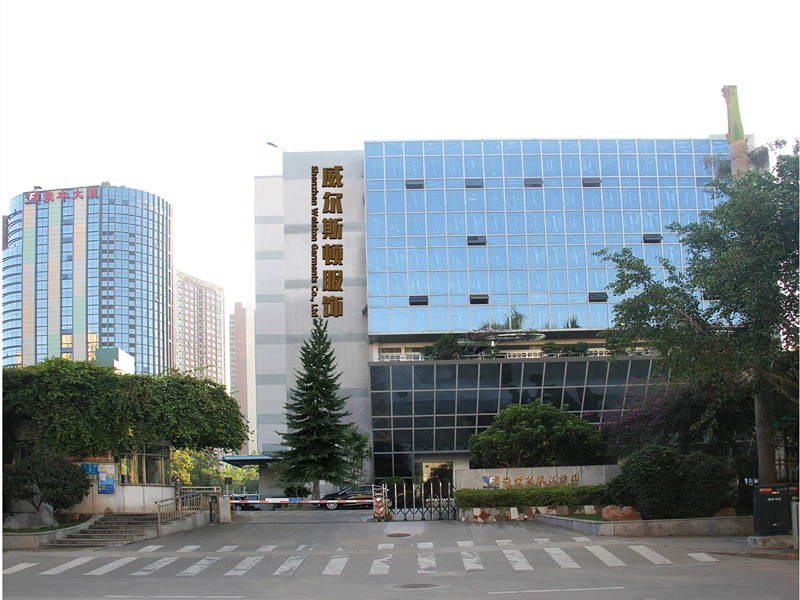
About Welston Garments