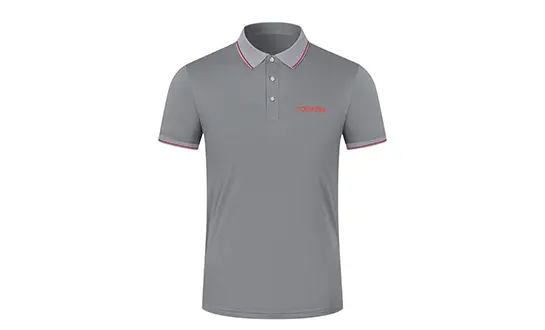
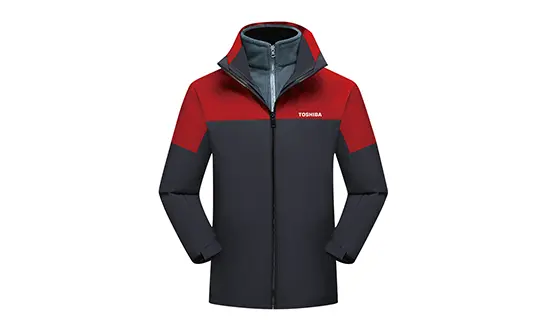
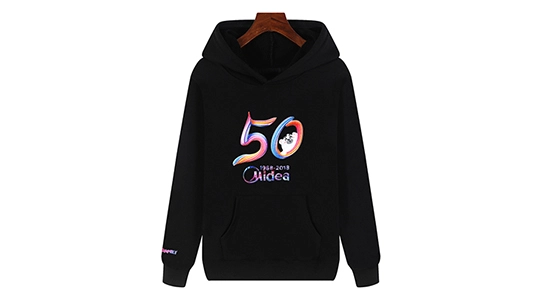
Service Shirt Buyer’s Guide: How to Choose the Right One
It's not enough to just pick a colour and size for your Service Shirts; you need to make a smart investment that affects the comfort of your employees, how people see your brand, and how efficiently your business runs. If you choose the right Service Shirt, it will look professional and work well, protecting you at work and representing your brand. Working with business clients in the hospitality, technology, and industrial sectors for many years has taught me that the best way to make buying choices is to understand fabric technologies, workplace needs, and the ability to customise. This guide walks you through the most important things you need to think about when choosing Service Shirts that will last, look good, and save you money for your business.
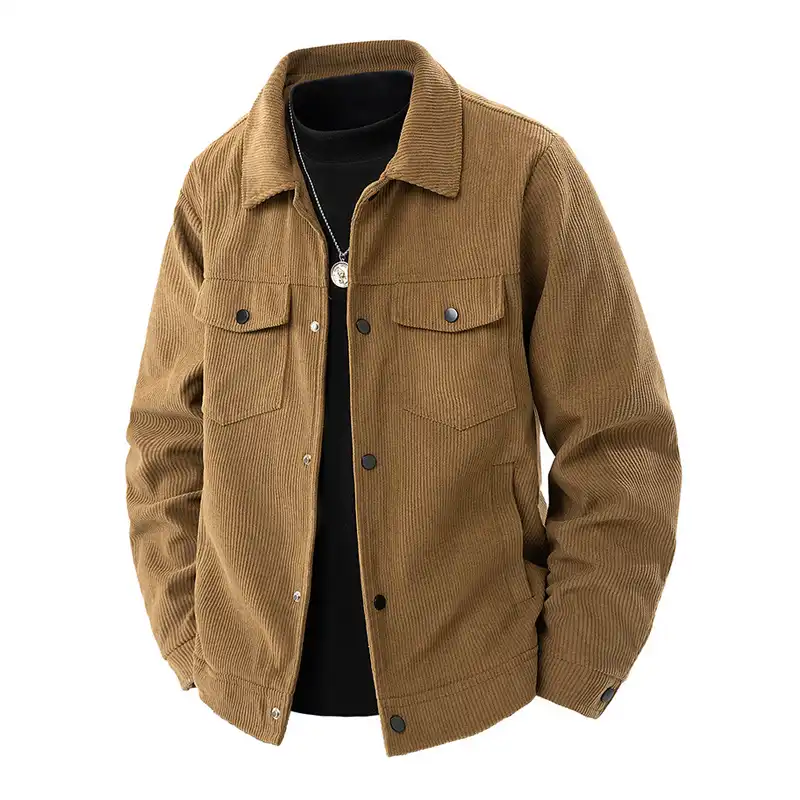
Understanding Service Shirts — Definition, Types, and Uses
What Makes a Service Shirt Different
A Service Shirt is different from casual clothes or dress shirts because it is designed to meet the needs of the workplace. The design of these clothes makes them look professional while also being useful. They are made to last through multiple industrial washings, common workplace spots, and long-term use without losing their colour. Unlike most store-bought shirts, which only last a few months, good Service Shirts look good and stay strong after years of daily use.
Common Types and Their Applications
Different fields need Service Shirts that are set up in different ways. Industrial Service Shirts for the car and industrial industries usually have heavier fabrics (5.0 to 6.0 oz/sq yd) and stronger stitching at stress places. Hospitality Service Shirts are made from fabrics that are both flexible and resistant to stains. This way, front-of-house staff can keep looking great even during long shifts. Utility Service Shirts have useful features like two chest pockets and pen holes for techs and field service workers who need easy access to storage.
Tactical Service Shirts are common in security and facilities management. They often have strategic ventilation panels and the ability to wick away moisture. There are a lot of different types of fabrics. Cotton blends are naturally comfortable and breathable, polyester blends are more durable and less likely to wrinkle, and flame-resistant materials are needed for safety in high-risk environments.
Workplace Applications Across Industries
Our Service Shirts are used in a wide range of business settings in North America, Europe, and the Asia-Pacific region. Companies that work with technology give their IT support teams modern-fit Service Shirts that can wick away sweat for work in the server room and with clients. Service Shirts with oil-resistant finishes and hidden button plackets keep the surface of vehicles from getting scratched, which is why car shops rely on them. Hotels, restaurants, and other places that serve food and drinks choose Service Shirts with advanced stain-release technologies that keep the shirt looking great even after being exposed to food, drinks, and cleaning chemicals.
Service Shirts with UV protection and improved airflow for outdoor work settings are in high demand from the expanding markets in the Middle East and Africa. Colourfastness is important to Australian industries because they need to be able to handle direct sunlight while keeping their brand colours consistent across their workforce.
Key Criteria to Consider When Choosing a Service Shirt
Defining Your Use-Case Requirements
A clear picture of your operational environment is the first step to successful procurement. Think about the physical needs your team faces every day. Do they work in offices with climate control, hot kitchens, outdoor building sites, or warehouses with cold storage? Different fabric technologies and design features are needed for each situation. Tech companies that put on corporate events need Service Shirts that can go from setting up in the warehouse to giving presentations to clients without any problems. These shirts need to be comfortable and look professional at the same time.
Fabric Durability and Performance
How long your Service Shirt lasts and how often you need to change it depend on how durable the fabric is. The standard blend of 65% polyester and 35% cotton is the best combination of synthetic strength and natural comfort. It can usually handle 60 to 100 industrial wash cycles before showing signs of wear. Tensile strength and colour retention are provided by polyester, while breathability and moisture absorption are provided by cotton.
Performance features like moisture-wicking technology move sweat away from the skin, which is very important for people who work in places that aren't air-conditioned or have physically demanding jobs. As a result, soil-release finishes protect against oil-based spots, making laundry much easier and prolonging the look of clothes. If you keep these chemical treatments in good shape, they will work after dozens of wash cycles.
Certification and Compliance Standards
Service Shirts that meet certain safety standards are needed in some fields. Service Shirts that are flame-resistant and meet NFPA 2112 standards protect workers in petrochemical plants and electricity services. ANSI/ISEA 107 standards for workers in warehouses, logistics centers, and roadside environments require high-visibility Service Shirts with reflective stripes. Checking these certifications during the buying process makes sure that regulations are followed and that workers are safe.
Quality signs include more than just certifications. For example, double-needle stitching at seams keeps them from popping apart when they're under a lot of stress, strengthened collar points keep their shape after a lot of wear, and bar-tack reinforcement at pocket corners keeps them from tearing. When looking at examples, pay close attention to these details because they have a direct effect on how long the clothes will last.
Fit, Comfort, and Brand Alignment
Modern Service Shirts offer customised fits that increase employee confidence and professional appearance rather than boxy, one-size-fits-all designs. Modern cuts are made to fit a wide range of body types and allow for the full range of motion needed for work. A good fit keeps the fabric from bunching up and binding, which makes it more comfortable to wear for long amounts of time.
Using Service Shirts to align your brand strengthens your company's reputation every time you contact with a customer. Your employees will all look the same if you use the same colour schemes, strategically place your logos, and style everyone the same way. With up to 60 colour options across different types of fabric, our customisation tools let you match colours exactly to brand standards.
Comparing Service Shirts — Brands, Fabrics, and Features
Leading Manufacturers and Their Specialties
There are well-known companies in the Service Shirt market that are known for their strengths. Dickies is known for making tough industrial clothing with reinforced construction that appeals to industries like manufacturing and automobile that value reliability over fashion. Carhartt makes heavy-duty Service Shirts that are designed to work in harsh outdoor conditions. These shirts have weather-resistant materials and features that keep you cool.
Emerging manufacturers like Welston combine 30 years of experience making clothes with the latest performance technologies. Over 580 skilled workers are spread out across three factories and ten production lines. We use precision equipment from Japan's JUKI and Taiwan's SHINLING. Our manufacturing capacity lets us provide consistent quality and on-time delivery to major corporate partners like Panasonic, Benz, Dell, Toshiba, and Toyota.
Fabric Technology Comparison
Traditional 100% cotton Service Shirts are the most breathable and comfortable to wear, but they also tend to shrink and wrinkle more quickly. Blends that are mostly polyester (65/35 or 60/40 ratios) make clothes much less likely to wrinkle and keep their colour while still being comfortable. When advanced moisture-wicking treatments are added to these mixes, they create capillary action that pulls sweat to the surface of the cloth so it evaporates quickly.
Specialised materials solve problems that only happen in the office. Ripstop weaves have reinforcement threads that stop tears from spreading, which is useful in places where snags are likely to happen. Stretch-integrated fabrics with small amounts of spandex make it easier to move around without sacrificing a professional look. Antimicrobial treatments stop the growth of germs that cause smells, so clothes don't have to be washed as often. This is especially helpful for workers who work long shifts or move between job sites.
Quality Indicators and Customer Feedback
Looking at the details of how a Service Shirt is made that affects how long it lasts is part of judging its quality. Premium Service Shirts have melamine buttons that won't crack at commercial pressing temperatures, bias-cut collar bands that won't curl, and French seams at stress points to make them stronger. The quality of the thread is very important. Polyester core threads wrapped in cotton look and feel like natural fibre while providing manufactured power.
Customers always say that comfort and fit retention are the most important things to them. Higher starting costs are justified by longer replacement times for Service Shirts that keep their shape and size after 50 or more washes. When uniforms age at different rates, they can look patchy, which is not professional. Colour stability across different production batches stops this from happening.
Price Positioning and Value Analysis
Service Shirt prices depend on the type of fabric used, how complicated the structure is, and how the brand wants to be seen. Budget choices, which cost between $12 and $18 per unit in bulk, usually have basic construction and lighter fabrics that are good for low-wear situations or short-term event hiring. Service Shirts in the $20 to $30 range are made of a durable polyester-cotton mix and have performance features that are good enough for most business and light industry uses.
Advanced fabric technologies, better construction, and often sustainability certificates are all features of Premium Service Shirts ($35–$50 per unit). These choices offer the best long-term value for businesses that care about their brand image and employee happiness. When you buy in bulk, you can save a lot on unit costs. Orders of 200 or more units usually get a 15–25% discount, and yearly supply agreements can save you even more.
Procurement Strategies — How to Buy Service Shirts Efficiently
Sourcing from Reliable Suppliers
Evaluating suppliers is the first step in effective buying. Service Shirt makers that have been around for a while and have specific facilities, quality control systems, and industry certifications lower the risks of buying from them. All of our production sites use quality control systems that are in line with ISO standards. This makes sure that the end product always meets the requirements.
When looking at possible suppliers, make sure that their production capacity matches your volume needs and delivery dates. Our ten production lines can handle orders from 200 to more than 50,000 units, and wait times can be adjusted based on how quickly the project needs to be done. Before placing a big order, ask for fabric swatches and example garments. Touching and examining the quality of the items shows details that pictures can't show.
Customization Capabilities
When you customise work clothes, they become brand ambassadors. You can put your logo on the left chest, arm, or back yoke. Depending on the difficulty of the design and your budget, this can be done through embroidery or screen printing. Embroidery gives a garment a high-end look and is very durable; the design stays clear after hundreds of washings. Screen printing is cheaper for simple designs and graphics with a lot of parts.
In addition to applying a brand, full customisation takes into account how different people in your workforce may fit. We offer standard size charts from XS to 5XL, as well as unique sizing based on chest, length, and shoulder measures. Pattern choices, such as classic fits and modern slim cuts, make sure that all employees are comfortable, no matter what they like or how their bodies look.
Customising colours goes beyond just picking from a list of options. Our color-matching services can make exact copies of Pantone colours or samples of current clothes, making sure that they are in line with brand standards. This feature is very important for businesses that have established colour schemes that need to be used consistently.
Bulk Purchasing Best Practices
Strategic timing makes buying in bulk more valuable. When you place your order during the slower production times for makers, which are usually late autumn and early spring, you can usually get better prices and faster return. Annual forecasting lets you combine the needs of several departments into a single big order, which lets you take advantage of volume savings and make sure that you have enough supplies all year long.
Talk about payment terms that work with your cash flow. For qualified accounts, established suppliers often offer net-30 or net-60 terms. This makes budgeting for big uniform projects easier. Our payment choices are flexible enough to work with a wide range of business purchasing practices. We accept both purchase orders and credit cards.
Think about how you will manage your inventory. For example, will you store uniforms in-house or use supplier-managed inventory programs? Supplier-managed models cut down on the space and money you need to store inventory, and they make sure that you can quickly get more when team members need replacements.
Supplier Selection Checklist
Before deciding on a supplier, make sure that these important things are met: production capacity that meets your volume needs; quality control systems that stop shipments with defects; customisation options that meet your branding needs; competitive pricing with clear cost breakdowns; reliable delivery performance with realistic lead time commitments; and quick after-sales support that can help with sizing changes or quality issues.
We stand behind the quality of our Service Shirts by having dedicated after-sales staff who answer to client requests within 24 hours. This support system makes sure that small problems are fixed quickly so that they don't affect your business or the happiness of your employees.
Caring for Your Service Shirts to Extend Life and Maintain Appearance
Fabric-Specific Care Instructions
Proper washing extends Service Shirt lifespan. Cotton blends should be washed in warm water to prevent shrinkage, while performance fabrics require gentler care to protect fibres. Polyester handles higher temperatures but rarely needs them. Prompt stain treatment, suitable cleaners, and avoiding chlorine bleach on colours help maintain appearance and durability.
Drying and Finishing Practices
Medium heat drying protects Service Shirts by preventing fibre damage, coating deterioration, and reduced breathability. Removing shirts slightly damp helps reduce wrinkles, while prompt hanging or pressing maintains appearance. Commercial laundering requires controlled temperatures and proper settings to protect fabric technology, allowing shirts to maintain quality through 60+ wash cycles.
Common Maintenance Mistakes
Improper maintenance can shorten Service Shirt lifespan. Overloaded washing machines and excessive detergent leave residues that attract dirt and irritate skin. Washing regularly prevents stains from setting, while proper storage avoids mildew and wrinkles. Hanging shirts for ventilation is recommended to maintain appearance and reduce the need for extra care.
Lifecycle Cost Optimization
Lifecycle cost should consider purchase price, laundering, and replacement frequency. Higher-quality Service Shirts may cost more initially but often provide lower cost per wear through longer durability. Staggered replacement plans help maintain a consistent team appearance, reduce sudden uniform expenses, and extend the value of existing garments over time.
Conclusion
When choosing the right Service Shirt, you need to think about a lot of things, such as how well the fabric works in your operational setting, how long it will last, how well it fits and feels, how customisable it is, and how it supports your brand's character. The best ways to buy things are to start with clear needs, judge suppliers based on their skills instead of just price, and protect your investment in uniforms with upkeep procedures. The right Service Shirt improves both individual performance and the organization's image. For example, tech teams should wear modern fits that wick away sweat, hospitality staff should wear professional styles that won't stain, and industrial workers should wear long-lasting, heavy-duty clothes. Our 30 years of experience working with clients around the world in the automotive, technology, and industrial sectors gives us the knowledge to help you make smart purchasing decisions that will ensure your employees look polished and professional while enjoying the comfort and usefulness that comes with good Service Shirts.
FAQ
1.What distinguishes service shirts from standard uniform shirts?
Service Shirts are made with special cloth treatments and building methods that go beyond what is required for regular uniforms. They have soil-release technologies that keep oil and protein-based stains away, moisture-wicking properties that keep you dry, and reinforced stitching at stress points that make the clothes last longer. Basic dress shirts keep everyone looking the same, but Service Shirts have performance features that make workers more comfortable and make upkeep easier.
2.How do I select appropriate fabrics for different workforce environments?
Fit the properties of the cloth to the needs of the surroundings. Indoors, where the temperature and humidity are controlled, cotton-rich blends (50/50 to 65/35 polyester/cotton) are comfortable and let air flow. Fabrics that are mostly polyester and have moisture-wicking properties are good for outdoor or high-exertion jobs. When working in hot places like restaurants or factories, you need fabrics that are more stain-resistant and dry quickly. We give you fabric suggestions based on how you plan to use the fabric.
3.What customization options exist for bulk service shirt orders?
Full customisation includes adding a name through embroidery or screen printing, matching colours to brand standards, changing sizes to fit specific measurements, choosing between traditional and modern slim cuts, and, if desired, branding the package. For full customisation, the minimum order quantity is usually between 100 and 200 units, but this depends on how complicated the design is.
Partner with Welston for Your Service Shirt Requirements
Welston can help you with your uniform buying problems because he has 27 years of experience in business clothes. We provide the production capacity, quality consistency, and customisation flexibility your organization needs as an established Service Shirt maker with three specialised factories, ten production lines, and partnerships with market players like Panasonic, Benz, and Dell. From choosing the fabric to delivering the finished product, we can do it all. We'll help you choose the best materials for your workplace, do precise logo embroidery or screen printing that fits your brand, and make sure the sizes are right for everyone on your staff. Email our team at [email protected] to talk about your unique needs, get fabric samples, or get a quote on your next Service Shirt order. We answer all questions within 24 hours and offer useful solutions based on decades of experience dressing experts in the business, automotive, hospitality, and industry fields.
References
1. Smith, J. & Anderson, P. (2023). Industrial Workwear Standards and Performance Specifications. Textile Research Journal.
2. Johnson, M. (2024). "Procurement Strategies for Corporate Uniform Programs." Journal of Supply Chain Management, Vol. 42, Issue 3.
3. Williams, R. et al. (2023). Fabric Technologies in Modern Workwear: Moisture Management and Durability Analysis. International Textile Institute.
4. Martinez, C. (2024). "Lifecycle Cost Analysis of Commercial Uniforms." Facilities Management Quarterly, Spring Edition.
5. Thompson, L. & Chang, H. (2023). Global Workwear Market Trends: Regional Preferences and Sustainability Demands. Industry Market Research Group.
6. Davis, K. (2024). "Quality Control Standards in Garment Manufacturing: Best Practices for Corporate Apparel." Apparel Production Management Review, Vol. 18, No. 2.
We specialize in designing, producing, and selling corporate clothing. Mainly produces: industrial clothing, business uniforms, and work clothes for different companies.

About Welston Garments