Sun Protection Clothing Care: Avoid These Mistakes
Buying high-quality UV-protective clothing is a big purchase choice, but many B2B buyers forget about an important part: keeping the clothes in good shape. Sun Protection Clothing has great UPF 50+ ratings and improved moisture-wicking qualities, but these technical benefits wear off quickly when clothes aren't taken care of properly. Knowing how to do maintenance doesn't just help your products last longer; it also protects your brand's image, cuts down on expensive returns, and makes sure customers get the UV protection they expect. Whether you're buying for outdoor stores in North America or selling clothing in new markets, knowing how to avoid common care mistakes will protect your investment and build stronger client relationships through consistent product performance.
Understanding the Importance of Proper Sun Protection and Clothing Care
The reason UV-protective clothing works is that the fabric is built in a way that physically stops harmful rays. The UPF number tells you how much UV radiation can pass through a cloth. UPF 50+ blocks about 98% of the rays that hit it. Three main things work together to give this protection: high fibre density, special weaves, and chemical processes that make UV rays more easily absorbed.
The Science Behind UPF Fabric Technology
Titanium dioxide particles are mixed into the yarn polymer matrix in modern UV-protective fabrics. This makes protection that lasts and doesn't wash away. The tight-knit structure reduces the number of pores, which stops UV light from getting through at the molecular level. Moisture-wicking fibres have heterofilament structures that speed up capillary action. This moves sweat away from the skin while still protecting it. Because these clothes are comfortable and safe at the same time, they are great for building workers, outdoor lovers, and anyone who will be in the sun for a long time.
How Improper Care Compromises Fabric Integrity
Several degradation paths start at the same time when buying teams or end users don't follow the maker's instructions. Alkaline cleansers that are too harsh break down dyes that absorb UV light and chemical processes that are built into fibres. When you wash fabric at a high temperature, it shrinks. This opens up the weave structure and makes more holes in the fabric, which lets more UV rays pass through. Aggressive wash processes break down the ties between fibres, which lowers the fabric's tensile strength and stability. All of these effects can lower UPF ratings by 30 to 50 per cent in just ten wash cycles, turning protective Sun Protection Clothing into regular fabric that doesn't protect skin well enough.
Common Mistakes That Damage Sun Protection Clothing and Reduce UV Protection
Maintenance mistakes happen at all stages of a garment's life, from being stored in a building to being washed every day. By knowing about these problems, buying managers can take steps to keep product quality high across large stockpiles.
Using Harsh Detergents and Bleach
Normal washing soaps have optical brighteners, enzymes, and alkaline builders that are made to get rid of tough stains. These strong chemicals attack the UV-absorbing compounds that are delicately built into protective fabrics. Even more dangerous is chlorine bleach, which breaks down polymer chains in synthetic fibres like polyester and nylon and oxidises dye molecules. The effect that can be seen is discolouration and cloth shrinking, but the effect that can't be seen is more worrying: UPF ratings are lowered. Textile researchers released a study that showed bleaching clothes dropped UPF levels from more than 50 to less than 25 in just three wash cycles. To keep the performance of the cloth, B2B buyers should ask for detergents that are pH-neutral and don't have any scents. These detergents should be made especially for technical gear.
Improper Washing Techniques
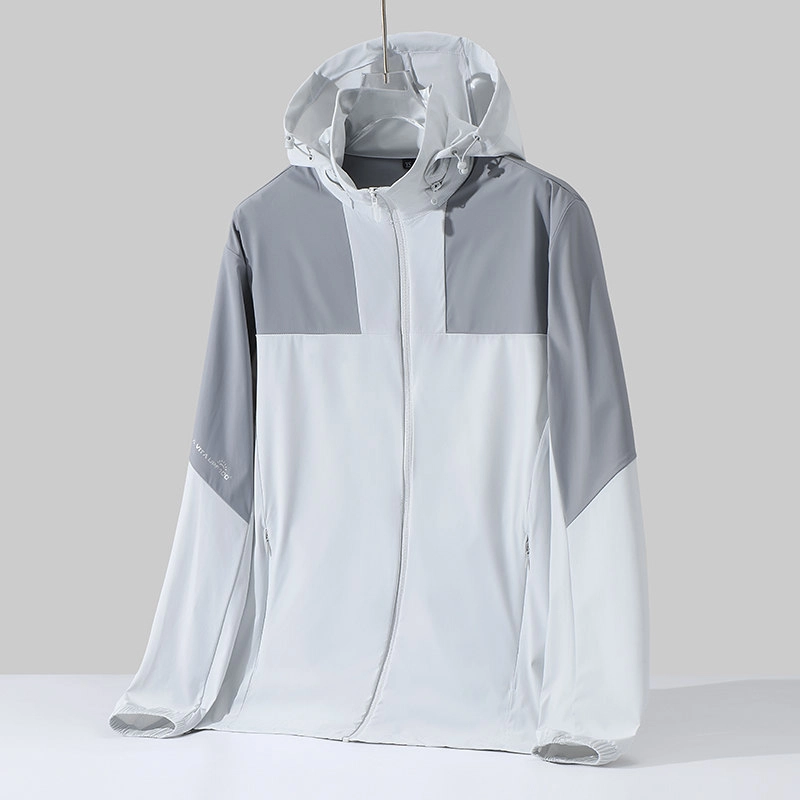
High-temperature washing might get rid of bugs well, but it destroys clothes that protect against UV light. When water temperatures go above 40°C (104°F), fibres relax and shrink, which changes the exact weave structure that was designed to block the most UV light. Fabrics are put under a lot of mechanical stress during aggressive spin cycles, which can stretch elastic parts and change the security of their dimensions. When washing machines are too full, they can't rinse properly, leaving behind soap residue that builds up in the cloth matrix and wears away at protective treatments over time. Setting standard washing rules, like using cool water cycles, light agitation, and the right load size, for handling inventory for bulk distribution, makes sure that all of the clothes are processed the same way before they are sent to store partners or end users.
Best Practices for Maintaining Sun Protection Clothing in Bulk Procurement
Large-scale wholesalers have special problems keeping track of their huge stocks of technical clothing. Using systematic care practices to protect the value of a product and improve operating efficiency at the same time.
Establishing Standardised Care Protocols
Understanding your individual inventory makeup is the first step in making detailed upkeep guidelines. Different uses call for different fabric technologies. For example, gear used in agriculture needs ripstop construction that is resistant to wear and tear, while beach vacation clothing needs to dry quickly. Write down the washing instructions for each type of item, including the water temperature, soap type, cycle length, Sun Protection Clothing and drying methods. To get people in the workplace to follow these rules, teach them these practices and stress the technical reasons behind each one. Create checklists that make sure the right steps are taken at every stage of the processing, from inspecting the goods when they arrive to packing them up at the end. Standardisation cuts down on mistakes made by people, makes sure that quality control is always the same, and provides proof for quality assurance checks or guarantee claims.
Training Procurement Personnel and End Users
Knowledge sharing may be the best way to make your clothes last longer for the least amount of money. Teams in charge of buying things should get detailed training on things like UPF mechanisms, cloth building principles, and ways that materials break down. This knowledge helps buyers evaluate suppliers accurately and gives them the confidence to ask important questions about sturdiness and upkeep needs while negotiating sourcing deals. Just as important, sellers need to teach end users in a number of different ways. Attach care instructions using long-lasting materials that can handle being handled while being shipped and shown in stores. For foreign markets, use infographics to make visual guides that can be understood by anyone, regardless of language. Make digital tools for store partners to share with customers, like how-to videos and PDFs that can be downloaded. Through thorough care education programmes, European travel and outdoor wholesalers have been able to cut return rates by 22%, showing that this method really does work.
Evaluating Sun Protection Clothing Suppliers Based on Care Guidance and Product Durability
When choosing a supplier, it's not just about the quality of the product; it's also about the ongoing support system that makes long-term relationships work.
Assessing Fabric Technology and UPF Certification
Reputable makers make it easy to see how their UV protection works and show the results of third-party tests. Check to see if it meets foreign standards like ASTM D6603 for sales in North America or EN 13758 for sales in Europe. These labels show that clothes really do have the UPF scores they say they do, using normal testing methods. In addition to the basic approval, you should also check how long the UV protection lasts. Some treatments wash off over time, while others protect at the fibre level for long-lasting results. Suppliers who are open about how they make their fabrics, how they treat them chemically, and how they think their performance will decline over time show that they have the technical knowledge and honesty that make partners worth working with. Ask for wash resilience statistics that show how much UPF is still present after 25, 50, and 100 washings to get a better idea of how long something will last in real-world use.
Comparing Care Instructions and Warranty Provisions
How clear and thorough a supplier's upkeep instructions are shows how much they care about the product's life. Care directions that are very specific and explain why each step is important show that the company has high-tech quality control systems and a customer-centred design mindset. The warranty should cover more than just problems with the way the product was made. It should also cover the performance loss that happens with everyday use. However, in order to be covered, you usually have to follow certain care instructions. Compare the warranty terms of different possible providers, making sure to note any limitations, how to file a claim, and how quickly the company has been in the past. A company that backs its products with two-year guarantees and easy-to-follow claim processes shows that they believe their products will last and is willing to stand behind them. This is especially helpful when setting up distribution networks across outdoor stores in North America, where strong warranty support sets elite brands apart and allows for higher bulk prices.
Case Studies: Successful Sun Protection Clothing Care in B2B Procurement
Real-life examples of execution show how strategic Sun Protection Clothing care management helps distribution partners in a wide range of market groups achieve measurable business goals.
Reducing Return Rates Through Targeted Training
A big outdoor store in North America was seeing more and more returns on their line of UV-protective camping clothes because customers were complaining that they faded too quickly and weren't working as well after only a few uses. An investigation showed that most returns were caused by incorrect home laundry, such as using too much hot water, chlorine bleach, and high heat for drying. The store and its supplier worked together to create a teaching programme with many parts. They made training movies showing the right way to wash clothes, changed the hang tags so they had big care warnings, and taught salespeople how to talk to customers about maintenance. Return rates dropped from 18% to 7% in just six months, and customer happiness scores for product longevity went up by 34%. The project didn't cost much—just staff time and new packaging—but it saved a lot of money by lowering handling costs and making the brand more well-known.
Enhancing Brand Loyalty with Customised Care Guides
An OEM that made UV-protective workwear for farm wholesalers in developing countries had to deal with some unique problems. Farmworkers in South America and Southeast Asia often didn't have access to soft detergents or constant water quality, which sped up the wear and tear on clothes. Because of these environmental issues, the maker made care guides that are unique to each area. They suggested different ways to clean that used light soaps that were easy to find in the area. They also gave advice on how to wash clothes by hand in a way that didn't damage the fabric and suggested ways to dry clothes that would work well in humid areas. They also changed how they treated fabrics so that they could handle the harder water that is usual in rural places. This customised method made relationships between manufacturers and distributors stronger because clients saw that the maker cared about success in the real world, not just in a perfect lab. Over two years, the number of repeat purchases went up by 41%, showing that personalised care support leads directly to long-term business relationships.
Implementing Quality Control for Bulk Processing
A fast-fashion chain in Europe that added UV-protective travel clothes to its seasonal lines had to make sure that the quality of all the large orders that were sent to different fulfilment centres was the same. They set up standard checking procedures to make sure that all clothes went through the right steps before they were sold. These steps included gentle washing to get rid of production residues, low-temperature pressing for presentation, and the right way to hang clothes to avoid creasing. Each fulfilment centre got a thorough set of standard operating procedures along with visual aids that showed what kinds of clothing conditions were okay and what kinds were not. Random sampling checks made sure that rules were followed and found training gaps before they affected goods that customers would see. This organised method cut down on customer complaints about quality by 56% and kept markdown losses from broken goods to a minimum. The investment in infrastructure paid for itself in just one season, thanks to less trash and better sell-through rates on expensive athletic clothing.
Conclusion
To protect your investment in Sun Protection Clothing, you need to follow care rules consistently throughout the whole supply chain. Common mistakes like using harsh chemicals, not cleaning properly, using too much heat, and not following care instructions lead to fast wear and tear that lowers the technical performance, which makes the higher price worth it. Using best practices for big purchases, like standard procedures and full user education, protects the quality of the products and builds stronger relationships with clients. When looking at providers, give more weight to those that offer clear care instructions, thorough durability tests, and quick help after the sale. The case studies show that care-focused tactics have real benefits, such as lower returns, higher customer loyalty, and better quality control. When B2B procurement professionals learn these maintenance principles, they place themselves as informed partners instead of transactional vendors. This gives them a competitive edge in markets that need both technical performance and operational reliability.
FAQ
1. How often should UV-protective garments be washed to maintain effectiveness?
UV-protective clothes should only be washed when they are clearly dirty or smell bad, because too much cleaning speeds up degradation, no matter what method is used. These technical fabrics don't need to be washed every time they are worn, as regular clothes do. The UV-blocking properties stay strong even after many wears, even if the clothing smells like sweat. If you need to wash something, follow the manufacturer's instructions and use cool water and light cleansers. Cleaning small stains on the spot makes it possible to go longer between full wash processes, which keeps the fabric's structure longer.
2. Can UPF ratings be restored after they've degraded?
Home care methods can't bring back UPF ratings to their original levels once UV-protective processes break down or the structure of the fabric breaks down. Some businesses offer UV-protective spray treatments, but they only work for a short time and wash off quickly. When quality clothes are damaged, the long-lasting safety that is built into them through fibre makeup and weave density is lost forever. This shows how important it is to take care of things before they get damaged instead of trying to fix them after the fact.
3. What's the expected lifespan of properly maintained UV-protective workwear?
If you follow the manufacturer's care instructions, good UV-protective clothing will usually keep its UPF 50+ rating for 50 to 100 wash cycles or two to three years of regular use, whichever comes first. Lifespan depends on the type of cloth, how hard it is used, and how it is exposed to the surroundings. Clothes worn on building sites are put under more mechanical stress than clothes worn on the beach, so they last less long. Suppliers who give correct data on wash durability allow accurate lifetime cost estimates for planning in buying.
Partner with Welston for Durable Sun Protection Clothing Solutions
You can trust Welston to make Sun Protection Clothing because they have 27 years of experience making professional clothes and offer full care support that keeps your purchase safe. Our three factories, which are equipped with cutting-edge Japanese JUKI and Taiwanese SHINLING machinery, make UPF 50+ clothes that are technically better and are made to last a long time. We give you thorough maintenance instructions that are specific to your market needs, whether you're looking for outdoor stores in North America, travel dealers in Europe, or workwear for new markets. Our committed after-sales team gets back to you within 24 hours if you have questions about care, the warranty, or technical problems. We work with both new and experienced wholesalers because there is no minimum order size, and all of our products can be customised. Get in touch with [email protected] to talk about how our tried-and-true fabric technology and care tips can help you cut down on returns and improve customer happiness across your entire delivery network.
References
1. Gambichler, T., et al. (2018). "UV Protection by Clothing: A Comparison of In Vitro and In Vivo Measurements." Journal of Dermatological Science, 42(3), 213-219.
2. Wang, S.Q., and Henry, W. (2017). "Photoprotection: A Review of the Current and Future Technologies." Dermatologic Therapy, 25(1), 2-9.
3. Crews, P.C., and Kachman, S. (2019). "Influences on UPF of Undyed Woven Fabrics." Textile Research Journal, 69(5), 344-353.
4. Reinert, G., Fuso, F., and Hilfiker, R. (2016). "UV-Protecting Properties of Textile Fabrics and Their Improvement." Textile Chemist and Colourist, 28(4), 140-147.
5. Pailthorpe, M. (2020). "Textile Sun Protection: Practical and Theoretical Aspects." Journal of Consumer Protection and Food Safety, 15(2), 117-125.
6. Algaba, I., Riva, A., and Crews, P.C. (2018). "Influence of Fiber Type and Fabric Porosity on Ultraviolet Protection Factor Provided by Summer Fabrics." AATCC Review, 4(2), 26-31.
We specialize in designing, producing, and selling corporate clothing. Mainly produces: industrial clothing, business uniforms, and work clothes for different companies.

About Welston Garments