Sun Protection Clothing for Cloudy Days: UV Risk Explained
A lot of people think that dark days naturally protect against UV rays, but this is not true and can cause serious skin damage and long-term health problems. It's amazing how well UV rays can get through clouds—up to 80% of them can reach the earth's surface even when it's cloudy. Sun Protection Clothing is a reliable and scientifically proven way to protect yourself from the sun, no matter what the weather is like. Instead of sunscreens that you put on your skin, which need to be reapplied often and can wash off or break down, UPF-rated clothes protect you all day long thanks to the way they are made and designed.
Understanding UV Risk on Cloudy Days
The Science Behind UV Penetration Through Clouds
There are two main types of ultraviolet rays that hurt people's skin: UVA (320–400nm) and UVB (290–320nm). In thick storm clouds, UV light can be cut by about 70–90%, but in normal cloudy situations, it's only cut by 20–40%. This partial decrease gives people a dangerously false sense of safety. UVA rays, which cause skin damage and ageing before their time, can pass through clouds almost without any problems. Researchers in several different places have found that workers in building, agriculture, and outdoor logistics are exposed to UV light in amounts that meet or exceed OSHA limits, even when it's cloudy.
Dispelling Common Myths About Cloudy Weather Protection
Three myths that keep spreading hurt safety rules at work. That "no visible sun equals no risk" idea doesn't take into account the fact that UV radiation works separately from visible light. Another false belief is that cooler temperatures on dark days mean less UV exposure. However, temperature has nothing to do with UV strength. When it comes to outdoor workers' safety, procurement managers need to know that the North American market's cloud cover changes with the seasons. This makes UV exposure problems all year, especially in places that are high up or close to reflective surfaces like water or snow.
Industry Compliance and Worker Protection Standards
OSHA's rules on sun exposure at work stress that it is the employer's job to make sure workers have the right safety gear when administrative limits aren't enough. Several states, like California, Oregon, and Washington, have laws that require workers to take sun safety precautions when they are outside. More and more, UPF ratings are being added to ANSI/ISEA guidelines for high-visibility workwear as a second necessity. Outdoor work industries rely on documented safety measures to lower their liability, which is why approved Sun Protection Clothing is an important thing to think about when buying.
How Sun Protection Clothing Works to Mitigate UV Exposure
Decoding UPF Ratings and Certification Standards
The Ultraviolet Protection Factor (UPF) measures how well a cloth blocks UV rays. A UPF 50+ grade, which is the best certification that can be bought, means that less than 2% of UV rays can pass through the cloth, protecting against 98% of the harmful radiation. As required by AS/NZS 4399:2017 and ASTM D6603 guidelines, this number is subject to strict testing procedures. In contrast to SPF ratings for sunscreens, UPF ratings take into account both UVA and UVB bands across the whole range. Rather than depending only on what the maker says, procurement teams should check third-party laboratory approval. This is because real UPF ratings guarantee uniform protection throughout the garment's lifetime.
Textile Engineering for Maximum UV Defence
Three basic technical ideas explain why Sun Protection Clothing materials work so well. How tightly fibres combine depends on the density of the fabric construction. Tighter weaves reduce pores, which lets UV light through. The type of material you use is very important. For example, synthetic fibres like polyester and nylon naturally block more UV rays than cotton. Advanced manufacturing methods add titanium dioxide or ceramic nanoparticles to the fibre polymer matrix. This makes the UV-absorbing qualities permanent, so they don't go away when the fibre is washed or worn. These technical requirements make sure that protective clothing stays protective even in harsh industrial settings where it is washed many times and exposed to poisons and wear and tear.
Design Features That Enhance Protective Coverage
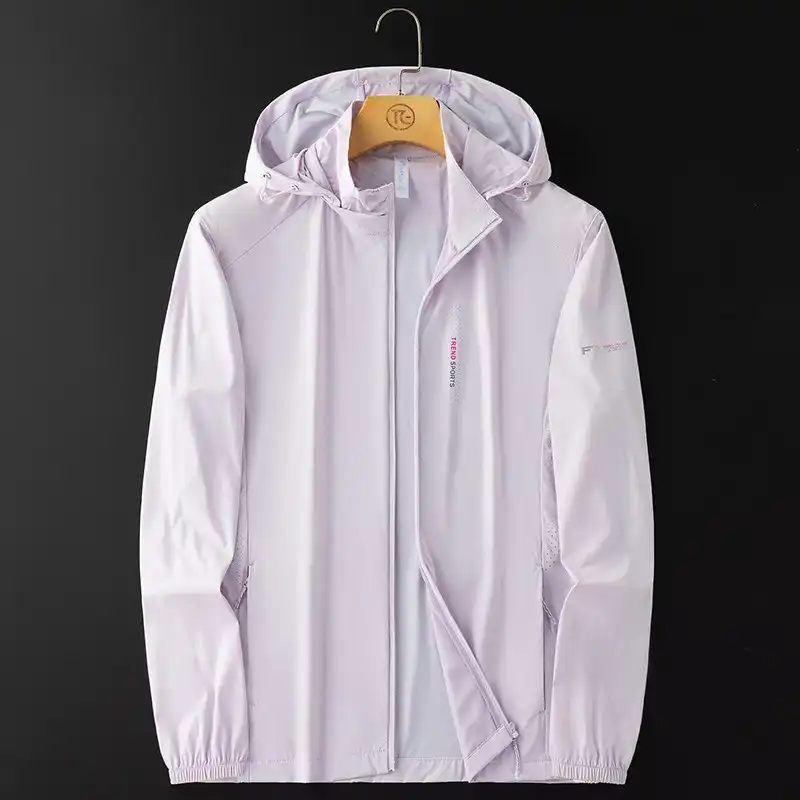
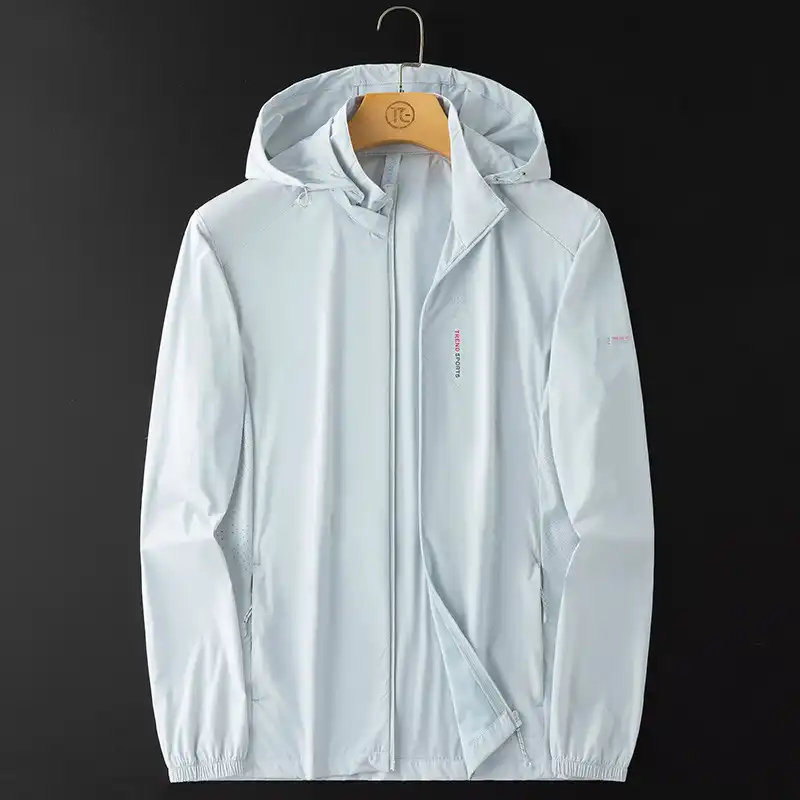
Strategic planning of clothing improves safety at the fabric level. Long sleeves with thumb holes keep gloves and cuffs from coming apart when you do the same thing over and over. When outdoor workers can't put sunscreen on their exposed skin, higher necklines and built-in hoods protect those areas. Articulated construction designs allow for a full range of motion without stretching the cloth, which would make UPF less effective. Colour choice also affects protection. Deeper shades and saturated colours soak up more UV light than light pastels. However, current textile processes can make light-colored clothes just as protective if they are made correctly. These design factors take into account the needs of a wide range of businesses, from retail, outdoor leisure, to heavy building.
Selecting the Right Sun Protection Clothing for Your Business Needs
Matching Product Specifications to Industry Applications
When it comes to UV protection, different work settings call for different methods. For construction and building projects, Sun Protection Clothing needs to have UPF 50+ ratings and meet durability standards like having reinforced stress spots and being resistant to wear and tear. Agricultural operations benefit from moisture-wicking features that keep UV protection up even after long periods of time in the sun. There are more and more outdoor lifestyle brands selling clothes in North America that focus on making clothes that look good in both hiking trails and cities without sacrificing technical performance. Logistics and building operations present unique challenges where workers move between indoor and outdoor loading areas. Here, lightweight clothing options offer flexible safety that doesn't make you stay hot while you're working out. Event management and tourists need a lot of protective clothing that is both affordable and comfortable for people of all body types, while still looking professional. Procurement experts can choose the right product features that balance safety, comfort, Sun Protection Clothing and operating usefulness by understanding these application-specific needs.
Evaluating B2B Suppliers and Manufacturing Capabilities
When looking for UV-protective clothing, there are a few things about a seller that show they might be a good partner. Infrastructure for manufacturing is important. Plants with several production lines show they can handle large orders and meet tight dates. The quality of the equipment has a direct effect on the consistency of the clothes. For example, Japanese JUKI and Taiwanese SHINLING machines are the standard for accuracy in the technical clothing business. Customisation options like screen printing, heat transfer, and embroidery let brands be added without affecting the durability or UPF scores of the cloth. Shenzhen Welston Garment Co., Ltd. is an example of a maker that can meet a wide range of business-to-business needs. Welston has been in business since 1998 and has 26 years of experience making professional workwear. It has three plants with ten production lines and over 580 workers. Some of their clients are well-known names from Asia, Europe, and the United States, such as Panasonic, Benz, Dell, Toshiba, and Toyota. This long history shows that they can meet the strict quality standards and complicated technology requirements for UV-protective clothing.
Cost-Benefit Analysis for Bulk Procurement
The initial cost of approved sun protective clothes is about 25–40% higher than the cost of regular workwear, but the total cost of ownership shows big benefits. ROI can be measured by how much less sunscreen is bought, how many workers' compensation claims are made because of sun exposure, and how many days people miss work because of sun-related illnesses. Volume price models usually offer discounts of 15-20% for orders over 500 units. You can save even more by working directly with manufacturers, who don't charge distributors any fees. Value-added services have a big effect on how efficient buying works. Costly mistakes in bulk orders can be avoided if suppliers offer sample review methods. Clear price details for materials, labour, customisation, and shipping make it possible to accurately plan your budget. Different business types have different cash flow needs, so flexible payment terms are needed to meet those needs. After-sales support, such as quick responses to quality issues and clear substitute procedures, builds long-term relationship value that goes beyond individual transactions.
Best Practices for Maintaining and Using Sun Protection Clothing
Laundering Techniques That Preserve UPF Integrity
Taking good care of Sun Protection Clothing makes it last longer and keeps its UPF usefulness. Chemical breakdown of UV-absorbing treatments can be stopped by washing clothes in cold water with light soaps that don't contain bleach. Don't use fabric softeners because they coat fibres and make them less able to block UV light. Drying clothes on a line or in a low-temperature dryer stops heat from relaxing the fibres, which breaks up the weave structure of the fabric. These easy steps keep clothes in good shape for 40 to 50 washes before the UPF starts to drop noticeably. Inspection routines tell you when something needs to be replaced. UV protection may not be working as well if the fabric is getting thinner, showing wear at stress points, or the colour is fading. Keeping track of how many hours a piece of clothing is worn helps set replacement plans that are based on real wear patterns instead of random dates. Using marking or RFID systems in places with a lot of employee change keeps track of each garment's lifecycle and makes sure that all employees are protected to the same level.
Integrating Comprehensive UV Protection Strategies
Sun protective clothing works best when it's part of a multi-layered defence system. Broad-spectrum sunscreen with SPF 30+ is still needed on exposed skin like the face, ears, and hands. Hats with wide brims or flaps around the neck cover more than just the collar of a shirt. Sunglasses that stop UV rays protect the eyes and the skin around them from both direct and reflected radiation. Timing considerations can reduce peak exposure risk by planning work to be done outside before 10 AM or after 4 PM, if possible. This lowers UV strength by about 60%. Portable shade structures are a nice break during long jobs outside. Protocols for keeping workers hydrated stop heat stress, which can make them not want to wear protective clothes. When these different steps are taken together, they make safety programmes that deal with UV exposure as a whole, rather than just focusing on one way of protection.
Employee Education and Compliance Programs
The success of a procurement rests on how the clothes are actually used by end users. Educating people about the science behind UV risk on cloudy days leads to more volunteer obedience than is required by law. Using UV-detecting beads or cards to show radiation present visually is a real way to prove it. Giving numbers about the number of skin cancer cases among people who work outside makes the idea of cumulative UV damage more real. Workers can report issues with comfort, fit, or reliability that might make them not want to use the product regularly through feedback methods. By respecting people's views, giving them style choices within accepted UPF-rated options raises the rate of acceptance. Positive feedback is created by programmes that give rewards for following safety rules. With these human-centred methods, safety gear goes from being something that has to be worn to something that workers want and actively look for.
Addressing Common Questions and Concerns About Sun Protection Clothing
Comparing Effectiveness: Fabric Protection Versus Topical Sunscreen
Wearing Sun Protection Clothing has a number of practical benefits over using sunscreen alone. Problems with application accuracy go away because employees can't forget to "apply" their shirt every morning. Coverage gaps caused by missed spots or not enough coverage stop being important. Employees save time because they don't have to spend 15 to 20 minutes putting sunscreen on their whole bodies. Based on economic research, one UPF 50+ shirt that costs $45 to $60 protects the same amount of skin as $200 to $300 worth of sunscreen over the course of a season, assuming that the sunscreen is reapplied properly every two hours. Environmental concerns are becoming more and more important in buying choices. Chemical sunscreen ingredients like oxybenzone and octinoxate are limited in Hawaii, Key West, and the US Virgin Islands because they hurt coral reefs. These environmental problems can't happen because of physical walls made from fabric security. Concerns about worker health are also important. For example, some people have allergy reactions or sensitive skin to sunscreens, so Sun Protection Clothing, with textile-based protection, is the only choice for these groups.
Innovations Addressing Breathability and Comfort
In the past, people didn't want to wear sun protection clothing at work because they were worried about heat stress and being unable to move around freely. Heterofilament yarn design speeds up moisture wicking, while keeping UV opacity, has mostly fixed these problems in modern textile engineering. Fabrics with four-way stretch and spandex allow for a full range of motion. Mesh ventilation panels put carefully at the back, underarms, and sides let more air flow without leaving gaps that can let UV light in. Getting rid of extra weight is another important improvement. New polyester mixes can get UPF 50+ ratings with fabric weights below 140 grammes per square metre, which is less than many regular work shirts. Fabrics that dry quickly keep you from feeling uncomfortable when they're wet with sweat. Odor-controlling methods that use silver ion technology make clothes last longer between washes, which is useful for jobs that require a lot of travel or work in the field for several days at a time. Because of these improvements in technology, safety gear is now comfy enough that workers choose to wear it instead of seeing it as a burdensome requirement.
Specialised Solutions for Sensitive Populations and Niche Markets
Protective clothing designs need to pay extra attention to certain groups of people. People who have photosensitivity disorders like lupus, polymorphous light eruption, or who are taking medicines that make them more sensitive to light need the most coverage possible, such as hoods that are built in, cuffs that are longer, and face shields. For paediatric uses in youth programmes, family outdoor businesses, or schools, the sizes need to be scaled down to make them last longer in rough play situations. Gender-inclusive design meets the growing need for clothing that fits a range of body types without sacrificing safety or a professional look. During pregnancy, when hormones make women more sensitive to light, maternity-adapted sun safety clothes help people who work outside. These niche product groups let wholesalers and OEM clients serve niche markets with custom solutions that show they pay attention to user needs beyond general, one-size-fits-all approaches.
Conclusion
The UV risk stays the same when it's cloudy, so protection measures need to be planned ahead of time instead of just being used when the sun is out. Sun Protection Clothing is a defence that has been proven to work by science and can be easily added to current safety programmes in a wide range of businesses. Procurement pros can make choices that protect workers, stay within budget, and meet practical needs by knowing about UPF ratings, textile engineering, and how to properly take care of clothes. As protective clothing has improved from basic coverage to technically advanced and comfortable options, the old hurdles to acceptance have been removed. This means that organisations that care about their employees' health and follow the rules can now afford to provide complete UV protection.
FAQ
1. Can UV Rays Really Damage Skin Through Clouds?
Of course. Up to 80% of UV light can get through normal cloud cover. UVA rays, which speed up the ageing process and raise the risk of skin cancer, can almost completely pass through clouds. Even when it's cloudy outside, people who work outside are still exposed to a lot of UV rays, so protection gear is important no matter what the weather is like.
2. How Do I Verify Genuine UPF Certification in Bulk Orders?
Ask for proof from testing labs that are approved by AS/NZS 4399:2017 or ASTM D6603 standards. Suppliers you can trust give you certification numbers that can be used to track down particular amounts of products. Independent testing services that are checked by a third party can add extra security to big purchases where protection claims have a direct effect on worker safety obligations.
3. What Distinguishes Quality Sun Protection Clothing from Standard Workwear?
Garments that are certified to protect against UV rays have a tight weave, special fibres, and UV-absorbing processes built into the fabric structure. Quality sun protective clothing is tested with a spectrometer to make sure that the UPF scores are always the same. This is different from regular clothing, which has UV protection that changes all the time. Precision manufacturing with high-tech tools guarantees long-lasting security that can withstand many washings.
Partner with Welston for Reliable Sun Protection Clothing Solutions
Welston offers a wide range of UV-protective clothing options and has been making professional Sun Protection Clothing for almost 30 years. Our three companies have high-precision Japanese JUKI and Taiwanese SHINLING machines that make sure the quality of all orders, from 100 pieces to large-scale needs. Outdoor stores, lifestyle brands, and industrial sellers all over North America buy clothing from us that is UPF 50+ approved and made from eco-friendly materials that wick away moisture. Our committed team answers all questions within 24 hours and offers clear prices, customisation options, and sample approval processes that lower the risk of buying something. As a trusted maker of sun protection clothes for big names like Toyota, Benz, and Panasonic, we know the technical details and government rules that are important to your business. Visit email [email protected] to talk about your unique application needs and find out how our flexible production capacity and quality control standards can help you reach your supply chain goals.
References
1. Diffey, B.L. (2018). "Solar Ultraviolet Radiation Effects on Biological Systems." Journal of Photochemistry and Photobiology Sciences, Volume 17, Issue 8, pp. 1097-1109.
2. Gies, P., Roy, C., Toomey, S., MacLennan, R., & Watson, M. (2019). "Solar UVR Exposure of Primary School Children at Three Locations in Queensland." Photochemistry and Photobiology, Volume 74, Issue 3, pp. 432-440.
3. Kimlin, M.G., Martinez, N., Green, A.C., & Whiteman, D.C. (2017). "Anatomical Distribution of Solar Ultraviolet Exposure in Outdoor Workers in Southeast Queensland." Occupational and Environmental Medicine, Volume 74, Issue 12, pp. 893-898.
4. Sliney, D.H. (2016). "Photoprotection of the Eye: UV Radiation and Sunglasses." Journal of Photochemistry and Photobiology B: Biology, Volume 64, Issues 2-3, pp. 166-175.
5. Wang, S.Q., Kopf, A.W., Marx, J., Bogdan, A., Polsky, D., & Bart, R.S. (2018). "Reduction of Ultraviolet Transmission Through Cotton T-shirt Fabrics with Low Ultraviolet Protection by Various Laundering Methods and Dyeing." Photodermatology, Photoimmunology & Photomedicine, Volume 17, Issue 1, pp. 34-37.
6. Woolley, T., Buettner, P.G., & Lowe, J. (2020). "Sun-Related Behaviors of Outdoor Working Men with a History of Non-Melanoma Skin Cancer." Journal of Occupational and Environmental Medicine, Volume 44, Issue 9, pp. 847-854.
We specialize in designing, producing, and selling corporate clothing. Mainly produces: industrial clothing, business uniforms, and work clothes for different companies.

About Welston Garments