Team Polo: The Smart Proven Bulk Ordering Tips
When planning a large-scale uniform venture, knowing how to buy Team Polo clothes carefully can make or break the project. When you buy a lot of Team Polo shirts, you need to find a good balance between customisation quality, cost-effectiveness, and source reliability. This complete guide takes you through the whole process of buying clothes, from figuring out what makes these clothes unique to getting them, avoiding common mistakes, and keeping your investment safe. These tried-and-true tips will help you make decisions that give your team a uniform look and long-lasting value, whether you're dressing a business sales team, a catering staff, or an event promotion team.
Understanding Team Polos: What Makes Them Different?
The Unique Purpose Behind Uniform Apparel
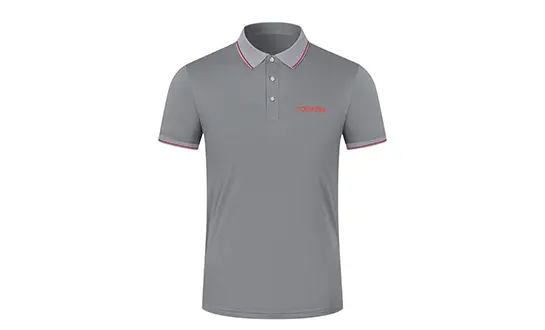
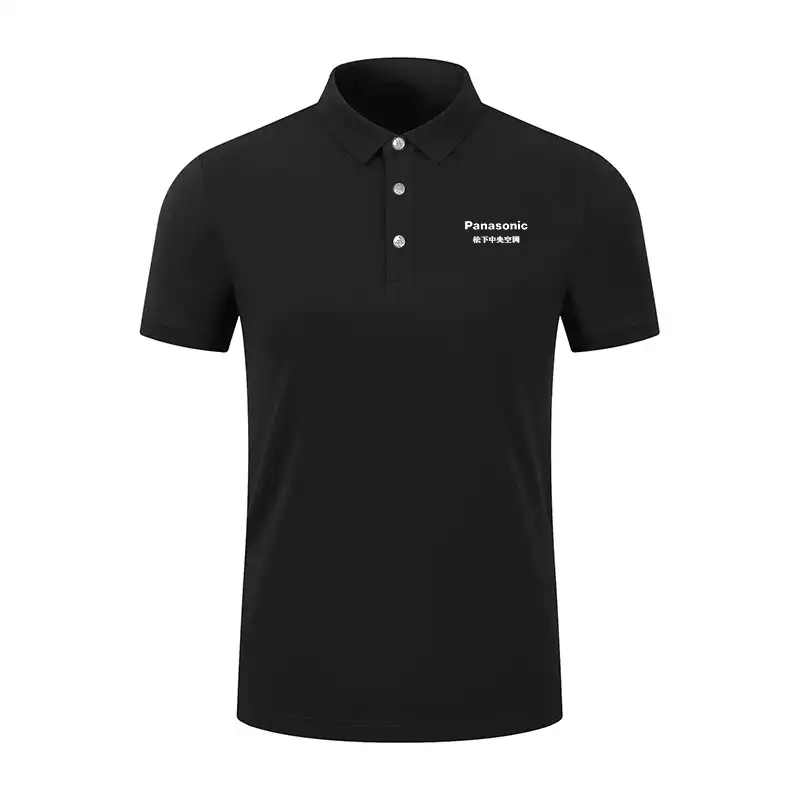
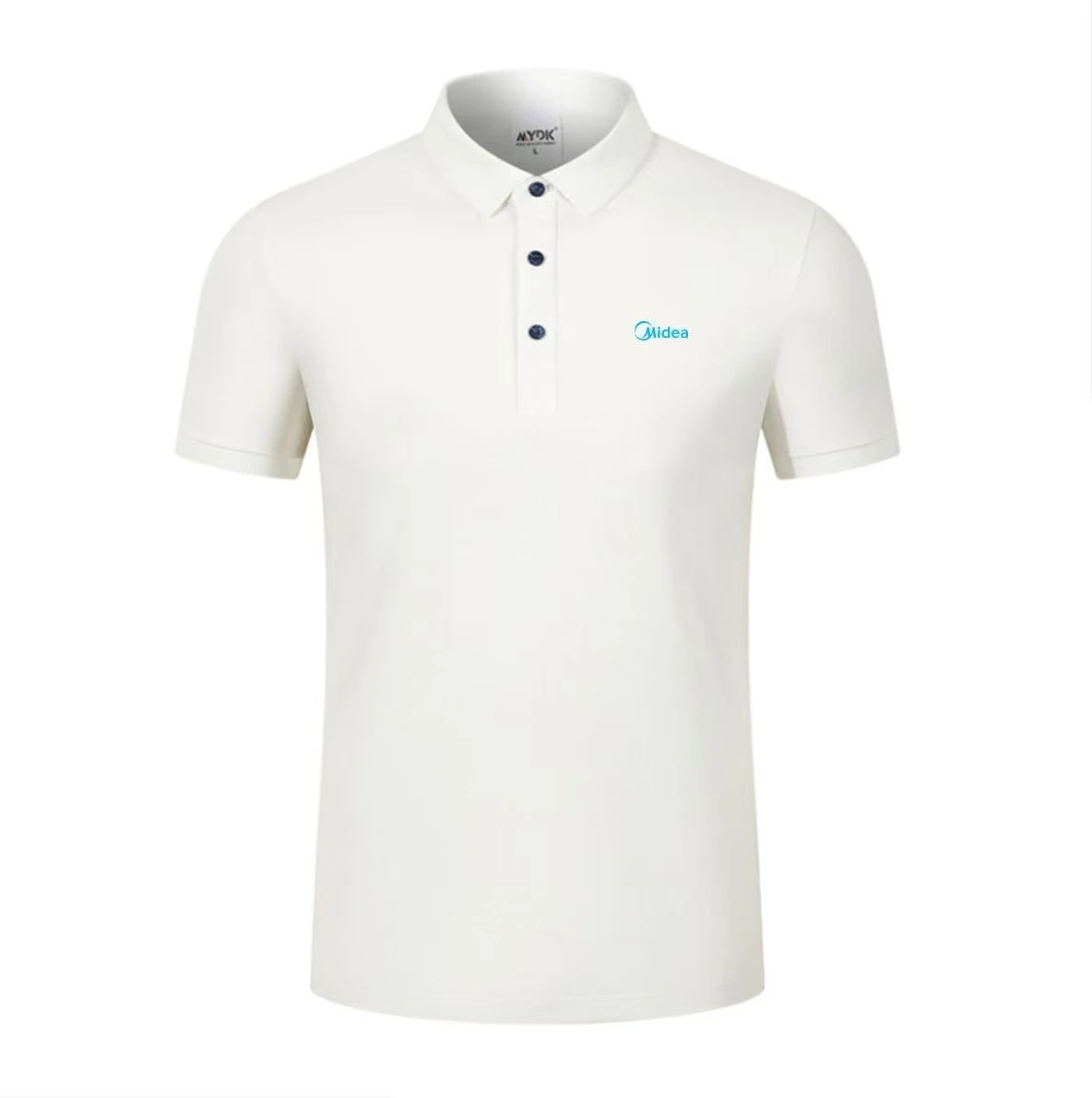
Team Polo clothes are different from regular polo shirts because they are made for organisations, not individuals. By offering a greater variety of sizes (often S to 5XL) and ensuring that the colors are consistent over manufacturing runs, these particular shirts aim to be comparable across a broad range of body shapes. This shirt has a professional appearance that falls somewhere between formal business wear and casual dress thanks to its cut fit, soft collar, and buttoned placket. When all members of your staff wear the same attire, it conveys to clients and customers how professional your business is and how much you value your brand.
Material Selection Drives Performance
The type of cloth your polo shirts are made of has a direct effect on how comfortable they are, how long they last, and how much care they need. Cotton blends let air flow through them and have a natural feel to the touch, making them good for business settings and advertising events held in mild climates. Performance polyester fabrics that wick away sweat work great in restaurant settings where staff are constantly moving from one temperature zone to another. Many companies that sell in North America and Europe now put a high value on technology fabrics that are comfortable and have useful qualities like not wrinkleing and being easy to clean. The best material for your needs relies on where the clothes will be worn, such as in climate-controlled offices, at outdoor events, or in fast-paced service settings.
Customization Elevates Brand Recognition
Bulk orders truly shine when you employ customization to improve the image of your business. While embroidery provides a superior, long-lasting finish that works well for business logos on more expensive clothes, screen printing is an inexpensive option to create a large number of promotional things. New alternatives that preserve the breathability of the cloth include silicon seals and 3D logo treatments. Planning your branding strategy before manufacturing begins is crucial, as is ensuring that the design aspects align with the perception of your business and the intended purpose of the clothing.
The Smart Bulk Ordering Process: Step-by-Step Guide
Define Your Requirements with Precision
You must first be certain of what you truly need in order to make good purchases. To accommodate for size changes and future hiring, determine the precise numbers for each department, position, or event and then add an additional 10 to 15 percent. Establish a fair budget that accounts for the price of the units as well as the cost of shipping, customization, and any applicable taxes if you purchase from overseas. You should consider if you need long-sleeved Team Polo shirts that are appropriate for any season or short-sleeved ones for the warmer months. In professional situations, long sleeves tend to help people appear more put together. They also offer practical coverage that boosts self-esteem.
Navigate Supplier Evaluation Strategically
When looking at possible partners, it's better to focus on manufacturers who have experience making business clothing than on consumer fashion names. Welston has been making professional workwear since 1998. They have three plants with ten production lines each, each with modern Japanese JUKI and Taiwan SHINLING machines. This infrastructure makes it possible to quickly turn around urgent orders and keep quality control high across big numbers. Make sure that the suppliers you're considering have clear pricing systems, reasonable minimum order amounts that fit your needs, and clear lead time promises. Before making a purchase, ask for fabric examples to make sure the quality of the material meets your needs for comfort and durability.
Master the Customization Timeline
A lot of buying teams don't think about how long it takes to customise things correctly. There are different steps in the process: design meeting, where you talk about brand rules and where you'd like the logo to go; sample production, where you check that the logo is placed correctly; revision rounds, where changes are made; and finally, mass production. Welston has a structured eight-step order process. It starts with joint study on current materials and styles, then moves on to design refinement and sample proof, and finally, after getting a 30% deposit, we start mass production. Allowing enough time for each step—usually two to three weeks for production and three to five weeks for samples, based on the size of the order—keeps you from making hasty decisions that hurt quality.
Confirm Specifications in Writing
Problems with ambiguity that cost a lot happen with bulk sales. Write down everything in your purchase agreement, including exact Pantone colour codes instead of general colour names, exact logo sizes and placement coordinates, thread types for embroidery, how the sizes are spread out across your order, the acceptable ranges for fabric weight and colourfastness, and the steps for quality inspection. This paperwork protects both sides and gives a clear point of reference if there are any disagreements. Reliable suppliers like detailed specs because they make sure there is clear contact and that the customer is happy.
Common Challenges and How to Avoid Bulk Ordering Mistakes
Sizing Inconsistencies Create Distribution Headaches
Getting clothes that don't fit your team's real size spread is one of the most frustrating things that can happen when you order in bulk. Fit standards change from brand to brand; some clothes fit true to size, while others tend to run smaller or bigger. Ask for a full size chart that shows chest width, shoulder span, sleeve length, and clothing length for each size. Instead of thinking that size labels are the same across all providers, compare these measurements to your team's real body measures. If you get the right measures, your Team Polo shirts will fit well, be comfortable, and look good on you. Keep the level tape close but not too tight around the largest part of the chest. Then, measure the length from the top of the shoulder to just below the waist and the width across the back from edge to edge.
Material Mismatches Undermine Functionality
Another common mistake that isn't seen until after the delivery is picking the wrong type of fabric. If a hotel business orders 100% cotton polos, they might find that the clothes wrinkle a lot and aren't durable enough for commercial washing. On the other hand, companies that put on promotional events sometimes choose heavy performance fabrics when light, airy cotton would be better for their outdoor activities in warm weather. Before you place your order, ask for actual swatches and talk to your seller about how the product will be used. Welston's pre-sale advice process takes these things into account and helps clients match the qualities of the fabric—like how well it resists wear and tear, how well it handles wetness, or how easy it is to clean—with the real deployment situations.
Not taking lead times into account puts deadlines at risk
Production times take longer than many buyers expect, especially during busy times or when there are a lot of customisation options. Embroidery takes an extra one to two weeks on top of the general creation time. Orders that need more than one design version or a mix of colours take longer and are more complicated. Demand changes with the seasons in North America, with big jumps before summer business events and at the end of the year. If you buy during these times, lead times may be longer by a few weeks. When making your procurement timeline, leave some extra time for emergencies. Make sure your sellers know what their current production schedule looks like and give them your strict limit. Welston keeps a lot of popular styles in stock so that we can send them faster. Our modern machinery and multiple production lines also help us meet tight deadlines when they happen.
Sample approval keeps you from getting expensive surprises.
If you skip the sample review step to save time, it will almost always fail. A sample shows how the fabric feels to the touch, how true the colours are, how well the logo is executed, and how it fits. Small flaws in a single sample show up in hundreds or even thousands of units. Make sure you get samples and carefully look over them before you allow mass production. Make sure that the embroidery doesn't pucker the fabric, that the colours stay true to your brand even in different lights, and that the collar security and hem stitching meet professional standards. This step of proof will add a few weeks to your schedule, but it will keep you from getting a whole package that doesn't meet your needs.
Comparing Popular Team Polo Brands and Products for Bulk Buying
Branded vs. Custom Manufacturing Partners
Big sportswear brands like Nike, Adidas, and Under Armour have well-known names and efficiency methods that have been used for a long time. Their clothes usually have special features like anti-odor treatments, moisture-wicking systems, and UV protection that make them useful for sports and working outside. But the higher prices that come with these brand names can make it hard for businesses to place big orders. There may also be minimum order amounts that are hard to meet, and customisation options that aren't as flexible as when you work directly with production experts.
Custom workwear makers offer appealing options, especially for businesses that want to save money and make a lot of changes. These sellers usually have less strict minimum order amounts, a wider range of colours, and design methods where customers and suppliers work together. Welston makes business uniforms and clothing for people in Europe, North America, the Middle East, Japan, and South Korea. They offer a wide range of customisable materials, sizes, and patterns, from simple printing and embroidery to 3D logos and silicon seals. Colours like black, green, sky blue, pink, white, purple, and navy are all available, so they can fit a wide range of brand colours.
Evaluating Technical Performance Features
When you're looking at your choices, you should compare different fabric technologies to your unique needs. Moisture-wicking is very important for jobs in the service and restaurant industries where people work long shifts in changing temperatures, but it's not as important for business teams that work from home. UV protection (UPF 40+) is very useful for field activities and advertising events that take place outside, but it costs more and doesn't help in indoor settings. In customer-facing restaurant jobs where looks are always important, treatments that fight wrinkles and stains are worth the extra money. Instead of just picking the most technically advanced (and expensive) choice, the goal is to match performance features to real-world practical needs.
Price-Quality Balance in Volume Purchases
Unit costs go down a lot as order numbers go up, but not all providers have a straight line between the two. Some makers give low prices when you buy a lot of them, but they skimp on fabric quality or building standards. Others keep quality the same no matter what size order, but they don't change prices much. To understand how prices work, ask for specific quotes at different levels of amount. Think about the total cost of ownership, such as how long the clothes are expected to last, how often they need to be replaced, and how much it costs to wash them. A slightly more expensive Team Polo shirt with better stitching and colourfast dyes is often cheaper over a two-year uniform cycle than a cheap one that needs to be replaced more often.
Post-Purchase Guidelines: Caring and Managing Bulk Ordered Team Polos
Laundering Practices That Extend Garment Life
Using the right cleaning methods will make a huge difference in how long your polo shirts look professional. Polyester and poly-cotton mixes usually hold up better to being washed more often than 100% cotton, which makes them better for uses in hotels where they need to be washed every day. To keep stitched or printed marks from wearing off, wash clothes inside out. To keep clothes from shrinking and losing their colour, use cold or warm water instead of hot water. If you need to get rid of a stain, oxygen-based options work better than chlorine bleach, which breaks down cloth fibres and fades colours. Dry clothes on low heat or let them air dry to keep the fabric's structure and stop it from shrinking, which makes outfits that don't fit right.
Logo Care Considerations
When clothes are properly cared for, embroidery designs last a very long time. They can even survive industrial laundering without losing their quality. When you wash clothes with screen-printed logos, make sure they are inside out and don't dry them on high heat, which can crack or peel the patterns. Silicon seal uses are in the middle, providing good longevity with average upkeep needs. When giving out outfits, include care instructions cards that are special to the way the logo was decorated so that team members know how to keep the quality of the logo.
Inventory Management for Efficient Distribution
To keep bulk Team Polo orders from getting damaged and to make sure they get to the right people quickly, you need to organise them in a methodical way. Keep clothes out of direct sunlight and in a climate-controlled space. Sunlight can fade colours over time. Sort items by size and style, and clearly name containers to make distribution faster when adding new team members or restocking current ones. Keep 10-15% extra in case you need to swap clothes for a different size, repair damaged ones, or hire new people. Set up a simple tracking system to keep track of who got what sizes and styles. This will make future reorders easier and help you find trends in the way sizes are distributed that will help you make better big purchases in the future.
Conclusion
Strategically buying a lot of Team Polo clothes can turn what could be a problem with logistics into a powerful way to bring the group together and raise awareness of the brand. Your company will be successful if you know the specific needs of uniform-grade clothing, follow structured procurement processes, avoid common problems by checking samples and making sure specs are clear, and take care of the clothes after you buy them. Partnering with experienced makers who know the ins and outs of business workwear, offer real customisation options, and stand behind their quality promises is the difference between good results and great ones. Your team should have outfits that look professional, feel good, and can stand up to everyday wear. This is possible if you make smart buying decisions and work together with your suppliers.
FAQ
1.What lead times should I expect for bulk team polo orders?
Depending on the number of items ordered and how complicated the customisation is, standard production times are between four and six weeks after the sample is approved. Screen printing doesn't take long at all, but stitching with lots of details or different logos can add one to two weeks to the process. Seasonal demand peaks, especially before business events in North America in the summer, can make busy times last an extra week or two. Welston keeps popular base styles in stock, which could speed up delivery for urgent orders. Planning your uniform project at least eight to ten weeks before you want to send them out is the most reliable way to go. This gives you enough time for testing, changes, production, quality control, and, if necessary, foreign shipping.
2.How do embroidered and printed logos compare for durability and cost?
Embroidery is very durable; it keeps its look through hundreds of washings without fading or breaking down. This makes it perfect for long-lasting business suits. This method works best on rigid fabrics and gives them a high-end, three-dimensional look. Setup fees and production time make embroidery more expensive per unit, but the higher price is worth it for smaller logos and more high-end uses. Screen printing is cheaper for big designs and special sales for a lot of items, but it doesn't last as long as embroidery. Usually, it only lasts dozens of washes instead of hundreds. Silicon seals are a good compromise between longevity and a trendy look. The best choice for you relies on your price, how long you want the garment to last, and how you want it to look.
3.Can I customize polos with different logos or colors within one bulk order?
Of course. It is common for companies with various departments, regional offices, or different marking needs to mix and match the customisations on the same order. To meet a wide range of needs, Welston can handle orders with different brand placements, colour combinations, and even style changes (such as short and long sleeve choices). When compared to orders that are all the same, this freedom does change prices and lead times because each version needs its own setup and quality check. During the initial talks, be clear about what you need so providers can give you accurate quotes and reasonable timelines. Even though it's more complicated, being able to combine different needs into one production run often works out faster than making several small orders one after the other.
Partner with an Experienced Team Polo Supplier
Welston has been making professional workwear for over 25 years and has worked with business, catering, and promotional clients in North America, Europe, and developing markets around the world. Our three companies run 10 separate production lines with high-tech Japanese JUKI and Taiwanese SHINLING tools. This makes sure that all orders, no matter how big or small, get delivered on time every time. We have both short- and long-sleeved polo shirts, and you can completely customise the materials, sizes, colours, and patterns, such as stitching, printing, silicon seals, and 3D logos. Our organised eight-step order process stresses working together at all times, from the initial design meeting to customer service after delivery, to make sure that your big Team Polo order exactly meets your needs. Contact [email protected] right away to talk about your company's uniform needs with a Team Polo maker who is dedicated to providing quality solutions that go above and beyond what is expected. You can look at all of our clothing options and get a free price at welstongarments.com.
References
1. Thompson, Michael R. "Corporate Identity Through Uniform Design: Strategic Approaches to Employee Apparel Programs." Journal of Business Brand Management, Vol. 28, No. 3, 2022, pp. 412-429.
2. Chen, Linda and Robertson, James. "Textile Performance Standards in Commercial Workwear: A Comprehensive Analysis of Fabric Technologies." International Textile Research Quarterly, 2021, pp. 156-178.
3. Patterson, David K. "Bulk Procurement Strategies for Corporate Purchasing Managers: Reducing Costs While Maintaining Quality Standards." Supply Chain Management Review, Vol. 19, No. 2, 2023, pp. 88-104.
4. Williams, Sarah J. "The Psychology of Workplace Uniforms: Impact on Team Cohesion and Customer Perception." Organizational Behavior Studies, Vol. 34, 2022, pp. 267-285.
5. Martinez, Carlos and Zhang, Wei. "Global Sourcing in the Corporate Apparel Industry: Quality Control and Supplier Relationship Management." International Journal of Production Economics, Vol. 245, 2023, pp. 201-219.
6. Anderson, Rebecca L. "Garment Care and Maintenance: Extending the Life Cycle of Professional Workwear." Textile Care Management, Vol. 15, No. 4, 2021, pp. 342-358.
We specialize in designing, producing, and selling corporate clothing. Mainly produces: industrial clothing, business uniforms, and work clothes for different companies.

About Welston Garments