When a business buys custom pullover hoodies from another business, they need to plan ahead to make sure that they get the right mix of quality, cost, and usefulness. The right pullover jacket for industrial teams, business workers, or retail customers makes a difference in performance and how the brand is shown. This all-inclusive guide goes over purchasing methods, quality expectations, and seller ties that lead to good results in big orders. From legal needs to personalization options, knowing these basics makes sure your investment brings long-term value to a range of business uses.
Understanding B2B Pullover Hoodie Market Dynamics
A lot has changed in the last few years in business clothing, and hooded pullovers have become a popular workplace choice because they can be worn in many different situations. Trends in the market show that more and more people want clothes that are comfy and useful while still looking professional and helping employees be more productive.
Regional Market Preferences
North American wholesalers focus on features that make products durable in workplace settings. On the other hand, European providers stress making sure their products are safe and that the process of making them is environmentally friendly.
The Shift Toward Casual Wear
Modern workplaces embrace casual wear policies that boost employee satisfaction and retention. Pullover hoodies bridge the gap between comfort and professionalism, offering companies flexible uniform options. This shift creates opportunities for distributors who understand regional preferences and compliance requirements.
Fabric Considerations for Industrial Use
Some kinds of fabric that keep people warm and don't stop them from moving are needed in industry. If you have long shifts and need to be able to breathe, go with cotton blends. If you are in cold storage areas, choose fleece-lined choices to stay warm. Understanding these performance traits helps buying teams pick the right clothes for different kinds of work environments.
Regional Procurement Considerations
North American Focus on Industrial Requirements
North American clothing wholesalers focus on the kinds of supplies that help big businesses run their day-to-day operations. FR and hi-vis clothes must be made with certain fabrics and designs. Suppliers must show that they follow ANSI standards and keep prices low for large orders. During long shifts, comfort is very important, so fabric weight and breathability are key factors in making a choice.
European Emphasis on Consistency and Quality
European uniform suppliers put uniformity first for operations in more than one place. Quality control methods make sure that every piece of clothing meets the exact requirements, which helps the brand stay consistent. Certified materials that keep workers safe and look professional are required by safety standards. It is important to use environmentally safe products and fair production methods because of sustainability issues.
Asia-Pacific Focus on Customization and Affordability
Asia-Pacific markets emphasize customization flexibility and cost-effectiveness. Small and medium enterprises require reliable supply chains that accommodate varying order quantities. Custom uniform services depend on suppliers who offer comprehensive logo placement and design modification capabilities. Pullover Hoodie options are increasingly popular in these regions due to their comfort and versatility. Manufacturing companies seek functional features that enhance worker safety without compromising mobility.
Quality Assessment and Material Selection
Fabric Composition and Performance
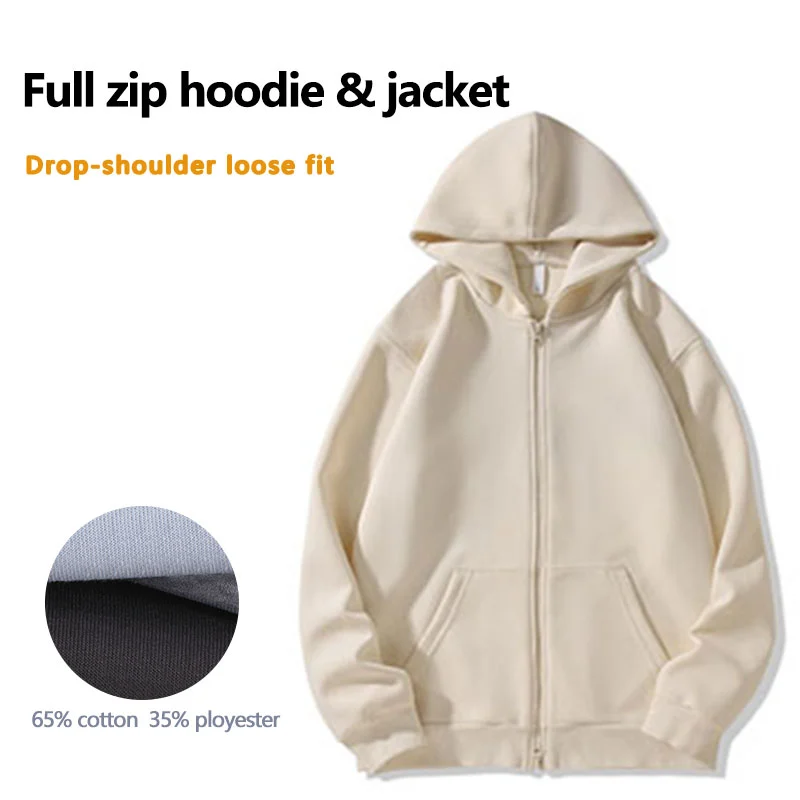
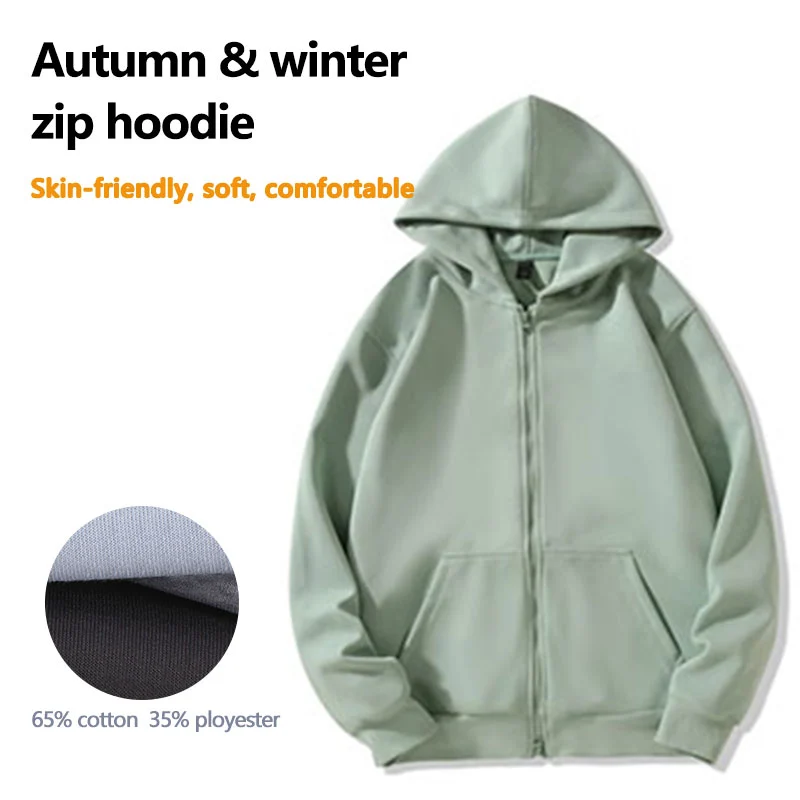
The way a fabric is made affects how well the clothes work and how long they last. Premium cotton mixes have natural flexibility, and polyester makes the fabric more durable and keeps the color. The moisture-wicking features of athletic wear keep you comfortable while you work out. Buyers can figure out the real quality of a product by learning about thread counts, weave patterns, and finishing processes.
Construction Techniques for Durability
Construction methods affect how long clothes last and how professional they look. At places that are likely to be under a lot of stress, using double-needle stitching keeps the fabric from failing too early in tough circumstances. Ribbed cuffs and skirt bands keep their shape even after being washed many times. Fabrics that are pre-shrunk get rid of changes in size that hurt the uniformity of the outfit.
Standardized Testing for Quality Assurance
Standardized testing methods confirm achievement claims. Colorfastness studies make sure that the base colors and images won't fade when they are used normally. Dimensional stability testing checks that clothes stay the same fit after being washed many times. These quality measurements safeguard the company's money spent on buying goods and services and help keep employees happy.
Customization Options and Branding Strategies
Logo Placement and Design Options
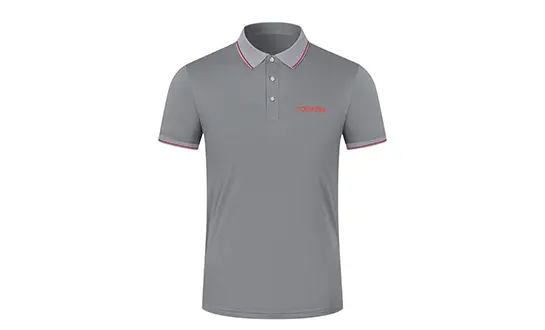
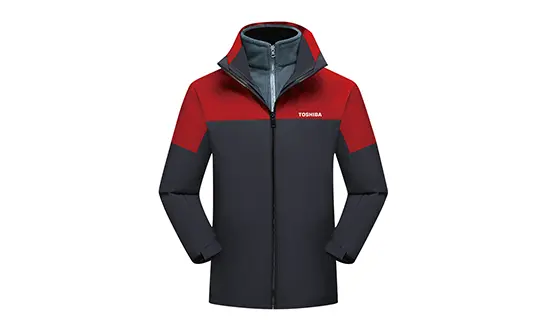
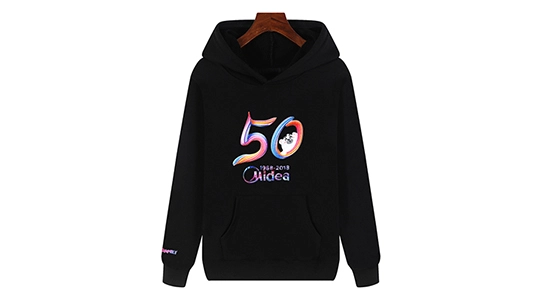
For example, logos can be put on the chest or the full back of a shirt. The second choice is more visible. Screen printing offers cost-effective solutions for large quantity orders, while embroidery provides premium appearance with enhanced durability. Heat transfer techniques can handle complicated patterns with lots of colors that don't crack or peel.
Size Range and Fit Considerations
Size range considerations accommodate diverse workforce demographics. Extended sizing from S to 5XL ensures inclusive uniform programs that support all employees. Pullover Hoodie options are available within this range, offering comfort and flexibility. Unisex designs simplify inventory management while maintaining professional appearance standards. Fit specifications should balance comfort with appropriate workplace presentation.
Color Selection and Functionality
Color selection impacts both brand recognition and practical functionality. Dark colors conceal stains and wear patterns in industrial environments. Safety applications may require bright colors that enhance worker visibility. Consistent color matching across production runs maintains uniform appearance throughout large organizations.
Supplier Evaluation and Partnership Development
Production Capacity and Reliability
A production capacity estimate makes sure that providers can meet delivery dates without lowering the quality. Established producers with more than one production line are a safe bet for big projects. When you see equipment specs from well-known names like JUKI, you know they are committed to always making high-quality products. Understanding how your suppliers' infrastructure works helps you guess how well they'll be able to handle orders during busy times.
Quality Control Systems and Certification Compliance
Quality control systems reveal manufacturing commitment to consistent standards. Inspection procedures at multiple production stages catch defects before shipment. Certification compliance demonstrates adherence to international safety and environmental standards. These factors directly impact long-term partnership success and customer satisfaction.
Effective Communication and Technical Support
Communication capabilities facilitate smooth project execution from initial concept through delivery. Responsive customer service teams provide updates and address concerns promptly. Technical expertise helps resolve design challenges and optimize specifications. Language proficiency and time zone coverage support international business relationships.
Cost Optimization and Budget Management
Volume Pricing and Order Planning
Volume pricing structures reward larger orders with significant per-unit savings. Understanding minimum order quantities helps plan procurement timing to maximize cost benefits. Seasonal ordering patterns may offer additional savings during off-peak production periods. Long-term contracts can secure favorable pricing while ensuring supply continuity.
Comprehensive Total Cost Analysis
Total cost analysis includes shipping, customs, and handling fees that impact overall project budgets. For example, the inclusion of Pullover Hoodie options may affect shipping weight and costs. Delivery timelines affect inventory carrying costs and stock-out risks. Payment terms influence cash flow management and may offer early payment discounts. These factors require careful evaluation beyond base garment pricing.
Value Engineering for Cost Savings
Value engineering opportunities optimize specifications without compromising essential features. Alternative fabric blends may provide similar performance at reduced costs. Simplified design elements can lower decoration expenses while maintaining brand impact. Working with experienced suppliers reveals these cost-saving possibilities.
Compliance and Safety Standards
Industry-Specific Regulations
Industry-specific regulations mandate particular fabric treatments and design features. Flame-resistant applications require certified materials that meet NFPA standards. High-visibility requirements specify reflective tape placement and background color specifications. Understanding these compliance obligations prevents costly specification errors.
Global Standards and Procurement
International standards create additional complexity for global procurement programs. European EN standards differ from North American requirements in testing procedures and performance thresholds. Asian markets may have unique certification requirements for imported garments. Supplier documentation must demonstrate compliance with applicable regulations.
Documentation and Compliance Verification
Documentation requirements support audit processes and regulatory compliance verification. Test certificates confirm fabric performance characteristics meet specified standards. Production records trace manufacturing processes and quality control procedures. Maintaining comprehensive documentation protects against liability issues and regulatory challenges.
Delivery and Logistics Management
Lead Time Planning
Lead time planning accommodates production schedules and shipping transit periods. Standard orders typically require 10-20 days depending on quantity and customization complexity. Larger volumes may need extended production windows to maintain quality standards. Understanding these timelines prevents delays that disrupt uniform rollout schedules.
Packaging Considerations
Packaging considerations protect garments during transit while minimizing shipping costs. Efficient packing methods reduce dimensional weight charges that impact total delivery expenses. Individual garment packaging may be necessary for retail distribution programs. Bulk packaging works well for internal uniform distribution systems.
Inventory Management Strategies
Inventory management strategies balance carrying costs with stock-out risks. Just-in-time delivery reduces storage requirements but increases supply chain vulnerability. Safety stock levels provide buffer against unexpected demand or delivery delays. These decisions depend on organizational risk tolerance and storage capabilities.
Conclusion
Successful pullover hoodie procurement requires understanding regional market dynamics, quality standards, and supplier capabilities. Smart buyers evaluate total cost structures while prioritizing compliance requirements and customization needs. Strategic supplier partnerships provide competitive advantages through reliable delivery, consistent quality, and responsive service. The evolving workplace demands comfortable, functional garments that support employee productivity while maintaining professional standards. Companies that invest in comprehensive procurement strategies position themselves for long-term success in competitive markets.
Partner with Welston for Premium Pullover Hoodie Solutions
Welston is ready to change how you buy hoodies with over twenty years of knowledge. For projects of any size, our three separate factories with ten production lines guarantee a dependable supply chain. Using high-tech tools from well-known companies like JUKI ensures that you always get high-quality work that meets even the most difficult standards.
Quality control tools protect your money by carefully checking every step of the production process. The ability to customize in many ways helps with unique business needs while keeping prices low. Being able to ship quickly and having a customer service team that responds quickly makes sure that project deadlines are met without lowering quality.
Transform your uniform procurement strategy with a trusted pullover hoodie supplier who understands your industry challenges. Our experienced team provides practical solutions that balance cost, quality, and performance requirements. Ready to explore how Welston can support your next procurement project? Contact us at [email protected] to discuss your specific requirements and discover the Welston advantage.
References
1. Johnson, M. & Davis, R. (2023). "Industrial Workwear Procurement: Strategies for Cost-Effective Bulk Purchasing." Journal of Corporate Apparel Management, 15(3), 45-62.
2. Thompson, K. L. (2024). "Quality Standards in B2B Textile Procurement: A Comprehensive Analysis of Manufacturing Compliance." International Business Textile Review, 28(2), 112-128.
3. Chen, H., Williams, S., & Anderson, P. (2023). "Sustainable Practices in Corporate Uniform Procurement: Environmental and Economic Considerations." Supply Chain Management Quarterly, 41(4), 78-94.
4. Rodriguez, C. M. (2024). "Regional Variations in B2B Apparel Market Preferences: North America, Europe, and Asia-Pacific Analysis." Global Procurement Insights, 12(1), 23-39.
5. Taylor, J. & Kim, L. (2023). "Cost Optimization Strategies for Large-Scale Uniform Procurement Programs." Corporate Purchasing Professional, 19(6), 156-173.
6. Brown, A., Lee, S., & Martinez, F. (2024). "Technology Integration in Modern Apparel Manufacturing: Impact on B2B Procurement Decisions." Industrial Manufacturing Today, 33(2), 67-84.