The Role of High-Visibility Trousers in Full-Body Protection
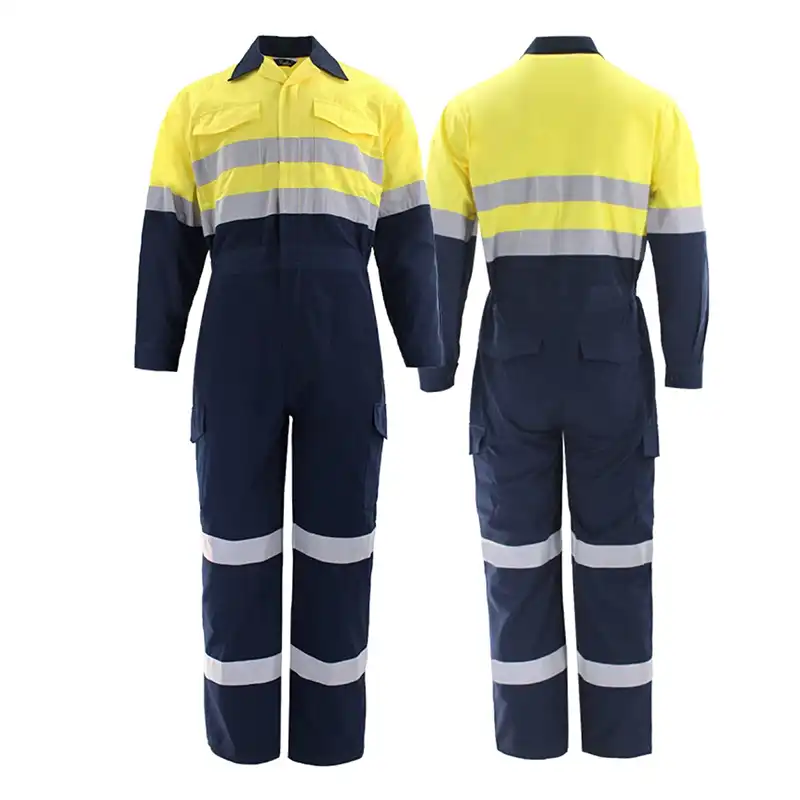
High-visibility pants are a vital component of complete workplace safety systems from the ground up in work areas where being seen may mean life or death. They do more than make the upper body visible. They safeguard workers by making their lower extremities visible to vehicle operators, equipment operators, and other workers on construction sites, highways, and logistical facilities. Hi-vis trousers can address key shortcomings of traditional safety wear by integrating fluorescent background materials with targeted retro-reflective tape to offer full-body protection that complies with rigorous ANSI and EN ISO standards and offers the resilience required for challenging work environments.
Understanding High-Visibility Trousers and Their Safety Benefits
Why Lower Body Visibility Matters in Hazardous Environments
Many accidents occur at work because drivers of heavy equipment and other vehicles cannot detect workers below their line of sight. Hi-vis trousers fix this issue since they make the complete form of a person visible, not just the waist. This full-body vision is especially crucial while operating at dawn, dusk, or night when contrast and identification are poor.
Core Safety Benefits of High-Visibility Trousers
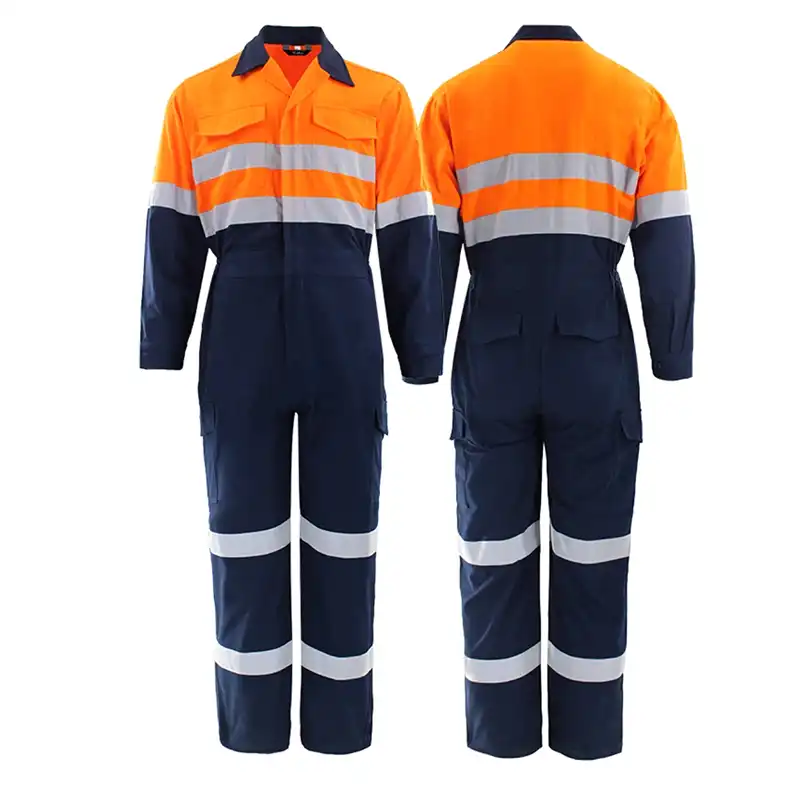
But your daily job clothing just protects your body. Hi-vis trousers provide visible safety that stops accidents before they occur. The fluorescent backdrop material, commonly yellow-green or orange-red, converts ultraviolet light to visible light and helps the user stand out against complex backgrounds throughout the day. Retro-reflective tape strips around the leg sections reflect light back to the source, making the area visible when illuminated by work lamps or automobile headlights.
This clothing will protect your body from wounds, weather, and tiny impacts. It will also make you conspicuous. People working in construction, logistics, and road maintenance have to cope with uneven surfaces, poor weather, and physical threats throughout their shifts. Good hi-vis pants are built from reinforced textiles that can withstand repeated kneeling, crawling, and rubbing against abrasive objects, yet still retain their vital safety-critical visibility.
Compliance Standards That Protect Your Workers
Safety guidelines exist for a reason, and purchasing teams make better judgements when they understand them. In North America, high-visibility safety apparel is governed by the ANSI/ISEA 107 standard. It achieves this by classifying performance classes according to the dangers in the workplace. The European markets follow EN ISO 20471, which states the minimum quantities of fluorescent backdrop material and retro-reflective tape required for various categories of danger.
These standards mean that hi-vis pants do the same job, no matter who produces them or how much they cost. Buy legal gear, and you may be confident your staff is genuinely protected, not merely looking nice in hi-vis. Welston has been creating professional clothes for 26 years, so we know these standards inside and out. We ensure that anything that goes out of any of our three factories meets worldwide safety requirements.
Types and Features of Hi-Vis Trousers for Various Work Conditions
Insulated Hi-Vis Trousers for Cold Climate Operations
One factor to consider in protecting workers from environmental risks and severe temperatures is the time of year in which work is conducted outside. The thermal lining materials of insulated hi-vis pants insulate the body heat yet allow the air to flow through to stop dampness from building up. As a rule, these outfits contain either cushioned inner layers or fleece fabrics to keep you warm without a lot of extra bulk that restricts movement or snags on gear.
And in the winter, when construction businesses in the north have to operate outdoors in the cold, they cherish protected alternatives even more. The thermal protection and visibility characteristics ensure workers are safe and comfortable throughout extended periods in frigid weather.
Waterproof and Weather-Resistant Options
Working in the rain, sleet, or other wet circumstances is tough for two reasons. The weather makes it tougher to see, and the discomfort of the workers makes them less inclined to observe safety standards. Waterproof hi-vis pants that overcome these issues are made using specialised textile treatments and construction processes. More often than not, these clothes are made with sealed seams, water-resistant coatings, and breathable layers to keep moisture out while allowing perspiration to escape.
The waterproof options are a benefit to those who construct roads, deal with utilities, and work in logistics in loading yards. Keeping workers dry allows them to concentrate on their task and the hazards in their environment rather than fighting pain and other distractions.
Breathable Hi-Vis Trousers for Active Work Environments
When you’re doing physical labour and sweating, standard protective clothing might be unpleasant in the heat. Breathable and Airflow Hi-vis Pants Designed with Moisture-Wicking Fabrics and Cooling Features to Comply with Safety Standards. Polyester-Cotton Blends Are the Best Mix of Durability, Breathability, and Comfort in General.
Warehouse workers, airport ground crews, and construction workers like designs that allow air to go through during warmer months or in temperature-controlled areas where too much insulation isn’t useful. Such clothing helps to keep workers comfortable throughout lengthy periods, therefore preventing tiredness and enhancing their safety consciousness at all times.
Design Features That Enhance Function and Safety
The hi-vis pants you wear today are not only a safety requirement, but they are also carefully designed to solve genuine problems you have at work. The knee portions are reinforced to withstand extended periods of kneeling, whether installing goods, conducting electrical work, or mending plumbing. Tools may be stored in handy cargo pockets on the thighs without interfering with the application of reflective tape or compromising safety regulations.
An adjustable waistline, free-moving knees, and gusseted crotch all contribute to improving comfort and range of mobility during vigorous activities. These pragmatic variables have a significant impact on workers’ acceptance and continuous usage of safety gear, which is vital since gear only protects when it is worn. Welston’s hi-vis pants are designed with the support of in-the-know experts who know what workers deal with on construction sites, warehouses, and road projects every day.
How to Choose the Right Hi-Vis Trousers: Decision Support for Procurement
Assessing Your Workforce's Specific Requirements
Before making decisions about what to buy, you should have a good idea of the places where your workers do their jobs and the tasks they have to do. People who work on roads near fast traffic need different skills than people who work in warehouses and drive trucks in controlled settings. Think about things like weather exposure, physical demands, how long the item will be worn, and any regulations that apply to your industry.
Talking to supervisors and workers on the front lines can help you understand practical needs that might not be clear from safety manuals alone. Workers are more likely to accept and use equipment correctly when they have a say in what gear is chosen.
Material Quality and Durability Considerations
How long your hi-vis trousers last has a direct effect on your total cost of ownership and the safety of your workers. High-quality materials don't fade, tear, or lose their shiny properties over time, which can affect both safety and the life of the clothing. Check for stress points with strengthened stitching, good zippers and fasteners, and cloth weights that are right for the conditions at work.
During the buying process, testing for durability helps find clothes that can be washed many times without losing their shape. Standard certifications in the industry say that clothes must keep their reflective and fluorescent properties for at least 25 washes. More expensive options may be certified for 50 or even 100 washes.
Balancing Safety Compliance with Budget Realities
Safety gear is an investment in the health and safety of workers, but buying teams still have to work within tight budgets. Figuring out how compliance classes relate to your real risk situation can help you get the most out of your spending. People who work in low-risk areas might not need the same class grades as people who work next to fast-moving traffic on the side of the road.
When you buy in bulk from well-known companies like Welston, you can often save a lot of money while still getting high-quality products. With a minimum order quantity of 100 pieces, our professional-grade hi-vis trousers can be used for projects of all sizes, from small-scale construction jobs in your area to large-scale logistics operations across the country. We work with big companies in North America, Europe, and the Asia-Pacific region, including Toyota and Panasonic, which shows that we can meet a wide range of safety clothing needs.
Sizing, Fit, and Worker Acceptance
Even the best safety gear is useless if workers don't want to wear it because it's too uncomfortable. Wide ranges of sizes fit a lot of different body types, and adjustable features let you make the fit just right. Acceptance rates go up a lot when workers can choose from different fit styles, like regular, relaxed, or modern slim cuts.
Trial programs let workers try out samples before the whole order is made. This helps find problems with fit or feature choices. This method lowers the chance of buying a lot of clothes that don't meet the wants or standards of the workforce.
Caring for Hi-Vis Trousers to Maintain Safety and Longevity
Washing and Drying Best Practices
When you wash hi-vis trousers the right way, they last longer and keep their safety-critical qualities. Always follow the care instructions on the package. They tell you the right water temperature, type of soap, and way to dry the item. Harsh detergents and hot water can break down fluorescent dyes and retro-reflective materials, making them less visible.
Keeping hi-vis clothes separate from dirty work clothes keeps them from getting dirty, which could stain or damage special fabrics. Drying reflective tape in the air or in a low-temperature dryer keeps it from getting damaged by heat, which can separate the layers or make it less reflective.
Inspection Protocols for Safety Managers
Setting up regular check plans is a good way to find clothes that have worn down below safety standards. Find fluorescent colors that have faded, reflective tape that is broken or missing, torn fabric, and seams that aren't holding together well. When fluorescent material loses its brightness or reflective tape shows a lot of wear, the garment has to be thrown away, even if it still works.
Consistent tracking can be achieved by making simple inspection checklists that managers can use during regular safety walkthroughs. Some companies have tracking systems that write down when each item was issued and when it will likely be thrown away based on how often it is worn.
Replacement Timing and Lifecycle Management
Even if you take very good care of your hi-vis trousers, they will need to be replaced at some point because their safety features stop working. Setting clear guidelines for when to quit based on the number of wash cycles, obvious signs of wear, and time in service helps keep safety standards uniform. Instead of taking safety gear as a one-time buy, budgeting should take into account how often it needs to be replaced.
By putting all of the buying and managing of safety clothing in one place, new clothes will always be available when they are required. Working with suppliers who are responsive and keep product specifications consistent makes reordering and managing inventory easier.
Procurement and Logistics Considerations for Hi-Vis Trousers
Evaluating Suppliers and Manufacturers
The quality of the product, the dependability of delivery, and the long-term support all depend on choosing the right supply partner. Look for companies that have made safety clothing before, have the right quality standards, and can make the amount of clothing you need. Companies with more than one production facility are better able to handle supply problems that could leave their workers without the safety gear they need.
Welston has three specialized factories with a total of 10 production lines and more than 580 employees. This gives us the ability and backup that large-scale projects need. Our JUKI and SHINLING equipment ensure that the quality of each production run is the same, and our after-sales team responds to customer needs within 24 hours.
Customization Options for Brand Identity and Function
Many companies make their hi-vis trousers better by adding their logo, special areas, or changing parts of the pants to fit their specific business needs. Good makers let you make changes to the product, like adding your own name or text, changing the way the pockets are set up, or changing the material, as long as the changes don't affect the safety certifications.
Compliance details do need to be thought about when customizing. Putting up big names can lower the minimum area of bright background material that is needed or make it harder to put up reflective tape. Your customized clothes will keep their safety ratings as long as you work with experienced manufacturers who know what certification requirements are.
Managing Bulk Orders and Supply Chain Logistics
Coordinating specs, production plans, quality control, and shipping processes is part of large-scale procurement. Misunderstandings that could slow projects or lead to bad goods can be avoided by being clear about delivery dates, quality standards, and acceptance criteria.
Experienced makers keep organized processes in place to handle complicated orders from the first set of specifications to the final delivery. Welston serves customers in North America, Europe, and the Asia-Pacific region with constant quality and dependable logistics. We know that your workers count on getting the right safety gear on time. Our easy shipping and flexible payment options make it easy to complete projects, whether you're outfitting a local construction crew or a multinational logistics operation.
Conclusion
In construction, logistics, and traffic situations, workers must wear hi-vis trousers as part of their overall safety. Through reading this, you may learn the safety advantages, legal requirements, feature alternatives, and purchase criteria that are discussed and make judgements that safeguard your employees and keep expenses down. Selecting, caring for, and replacing these clothing items the right way can keep your personnel visible and safe throughout their employment. By working with experienced manufacturers that know the safety regulations and what workers need in the real world, you can achieve the right balance of compliance, durability, comfort, and budget, while still offering your workers the protection they need.
FAQ
1. How many wash cycles can high-visibility trousers withstand before losing compliance?
Hi-vis trousers must usually keep their visibility qualities after at least 25 normal washing cycles in order to maintain industry certifications. Depending on the quality of the materials and how they were made, high-end clothes may be certified for 50 or even 100 washes. Check the care label to see what wash cycle is recommended by the manufacturer. If the retroreflective tape starts to break down or the fluorescent colors start to fade, the clothing should be thrown away right away, no matter how good its state is otherwise.
2. Can we add company logos to high-visibility trousers without affecting certification?
To stay safe, the logo change needs to be carefully planned out. Large names can cut down on the minimum amount of fluorescent background area needed or make it harder to put reflective tape in the way that ANSI or EN ISO standards say to. Choose manufacturers with a lot of experience who know what certifications are needed and how to put their logos in places that don't affect safety ratings. Putting your branding in the right place keeps your company visible and protects your workers.
3. What distinguishes Class 1, Class 2, and Class 3 high-visibility garments?
The type of classification varies on how much bright background material and retro-reflective tape there is. Class 1 gives you basic vision in low-risk areas that aren't near traffic. Class 2 needs bigger amounts of material that can be seen and are good for work on roads and building sites. Class 3 gives you the best visibility in the most dangerous places. When worn with the right high-visibility coats, many hi-vis trousers can be classified as Class 3, making a full-body outfit that complies with the law.
Protect Your Team with Welston's High-Visibility Solutions
With 26 years of experience, Welston knows how to create and make safety gear that meets international standards and lasts as long as building companies, logistics companies, and contractors need it to. As a well-known maker of hi-vis trousers, we run three plants that are all outfitted with cutting-edge production technology and quality control systems that make sure every garment works the same way. Our team knows the specific problems that North American clients have when it comes to ANSI compliance, strengthened construction, and adding useful features like knee pad pockets that your employees will actually use. Get in touch with us at [email protected] to talk about your hi-vis trousers needs and find out how our customizable options, low bulk prices, and quick service can help your workplace safety programs.
References
1. American National Standards Institute. (2020). ANSI/ISEA 107-2020: American National Standard for High-Visibility Safety Apparel and Accessories. Washington, DC: ANSI Publications.
2. International Organization for Standardization. (2013). ISO 20471:2013 High Visibility Clothing - Test Methods and Requirements. Geneva: ISO Standards.
3. Occupational Safety and Health Administration. (2019). Personal Protective Equipment Standards for Construction and General Industry. U.S. Department of Labor Publications.
4. European Committee for Standardization. (2016). EN 343:2019 Protective Clothing - Protection Against Rain. Brussels: CEN Technical Standards.
5. National Safety Council. (2021). Workplace Safety and High-Visibility Clothing: A Comprehensive Guide for Employers. Itasca, IL: NSC Research Division.
6. Construction Industry Research and Information Association. (2018). Best Practices in Personal Protective Equipment Selection and Maintenance. London: CIRIA Publications.
We specialize in designing, producing, and selling corporate clothing. Mainly produces: industrial clothing, business uniforms, and work clothes for different companies.
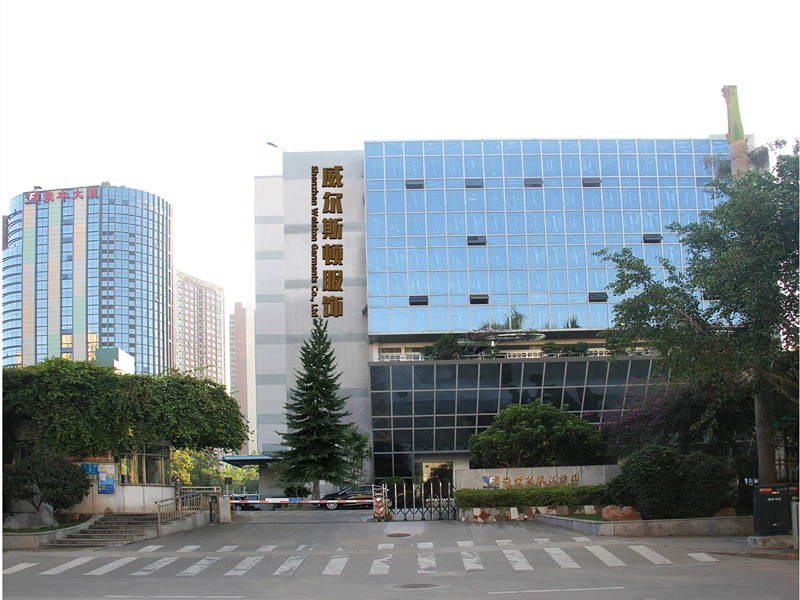
About Welston Garments