The Ultimate Guide to Reflective Work Trousers
Reflective trousers become necessary protection gear that goes beyond simple visibility when workplace safety and compliance requirements are combined. These special clothes are made to protect workers in dangerous places like building sites and transportation hubs. They use retroreflective technology and are built to last. Businesses in North American markets can make smart choices that improve safety and meet strict legal requirements by learning about their features, technology, and buying factors.
Understanding Reflective Work Trousers: Features, Materials, and Benefits
What Makes Reflective Work Trousers Essential Safety Gear?
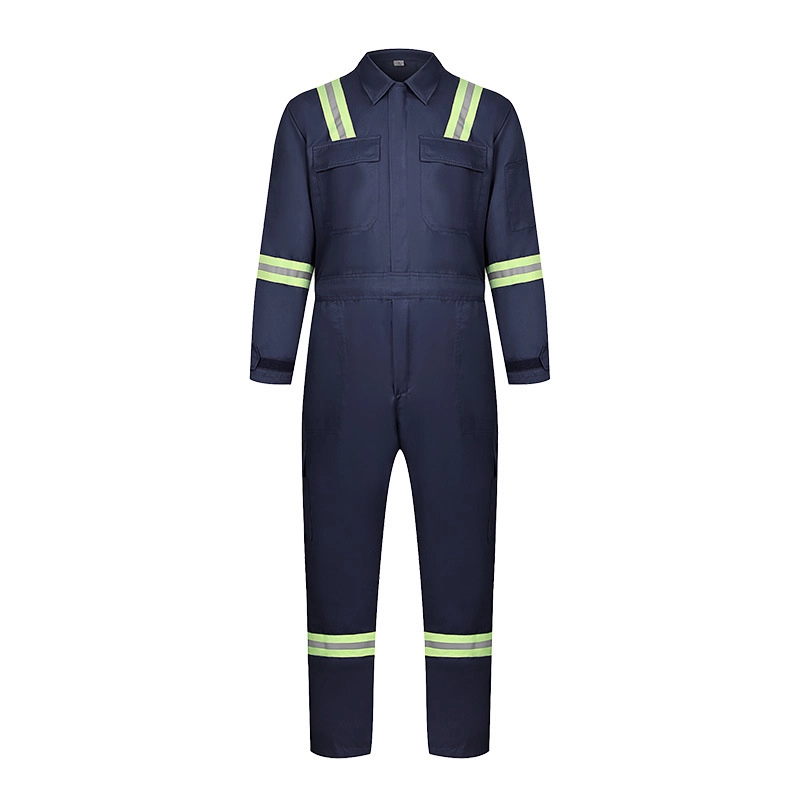
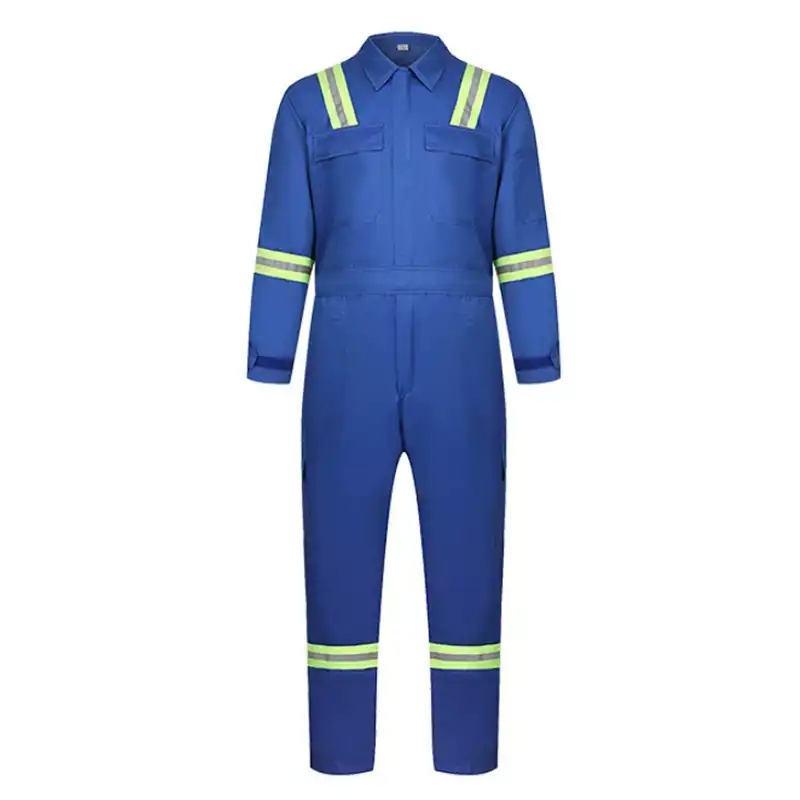
High-visibility reflective trousers have retroreflective tape and bright fabrics ensuring night visibility. Reflective bands placed around legs, knees, and waistbands create a human outline visible from over 300 meters. ANSI/ISEA 107 standards require specific visibility levels for workers near moving vehicles. Reflective trousers carry Class E labels, forming compliant ensembles when paired with Class 3 tops for highway work.
Core Features That Define Quality Reflective Workwear
Retroreflective materials use glass beads or micro-prismatic tape exceeding 330 candelas per lux per square meter. Tape must survive 25 industrial wash cycles minimum. Base fabrics include 300-denier Oxford polyester with PU coating or polycotton blends (65/35) offering breathability above 1,000 newtons tensile strength. Ergonomic features include articulated knees, gusseted crotches, reinforced stitching, and adjustable waistbands for varied body types.
Material Science Behind Durable Visibility Solutions
Fluorescent background fabrics maintain chromaticity coordinates within ISO 20471 limits, achieving Grade 4 colorfastness on xenon arc tests. Waterproof versions have RET values below 20 m²Pa/W for moderate exercise breathability. Abrasion resistance exceeds 100,000 Martindale cycles. Tear strength exceeds 50 newtons. Dimensional stability stays within ±3% after multiple launderings. Recycled polyester options appear in European markets while North America prioritizes performance.
How Reflective Work Trousers Work: Technology and Design Principles
The Science of Retroreflection Explained
When headlights hit the reflective tape on reflective trousers, glass beads or prismatic structures send light back toward the source along similar paths. Each glass bead acts as a lens focusing light onto a metallic layer. Micro-prismatic technology uses shaped plastic prisms offering greater efficiency but higher cost. Performance varies by entrance angle, with quality tape on reflective trousers maintaining function up to 20‑degree tilt.
Reflective Versus Fluorescent Materials: Understanding the Distinction
Fluorescent fabrics absorb UV and visible light, re-emitting at longer wavelengths to create unnaturally bright colors for daytime visibility. Reflective materials provide no daytime benefit but become essential at night with active light sources like headlights. The best safety garments combine both technologies: fluorescent backgrounds for daylight, reflective tape for nighttime. ANSI and ISO standards mandate minimum areas for both material types.
Design Patterns That Maximize Nighttime Recognition
Horizontal and vertical reflective bands around limbs enable faster body form recognition than random reflective spots. Segmented tape designs around lower legs and knees create moving visual patterns that attract attention more effectively than static torso reflections. Studies show full-body reflectivity increases detection distance by 50-100 meters compared to vest-only designs. Near-miss incidents decreased measurably during nighttime paving operations after full ensemble implementation.
Maintenance Practices That Preserve Protective Performance
Wash reflective trousers below 40°C with mild detergents. Avoid chlorine bleach and optical brighteners. Turn garments inside out before washing, use gentle cycles, and line dry instead of high-heat tumbling. Well-maintained garments survive 50+ washes while maintaining retroreflective coefficients. Store in climate-controlled spaces away from direct sunlight. Tape edge lifting, fabric wear, or fading indicates replacement need before falling below safe limits.
Choosing the Right Reflective Work Trousers for Your Business Needs
Compliance Standards: Navigating ANSI and Industry Requirements
ANSI/ISEA 107 defines Class 1 for low-risk areas, Class 2 for vehicles below 50 mph, and Class 3 for highway work zones. Reflective trousers receive Class E ensemble classification, contributing to overall performance when worn with compliant tops. Workers can wear Class E pants with Class 2 jackets to meet Class 3 standards. Bulk orders require Certificates of Conformity from independent testing laboratories.
Material Performance: Balancing Protection and Comfort
PU-coated waterproof versions provide moisture shields for utility and road crews exposed to rain, preventing hypothermia during storms. Protection benefits reduce airflow, causing heat buildup during physical work. Breathable polycotton blends or moisture-wicking fabrics improve thermal comfort, encouraging compliance. Regional weather patterns should guide material selection: waterproof for northern tier, breathable for southern tier. Seasonal purchasing optimizes safety and comfort year-round.
Fit, Reinforcement, and Ergonomic Considerations
Proper fit affects safety, durability, and compliance. Excessively loose pants snag equipment. Tight pants restrict movement and accelerate wear. Offer varied inseam lengths and waist sizes. Reinforced knees feature double-layer fabric or built-in pad pockets for electricians and installers. Seat and inner-thigh reinforcements prevent premature wear from repeated bending. Articulated knees with curved leg lines reduce fabric stress during climbing and kneeling.
Strategic Procurement: Cost Analysis for Bulk Buyers
Premium trousers lasting 50-100 washes often prove more cost-effective than budget options lasting 25-30 washes when calculating cost per wear. Bulk orders of 100 to 1,000+ units qualify for tiered pricing. Preferred supplier relationships streamline reordering and ensure consistent quality. Standard warranties cover seam failure, tape delamination, and zipper problems for 60-90 days. Premium providers offer longer coverage, reducing replacement costs and improving budget predictability.
Supplier Evaluation: Quality Indicators for B2B Purchasing
Reliable suppliers provide certification documentation from accredited labs proving ANSI/ISEA 107 compliance. ISO 9001 certification demonstrates systematic quality management. Manufacturers with owned factories and advanced technology complete large orders quickly. Welston operates three factories with ten production lines, 580+ workers, and JUKI/SHINLING equipment. Post-sale support includes responsive customer service, technical guidance, and 24-hour response commitments.
Leading Brands and Market Solutions: Trusted Suppliers of Reflective Work Pants
Market Leaders and Their Product Positioning
Carhartt dominates construction markets with durable canvas and duck fabric garments featuring ANSI-compliant reflective trim. Dickies focuses on value-oriented segments with basic compliance clothing suitable for municipal maintenance and facility management. 3M manufactures Scotchlite retroreflective tape used by many clothing brands. Procurement requirements often specify authentic 3M materials based on proven photometric superiority and industry reputation.
Evaluating Regional Suppliers and Manufacturing Partners
North American procurement is taking regional production skills into account more and more. Domestic production has benefits like shorter lead times, easier transportation, and lower currency exchange risk. Competitive pricing, on the other hand, often favors providers that use global production networks to set up factories in cost-effective areas while still keeping an eye on quality and making sure regulations are followed.
This fair method is shown by Welston. We've been in business since 1998 and have 26 years of experience focusing in corporate uniforms and professional clothing. Some of our big customers are Panasonic, Mercedes-Benz, Dell, Toshiba, and Toyota. Our factories use strict quality standards and efficient production to make products that meet North American standards at prices that are affordable and good for buying in bulk.
Regional providers that serve specific regional markets may be better at responding to customization requests and being flexible with minimum orders. But skills are very different. Before committing to a new seller, procurement teams should do a lot of research to make sure the supplier is financially stable, has the production capacity, and has good quality control systems. This is especially important for mission-critical safety clothing that supports thousands of workers.
Case Applications Demonstrating Real-World Performance
A building business in the Midwest that works on highway improvements gave all of their 200+ field workers high-visibility gear, like reflective trousers. Compared to the earlier vest-only protocol, there were 40% fewer close calls during night activities over the course of 18 months. According to worker feedback, the method that included pants made them more comfortable and more likely to follow through. This is because full outfits removed the gaps in their clothing that happened when they bent or reached while wearing only jackets and regular pants.
When a national transportation company gave reflective trousers to warehouse workers and delivery drivers, they saw better safety in low-light loading areas and early morning delivery operations. The improved vision was especially helpful in cities with complicated traffic patterns and many moving directions. A study of return on investment showed that switching from regular work clothes to high-visibility ones was worth the extra money because it cut down on accidents and the costs that come with them.
These examples show that there are real benefits beyond just following the rules. For example, they can improve safety and make operations run more smoothly. The recorded results make a strong case for similar programs in other businesses that have similar visibility problems.
Conclusion
Reflective trousers are high-tech safety options that use cutting-edge materials, designs that are based on evidence, and strict manufacturing standards. To make procurement choices that balance budgetary constraints, worker comfort, durability standards, and compliance requirements, technical specs, supplier capabilities, and total ownership costs must be carefully looked at. Business-to-business buyers in North America can benefit from learning about ANSI standards, how materials work, and quality indicators that set professional-grade goods apart from cheaper alternatives. Buying the right high-visibility clothing for work pays off in a big way: it improves worker safety, compliance with regulations, and operating efficiency. Strategic relationships with dependable makers who have shown they can meet needs and provide quality systems and quick support services improve the purchasing process and help organizations meet their safety goals.
FAQ
1. What classifications apply to reflective work pants under ANSI standards?
ANSI/ISEA 107 gives reflective trousers a Class E (ensemble) rating most of the time. They can't get Class 2 or Class 3 scores on their own, but when worn with compliant upper clothing, the reflective area and background material help the whole outfit do better. Based on estimates of the hazards of the job, workers wear Class E pants with the right vests or jackets to meet Class 2 or Class 3 standards. Because of this classification freedom, companies can set up different levels of safety to match the different risks in a work zone.
2. How do glass bead and micro-prismatic reflective technologies compare?
Glass bead systems are flexible, long-lasting, and cost-effective for most uses because they can be washed many times. Micro-prismatic options have better retroreflective coefficients and keep working even when they get wet, which is helpful during rainstorms when vision problems get worse. Prismmatic materials, on the other hand, are less flexible and cost more. Most North American buying prefers glass bead technology for everyday tasks, saving prismatic choices for unique, high-risk situations that warrant the extra cost.
3. Can reflective pants provide flame-resistant protection?
Standard bright clothing made of polyester does NOT protect against flames. When polyester is heated, it melts, which makes it very dangerous to work in places where flash fire or arc flash dangers are present. For high-risk jobs in oil, gas, utilities, and other similar fields, there are FR-treated bright clothes that meet EN ISO 11612 or NFPA 2112 standards. Specifications for buying things should clearly say that they must be flame-resistant and have the right licenses. You should never think that regular high-visibility reflective trousers will protect you from heat.
Partner With Welston for Premium Reflective Work Trousers Supply
Welston is a good choice for businesses that want to work with a reliable provider of reflective trousers that can offer manufacturing knowledge, quality assurance, and quick service. Our 26-year focus on professional clothing, three-factory production capacity, and partnerships with large companies show that we can meet even the most stringent buying needs. We offer full personalization, which includes adding logos, choosing specific sizes, and choosing materials that work well in different settings. Our base order size of 100 pieces works for mid-sized companies working with national logistics providers, and our flexible terms help with budgeting. Get in touch with [email protected] to talk about your unique needs and get detailed quotes on safety clothing options that have been shown to work.
References
1. American National Standards Institute. (2020). ANSI/ISEA 107-2020: American National Standard for High-Visibility Safety Apparel and Accessories. International Safety Equipment Association.
2. Tyrrell, R.A., Wood, J.M., & Carberry, T.P. (2016). On-road measures of pedestrians' estimates of their own nighttime conspicuity. Journal of Safety Research, 56, 105-110.
3. International Organization for Standardization. (2013). ISO 20471:2013: High-visibility clothing — Test methods and requirements. ISO Technical Committee 94.
4. Sayer, J.R. & Mefford, M.L. (2004). High-visibility safety apparel and nighttime conspicuity of pedestrians in work zones. Journal of Safety Research, 35(5), 537-546.
5. Griffiths, M. & Harding, J. (2018). Retroreflective materials for enhanced visibility: Performance characteristics and maintenance factors. Textile Research Journal, 88(12), 1456-1468.
6. Luoma, J., Schumann, J., & Traube, E.C. (1996). Effects of retroreflector positioning on nighttime recognition of pedestrians. Accident Analysis & Prevention, 28(3), 377-383.
We specialize in designing, producing, and selling corporate clothing. Mainly produces: industrial clothing, business uniforms, and work clothes for different companies.
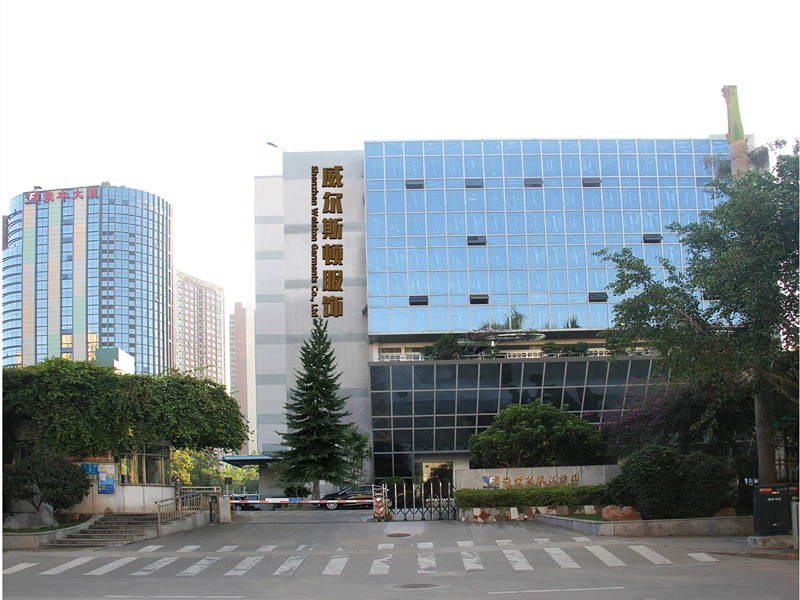
About Welston Garments