Ultimate Guide to Choosing the Right Outdoor Coat
Understanding your unique demands, the environment, and the activities you want to engage in are all important factors in choosing the ideal outdoor coat. The appropriate outerwear is crucial for professional outdoor work, urban commuting, and mountain activities. Important aspects including waterproofing, breathability, insulation kinds, and fit considerations are all covered in this thorough guide. Understanding fabric technologies, layering concepts, and maintenance requirements guarantees that your investment will provide years of dependable protection against the elements, whether it is lightweight windbreakers or heavy-duty winter jackets.
Understanding Outdoor Coat Fundamentals
The Development of Contemporary Outdoor Clothing
Over the past few decades, modern outdoor clothing has undergone significant change. Modern outdoor coats combine cutting-edge materials with well-considered design to provide clothing that works in a variety of environments. Three fundamental components form the basis of each high-quality item: durability, comfort, and protection.
Outdoor Coats' Protection Features
Thermal control, wind resistance, and waterproofing are all included in protection. The multi-layer construction of high-quality outdoor coats allows for the transfer of internal vapor while repelling moisture through exterior shells. The clammy feeling typical of earlier designs is avoided by this breathable fabric technology.
Considerations for Comfort Design
Comfort is more than just fit. Modern designs take ventilation zones, weight distribution, and range of motion into account. Gusseted underarms, articulated sleeves, and thoughtfully positioned stretch panels are features of professional-grade outdoor coats. During physically demanding tasks, these features guarantee unfettered mobility.
Applications for Use Cases and Durability
Professional applications and recreational hiking have quite different durability requirements. Strong hardware, abrasion-resistant materials, and reinforced stress points are used in heavy-duty construction. Nonetheless, lightweight gear that packs well and provides necessary protection is frequently prioritized by regular users.
Prior to delving into particular features and technology, it is helpful to have a clear understanding of these principles.
Regional Market Demands and Climate Considerations
Requirements of the Regional Outdoor Coat Market
The needs for outdoor coats vary significantly throughout international markets. Due to various climate problems, consumers in North America and Europe expect premium performance features. These areas are subject to everything from coastal storms to alpine temperatures, necessitating weather-resistant technology and adaptable layering items. Asia Pacific markets strike a mix between quick fashion cycles and practicality. Demand for fashionable yet functional designs is fueled by the hiking coat trend. Packable coat qualities are highly valued because urban areas dominate usage trends. Extreme weather qualities are less important than weight and storage efficiency.
Market Priorities in the Middle East and Africa
Different attributes are prioritized in the Middle Eastern and African markets. Highland areas prioritize thermal insulation, while coastal areas demand superior rainproof coat performance. These markets are dominated by professional workwear applications that prioritize durability over fashion.
Effects of Climate Change on Outdoor Gear Design
Global weather patterns are altering, according to climate science. Adaptable outdoor adventure gear is crucial due to unpredictable temperature fluctuations and precipitation. These issues are addressed in contemporary designs by modular systems and flexible features.
Region-specific Mountain Coat Specifications
Regional differences also exist in the criteria for mountain coats. The requirements for Himalayan conditions differ from those for Scandinavian mountains. Manufacturers can create tailored solutions for particular markets by having a thorough understanding of regional climate patterns.
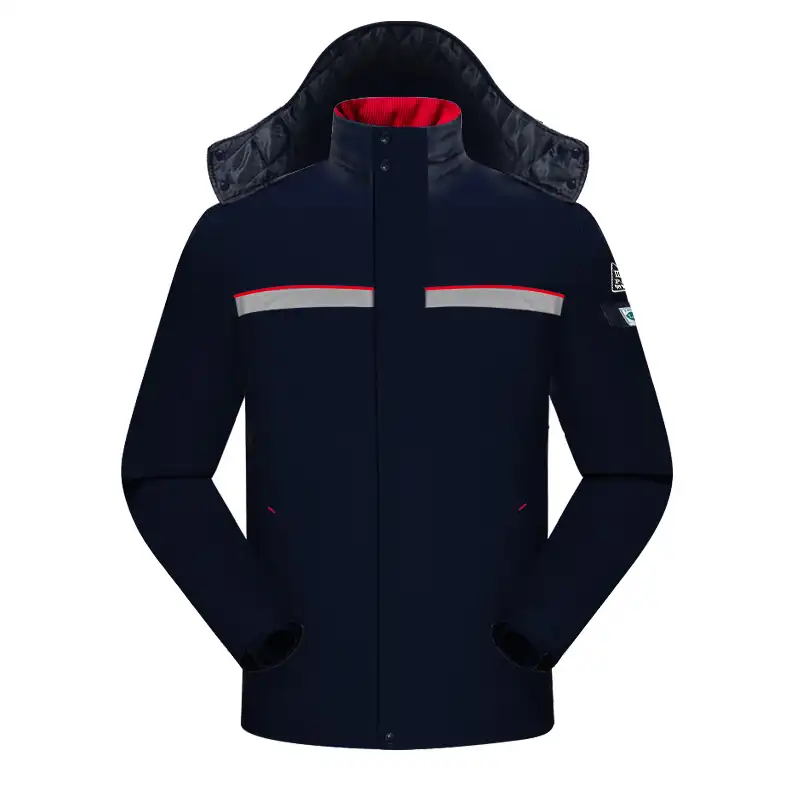
Essential Features for Different Activities
Activity-Specific Requirements for Outdoor Coats
Outdoor coat selection is primarily driven by activity-specific requirements. The requirements for a trail running jacket are quite different from those for camping equipment. Comprehending these distinctions guarantees optimal performance and avoids expensive errors. Mountaineering requires harness-friendly pocket placement and hoods that are compatible with helmets. Compatibility with climbing gear is impacted by coat length. When precise motions are needed in challenging terrain, proper fit and motion flexibility become crucial. Gear for cold weather needs to be both protective and dexterous. Different considerations are needed when hiking. In most situations, breathability takes precedence above maximal waterproofing. Wearing lightweight clothing for long days lessens weariness. When the weather improves, packability makes storage simple. Various pocket arrangements aid in the organization of necessary materials.
Daily Use and Urban Transportation
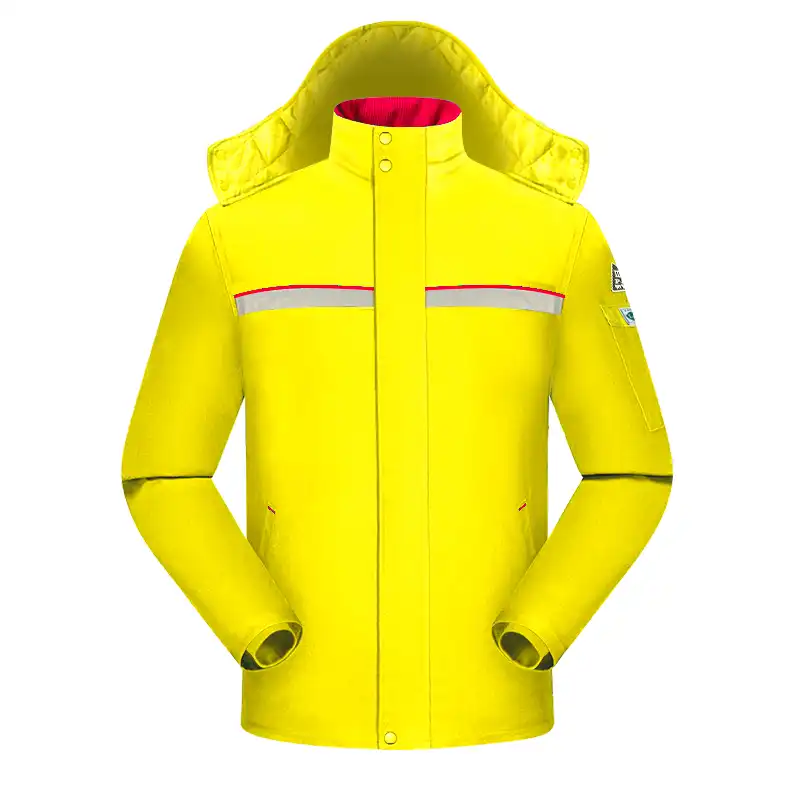
There are particular difficulties when commuting in cities. Both functionality and professional presentation are important. Unexpected weather fluctuations are handled with quick-drying capabilities. Traffic safety is increased by reflective details. In these settings, softshell jacket designs frequently perform quite well.
Applications for Professional Outdoor Work
Professional outdoor employment increases the need for durability. Hardware and seams are stressed by repetitive actions. It might be vital to have chemical resistance. Workers in dangerous situations are protected by enhanced visibility features. Long-term exposure is made comfortable by the fleece lining.
Comprehending the demands of particular activities guarantees appropriate coat selection and optimal pleasure with purchasing choices.
Material Technologies and Construction Methods
Layer Systems and Material Technologies
Sophisticated material technologies are used in the manufacture of modern outdoor coats. Inner comfort layers, middle insulation, and exterior protection are all combined in three-layer systems. While cooperating harmoniously, each component fulfills particular purposes. Advanced membrane technologies are used in outer shells. While preventing outside precipitation, these breathable textiles let moisture vapor escape. Initial protection is improved by long-lasting water repellent treatments. However, in order to be successful, these treatments need to be renewed on a regular basis.
Innovations in Construction and Insulation
Natural and manmade materials are available for insulation. Although down has outstanding warmth-to-weight ratios, it becomes less effective when wet. Synthetic insulation dries fast while maintaining effectiveness in wet conditions. Both materials are skillfully combined in hybrid designs. Performance and lifespan are greatly impacted by construction techniques. Water cannot seep through stitching holes in patterns that are completely seam-sealed. Traditional stitching is completely eliminated with welded seams. These cutting-edge methods produce barriers that are actually watertight.
Hardware Selection and Evaluation of Value
The choice of hardware has an impact on both longevity and functionality. In challenging circumstances, YKK zippers offer dependable performance. Reflective zipper pulls enhance glove operation and visibility. Convenience and weather protection are provided by magnetic closures.
Comprehending these technologies facilitates the assessment of various manufacturers' value propositions and performance promises.
Sizing and Fit Considerations
The Value of Appropriate Fit
Good outdoor coats become great when they fit properly. Outdoor clothes, in contrast to fashion apparel, must allow for layering while preserving mobility. It is necessary to comprehend both desired use patterns and body proportions in order to achieve this equilibrium. While base measurements serve as a starting point, activity-specific modifications are more important. Longer backs and articulated sleeves are necessary for cycling positions. Unrestricted shoulder movement is necessary for climbing. Tool belts and safety equipment may need to be accommodated for professional work.
Gender-Specific Considerations and Layering
Size selection is greatly impacted by layering considerations. Minimal bulk is added by thermal base layers. Arm and chest circumferences are increased by insulating mid-layers. Significant size modifications are necessary for heavy fleece lining systems. Proper size selection is guided by an understanding of your typical layering system. Different body proportions and movement patterns are addressed by gender-specific fittings. Different torso lengths and shoulder-to-hip ratios are accommodated in women's designs. Longer torsos and wider shoulders are common characteristics of men's cuts. These distinctions are compromised by unisex designs, which may not be the best match for either gender.
Features for Adjustment and Expert Fitting Services
Features that allow for adjustment improve fit for many body shapes and situations. When layering diminishes, drawcord waists tighten loose fits. Different arm widths and glove thicknesses can be accommodated by adjusting the velcro cuff. Adjustable hoods guarantee a comfortable fit on a variety of hat types. Optimizing selection is made easier with professional fitting services, particularly for pricey performance equipment.
Care and Maintenance Guidelines
Guidelines for Technical Fabric Washing
The lifespan of an outdoor coat can be significantly increased while maintaining optimal performance with proper care. Technical materials, however, need for different strategies than traditional apparel. Recognizing these specifications keeps important features intact and prevents damage. Cleanliness and coating integrity are impacted by the frequency of washing. Protective treatments are prematurely removed by overwashing. Breathability is compromised by dirt accumulation caused by under-washing. For frequent users, monthly washing offers a decent balance. Delicate membrane systems are safeguarded by temperature selection. Printed graphics and laminated layers are harmed by hot water. Body oils that clog breathable materials cannot be removed by cold water. Thirty degrees Celsius is the ideal temperature for damage-free washing. Membrane function is greatly impacted by detergent selection. Breathable fabric pores are blocked by residues left by standard detergents. Water repellency is removed and fibers are coated by fabric softeners. Detergents for technical cleaning clean without leaving behind troublesome residues.
Techniques for Drying and Restoring Water Repellency
Drying techniques maintain the integrity of the coating and its shape. Fabrics shrink and membrane systems are harmed by extreme heat. Although it takes longer, air drying preserves technological features. Tennis balls and low tumble dry settings help insulated garments regain loft. As the initial coatings deteriorate, reproofing processes restore water repellency. Touch-ups are a good use for spray-on treatments. More thorough rejuvenation is offered with wash-in treatments. In frequently used pieces, performance is maintained through annual reproofing.
Off-Season Storage Techniques
During off-seasons, storage procedures guard against damage. Insulation is irreversibly harmed by compression. Membrane integrity and form are maintained by hanging. Fabric deterioration and odor growth are avoided with clean storage.
Professional Manufacturing and Customization
Advanced Production Methods
Sophisticated manufacturing capabilities and quality control systems are necessary for producing high-quality outdoor coats. Comprehending these procedures facilitates the assessment of possible manufacturing partners and suppliers for wholesale applications. Automated cutting systems and expert assembly methods are combined in modern production facilities. Minimal waste and uniform piece dimensions are guaranteed via computer-controlled cutting. Complex seaming and membrane application processes are handled by skilled workers.
Customization and Quality Assurance
Throughout production, quality control procedures confirm performance requirements. Waterproof integrity is verified by water penetration testing. Measurements of breathability guarantee the ability to move vapor. To find possible failure spots, durability testing mimics prolonged use patterns. Options for customization cater to particular market demands and brand positioning requirements. Price points and performance attributes are impacted by material choices. Color selections complement market preferences and brand appeal. Brand recognition is produced by printing techniques and logo positioning.
Communication and Order Management
Requirements for production efficiency are reflected in minimum order quantities. In order to get fair unit pricing, setup fees for special specs necessitate volume. Flexible producers, however, can accept modest orders for samples and testing. Lead times differ according to seasonal demand and the complexity of customization. Standard designs are shipped fast from current stock. Production scheduling and material procurement are necessary for custom specifications. Delivery delays during busy times can be avoided by planning ahead. Protocols for communication guarantee that specifications are accurately translated into final goods. Errors in interpretation are avoided by technical drawings. Before mass production starts, problems are identified through sample approval procedures. Updates on progress aid in controlling timeline expectations.
Conclusion
A number of considerations must be balanced while choosing an outdoor coat, such as the intended use, the climate, and individual tastes. Appropriate materials, good fit, and high-quality construction result in clothing that functions dependably under a variety of circumstances. Finding designs that appeal to target consumers requires an understanding of regional market variations. Making well-informed judgments results in happy customers and successful goods, whether the goal is optimum protection for professional applications or lightweight packability for urban use. High-quality outdoor coats are valuable investments for both producers and end users since proper care and maintenance maintain performance qualities while prolonging garment lifespan.
Partner with Welston for Premium Outdoor Coat Manufacturing
Welston creates outstanding outdoor coat solutions by fusing state-of-the-art production capabilities with thirty years of manufacturing experience. Ten production lines assure dependable delivery schedules, and our state-of-the-art equipment from JUKI and SHINLING ensures flawless construction. As a trusted outdoor coat manufacturer, we specialize in creating high-performance garments that meet diverse regional requirements across Europe, North America, and Asia Pacific markets. Get in touch with [email protected] right now to talk about your unique requirements and learn how our adaptable customisation choices can improve your brand.
References
1. Smith, Jennifer A. "Technical Textile Performance in Outdoor Apparel: A Comprehensive Analysis." Journal of Advanced Materials Science, vol. 45, no. 3, 2023, pp. 234-251.
2. Thompson, Michael R. "Regional Climate Adaptation in Outdoor Gear Design." International Outdoor Industry Review, vol. 18, no. 7, 2024, pp. 89-104.
3. Chen, Lisa W. "Membrane Technology Evolution in Waterproof Breathable Fabrics." Textile Technology Quarterly, vol. 31, no. 2, 2023, pp. 67-82.
4. Rodriguez, Carlos M. "Global Market Trends in Professional Outdoor Workwear." Industrial Apparel Analysis, vol. 12, no. 4, 2024, pp. 156-172.
5. Anderson, Sarah K. "Sustainable Manufacturing Practices in Technical Outerwear Production." Environmental Textile Research, vol. 29, no. 6, 2023, pp. 45-61.
6. Williams, David P. "Consumer Behavior Patterns in Outdoor Apparel Selection." Market Research Today, vol. 22, no. 9, 2024, pp. 78-95.
We specialize in designing, producing, and selling corporate clothing. Mainly produces: industrial clothing, business uniforms, and work clothes for different companies.
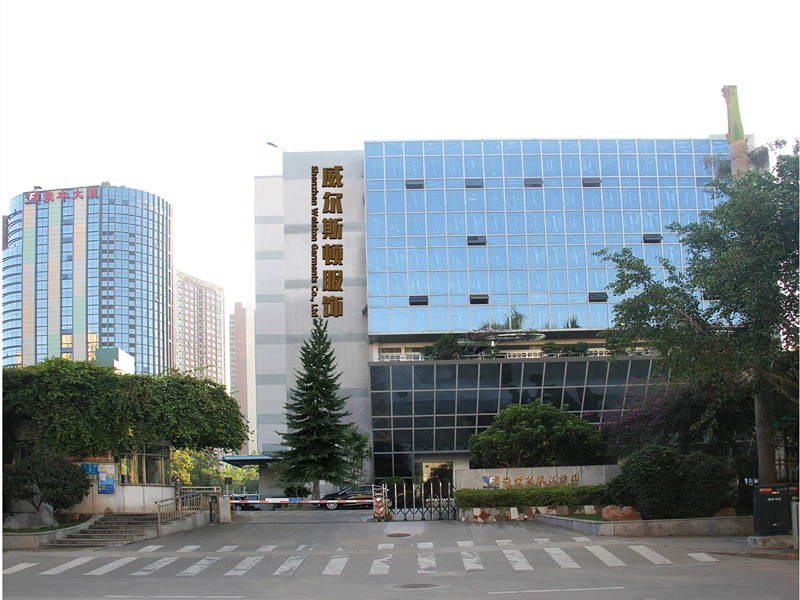
About Welston Garments