UPF 40+ Protective Clothing Buyer’s Guide for Outdoor Workers
Those who labour outside for long periods of time, such as on building sites, in fields or maintaining utility infrastructure, have their skin continually exposed to UV radiation that sunscreen alone can't protect against. UPF 40+ Protective Clothing is consistent, all-day UV protection that blocks at least 97.5% of UV rays without the need for reapplication. This book is tailored at procurement managers, safety directors, and business-to-business distributors who are responsible for selecting superior sun-protective apparel for their personnel in North America and abroad. This allows them to achieve the optimal combination of worker safety, comfort, durability and affordability.
Understanding UPF 40+ Protective Clothing
UPF 40+ Protective Clothing is a particular form of clothing designed to protect skin from UVA and UVB radiation. The SPF (sun protection factor) rating tells you how effectively the sunscreen protects against the UV rays that cause sunburn, and the UPF (ultraviolet protection factor) system tells you how well fabric prevents all UV radiation. Standards internationally such as ASTM D6603 and AS/NZS 4399:2017 indicate that a cloth with UPF rating of 40+ let just 2.5% of the UV light through. That places it in the “Very Good Protection” category.
What Makes UPF 40+ Clothing Different
Normal cotton work shirts have a natural UPF of just 5 to 7, which doesn’t protect workers during extended stints outside. Technological advances have resulted to UPF 40+ Protective Clothing made from tightly woven synthetic fibres such as polyester and nylon that are typically coated with UV-absorbing chemicals or packed with ceramic particles such as titanium dioxide. Even when stretched or wet from perspiration, these textiles retain their protective characteristics – a big concern with typical work garments.
How UV Protection Technology Works in Workwear
Three main scientific ideas come together to make solar protection clothing work: the type of fibres used, the density of the fabric, and chemical processes. UV rays are naturally reflected better by synthetic materials than by natural fibres. Tight-weave construction also keeps holes where radiation can get through to a minimum. Established providers use advanced manufacturing methods that add UV inhibitors directly to the polymer matrix during fibre extrusion. This makes a lasting barrier that can withstand many industrial laundering cycles.
The moisture-wicking features of high-quality UPF 40+ Protective Clothing are also important for outdoor workers. These two-in-one fabrics keep your skin breathable and pull sweat away from your skin. This keeps you from getting heat stress, which can happen when protective gear traps body heat. This balance between safety and comfort has a direct effect on worker compliance—when clothes are comfortable, workers wear them throughout their jobs, making the most of the health benefits that procurement teams pay for.
Health and Safety Benefits for Outdoor Workers
Exposure to the sun at work builds up over time, making the risks of melanoma and other skin cancers much higher for people who work outside. According to the Centers for Disease Control and Prevention, people who work outside get 5–10 times more UV light each year than people who work inside. As part of complete safety programs, UPF 40+ Protective Clothing directly lowers these long-term health risks while also offering instant advantages like fewer sunburns and better temperature control.
In addition to preventing cancer, protective clothing helps with eye strain from UV rays, skin ageing too quickly, and heat-related illnesses that get worse when you don't protect yourself from the sun properly. Sunscreen alone doesn't always protect workers, especially in hard-to-reach places and when they're doing hard physical work, where sweat makes the sunscreen less effective. These holes are filled by garment-based protection, which provides consistent protection from the time workers come on site until the end of their job.
Key Considerations When Choosing UPF 40+ Clothing for Outdoor Workers
Matching Protection to Work Environment
Different outdoor occupations have different levels of UV exposure and physical requirements. Construction workers on open job sites have to wear shirts that cover their whole bodies, have long sleeves, and have built-in airflow because the sun shines directly on them. Agricultural workers need long-lasting fabrics that can handle dirt, chemicals, and being washed a lot. Utility repair teams, on the other hand, need light fabrics that fit well under safety helmets and harnesses.
The weather in North American markets is very different from one another. Southern states and areas with high UV indices need the most protection possible, while northern areas may want to be able to layer clothes to deal with changing weather. When making buying decisions, you should think about the seasons. For example, in the summer, you should choose lightweight, quick-dry fabrics, and in the winter, you should get long-sleeve base layers that go with your other cold-weather gear to keep you safe all year.
Essential Quality Certifications and Testing Standards
For buying trust, verified UPF ratings are the base. Fabrics made by reputable companies are tested using standard methods that check how much light they let through across the UV range. Look for proof from recognised labs that the UPF 40+ rating works both when the product is brand new and after simulated wear, which includes 40+ wash cycles. This lifetime testing makes sure that clothes keep protecting people for as long as they're supposed to, which protects your investment and your employees.
High-quality UPF 40+ Protective Clothing has MVTR values above 5,000 g/m2/24hr and great UV protection, allowing for easy body temperature control even in the hottest summer months. When judging the quality of workwear, breathable measures are used along with UV protection scores. Fabric moisture vapour transfer rates (MVTR) show how well clothes let sweat out, which is important for keeping you from getting heat stress when you're working hard outside.
Design Features That Impact Practical Use
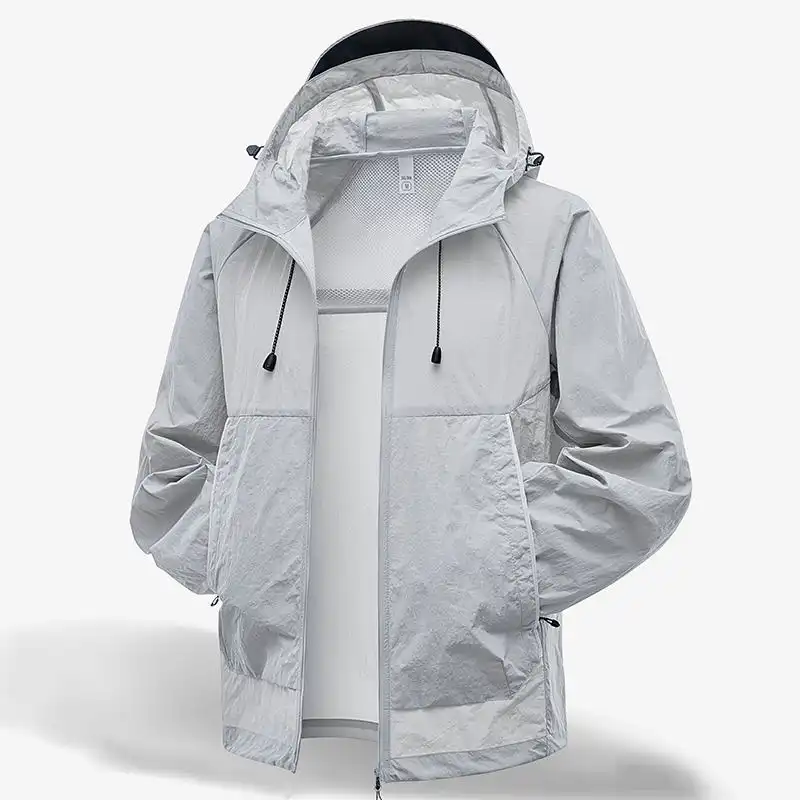
Basic sun protection is different from professional-grade clothing because it has functional design elements. Long arms with thumb holes keep your fingers from getting caught when you reach up, and high collars protect your neck without making it hard to move. Gussets under the arms and articulated elbows make it easier to move when doing the same thing over and over. Mesh ventilation screens put along heat zones improve air flow without lowering UV protection.
Durability features are just as important in work environments. Total cost of ownership is affected by things like reinforced stress points, abrasion-resistant fabrics that can handle 100+ industrial laundry cycles, and colourfast colours that don't fade. Clothes should have useful features like chest pockets big enough for tools and IDs, reflective trim to make them stand out, and strong closures that can handle heavy daily use on farms, construction sites, and other outdoor spaces.
Balancing Cost and Value in Bulk Procurement
How much a garment costs depends on the type of fabric used, how well it is constructed, and how many are ordered. When purchased in bulk, basic UPF 40+ Protective Clothing costs between $15 and $25 per shirt, while high-end technical fabrics cost between $35 and $60. Procurement teams should look at the total costs of the program, including how often the clothes need to be replaced. High-quality clothes that last two to three seasons are often cheaper than cheap clothes that need to be replaced every year.
Strategies for buying in bulk use connections with manufacturers to get better prices. Tiered discounts are usually available for orders of 500 units or more, and annual contracts with trusted suppliers make sure that inventory is always available and prices stay stable. Many companies, like Welston, which has been making professional workwear for 27 years, offer customisation options at reasonable bulk prices. For example, you can add company logos, change sizes to fit different types of workers, and change colour schemes to match your brand without having to pay a lot more.
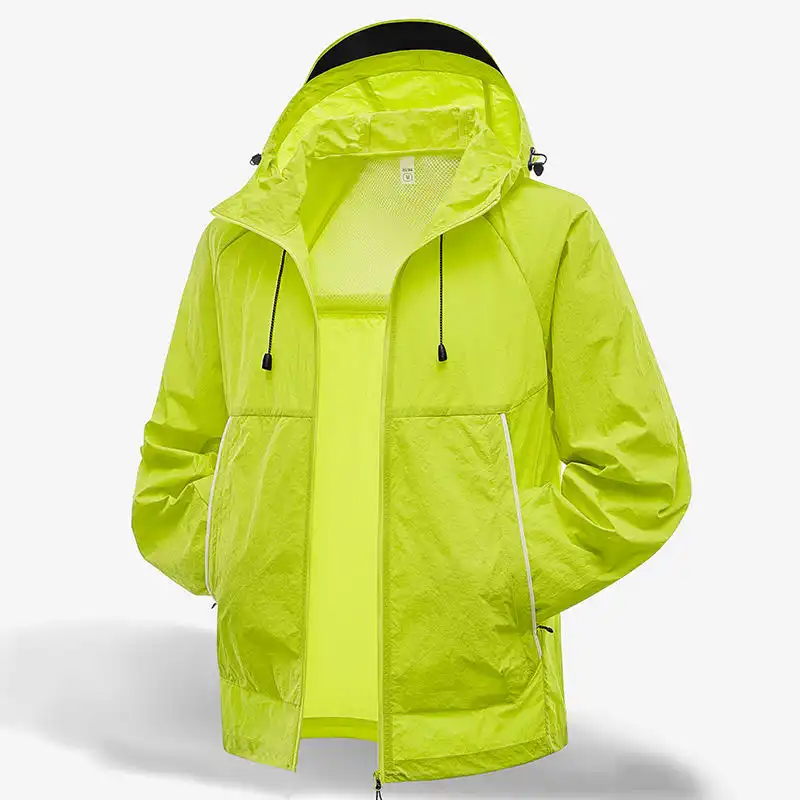
Comparing UPF 40+ Protective Clothing Options in the Market
UPF 40+ Versus Standard Workwear
In real life, the difference in performance between approved sun-protective clothes and regular work shirts is clear. When standard cotton or cotton-blend workwear gets wet, it loses up to 50% of its already low UV protection, but quality UPF 40+ Protective Clothing keeps its ratings the same no matter how wet it gets. This dependability is important for full-shift workers who sweat a lot and can't change clothes in the middle of the day.
Investing in protective workwear is good for your health in the long run. Even though they cost 30–50% more than regular clothes at first, the lower number of illnesses, workers' compensation claims, and lost work days due to sunburn and other heat-related problems makes up for it. Occupational health research shows that safety managers say that UPF-rated clothing is a key part of complete sun protection programs that cut UV-related events by 60–80% compared to sunscreen-only methods.
UPF 40+ Compared to UPF 50+ Options
There are useful things to think about when choosing between the UPF 40+ and UPF 50+ grades. UPF 50+ clothes block an extra 1% of UV radiation, for a total of 98.5% protection compared to 97.5%. This isn't a big difference in terms of protection, and price increases of 20–40% may not be worth it in many situations. Both grades are in the "Excellent Protection" group and offer a lot of safety for people who work outside during normal work hours.
Rating selection is often based on how much money is available. When companies dress a lot of people who work in places with low UV exposure, UPF 40+ clothing provides great protection. The money they save can be used to expand their programs and buy new clothes. UPF 50+ choices make sense for specific situations where extra protection is needed, like at high elevations, in equatorial areas, or for people who are more likely to get skin cancer. Both requirements can be met by Welston's production capabilities, which lets buying teams match security levels to specific groups of workers.
Integrating Protective Clothing with Comprehensive Sun Safety
UPF 40+ Protective Clothing is the basis of good sun safety at work, but it works best as part of a multi-layered plan. Face, hands, and ears are still places of skin that need SPF 30+ broad-spectrum sunscreen. Wide-brimmed hard hats or cap attachments protect the face even more, and safety glasses that block UV rays protect the eyes from both direct and reflected radiation.
Getting more educated makes safety gear work better. Higher compliance rates are seen when workers know how UV damage builds up over time and how their clothes protect them specifically. Wearing long arms even when it's hot, keeping neck fasteners closed, and taking care of your clothes will help you get the most out of your investment in good UPF 40+ Protective Clothing. Long-term procurement programs combine good tools with ongoing training for workers on how to use and take care of it properly.
Trusted Fabric Technologies in Industrial Applications
Polyester fabrics are widely used in industrial workwear due to their UV resistance, durability, and cost efficiency. High-density weaves can achieve UPF 40+ protection, while nylon improves abrasion resistance and spandex enhances flexibility. Recycled fabric options also support sustainability goals. Welston provides eco-friendly materials while maintaining required safety and quality standards.
Procurement Guide: Where and How to Buy UPF 40+ Protective Clothing
Identifying Qualified Manufacturers and Suppliers
It's important to check out makers who have a history of making advanced clothing when looking for UPF 40+ Protective Clothing. Look for suppliers that offer clear fabric certifications, proof of testing by a third party, and well-known quality management systems such as ISO 9001. Companies with dedicated technical teams that know about workplace safety requirements offer more than just order fulfilment. They can help with things like sizing, customisation options, and care instructions that make clothes last longer.
Geographic considerations impact lead times and logistics costs. Asian industrial hubs, like the Pearl River Delta region in China, where Welston has three plants, offer low prices and a lot of production capacity. Manufacturers in Shenzhen are close to makers of technical fabrics and specialised equipment, which makes it easier for them to make workwear that meets strict requirements. Suppliers with a lot of experience can keep up the quality of large orders while also offering adjustable minimums (often starting at 100 pieces) for smaller businesses or test programs.
Negotiating Bulk Orders and Custom Requirements
Effective procurement negotiations balance price, quality, lead time, and customization. Detailed quotes should cover fabric composition, UPF certifications, sizing, payment terms, shipping, and quality controls. Samples help verify comfort, construction, and fit before large orders. Professional suppliers like Welston provide advanced customization, functional designs, and flexible production capacity while maintaining cost efficiency.
Order Process and Quality Assurance
A structured procurement process ensures timely delivery through clear requirement discussions, detailed proposals, and realistic production plans. Sample approval verifies fabric, construction, sizing, and customization before mass production. Reliable suppliers provide progress updates, inspections, and quality audits. Welston’s 24-hour response and problem-solving support help maintain long-term customer relationships.
Maintenance Practices That Preserve Protection
UPF 40+ Protective Clothing can last longer and still protect against UV rays with the right maintenance. Neutral-pH detergents are best for industrial washing because they keep fabrics' purity. Avoid chlorine bleach and fabric softeners, which can damage synthetic fibres and UV treatments. To keep clothes from getting damaged by heat, wash them in cool to warm water (not more than 40°C/104°F) and hang them to dry or use low tumble heat.
Check clothes often for signs of wear that make them less protective, like fabric that is thinning, seams that are stretching, and stains that won't go away. Even high-quality UPF 40+ Protective Clothing needs to be replaced after a while because the fabric loses bulk over time. Set up replacement cycles based on how often the clothes are worn. For daily use in demanding environments, this is usually every 18 to 24 months. Regular safety tests that check the state of workers' clothes make sure that they always get the protection that procurement programs offer.
Case Studies and Real-World Applications of UPF 40+ Protective Clothing
Construction Industry Implementation
A southwestern U.S. construction company reduced heat and sun-related risks by implementing UPF 40+ Protective Clothing for field crews. Custom shirts with ANSI compliance, ventilation features, longer sleeves, and high-visibility elements improved safety and comfort. Within a year, sunburn cases fell by 75%, while supplier flexibility supported successful expansion and employee satisfaction.
Agricultural Sector Adoption
A California farm improved worker sun protection by adopting UPF 40+ Protective Clothing as standard fieldwear. Lightweight, quick-drying fabrics provided comfort during long harvests while reducing sunscreen costs, heat-related illnesses, and retention issues. The chosen garments featured reinforced areas, stain-hiding colours, and flexible designs suited for agricultural tasks and active movement.
Utility Maintenance Success Story
A multi-state utility company improved outdoor worker safety by selecting UPF 40+ protective clothing with UV protection, flame-resistant treatments, arc rating compatibility, and equipment-friendly designs. After training on UV risks and garment care, workers experienced better comfort and mobility. Over three years, the company reduced skin issues, improved durability, and lowered overall uniform costs.
Conclusion
Technical specs, actual usefulness, and purchase costs must all be taken into account when choosing UPF 40+ Protective Clothing for outdoor workers. Quality sun-protective clothing has real health benefits because it lowers the amount of UV light that workers are exposed to, which can add up over decades of work. Programs that work combine approved clothes from reputable makers with instructions on how to take care of them and training for the staff.
Successful procurement outcomes are achieved when teams work with experienced sellers who know both the technical needs and the practicalities of working outside. A thorough check of cloth certifications, building quality, the ability to customise, and the response of suppliers makes sure that investments protect workers well and provide long-term value. As safety standards for the workplace keep changing, UPF 40+ Protective Clothing shows that you are following the rules and caring about the health and safety of your employees.
FAQ
1.How long does UPF 40+ protective clothing maintain its effectiveness?
How makers get the UPF number affects how long the UV protection lasts. Effectiveness of UPF 40+ Protective Clothing remain consistent for as long as the garment is made if the fabric has built-in protection, like when ceramic particles are mixed into the fibres during production or when tight synthetic weaves act as a barrier. Chemical solutions on the skin may not work as well after 20 to 40 industrial wash cycles. Quality sellers describe how they protect their products and how long they are expected to last. This helps procurement teams correctly plan when to replace things.
2.Can workers in humid climates comfortably wear long-sleeve UPF 40+ protective clothing?
These problems are specifically dealt with by modern technology fabrics that have moisture-wicking features and planned ventilation. When compared to wet cotton shirts that trap heat, high-quality UPF 40+ Protective Clothing draws sweat away from the skin and helps it evaporate quickly. In humid places like the southeast of the United States, workers say that properly made sun protective clothing feels cooler than other choices, especially when the fabric stays dry thanks to moisture management.
3.Does darker-colored UPF 40+ protective clothing provide better protection than lighter shades?
Darker colours naturally soak up more UV light, which could mean they offer a little more protection. Certified UPF 40+ Protective Clothing, on the other hand, gets its grade from the way the fabric is made and treated, not its colour. It may feel cooler in direct sunlight if you choose lighter shades that reflect visible light while still blocking UV rays well. When choosing from certified garment choices, procurement decisions can put exposure, branding, or worker desire first without sacrificing UV protection.
Partner with a Trusted UPF 40+ Protective Clothing Manufacturer
Welston has been making professional clothing for almost 30 years and can help companies that need solid sun protection for their outdoor workers. As a well-known provider of UPF 40+ Protective Clothing, our Shenzhen factories have cutting-edge production tools from JUKI and SHINLING, as well as the ability to make a wide range of changes to the garments, such as adding logos and making them fit better or perform better. Our three factories and ten production lines can handle orders as low as 100 pieces, making them suitable for both trial projects and large-scale operations across North America.
Within 24 hours of receiving a procurement inquiry, our technical team answers with detailed specs, fabric certifications, and useful advice for putting together successful sun safety programs. For big companies like Panasonic, Toyota, and Dell, we provide the quality assurance and supply chain stability that are necessary for safety uses at work. Get in touch with [email protected] to talk about your specific needs and get quotes for UPF 40+ Protective Clothing that are specifically suited to the needs of your workforce.
References
1. American Society for Testing and Materials. (2020). ASTM D6603: Standard Specification for Labeling of UV-Protective Textiles. ASTM International, West Conshohocken, PA.
2. Centers for Disease Control and Prevention, National Institute for Occupational Safety and Health. (2018). Outdoor Workers and Sun Exposure: Protecting Workers from UV Radiation. DHHS (NIOSH) Publication No. 2018-126.
3. Gies, P., Roy, C., Toomey, S., & McLennan, A. (2019). Protection Against Solar Ultraviolet Radiation: Australian/New Zealand Standard for Sun Protective Clothing. Radiation Protection Dosimetry, 91(1-3), 247-250.
4. International Agency for Research on Cancer. (2021). Occupational Exposure to Solar Ultraviolet Radiation: IARC Monographs on Identification of Carcinogenic Hazards to Humans. World Health Organization.
5. Textile Research Journal. (2022). Advances in UV-Protective Textiles: Fabric Engineering, Testing Standards, and Performance Durability. Volume 92, Issue 7-8, 1203-1219.
6. American Industrial Hygiene Association. (2019). Sun Safety for Outdoor Workers: A Guide for Employers in Reducing Occupational UV Exposure. AIHA Press, Falls Church, VA.
We specialize in designing, producing, and selling corporate clothing. Mainly produces: industrial clothing, business uniforms, and work clothes for different companies.
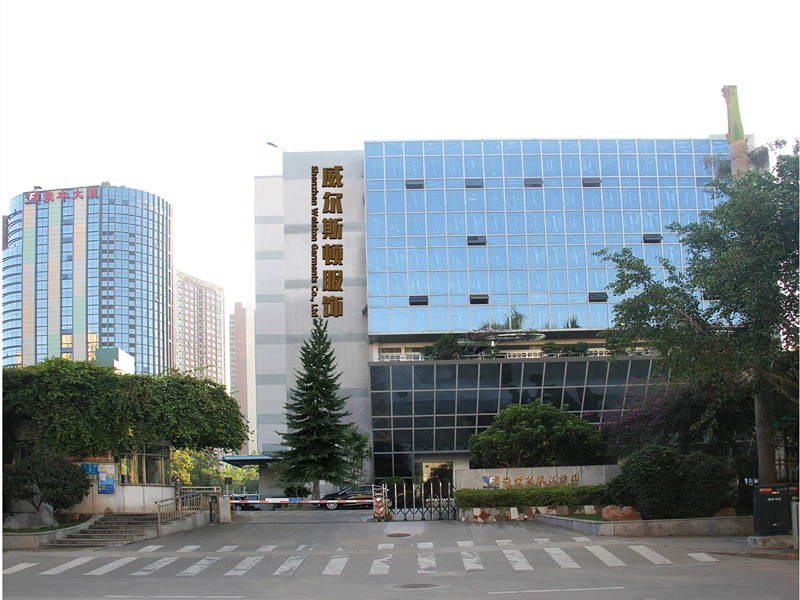
About Welston Garments