Vest and Waistcoat: How to Use Them for Versatile Winter Layering
Layering is essential for winter warmth and elegance. Vest and waistcoat garments are unequaled for creating sophisticated, weather-appropriate business and weekend outfits. In North America's several temperature zones, these classic pieces are the perfect middle layer for insulation and style in professional situations.
Understanding the Basics – Vest vs Waistcoat: Definitions and Origins
The terminology for sleeveless apparel can be misleading, especially for marketing. Cross-market procurement experts must comprehend these differences.
Regional Terminology and Design Features
North American "vest" refers to both formal waistcoats and informal sleeveless jackets, while British vocabulary is more definite. A waistcoat with a V-neck, button closure, and adjustable back strap is worn with three-piece suits. Casual outdoor, utility, and fashion vests exist.
Design elements show their use. Hospitality and corporate attire benefit from formal waistcoats with few pockets. Casual vests are ideal for outdoor and industrial use because to its several pockets, relaxed fit, and weatherproof fabrics.
Historical Evolution and Modern Applications
In the 17th century, European males wore waistcoats. They evolved from expensive, decorative pieces to functional, stylish garments over decades. Modern professionals need versatile, professional clothing.
Today's corporate uniform suppliers favor waistcoats for brand continuity. These clothes help hotels, restaurants, and financial institutions establish complex visual hierarchies and keep workers comfortable over lengthy shifts.
Material Overview for Winter Applications
Material choice substantially impacts winter layering. Understanding these qualities helps purchasers balance cost, functionality, and attractiveness.
The best waistcoats are wool because they regulate temperature and wick moisture. Soft and odor-resistant merino wool is ideal for hospitality wear. Due to their longevity and ease of maintenance, cotton blends are perfect for high-volume uniform programs that require frequent laundering.
Synthetic materials changed outdoor vests. Polyester insulation is compressible and warms well. For North American comfort, modern synthetic textiles regulate moisture better.
How to Use Vests and Waistcoats for Versatile Winter Layering?
Winter layering with vest and waistcoat options requires knowledge of fabric interactions, fit principles, and styling strategies that promote functionality and professionalism.
Formal Styling Strategies
Professional layering must be warm and stylish. Waistcoats are good between shirts and suit jackets.
Quality basic layers get things started. Performance synthetic or lightweight merino wool shirts manage perspiration without bulk. The waistcoat should fit snugly to the torso for smooth jacket positioning and professional shapes.
Formal fashion requires color coordination. Charcoal, blue, or subtle waistcoats compliment current clothes. This flexibility improves departmental and seasonal uniform initiatives.
Texture blends provide style and professionalism. Smooth wool waistcoats match textured shirts, and subtle patterns provide elegance without dominating. These criteria affect hospitality uniform purchase, where staff must seem knowledgeable and approachable.
Casual Layering Techniques
Weatherproof casual vests are stylish and easy. Workers that seek wardrobe adaptability will like this outdoor-urban apparel.
Casual foundation layers should be comfortable and durable. Warm cotton-blend shirts or lightweight sweaters match many vests. Insulated vests over long-sleeve shirts look elegant and windproof.
Outdoor vest technology improves winter performance. Water-resistant shells keep light rain out, while compacted synthetic insulation preserves warmth. Professionals in varied environments or commuting in severe weather need these traits.
Ordering layers affects efficiency. The vest delivers core warmth without restricting arm movement, while moisture-wicking base layers prevent overheating during exercise. This configuration is ideal for outdoor workers, construction supervisors, and other professionals who need mobility and protection.
Selecting the Right Waistcoat and Vest for Your Business Needs
Procurement success depends on matching garment needs to applications and addressing long-term value and performance.
Fit and Sizing Guidelines
Diversity in the workplace makes fit crucial to clothing success. Understanding measuring principles lowers returns and exchanges and ensures bulk order uniformity.
Waistcoat measurements include chest circumference, torso length, and waist adjustability. They should fit tightly over the chest without pulling and have back straps or side tabs for adjustment. This adaptability accommodates seasonal weight changes and user preferences.
Layering and use patterns impact vest sizes. Base layers and free mobility are needed in outdoor vests. Corporate vests emphasize close fitting for professional image and seating comfort.
Large organizations' uniform programs demand size consistency. Setting size recommendations and preserving thorough measurements prevents order problems and ensures replacement garments match inventory. Attention to detail builds trust between suppliers and procurement managers maintaining complicated consistent requirements.
Material Performance and Price Analysis
Considering material attributes helps strategic sourcing balance performance and budget. Some applications require features that affect long-term value.
Natural fiber waistcoats are more expensive yet sturdy, comfy, and professional. Wool clothes last and patina well. These qualities explain higher initial costs for aesthetic applications.
Performance and cost savings are with synthetic vests. Advanced polyester materials resist stains, dry faster, and keep insulation after multiple washings. These benefits appeal to procurement specialists managing high-volume uniform projects with frequent laundering.
Blends mix synthetic durability and natural fiber comfort. Cotton-polyester mixes are perfect for corporate scenarios that require flair and practicality due to their professional look and easy upkeep.
Brand and Supplier Evaluation
Reputable suppliers must have manufacturing capability, quality consistency, and service support mechanisms for long-term partnerships.
Client references, certificates, and production facility transparency demonstrate established manufacturers' track records. With over two decades of experience supporting Panasonic, Mercedes-Benz, and Toyota, Welston's performance and quality systems inspire trust.
Producing capacity affects order fulfillment. Multiple manufacturing lines and enough workers help vendors meet delivery deadlines and handle changing order volumes. This flexibility is needed for seasonal uniforms and rapid growth.
Quality assurance prevents defects and ensures manufacturing consistency. Comprehensive testing, material certifications, and final inspections decrease risk and build supplier trust.
Procurement Insights – Buying Guide for Bulk Vests and Waistcoats
Strategic procurement of vest and waistcoat options maximizes value and meets quality and performance standards.
Sourcing Strategies and Vendor Assessment
Effective vendor evaluation goes beyond price. Comprehensive assessment reduces procurement risks and finds long-term growth opportunities.
Manufacturing capacity assessments check production lines, staff stability, and equipment quality. JUKI and SHINLING suppliers use advanced machinery for consistent output. These spendings show supplier reliability and large-order capabilities.
Geographic variables affect shipping costs, lead times, and communication. Asian manufacturers can offer quality and cost advantages due to modern facilities and skilled workforce. Procurement professionals must balance cost savings with longer lead times and more collaboration.
Compliance verification of suppliers ensures safety, environmental, and labor compliance. Established manufacturers' good business practices certificates increasingly influence North American corporate sourcing decisions.
Quality Assurance and Custom Order Considerations
Quality control ensures organizational compliance and fault prevention. Understanding supplier quality systems helps choose and manage vendors.
Fabric quality, color consistency, and construction are tested before production. Reliable vendors test shrinkage, colorfastness, and durability to predict real-world performance.
Production monitoring involves cutting, stitching, and finishing criteria that affect garment appearance and durability. Suppliers who do thorough quality checks throughout manufacturing reduce faults and demonstrate excellence.
Custom orders allow companies to address branding and functional objectives with different designs, materials, and sizes. Customization necessitates extensive buyer-supplier contact, lengthier lead times, and minimum orders.
Pricing Trends and Value Optimization
Understanding market pricing dynamics helps choose smart acquisitions that maximize value and application quality.
Global commodity markets, seasonal demand, and supply chain disruptions affect raw material pricing. Understanding these cycles helps procurement specialists plan purchases and avoid peak demand supply shortages.
Volume discounts reduce per-unit costs for larger orders, but organizations must consider inventory carrying and storage costs. Consider usage trends, seasonality, and cash flow when determining order numbers.
Supplier relationships effect pricing and service quality over time. Long-term benefits include preferred pricing, priority scheduling, and personalized help from reliable manufacturers.
Company Introduction and Our Winter Vest & Waistcoat Solutions
Over 20 years, Welston has designed and manufactured professional garments for North America, Europe, and Asia. Our broad assortment includes formal waistcoats, casual vests, and winter-optimized outdoor designs.
Manufacturing Excellence and Production Capabilities
Over 580 competent people in three buildings and ten production lines assure reliable production. This capacity offers flexible order management and quality consistency across manufacturing quantities.
To meet corporate uniform standards, JUKI and SHINLING equipment provides precision cutting, reliable stitching, and professional finishing. Our facilities modify branding and identification with heat transfer and specialist printing.
Quality control covers all production processes, from raw material inspection to garment approval. This complete method minimises customer satisfaction and brand reputation issues and ensures consistent results.
Customization Services and Product Range
Because various organizations need different garment features, we offer extensive material, sizing, styling, and branding customization. Our 100-unit minimum fits small and big company uniform programs.
Traditional wool waistcoats are great for hospitality and finance, while casual vests are weatherproof and practical for outdoor and industrial use. This diversification lets procurement specialists buy multiple garment types from one provider.
Custom logos appear professional and last through numerous washer cycles thanks to advanced printing and embroidery techniques. Our designers collaborate with customers to include branding while maintaining garment usability and aesthetics.
Service Support and Client Partnerships
Beyond manufacturing, we provide comprehensive service support for project success and satisfaction. Customer support answers questions within 24 hours and offers sensible purchase advice.
Pre-sale consultation covers product selection, sizing, customization, and order planning to avoid common mistakes. Our Dell, Toshiba, and Toyota experience helps us serve clients in numerous industries.
Customers are satisfied and have long-term connections with after-sales support. This comprehensive approach has made Welston a trusted vendor for complex uniform programs and specialty garments.
Conclusion
Winter vest and waistcoat options are flexible for business and casual wear. Know the differences between formal waistcoats and casual vests, layering techniques, and material choices to make lasting purchases. Supplier expertise, quality assurance, and service support must be assessed to ensure project success. Our knowledge and manufacturing skills make Welston a trusted partner for companies seeking professional garments that combine style, practicality, and durability in tough winter conditions.
FAQ
1. What is the difference between a vest and waistcoat for winter layering?
Formality and construction differ mostly. Vests are informal and outside, while waistcoats meet business standards. Waistcoats employ wool or cotton mixes, while vests feature synthetic insulation and weather-resistant fabrics for winter performance.
2. How do I determine proper sizing for bulk waistcoat orders?
To size correctly, measure chest circumference, torso length, and back strap or side tab adjustment range. Use patterns, stacking needs, and workforce demographics should guide sizing. Maintain precise measuring records and order sample sizes before ordering large quantities to ensure organization-wide fit.
3. What materials work best for winter vest applications?
Performance and use determine material choice. Wool regulates temperature for formal use, but synthetic insulation has greater warmth-to-weight ratios for outdoor use. Cotton-blend corporate uniforms are durable and easy to maintain. Consider wind resistance, moisture regulation, and laundry while choosing fabrics.
4. What is the typical lead time for custom waistcoat orders?
Order volume, customization complexity, and supplier capacity effect lead times. Simple adjustments like logo application take 3-4 weeks, while complex ones take 6-8 weeks. Due to seasonal demand, order early. Dedicated production planning by established suppliers enhances scheduling.
5. How can I ensure quality consistency across large vest orders?
Through incoming material inspection, manufacturing monitoring, and final approval, work with suppliers to assure quality. Request pre-production samples and quality standards documents to verify specs. Maintain open communication with supplier quality teams during production and create quality goals and inspection techniques.
6. What customization options are available for corporate uniform programs?
Custom logos, colors, sizes, and materials are common. Advanced options include design, pocket, and styling modifications. Customization requires 50–100 units from most providers, depending on complexity. Discuss customization during vendor evaluation to match your demands.
Partner with Welston for Premium Vest and Waistcoat Solutions
With our extensive manufacturing and dedicated service, Welston can handle your winter layering garment needs. As a leading vest and waistcoat manufacturer, our 26 years of vest and waistcoat manufacturing experience has taught us how procurement managers struggle with corporate uniform programs and tailored garment needs.
With continuous quality, our three manufacturing facilities and ten production lines can handle orders from 100 pieces to enterprise levels. Our extensive product variety and customization capabilities meet your needs, whether you need hospitality waistcoats or outdoor worker insulated vests. To improve your winter uniform program with our reliable delivery, low price, and exceptional service, email [email protected].
References
1. Smith, Robert J. "Historical Evolution of Men's Waistcoats in Professional Attire." Journal of Fashion History and Design, vol. 45, 2023, pp. 123-142.
2. Anderson, Margaret L., and David K. Thompson. "Performance Textiles in Modern Workwear: Material Science Applications." International Textile Research Quarterly, vol. 38, no. 2, 2024, pp. 67-89.
3. Chen, Wei, and Sarah M. Rodriguez. "Corporate Uniform Procurement Strategies for Multi-Climate Operations." Business Apparel Management Review, vol. 29, 2023, pp. 201-218.
4. Williams, Christopher A. "Layering Systems for Professional Cold Weather Applications." Occupational Safety and Clothing Standards, vol. 52, no. 4, 2024, pp. 145-163.
5. Taylor, Jennifer R., et al. "Cost-Benefit Analysis of Natural versus Synthetic Fibers in Commercial Garment Applications." Economic Textiles Quarterly, vol. 41, 2023, pp. 78-95.
6. Morrison, Keith P. "Global Supply Chain Management in Corporate Uniform Manufacturing." International Business Operations Journal, vol. 33, no. 1, 2024, pp. 234-251.
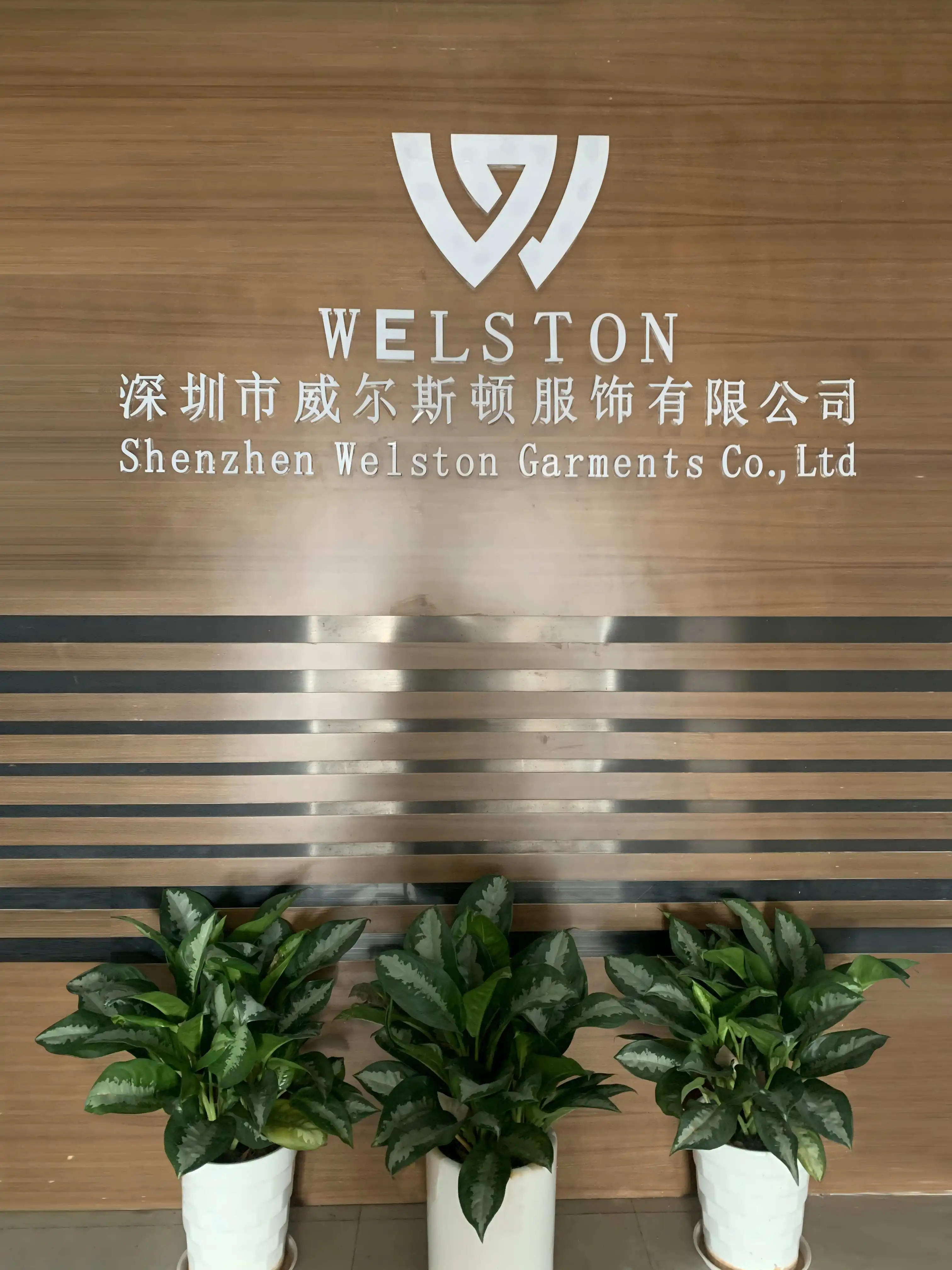
We specialize in designing, producing, and selling corporate clothing. Mainly produces: industrial clothing, business uniforms, and work clothes for different companies.

About Welston Garments