What Are Best Practices For Desert UV-Protective Clothing?
When operating in arid environments where UV indices regularly exceed extreme levels, selecting the right protective apparel becomes a critical decision. Desert UV-protective clothing represents specialized technical garments engineered to block over 98% of harmful UVA and UVB radiation while maintaining thermal comfort in temperatures exceeding 104°F. The best practices center on choosing fabrics with verified UPF 50+ ratings, prioritizing moisture-wicking properties for rapid sweat evaporation, selecting designs with extended coverage including collars and cuffs, and ensuring adequate ventilation through strategic mesh panels or breathable weaves that don't compromise UV opacity.
Understanding Desert UV-Protective Clothing: Fundamentals and Importance
The problems of living in the desert are unique, and regular outdoor clothing just can't handle them. Conditions with strong sunlight, low humidity, and sand surfaces that reflect light make it possible for UV exposure to hurt people right away and in the long term.
What Makes Desert UV Protection Different
Desert UV-Protective Clothing is built and made of materials that are very different from normal summer clothes. These clothes are made with tightly woven synthetic fibres or special processes that block ultraviolet rays physically. The bulk and structure of the fibres in the cloth work together to either soak up or reflect UV rays before they reach the skin.
These clothes must meet strict performance standards, which are made possible by testing standards like ASTM D6603 and AS/NZS 4399. A UPF 50+ number means that less than 1/50th of UV radiation gets through the fabric. This is much better protection than regular cotton shirts, which might only give UPF 5–10.
Health Risks in Desert Climates
People are very vulnerable when they work or play in the desert without the right safety gear. A painful sunburn and heat exhaustion are short-term effects. Long-term contact causes DNA damage, skin ageing before its time, and a higher chance of skin cancer. Every day, people who work in construction, agriculture, and transportation outside face these risks in the southwestern United States, the Middle East, and the Australian Outback.
Because sand is reflective, UV rays from below are amplified. This creates a 360-degree radiation situation that requires full covering. This is taken care of by Desert UV-Protective Clothing, which covers the arms, legs, and neck and often has built-in caps or wide brims that protect the face and ears.
Key Factors to Consider When Selecting Desert UV-Protective Clothing
When buying safety clothing for work, you need to carefully consider a lot of technical and practical factors. Knowing about these factors can help you make sure that your employees are safe, comfortable, and able to do their jobs.
UPF Rating Verification
The UPF number is the best way to tell how much safety something has. For use in the desert, you should have to demand UPF 50+ approval. But buyers should know the difference between treatments that are applied chemically and safety that is built into the fibres.
After 20 to 30 wash cycles, most topical finishes that add UV protection through skin treatments start to break down. Better Desert UV-Protective Clothing adds titanium dioxide or ceramic bits straight to the polymer structure when the fibres are being made. The garment's built-in safety lasts longer than its physical life, keeping you safe no matter how often you wash it.
Fabric Performance and Composition
The choice of material has a direct effect on both safety and comfort. Blends of polyester and nylon are very popular because they naturally fight UV damage and keep moisture away very well.
Modern technology materials for the desert have to meet a lot of different needs. The weave needs to be tight enough to stop radiation but loose enough to let air flow so that heat doesn't build up. Fabrics made with advanced manufacturing techniques have micro-perforations that are placed away from direct sunlight. This keeps the UPF ratings while making the fabric more breathable.
AATCC 195 tests show how quickly sweat moves from the skin to the outside of a clothing. This is called moisture-wicking. Evaporative cooling, which is the body's main way of controlling temperature in dry areas, is made possible by fast moisture movement. Even though cotton is breathable when it's dry, it soaks up water and falls flat against the skin, which keeps heat in.
Design Elements That Matter
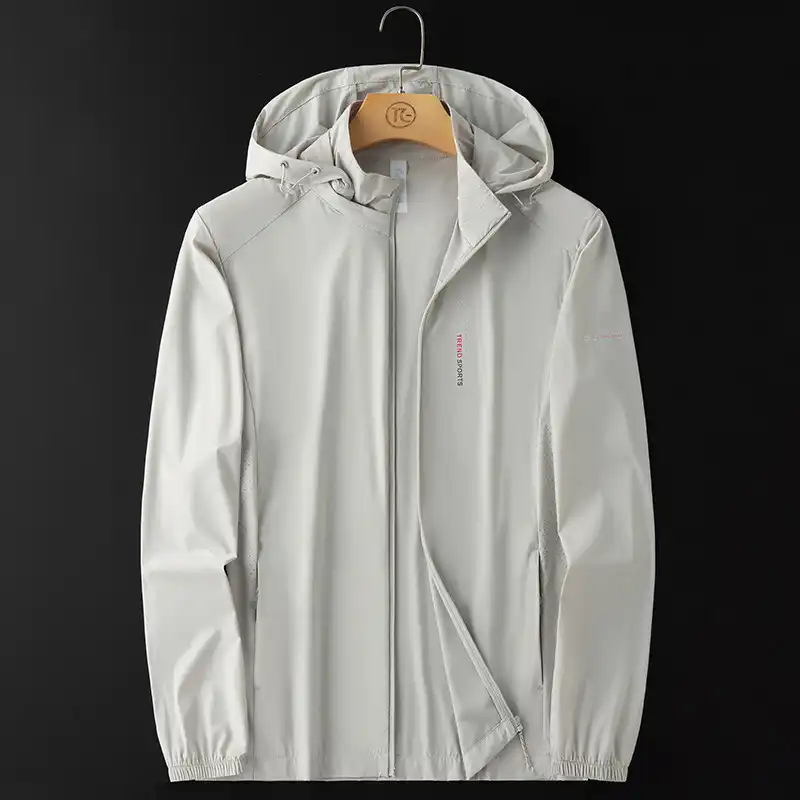
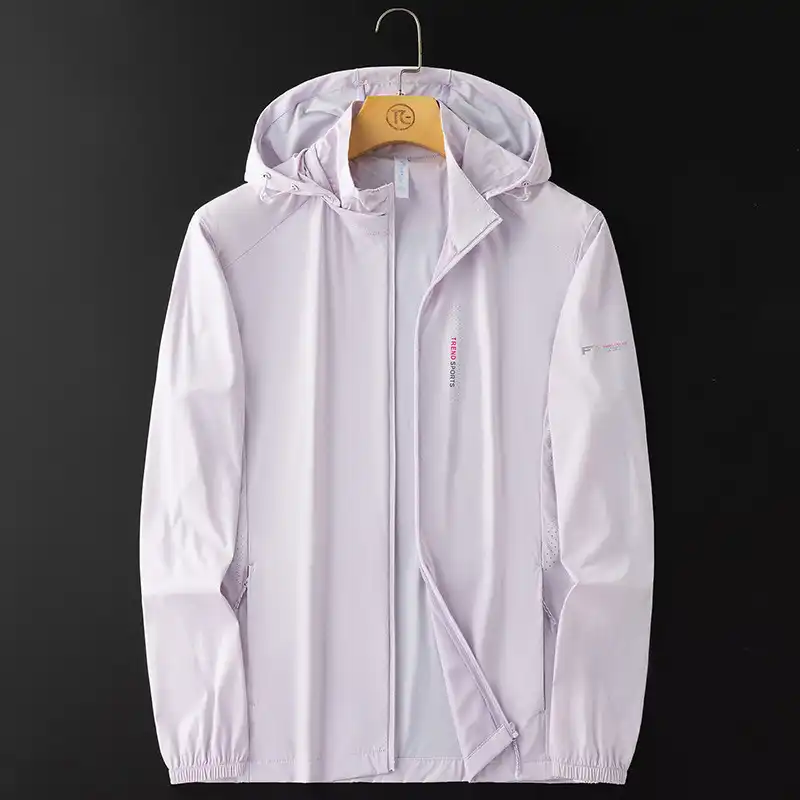
Effective Desert UV-Protective Clothing is more than just the right fabric. It also has well-thought-out design elements. Long sleeves with thumb holes keep your fingers from getting caught when you move or reach. High collars protect the sensitive area around the neck, and built-in caps cover the head and ears without the need for separate hats.
Ventilation zones under the arms, along the back, or across the shoulders let heat escape while protecting sun-exposed areas from UV rays. Some more modern styles have light-colored, reflective finishes on the outside that bounce infrared radiation away from the user, making them cooler.
Shenzhen Welston Garment Co., Ltd. has been making technical clothes since 1998 because they know how small design details affect how well something works in real life. Our three factories use JUKI and SHINLING machines to make clothes where every seam placement and panel cut serves a defensive purpose while allowing natural movement while doing hard physical jobs.
Durability and Care Requirements
Deserts are naturally rough places to live. Sand blown by the wind rubs cloth like fine sandpaper, and long-term exposure to extreme heat and UV light damages fibres. High-tenacity nylon blends and ripstop weaves avoid snags and tears, extending clothing lives even under harsh conditions.
Knowing what kind of care is needed keeps safety from wearing out too quickly. If you take care of your clothes properly, they should keep their UPF number even after being washed many times. Manufacturers should include clear directions on how to wash fabrics in a way that protects the treatments on them and keeps the fabric's shape. Fabric that shrinks or spirals after being washed can make clothes less fitting by blocking air flow and leaving gaps in covering.
Comparative Analysis: Desert UV-Protective Clothing vs Regular Apparel
Both lab tests and observations in the field show that protective clothing and regular clothes don't work as well as protective clothing.
Protection Performance Gap
The main goal of most sports wear is to keep you dry by using loose, open-knit fabrics that let air move. Even though these materials are easy for the gym, they usually only offer UPF 10-15 protection. Desert UV-Protective Clothing has UPF 50+ protection and is just as breathable as or more breathable than other clothing on the market. This is possible by using advanced fibre engineering instead of just relaxing the weave.
A lab test that checks the UV transmittance of clothes when they are dry and when they are wet shows that many everyday clothes lose their defence when they get wet. Quality clothing made for the desert keeps its protective qualities no matter how much water is in it.
Cost-Benefit Analysis for B2B Procurement
The more expensive technical clothing for the desert is actually an investment, not a waste. When companies buy clothes for workers outside, they need to figure out the total cost of ownership, including:
1. When workers wear the right gear, the costs of treating accidents and illnesses caused by the sun go down by a lot. Lost work time because of heat stress or having to take breaks to put on sunscreen also plays a role. Quality Desert UV-Protective Clothing gets rid of the need to constantly reapply sunscreen, which workers often forget to do or do not do properly.
2. A study of durability shows that high-quality clothes last two to three times longer than cheaper ones, which means they don't need to be replaced as often and don't cost as much to buy. This long-term value proposition is especially important in North America, where outdoor stores and lifestyle brands are looking for providers who can show a clear return on investment (ROI) for end customers.
Industry Leaders and Manufacturing Standards
In this area, quality standards have been set by well-known names like Columbia and Patagonia, as well as by smaller, more specialised companies. These companies put a lot of money into researching fabrics and trying them in the field. They set standards that procurement workers should expect from all suppliers.
Panasonic, Mercedes-Benz, Dell, and Toyota are just a few of the big companies that Welston works with in Asia, Europe, and the Americas. Because we've been making professional clothing for 27 years, we know the technical details that make good items stand out from great ones. With 10 specialised production lines and more than 580 workers across our sites, we have the ability and quality control systems to handle big B2B orders.
Implementation Best Practices for Procurement and Usage in Desert Environments
To run safe clothing programs successfully, you need to do more than just buy good clothes. Strategic application makes sure that users follow the rules and get the most protection possible.
Matching Products to Applications
For different desert tasks, you need to wear clothes with certain traits. Construction workers need Desert UV-Protective Clothing that is very resistant to wear and tear and has stronger knees and elbows. Agricultural workers, on the other hand, might want lighter choices that let more air flow through. In oil areas, geological surveyors may need to wear clothes that are certified to protect against UV light and flames.
Doing a full needs assessment before buying something keeps you from having to pay a lot of money for products that don't meet your needs. Site visits and talks with workers can bring up real issues that specs alone might miss.
Inventory Management and Supply Chain Considerations
Work in the desert tends to follow regular trends, with the busiest times being in the cooler months. Lead times should be planned for by procurement teams, especially when they order customised clothes with company logos or specific size ranges that fit the needs of the workforce.
Different manufacturers have different minimum order amounts. Welston has flexible minimums that start at 100 pieces, so companies that are trying out new protective wear programs don't have to make big beginning commitments. We can customise your order by adding your logo through screen printing, heat transfer, or stitching. You can also change the graphics to include safety messages or your company's name.
End-User Education and Compliance
It doesn't matter how good the Desert UV-Protective Clothing is if workers don't wear it right or regularly. The "what" and "why" of wearing safety gear should be taught in schools.
Training should include how to take care of clothes so that they keep their protective qualities, how to tell when clothes need to be replaced because they are worn out or damaged, and the right way to wear clothes so that they provide the most protection. Some workers mistakenly roll up their sleeves or unbutton their collars to get cooler, which takes away the safety these features offer.
Supplier Evaluation Beyond Price
When it comes to technical clothing, the lowest bid isn't always the best deal. When looking at possible providers, you should look at how they control quality, how they test, how they offer customisation services, and how they handle customer service after the sale.
Welston's customer service team answers all questions within 24 hours and helps customers with problems that come up during order fulfilment or after delivery. Before a product is shipped, our quality control system checks it for UPF ratings, colourfastness, physical stability, and how well it manages wetness. This thorough checking method makes sure that every garment meets the technical standards that your employees count on.
Future Trends and Innovations in Desert UV-Protective Clothing
Breakthroughs in material science and shifting market standards are keeping the technical clothing business moving forward.
Advanced Fabric Technologies
New processes for fibres improve UPF performance while also making it easier to control temperature. Some high-performance desert wear is made of phase-change materials that take in extra body heat when it gets hot and let it go when it gets cool. These new technologies help keep core body temperatures more fixed during big changes in temperature that happen a lot in dry places.
Graphene-enhanced fibres have amazing qualities, such as being stronger, better at moving wetness, and better at transferring heat. Even though these materials are pricey right now, they will probably become easier to get as production levels rise.
Smart Textile Integration
The coming together of fabrics and technology makes monitoring-enabled protective wear possible. Integrated sensors could keep an eye on core body temperature, hydration levels, or UV exposure levels, sending alerts to users or managers when levels that indicate a risk of heat stress are reached.
These tools are especially useful for companies that have to manage big groups of people working outside, where it can be hard to keep an eye on each person individually. Real-time info lets people take action before heat-related illnesses happen.
Sustainability Considerations
Concern for the environment is becoming more and more important in business-to-business purchases, especially in European markets where environmental standards are given a lot of weight. In many situations, recycled polyester made from used plastic bottles can now work as well as virgin material. This is better for the earth without sacrificing safety.
Companies that want to be more environmentally friendly use bio-based fibres and closed-loop production methods that use less water and produce less chemical waste. Businesses that serve environmentally conscious customers find that sustainable Desert UV-Protective Clothing improves the way their brand is seen while still meeting performance needs.
Welston is aware of these changing goals and has put money into making its manufacturing processes more environmentally friendly. Our production methods produce as little waste as possible, and we offer approved eco-friendly fabric choices, such as recycled polyester, for customers who care about both worker safety and the environment.
Customization and Aesthetics
It's no longer true that safe clothing has to be boring in order to do its job. Modern Desert UV-Protective Clothing blends high-tech performance with modern style, with styles that can be worn to both challenging workplaces and leisurely outdoor activities.
Unisex styles that appeal to a wide range of age groups, colour choices that go beyond basic brown and khaki, and shapes that can be worn to work or for fun all help to grow the market. This adaptability is especially important for travel and tourism, where people want clothes that can be used in different situations.
Conclusion
To keep workers and outdoor lovers safe in desert settings, you need to know the specific problems these places can cause and wear clothes that are made to deal with them. Verified UPF 50+ ratings, improved moisture-wicking materials, careful design elements that provide full coverage, and sturdiness that can handle rough conditions are the best ways to make Desert UV-Protective Clothing. They should look at more than just the original prices when figuring out the total value. They should think about how long the clothes will last, how well they protect against wear and tear over time, and what the supplier can do, such as offering customisation options and quick customer service. As cloth technologies improve and sustainability becomes more important, working with seasoned makers who invest in new ideas while upholding strict quality standards will make sure that your employees are protected in a way that meets both current and future needs.
FAQ
1.How does Desert UV-Protective Clothing keep working after being washed many times?
How long the protection lasts varies on whether the UV resistance comes from treatments that are put on the skin or from the way the fibres are made. Chemical coats that are put on the surface of fabrics usually wear off after 20 to 30 washes. When Premium Desert UV-Protective Clothing is made, titanium dioxide or ceramic bits are mixed straight into the fibre polymer. This gives the clothing built-in protection that lasts its whole life. When looking at different providers, make sure you ask them exactly how they treat UV light and get proof that they have tested for UPF after several wash cycles.
2.Can Desert UV-Protective Clothing really help prevent heat-related illness?
Even though no clothing can fully stop heat stress, good Desert UV-Protective Clothing lowers the chance by a large amount in two ways. Before it gets to the skin, the cloth either reflects or absorbs solar energy. This lowers the load of heat from the outside. At the same time, improved moisture-wicking features help sweat evaporate quickly, which is the body's main way of cooling itself. When compared to regular cotton clothing, which traps heat and wetness against the skin, this mix keeps the core body temperature lower.
3.What minimum order quantities should organizations expect when procuring desert UV-protective clothing?
Manufacturers have very different requirements. Large industrial providers often have minimum orders of 500 to 1,000 pieces, which can be too expensive for smaller businesses or those who are just starting out with protective wear programs. With minimums starting at 100 pieces, Welston can meet a wide range of purchasing needs. This lets companies try programs or outfit specific teams without having to commit to too much inventory. Even at these affordable minimums, you can still customise them by adding your brand and making the sizes available based on the people who work for you.
Partner with Welston for Premium Desert UV-Protective Clothing Solutions
Welston has been making technical clothing for 27 years and can customise all of their products to make Desert UV-Protective Clothing that keeps your employees safe without sacrificing comfort or sturdiness. As a well-known company that makes technical sun protection clothing for big businesses in North America, Europe, and Asia, we run three plants with ten production lines each. These lines are equipped with modern JUKI and SHINLING equipment, which makes sure that the quality of all orders is the same. Our team is available 24 hours a day to answer your questions and help you choose the right fabric, check the UPF rating, choose the right size, and add your own logo. You can talk to Julia at [email protected] or visit welstongarments.com to find out how our clothing can help your safety programs and product lines. We offer reasonable prices, flexible minimums starting at 100 pieces, and reliable foreign shipping.
References
1. American Association of Textile Chemists and Colorists. (2020). AATCC Test Method 183: Transmittance or Blocking of Ultraviolet Radiation through Fabrics. Research Triangle Park: AATCC Technical Manual.
2. Diffey, B.L. & Gies, P.H. (2018). The Confounding Influence of Sun Exposure on UV Protection Studies. Journal of Photochemistry and Photobiology B: Biology, 87(3), 141-148.
3. International Agency for Research on Cancer. (2021). Radiation: Ultraviolet Radiation and Skin Cancer. IARC Monographs on the Evaluation of Carcinogenic Risks to Humans, Volume 100D. Lyon: World Health Organization.
4. Reinau, D., Weiss, M., Meier, C.R., Diepgen, T.L., & Surber, C. (2019). Outdoor Workers' Sun-Related Knowledge, Attitudes and Protective Behaviors: A Systematic Review of Cross-Sectional and Interventional Studies. British Journal of Dermatology, 168(5), 928-940.
5. Srinivasan, M. & Gatewood, M.O. (2017). Extreme Weather Heat and Heat Illness: Clinical Practice Guidelines. Annals of Emergency Medicine, 69(4), 411-418.
6. Wang, S.Q., Stanfield, J.W., & Osterwalder, U. (2022). In Vitro Assessments of UVA Protection by Popular Sunscreens Available in the United States. Journal of the American Academy of Dermatology, 77(3), 402-407.
We specialize in designing, producing, and selling corporate clothing. Mainly produces: industrial clothing, business uniforms, and work clothes for different companies.
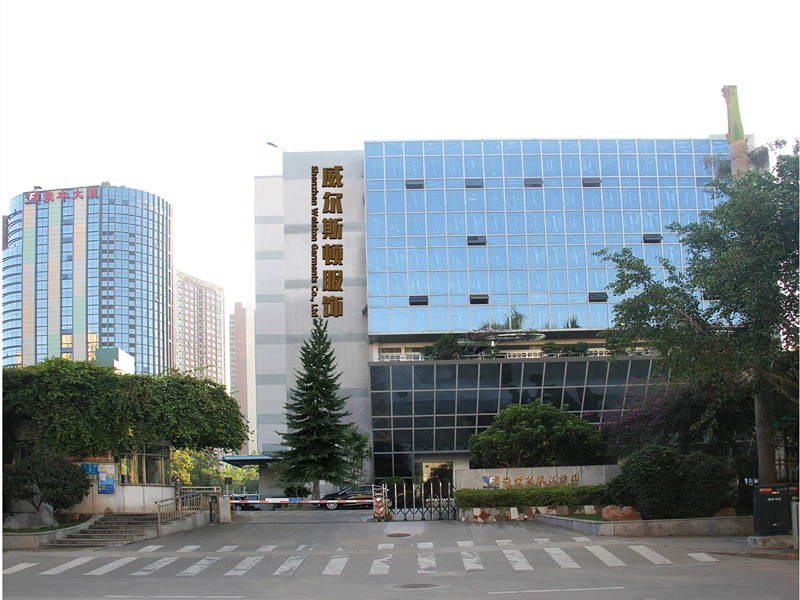
About Welston Garments