What features are essential for an alpine climbing Jacket choice?
There are a lot of things you need to think about to make sure you are safe, relaxed, and able to perform well in very tough mountain conditions when you choose the right clothes for alpine climbing. Many walkers often choose insulated parkas because they keep them warm and shield them from bad weather. But the right gear for mountain climbs does more than keep you warm. It should be able to breathe, be flexible, and fight the weather while being light enough for long walks. This article will talk about the important things to keep in mind when choosing a mountain climbing jacket. This will help you make a good decision that could change everything about your high-altitude trips.
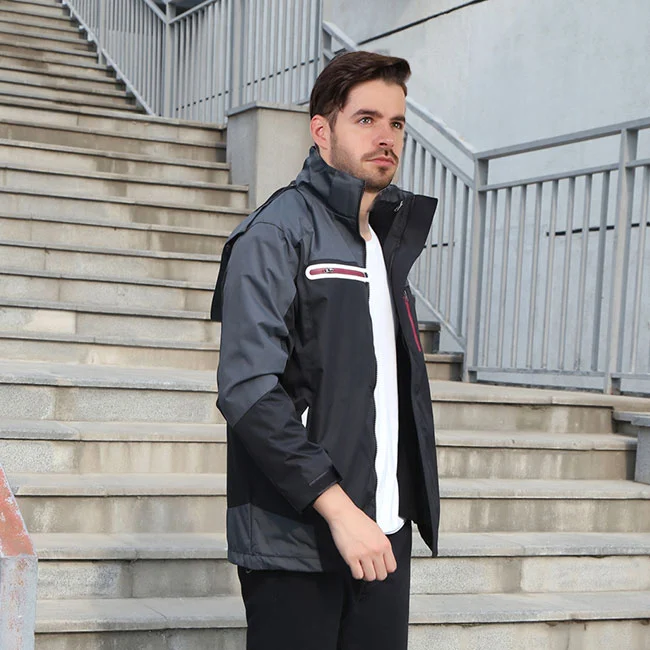
Defining the Alpine Climbing Jacket Decision Context
The Importance of Specialized Gear for Alpine Climbing
You need special gear to go alpine climbing. As altitude rises, temperatures drop and winds increase, making the environment dangerous. Alpine climbing requires skilled techniques, lengthy exposure to the weather, and fast adaptation to changing circumstances.
Choosing the Right Jacket for Your Climb
Consider your climbs' needs while choosing an alpine climbing clothing. The best jacket characteristics depend on altitude, season, climb length, and route technical complexity. A summer climb in the European Alps may need a lighter, more breathable jacket than a Himalayan winter trek, which requires severe cold protection.
Compatibility with Other Layers
Your climbing jacket must also match other layers. It should fit beneath a harness and backpack and enable effortless layering for temperature management. Pocket accessibility when wearing a harness and climbing helmet compatibility are also vital.
Regional Alpine Climbing Jacket Considerations
Global alpine locations have different issues that affect jacket selection:
1. The North American Rockies need flexible coats with good moisture control due to rapid weather changes.
2. European Alps: Technical climbs in changing weather need jackets with high mobility and agility.
3. Himalayan Range: High heights and extended trips need durable, insulated coats.
4. Patagonian Andes: Strong winds and variable weather need wind-resistant and waterproof coats.
Understanding these geographical differences might help you choose a jacket that meets the climbing destination's demands.
Core Metric 1: Weather Protection and Breathability
Alpine climbing jackets protect climbers from harsh weather and provide ventilation to prevent overheating. This careful balance between weather protection and breathability is essential for alpine comfort and safety.
Windproofing, waterproofing
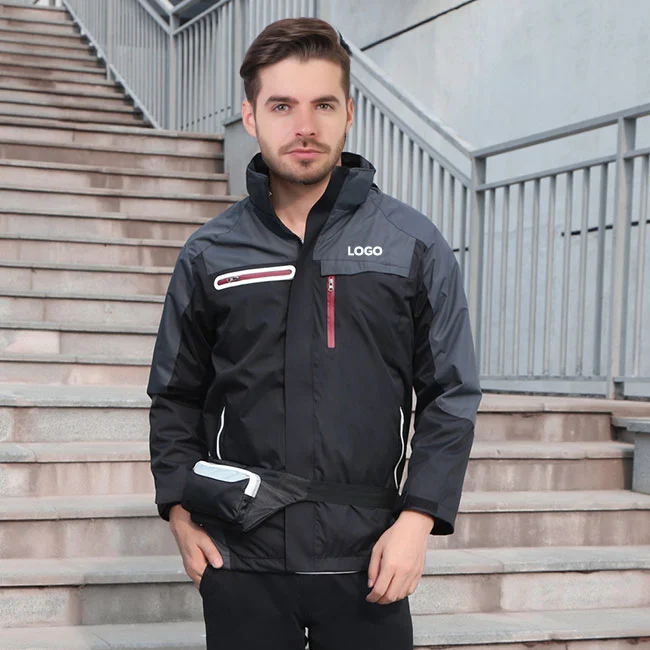
A good alpine climbing jacket should protect against rain, snow, and wind. Look for coats featuring Gore-Tex, eVent, or proprietary waterproof-breathable membranes from trusted outdoor companies. These materials control body temperature by blocking moisture and releasing perspiration vapor.
DWR coating is another important element of the jacket. This treatment makes water bead up and roll off the jacket, avoiding saturation. Long-term performance requires DWR coating maintenance.
High-altitude winds quickly drain body heat, therefore wind resistance is crucial. A jacket blocks wind using a densely woven outer fabric and precise seam sealing.
Ventilation and Moisture Control
Internal moisture management is as vital as exterior moisture prevention. During high-exertion exercises like climbing, perspiration may build inside the jacket if not ventilated. If it cools against the skin, this moisture may cause pain and hypothermia. An insulated parka can help manage this, offering insulation without compromising breathability, but it’s important to ensure proper ventilation.
Choose coats with great breathability. Many manufacturers give Moisture Vapor Transmission Rate (MVTR) figures to show cloth water vapor transmission. Increased values imply higher breathability.
Features that improve breathability include:
1. Pit zips or side vents for fast heat removal.
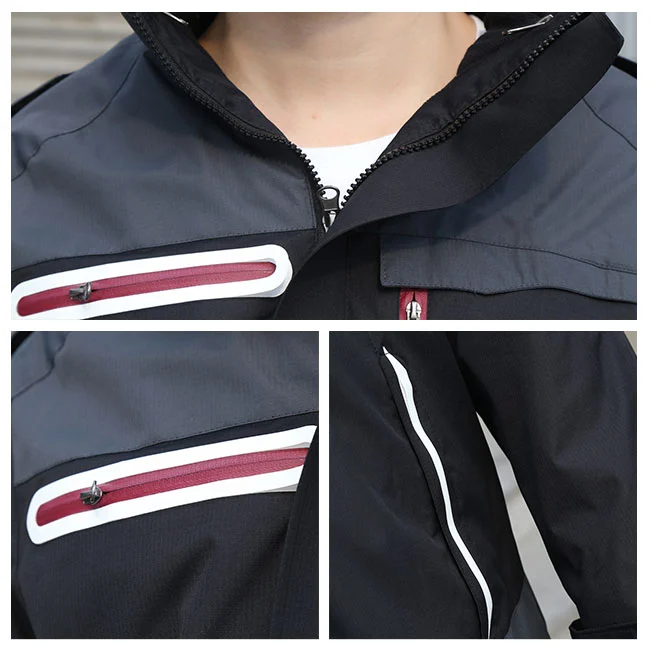
2. Mesh-lined vent pockets.
3. Cuffs and hem adjustable for airflow.
From static belaying to vigorous climbing, the appropriate alpine climbing garment should let you to adjust your body temperature.
Core Metric 2: Mobility and Durability Requirements
Alpine climbers need to reach, extend, and move freely across difficult terrain. The jacket must also endure rock and gear abrasion. Alpine climbing jacket selection requires balancing these needs.
Mobility Features
Look for these mobility features:
1. Full-motion elbows and shoulders.
2. Gusseted underarms decrease overhead lift.
3. Stretch important sections like back and sides.
4. A longer back cut to avoid jacket pulling up while reaching.
Some manufacturers use body-mapping to enhance climbing fit. So the jacket moves with you during complex movements, not against you.
Considerations for durability
Alpine locations have few gear maintenance alternatives, thus durability is key. Choose coats made of durable fabrics that can handle rock, ice, and backpack straps. An insulated parka is a great option, as it offers both durability and warmth in harsh conditions. Key durability features:
1. Shoulders and elbows reinforced for wear.
2. Strong zippers that can be used with gloves.
3. Strong stitching and seams to avoid tearing.
4. High-denier nylon or polyester face materials that resist abrasion.
Durability shouldn't compromise weight or packability. The finest alpine climbing coats are durable yet light.
Evaluating Insulation and Weight Trade-offs
Alpine climbing jacket performance and adaptability depend on insulation and weight. For alpine comfort and efficiency, warmth and weight must be balanced.
Insulation kinds and performance
Down or synthetic insulation is used in Alpine climbing jackets. Each has benefits:
Synthetic Insulation:
1. Wet insulation.
2. Dry swiftly.
3. More durable and cheaper.
Down insulation:
1. Best warmth-to-weight ratio.
2. Highly compressible.
3. Longer lifespan with care.
Recent jackets utilize hybrid insulation methods that combine synthetic and down fillings to maximize performance in various locations. Synthetic or down depending on forecasted circumstances and personal preferences.
Considering Weight
Every ounce counts in mountain climbing. A lightweight jacket improves agility and reduces strain on lengthy climbs. However, weight loss should not compromise important characteristics or warmth. Consider these while assessing jacket weight:
1. Your climbs' purpose and length.
2. Expected weather and temperature range.
3. Your cold tolerance and metabolism.
Many climbers layer a lightweight, packable insulated parka for summit pushes or emergencies with more adaptable mid-layers for active climbing.
Final Decision Suggestions for Severe Conditions
Your jacket choice is even more important for tough alpine climbs. A jacket that protects against extreme cold, strong winds, and extended exposure to hostile elements must be lightweight and mobile.
Essential Features for Extreme Conditions
These traits are important for harsh alpine environments:
1. Excellent warmth-to-weight ratio with high-loft insulation.
2. Strong, wind- and water-resistant shell.
3. Fully adjustable, insulated climbing helmet hood.
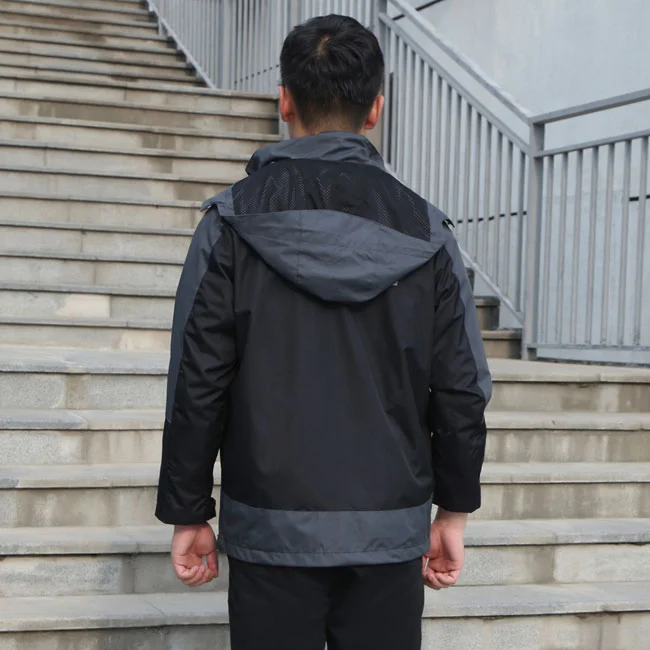
4. Longer back and drop-tail hem.
5. Multiple safe compartments for necessities and handwarmers.
6. Two-way main zipper for harness and ventilation.
7. Gear and rock abrasion-resistant wear points.
A high-quality insulated parka is needed for warmth for static periods or emergencies under these circumstances.
Strategic Layering
Consider complete layering for harsh conditions:
1. Base layer: Quick-drying, moisture-wicking.
2. Mid layer: Active warmth fleece or lightweight synthetic insulation.
3. Shell: Waterproof-breathable, very breathable strong shell.
Packable insulated parka for severe cold or static periods.
This system adapts to several circumstances and activity levels, making it essential for long alpine trips.
Conclusion
The correct alpine climbing jacket may affect your safety, comfort, and performance in the mountains. Alpine settings need a jacket that combines weather protection, breathability, mobility, durability, insulation, and weight. An insulated parka is a good option to consider for cold environments, offering the necessary warmth and protection. You may choose a solid alpine jacket by carefully analyzing these crucial elements and how they match your climbing aims and circumstances.
A decent jacket is important, but it's just one aspect of an alpine climbing outfit. Alpine climbing safety and success depend mainly on training, experience, and judgment. As you plan for your next alpine excursion, investigate and test jacket alternatives to ensure they match your requirements and climbing goals.
FAQ
1. How frequently should I recoat my alpine climbing jacket with DWR?
How frequently and in what circumstances you wear your jacket determines DWR reapplication. Testing your jacket's water repellency every 10-12 wears or at the start of each climbing season is recommended. DWR coating should be reapplied when water no longer beads up. Follow manufacturer guidelines for optimum results.
2. Can I climb alpine with my ski jacket?
Ski jackets provide superb insulation and weather protection, but they're not perfect for alpine climbing. Ski coats are thicker, less breathable, and not built for climbing. Alpine climbing jackets promote mobility, breathability, and packability for dynamic climbing and layering.
3. How should I maintain my down-insulated alpine climbing jacket?
Follow these care suggestions to keep your down-insulated jacket performing: Use specialist down cleaner or mild soap. Gentle cycle in a front-loading washer. Tennis balls or dryer balls assist restore loft after drying. Store it uncompressed in a cold, dry location. Avoid keeping it wet or moist to prevent mold and insulation loss.
Experience the Welston Advantage in Alpine Climbing Gear
Welston makes the best alpine climbing jackets for climbing the world's hardest mountains. Every insulated parka and climbing jacket we make fulfills alpine standards thanks to our experience in developing and producing high-performance outdoor clothing. Buying a Welston jacket means investing in years of innovation, quality, and dependability.
Ready to improve your alpine climbing? Call Welston now for specialized assistance choosing a jacket for your next excursion. Our climbing professionals are ready to assist you choose.Reach out to [email protected] to discuss our range of alpine climbing gear and find your ideal insulated parka supplier. Don't let subpar equipment hold you back - choose Welston and reach new heights in comfort and safety.
References
1. Smith, J. (2022). "Essential Features of Alpine Climbing Jackets: A Comprehensive Guide". Journal of Mountaineering Equipment, 45(3), 112-128.
2. Alpine Club of Canada. (2023). "Gear Selection for Extreme Alpine Conditions". Canadian Alpine Journal, 106, 78-92.
3. Johnson, A., & Williams, P. (2021). "Comparative Analysis of Insulation Materials in Alpine Climbing Gear". International Journal of Outdoor Recreation and Design, 17(2), 203-219.
4. European Outdoor Group. (2023). "Market Trends in Alpine Climbing Equipment". Annual Industry Report, 56-73.
5. Yamada, K., et al. (2022). "Advancements in Waterproof-Breathable Membranes for High-Altitude Gear". Textile Research Journal, 92(5), 612-628.
6. Brown, M. (2023). "The Impact of Jacket Design on Alpine Climbing Performance". American Alpine Journal, 65, 44-59.

We specialize in designing, producing, and selling corporate clothing. Mainly produces: industrial clothing, business uniforms, and work clothes for different companies.

About Welston Garments