What is a utility shirt
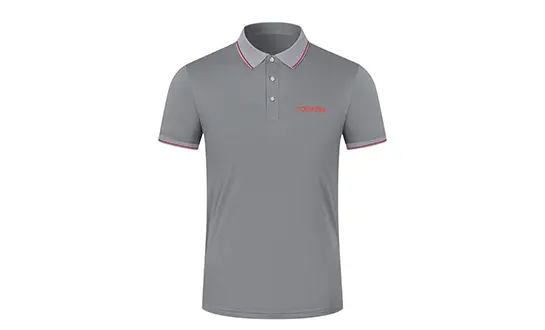
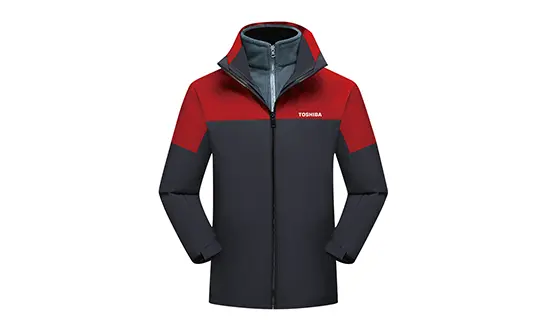
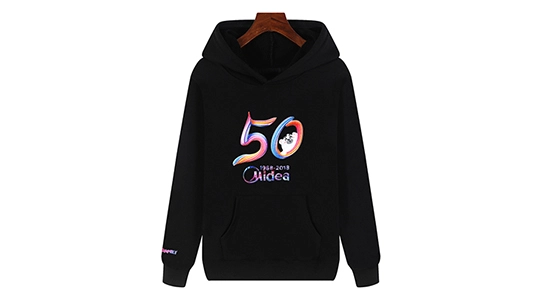
Originally modelled after military and industrial workwear, a Utility Shirt is a flexible piece of clothing that combines efficiency with sturdiness. The Utility Shirt is made of strong materials like cotton twill or poly-cotton blends and has many pockets. The stitching is also reinforced. This basic piece of workwear is a mix of practical field clothing and modern corporate uniforms. It's a great choice for companies that need reliable clothes that allow employees to move around while still looking professional in a variety of work settings.
Understanding Utility Shirts – Features and Benefits
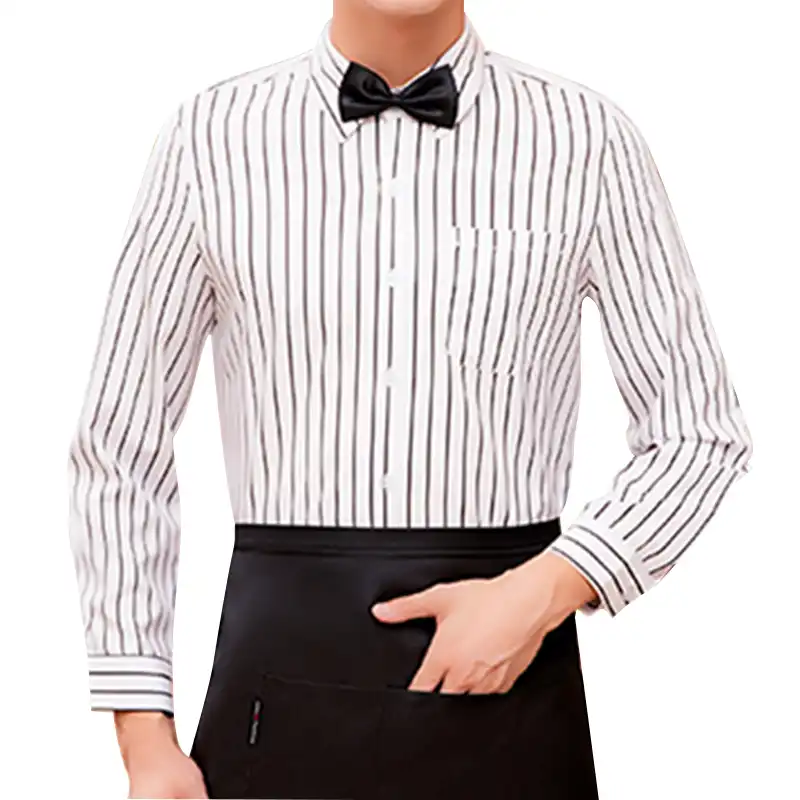
When it comes to business clothes, the Utility Shirt stands out because it meets real-life needs that regular dress shirts just can't. While traditional office shirts value looks, utility-focused designs highlight performance without losing comfort.
Built for Durability and Function
Modern Utility Shirts contain design aspects that extend garment life and improve usefulness. Bartack stitching at stress points keeps pockets from tearing, and double-needle side seams keep them from splitting even after many industrial launderings. These building methods lower repair frequency, which directly impacts your total cost of ownership when outfitting teams.
There are more uses for the iconic chest pockets than just aesthetics. They are especially helpful for field technicians, event planners, and warehouse supervisors since they let you to carry tiny tools, ID cards, pencils, and mobile phones without using your hands. By eliminating the need for additional gear belts or lanyards, this practical storage facilitates employee mobility and organizes the workspace.
Comfort Features That Enhance Productivity
Breathability is still a very important factor in how happy and productive employees are. Fabrics used to make good Utility Shirts have GSM weights between 180 and 250, which is the best range for protection and air flow. Cotton-rich blends let moisture vapour escape, so you don't have to deal with the discomfort that comes with wearing synthetic clothes during busy work shifts.
Utility shirts differ greatly in shape and fit from formal shirts. Wider armholes and a boxier shape facilitate shoulder movement and arm lifts without the need to untuck or tie the fabric. For professionals who perform repetitive tasks, reach up frequently, or alternate between desk work and hectic tasks throughout the day, this ergonomic benefit is crucial.
Safety and Professional Appearance
Flat melamine buttons or snap closures are used instead of protruding parts that could get caught on machinery in fields where people and machines work together. Some Utility Shirt styles have secret plackets that keep the front of the shirt smooth. This keeps the shirt looking clean and professional, which is good for jobs where you'll be talking to clients.
Technology for colourfastness makes sure that clothes keep their look after many washes. If your team's uniforms get grades 4-5 on industry standard tests, they won't fade even after being washed in harsh conditions. This will help your brand keep a consistent visual identity in North America, Europe, and Asia-Pacific markets where colour accuracy is important for corporate image.
Types of Utility Shirt Fabrics and Styles
Choosing the right fabric has a direct effect on how well it works, how much it costs to maintain, and how many employees like it. Knowing about the properties of a material helps procurement teams match clothes to operational needs.
Fabric Options for Different Environments
1. Cotton Twill Blends: The workhorse of Utility Shirts, these blends of 65% polyester and 35% cotton offer excellent sturdiness while still allowing for acceptable breathability. The diagonal weave structure effectively hides small spots, making these blends perfect for places like car repair shops, light manufacturing, and promotional events where look is important during long shifts.
2. 100% Cotton Options: Companies and workers who care about the environment and want natural fibre comfort like pure cotton materials. These materials breathe very well, but they need to be pre-treated (sanforized) in the right way to keep shrinking below 3%. In temperate areas of Southeast Asia and Europe, where moisture-wicking needs are modest, cotton Utility Shirts work exceptionally well.
3. Performance Synthetic Blends: Tech companies holding outdoor product launches or tourist companies in Australia and the Middle East can use moisture-wicking polyester blends with antimicrobial treatments to keep clothes from smelling bad after long wear. Sun protection factors (UPF 50+) can be built into fabrics, so people can stay safe in the sun without having to wear extra pieces of clothing in harsh conditions.
Seasonal flexibility is affected by the fabric weight choice. Lighter 180-200 GSM materials suit year-round indoor settings and summer outdoor uses, while 220-250 GSM weights provide substance for cooler months without crossing into heavy outerwear territory. This mid-weight fabric keeps its professional drape and gives clients and employees alike a sense of durability through its feel.
Style Variations for Team Needs
1. Classic Work Shirt Cut: Traditional Utility Shirts have a straight hem that is meant to be tucked in and chest pocket flaps that button shut. This style remains the standard for corporate uniform programs in banking, hotel management, and retail supervision where polished appearance matches with brand standards.
2. Modern Casual Fit: Contemporary versions adopt slightly tapered waists and shorter tails that work well untucked, appealing to tech companies and creative agencies that value friendly professionalism. These designs often incorporate subtle stretch fibers (2-5% spandex) that enhance comfort without losing the structured look that separates work clothing from casual weekend wear.
3. Gender-Inclusive Sizing: More modern uniform programs now require Utility Shirts to be cut for different body types instead of just unisex styles that don't fit many people well. Having the right sizes for everyone in your workforce will make them happier and save you money on the hidden costs of clothes that people don't wear because they don't fit right.
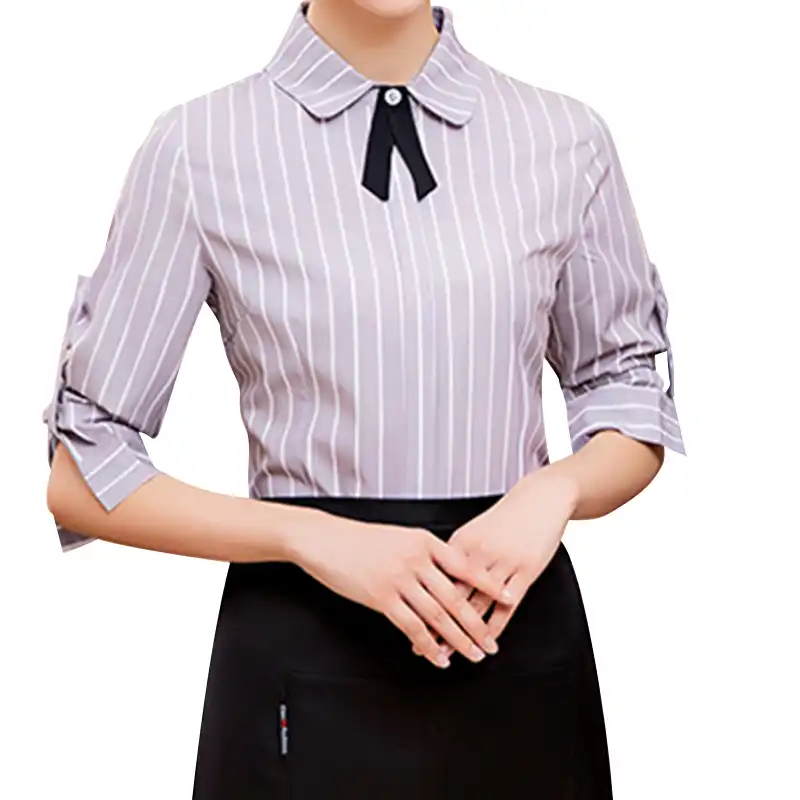
Utility Shirt vs. Related Shirt Types – How to Choose the Best for Your Needs
When making purchasing choices, it's helpful to know how Utility Shirts stack up against similar products. This way, you can be sure that the clothes you choose actually meet your needs, rather than just coming close.
Comparing Core Work Shirt Categories
Utility Shirts are different from regular work shirts, flannel options, and cargo-style clothes, which makes the selection process easier. Standard work shirts are usually made of lighter materials (120–150 GSM) and aren't strengthened, so they're good for the office but not for use in the field. The smooth cotton in flannel shirts keeps you warm, but they don't have the pockets or the dressy look that Utility Shirts do.
Cargo-style shirts have extra-large pockets that make them great for storage, but they often look too casual for business settings where clients are present. The Utility Shirt is a good compromise because it's tough enough for busy work while still having clean lines that are appropriate for showing your brand professionally.
Selection Criteria for Bulk Purchases
When examining suppliers for large sales, several technical characteristics deserve careful attention. Seam strength tests should meet ISO 13935 standards, with stitch density of 12-14 stitches per inch for materials in the 220+ GSM range. This stops seams from slipping, which leads to clothes breaking too soon.
Dimensional stability matters significantly when adopting similar sizing across big teams. Fabric treatments should limit shrinking to under 3% after three wash cycles, confirmed through AATCC 135 testing procedures. This consistency cuts down on the need to exchange sizes and keeps the right fit throughout the lifecycle of the garment.
The ability to customise sets commodity suppliers apart from real manufacturing partners. Screen printing and embroidery should both be able to reproduce logos accurately, and there should be a range of positioning choices that take into account the style of the clothing while still making the brand stand out. Heat transfer technologies offer an alternative for complicated images that test traditional embroidery, particularly useful for promotional events and marketing activations across technology-driven markets.
Cost efficiency extends beyond unit price to encompass total ownership expense. Cheaper clothes that need to be replaced after 20 washes are less valuable than ones that can last through 50 or more industrial wash cycles and still look good. Calculate cost-per-wear rather than cost-per-garment when compared supplier offers.
Caring for Utility Shirts – Maintenance Tips for Longevity
Following the right care steps will protect your uniform investment and make sure that teams always look their best. These practices apply whether you run in-house laundry facilities or work with industrial cleaning services.
Washing and Fabric Care Best Practices
Laundry systems in businesses use stronger machines and higher temperatures than home machines. Even though Utility Shirts are made to last in these situations, there are things that can be done to make them last longer. Temperatures between 60°C and 140°F (60°C to 160°C) are good for washing clothes because they remove dirt and germs without putting too much stress on the fibres, which breaks them down faster.
Separate highly dirty clothes from lightly worn items to prevent abrasive dirt particles from hurting cleaner fabrics during wash cycles. Before washing, make sure that all of the snaps and buttons are closed. This way, the hardware won't hit other clothes and cause pilling and fabric damage. When clothes are really dirty on the outside, turn them inside out. This keeps logos and printed patterns from getting damaged by direct mechanical action.
Avoid using chlorine bleach on coloured Utility Shirts because the dyes will fade and the cloth will become less stable over time. Bleach that is based on oxygen gets rid of stains and germs effectively without being harsh. For eco-conscious programs using organic cotton Utility Shirts, biodegradable detergents keep line with sustainability goals while cleaning effectively.
Storage and Damage Prevention
If you store clothes properly between uses, they won't get wrinkled and need to be ironed too much, which weakens the fibres over time. Instead of using wire hangers, which can cause stress points, hang Utility Shirts on broad-shoulder hangers that properly spread the weight. This keeps the shape of the collar and stops shoulder dimpling, which makes a person look less professional.
Regularly check clothes for small damage that can be fixed before small problems turn into fails that force you to quit. A loose button that is quickly tightened stops it from falling off and removes the risk of damage from noise in wash equipment. Professionals can bartack small tears in pocket seams, which can add months to the life of the clothing at a very low cost compared to buying a new one.
Set clear repair rules based on signs of wear instead of making up random time frames. Frayed collars, faded colours that don't meet uniform standards, stains that won't go away, and fabric that's getting thinner at stress points are all signs that it's time to quit. Upholding standards for look protects your brand's image and gives employees pride in promoting your company.
Leading Brands and Suppliers of Utility Shirts – What B2B Clients Should Know
Choosing Reliable Utility Shirt Suppliers for Corporate and Workwear Needs
B2B purchasers must ensure that they choose trusted Utility Shirt suppliers for consistent quality, quick deliveries and flexibility in customisation. Since 1998, Welston has specialised in the design and manufacture of professional clothes, offering corporate uniforms and workwear solutions to a diverse range of sectors. Welston has 3 facilities and 10 manufacturing lines that can accommodate big orders with good quality control methods to ensure product uniformity. The firm collaborates with companies in Asia, Europe and North America to develop unique utility shirts that align with their brand image and operational needs for worldwide markets.
Customization Capabilities That Help Brands Build Competitive Workwear Collections
Top utility shirt manufacturers must offer more than just typical styles. Businesses may design customised workwear solutions with customisation choices like as fabric selection, colours, patterns, logos and packaging. Welston offers expert customisation services using printing and embroidery technology. There are diverse options for materials, sizes, and styles. From construction teams, to corporate staff, to outdoor professionals or retail brands, personalised utility shirts may increase brand identification and serve a variety of working needs. This versatility enables B2B customers to build practical and market-ready collections of clothes.
Production Strength and Service Support for Long-Term Partnerships
Also, a reliable utility shirt provider should have a good production capability and full client service. Welston has Japan’s JUKI and Taiwan’s SHINLING modern equipment, backed by skilled manufacturing staff and tight inspection methods. Specialised pre-sale, sale and after-sale services are also provided, such as product consulting, order coordination and issue solving within 24 hours. Such skills help partners to decrease supply risks, ensure continuous inventory, and develop long-term partnership with a competent workwear producer.
Conclusion
With its durability, utility, and professional look, the Utility Shirt is a sensible choice for businesses that need workwear. Procurement teams can choose clothes that meet operating needs while keeping total cost of ownership low if they know about fabric choices, building quality, and maintenance needs. As business clothes change to meet the needs of different fields, like tech company marketing events and industrial service jobs, the Utility Shirt adapts by using new materials and better design. Finding the right Utility Shirt provider is important for making sure that your employees are comfortable, that your brand stays consistent, and that you get good value over time. This is true whether you're outfitting teams in North America, serving eco-conscious clients in Europe, or providing new markets in Africa and Australia. More than any other factor, the success of a program depends on how well it combines technical requirements, the ability to customise, and reliable supplier relations.
FAQ
1.What distinguishes Utility Shirts from regular dress shirts?
Utility Shirts have useful design features that dress shirts don't, like strengthened pocket construction, heavier fabric weights (180-250 GSM vs. 100-130 GSM for dress shirts), and stress-point bartacking that keeps the shirt from breaking too soon. Deeper armholes and boxier fits give you more range of motion, and the materials are more durable than the fine weaves used in formal work clothing.
2.How do I figure out what weight of fabric my team needs?
The weight of the fabric should match the amount of exercise and the weather. Fabrics with 180–200 GSM ratings are comfortable without being too heavy and work well in offices where people move around a fair amount. 220-250 GSM materials that are resistant to wear and tear while still letting air flow are good for field work, outdoor events, and active roles. Heavier weights work better in cooler areas, while lighter weights keep you from getting too hot in the summer in the Middle East, Africa, and Australia.
3.Can Utility Shirts meet the sustainable criteria for our company's program?
Of course. Many makers now offer approved organic cotton and recycled polyester Utility Shirts that meet environmental standards. Look for sellers that offer clear supply chains, Fair Trade certifications, and dyeing methods that don't harm the environment. These environmentally friendly choices keep the sturdiness needed for Utility Shirt uses while also supporting CSR goals. This is especially important in European and Southeast Asian markets where environmental responsibility affects buying decisions.
Partner with Welston for Your Utility Shirt Requirements
Because Welston has been making business clothes for 30 years, they know how to make Utility Shirts. They run three specialised factories with 10 production lines and over 580 skilled workers. Our high-tech tools, made in Japan by JUKI and Taiwan by SHINLING, make sure that every order is built precisely and meets strict quality standards. We understand the strict requirements that business uniform programs need because we are a trusted seller of Utility Shirts to Fortune 500 companies like Panasonic, Dell, and Toyota. We can customise by choosing the cloth, the size, the colour, and adding your logo using screen printing, stitching, and heat transfer technologies. Our team answers within 24 hours with practical solutions that are suited to your program needs, whether you need eco-friendly organic materials for markets in Europe, high-performance fabrics for tech companies in Asia and the Pacific, or cheap bulk orders for uses in emerging markets. Get in touch with us at [email protected] to talk about how our Utility Shirt manufacturing can meet your workwear needs with trusted quality and easy buying.
References
1. Miller, J.R. (2021). Industrial Workwear: Evolution of Function and Design in Corporate Clothing. Textile Industry Press.
2. Chang, S.H. & Peterson, L. (2020). "Fabric Performance Standards for Professional Apparel Applications," Journal of Textile Engineering, Vol. 47, No. 3, pp. 112-128.
3. Anderson, M.K. (2022). Supply Chain Management for Corporate Uniform Programs. Business Logistics Publishing.
4. European Textile Federation. (2023). Sustainability Standards in Commercial Garment Production. Brussels: ETF Publications.
5. Roberts, D.A. (2019). "Cost Analysis of Workwear Lifecycle Management in Multi-Location Enterprises," Procurement Quarterly, Vol. 15, No. 2, pp. 45-62.
6. International Organization for Standardization. (2022). ISO 13935: Textile Fabrics - Seam Tensile Properties. Geneva: ISO Standards.
We specialize in designing, producing, and selling corporate clothing. Mainly produces: industrial clothing, business uniforms, and work clothes for different companies.

About Welston Garments