What thermal rating system governs premium Winter Clothing?
Procurement professionals supplying cold-weather outside personnel must understand thermal rating systems. Thermal ratings ensure that a winter work parka for men is comfortable and durable while protecting them from harsh weather. This tutorial emphasizes how thermal rating standards affect premium winter gear and how informed selections improve labor safety and operational efficiency in extreme settings. The CLO insulation measurement method, along with EN 342, ASTM F2732, and ISO 11079, is the main thermal grading system for luxury winter clothing. These systems test clothes for thermal resistance, moisture management, and protection. Understanding these criteria while choosing winter work parkas for men ensures your team is protected and mobile in tough weather.
Understanding Thermal Rating Systems in Winter Clothing
The basis for assessing how well winter apparel performs in a range of climates is thermal rating systems. These methods offer unbiased standards that assist procurement specialists in making well-informed choices regarding protective clothing for their employees.
International Standards and Their Applications
The most well-known thermal rating systems are ISO 11079 for worldwide standards, ASTM F2732 for North American applications, and EN 342 for European markets. Each method assesses clothing using stringent testing procedures that gauge water vapor resistance, air permeability, and insulating efficacy. Procurement managers can easily understand these standards, which convert intricate technical specifications into useful temperature guidelines.
In particular, EN 342 measures water vapor permeability and thermal resistance in protective apparel intended for cold climates. The lowest air temperature at which a garment offers sufficient protection during mild physical activity is indicated by ratings assigned by the standard. ASTM F2732, which is widely used in North American markets, focuses on using controlled testing facilities to determine the heat resistance of clothing systems.
CLO Value Measurement System
Thermal insulation levels are measured using the CLO measuring system; one CLO is equivalent to the amount of insulation needed to keep a person at rest at 70°F (21°C). The normal range of CLO units for winter work parkas is 2.5 to 4.5, depending on the insulation thickness and expected use. Superior thermal protection is indicated by higher CLO values, but breathability and movement may be compromised.
Procurement professionals can better match garment performance to particular work situations by having a thorough understanding of CLO ratings. Extreme cold temperatures necessitate CLO ratings of 4.0+, whereas light industrial applications may require 2.5-3.0 CLO units. The secret is striking a balance between worker comfort and productivity needs and thermal protection, especially when selecting a winter work parka for men.
Critical Insulation and Material Features for Winter Work Parkas
The effectiveness and longevity of cold weather work jackets are greatly impacted by the choice of insulating materials. Depending on the particular application and environmental requirements, modern insulation solutions offer a variety of benefits.
Synthetic Insulation Technologies
The market for industrial workwear is dominated by synthetic insulating materials like Thinsulate, PrimaLoft, and custom blends because of their longevity and resilience to moisture. These materials are perfect for outdoor work settings where exposure to moisture is frequent since they retain their insulating qualities even when wet. Additionally, synthetic insulation performs consistently throughout several washing cycles, which lowers the need for long-term replacements.
Excellent warmth-to-weight ratios offered by Thinsulate insulation enable producers to design lightweight coats without sacrificing thermal protection. PrimaLoft technology uses microfiber construction to simulate down insulation while retaining the benefits of synthetic materials. These technologies make it possible to produce winter work parks that are affordable for large-scale purchases while yet meeting strict performance requirements.
Advanced Outer Shell Materials
High-end winter workwear uses advanced outer shell fabrics that strike a balance between breathability and waterproof protection. In order to prevent internal condensation that could impair thermal efficiency, modern membrane technologies provide barriers against wind and precipitation while enabling moisture vapor to escape.
Extensive testing is done on waterproof-breathable textiles to make sure they satisfy industrial requirements for air permeability and water resistance. These textiles usually have DWR (Durable Water Repellent) coatings, which keep the clothing breathable for longer periods of time by causing water to roll and bead off the surface.
How to Choose the Right Thermal Rating and Parka for Your Workforce
Careful examination of several aspects that affect clothing performance in practical applications is necessary for effective purchase. Procurement managers can make well-informed decisions that maximize worker safety and operational efficiency by having a thorough understanding of these factors.
Environmental Assessment and Temperature Zones
Varying geographic locations have considerably varying climates, necessitating customized methods for choosing winter attire. Temperatures in North American marketplaces vary widely, ranging from mild Pacific Northwest weather to harsh Arctic conditions. While Asian customers may need lightweight choices for milder winter circumstances, European clients frequently demand clothing appropriate for changing marine climates.
Determining the proper thermal ratings depends critically on the length of temperature exposure. Compared to those who work longer shifts in cold climates, workers who spend short amounts of time outside can need lower CLO ratings. Because physical effort produces body heat that can counteract some external cold stress, activity levels also affect thermal requirements.
Balancing Protection with Mobility
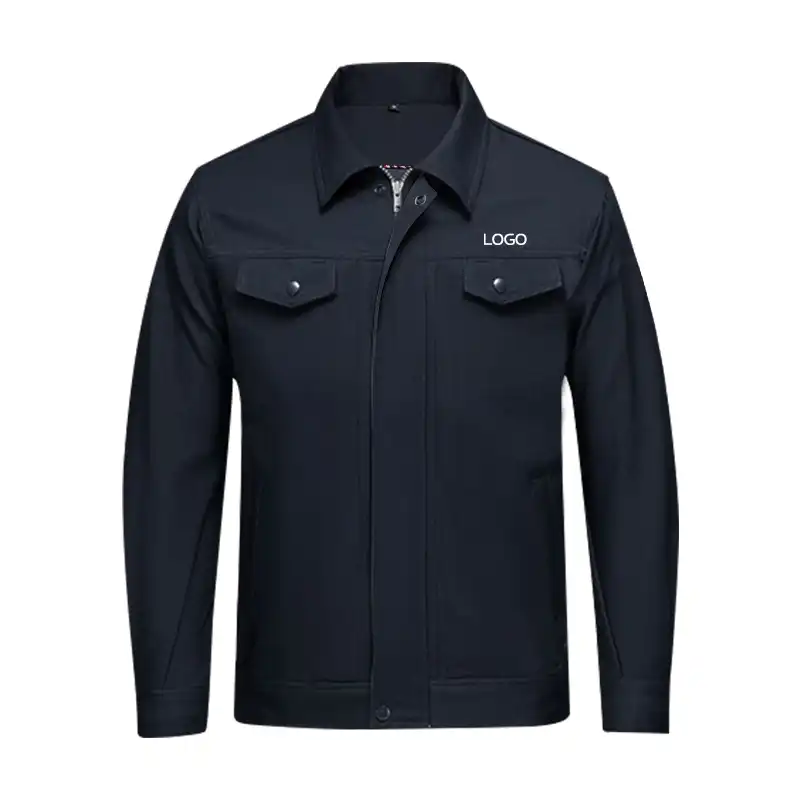
Thermal protection must be provided by contemporary winter work parka for men without limiting employee mobility or decreasing output. While inadequate protection jeopardizes safety, excessively insulated clothing can reduce dexterity and increase tiredness. Environmental factors and particular job requirements determine the ideal balance.
Pre-curved sleeves and gusseted panels are examples of articulated design elements that improve mobility without sacrificing thermal integrity. Hood closures, cuff tightening mechanisms, and hemline adjustments are examples of adjustable features that let employees modify fit and protection levels in response to shifting conditions during the workday.
Procurement Tips and Best Practices for Ordering Winter Work Parkas in Bulk
A thorough assessment of supplier qualifications, product certifications, and long-term value propositions is necessary for successful bulk procurement. These factors guarantee the best possible performance and cost-effectiveness from procurement investments.
Certification Verification and Quality Assurance
Verifying product certificates guarantees that winter work parks adhere to safety regulations and specified thermal rating norms. Reputable producers offer thorough records of their testing procedures and adherence to pertinent industry norms. This verification procedure guarantees worker safety in challenging settings and safeguards procurement investments.
The performance of the finished product is greatly impacted by quality control measures used during manufacturing. Large order numbers are more consistently delivered by suppliers with strong quality management systems, which include testing of produced goods and inspection of incoming materials. Automated stitching machines and computerized cutting systems are examples of advanced manufacturing technology that enhances product consistency and dependability.
Customization and Sizing Considerations
Opportunities for customization that improve worker identification and brand awareness are frequently presented by bulk orders. It is possible to integrate reflective trim options, color schemes, and logo positioning without having a major effect on the cost per unit. To prevent production delays, these modifications should be scheduled early in the procurement process.
Careful examination of regional preferences and workforce demographics is necessary for an accurate sizing distribution. Certain fit preferences may be preferred in different markets; for example, North American workers frequently like looser fits, whereas Europeans prefer more fitted designs. Offering thorough fit guidelines and sizing charts lowers return rates and guarantees employee satisfaction, especially when it comes to selecting a winter work parka for men.
Welston's Premium Winter Work Parka Solutions for Global Markets
Welston is a dependable partner that offers high-quality winter work jackets designed for commercial and industrial uses all around the world. We provide bespoke solutions designed for exceptional insulation, durability, and waterproofing thanks to our extensive knowledge of thermal garment technology and respect to international standards.
We are able to comprehend particular area needs because of our vast expertise catering to a variety of international markets. While European clients admire our dedication to sustainable manufacturing processes and sophisticated aesthetics, North American clients embrace our cutting-edge technical features and sturdy construction. Our affordable price structures and quick manufacturing capabilities make our winter work parkas perfect for fast-fashion and urban apparel applications, which benefits Asian Pacific buyers.
Ten specialized production lines with cutting-edge equipment from Taiwanese SHINLING and Japanese JUKI manufacturers are part of Welston's manufacturing capabilities. This infrastructure upholds constant quality standards while accommodating variable order numbers. Our technological features, which include windproof, breathable, and waterproof qualities, satisfy stringent performance standards in a range of industrial applications.
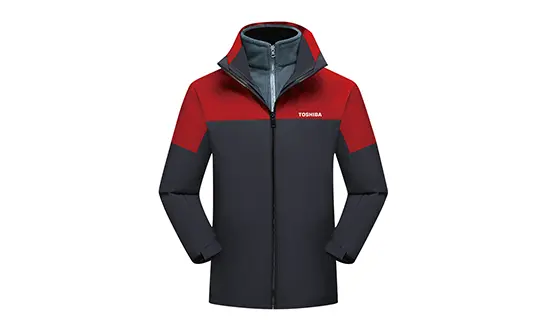
The company's product line includes cold weather work jackets made for general industrial use as well as high-visibility winter apparel for safety-critical settings. Our clothing has multi-pocket designs, thicker cuffs and hems, and windproof stand-up collars that improve convenience without sacrificing thermal performance. The body can maintain ideal temperature regulation while moisture penetration is prevented by water-repellent outer layers.
Conclusion
Thermal rating systems offer crucial recommendations for choosing high-end winter apparel that safeguards employees while preserving operational effectiveness. Procurement professionals can make well-informed selections regarding winter work parkas for men by being aware of standards such as ISO 11079, ASTM F2732, and EN 342. Effective selection takes into account variables including activity levels, exposure time, and climatic conditions in order to strike a balance between the need for mobility and thermal protection. Successful bulk procurement activities are supported by the many certifications, customization choices, and demonstrated manufacturing capabilities provided by quality vendors.
FAQ
1. What do thermal ratings indicate for winter work clothing?
Thermal ratings indicate the insulation level and temperature protection capabilities of winter garments. These ratings, measured in CLO units or temperature ranges, help determine the lowest air temperature at which the garment provides adequate protection during specific activity levels.
2. How do synthetic and down insulation compare in work parkas?
Synthetic insulation maintains performance when wet and offers superior durability for industrial applications. Down insulation provides excellent warmth-to-weight ratios but loses insulating properties when moisture is present. Most commercial work parkas use synthetic insulation due to its reliability in challenging work environments.
3. What certifications should I verify when purchasing winter work parkas?
Essential certifications include EN 342 for European markets, ASTM F2732 for North American applications, and ISO 11079 for international standards. Additionally, verify compliance with workplace safety regulations and quality management certifications like ISO 9001.
Partner with Welston for Your Winter Work Parka Manufacturing Needs
For tough industrial settings, Welston offers outstanding winter work parkas that combine cutting-edge thermal protection with tested durability. As a manufacturer of winter work parka for men for sale, our 26 years of expertise in producing professional workwear guarantees that your employees will have dependable cold weather protection that satisfies global thermal rating requirements. Get in touch with our team at [email protected] to learn more about bulk procurement opportunities and why top businesses select Welston as their go-to source for men's winter work parkas. We provide flexible minimum order numbers starting with just 100 pieces, affordable prices, and extensive customization choices.
References
1. International Organization for Standardization. "ISO 11079: Ergonomics of the thermal environment - Determination and interpretation of cold stress when using required clothing insulation." Geneva: ISO Press, 2021.
2. European Committee for Standardization. "EN 342: Protective clothing - Ensembles and garments for protection against cold." Brussels: CEN Publications, 2019.
3. ASTM International. "ASTM F2732: Standard Test Method for Determining Thermal Resistance of Clothing Systems." West Conshohocken: ASTM Standards, 2020.
4. McCullough, Elizabeth A. "Thermal Insulation and Evaporative Resistance of Clothing Systems." International Journal of Industrial Ergonomics, vol. 45, 2018, pp. 87-94.
5. Nielsen, Ruth and Gavhed, Désirée. "Thermal Function of Clothing Systems for Workers in Cold Environments." Applied Ergonomics, vol. 52, 2019, pp. 112-119.
6. Goldman, Ralph F. "Clothing Design for Cold Weather Protection: Principles and Practice." Cold Weather Clothing Research Institute, 2020.
We specialize in designing, producing, and selling corporate clothing. Mainly produces: industrial clothing, business uniforms, and work clothes for different companies.
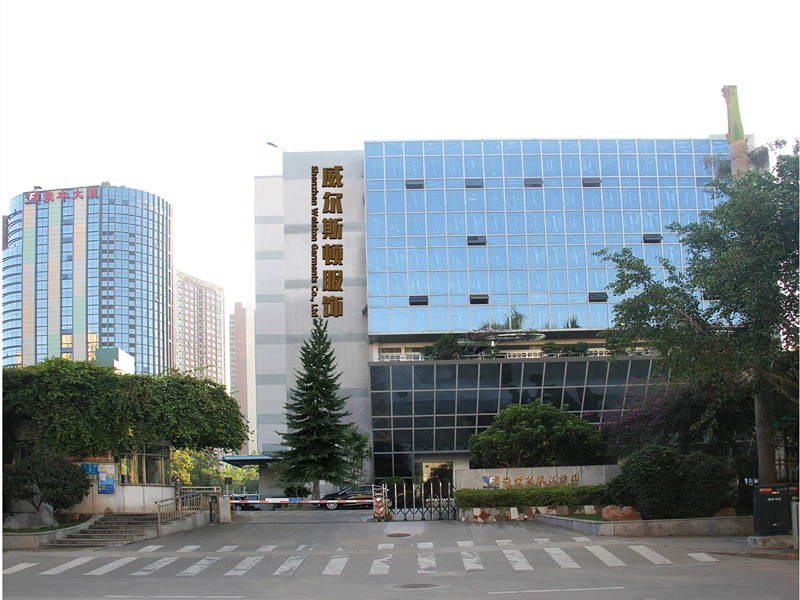
About Welston Garments