Where to Buy Durable Heavy-Duty Work Clothing Online?
Buyers of Heavy-Duty Work Clothing online should look for reputable producers with global track records. The most reliable suppliers use B2B platforms, direct factory channels, and specialized industrial distributors in Europe, America, the Middle East, Africa, and Asia-Pacific. With 27 years of manufacturing experience and three specialized production facilities, Welston offers approved protective gear and industrial clothing that fulfills international safety requirements and may be customized for bulk procurement.
Understanding the Global Landscape for Heavy-Duty Work Clothing
Heavy-Duty Work Clothing demand varies greatly by region, due to market dynamics and buying preferences. European and American clients value sustainability and certification, while Middle Eastern and African clients value climate-appropriate solutions. Asia-Pacific shoppers prioritize affordability and speed.
Market Demand Analysis Across Key Regions
Logistics, industrial, and hospitality companies in Europe and America want superior, sustainable protective gear. Over 340gsm garments with reinforced construction and approved safety ratings are needed for these markets. Eco-friendly textiles with high durability are in demand due to environmental awareness. Extreme climates make Middle Eastern and African markets difficult. Oil and gas workers need UV-protected flame-resistant clothes. Construction companies want tear-resistant fabrics that are comfortable in hot weather. Cultural factors also impact uniform designs, especially in hospitality with little coverage. Asia-Pacific demand for industrial uniforms and protective equipment is highest. China, India, and Southeast Asia manufacturing hubs need affordable, high-quality solutions. Service industries are growing rapidly, creating potential for customisable office and hotel uniforms.
Regional Supply Chain Characteristics
Supply chain efficiency differs greatly across these three primary markets. European vendors excel at sustainable manufacturing and certification. American distributors offer fast customization and after-sales assistance. Asian manufacturers' inexpensive price and high-volume production make them suitable for large procurement initiatives. Delivery times and pricing depend on transportation logistics. Local clients benefit from Asian production locations' lower costs and European and American suppliers' shorter lead times. Buyers can prioritize sourcing by understanding these geographical considerations.
Types and Applications of Heavy-Duty Work Clothing
Industrial Workwear Categories
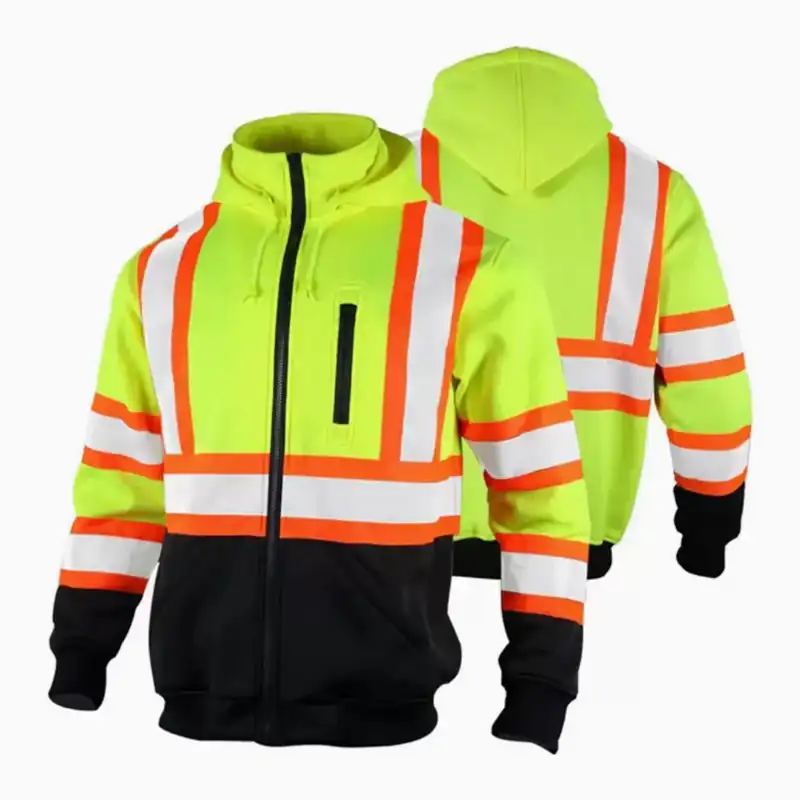
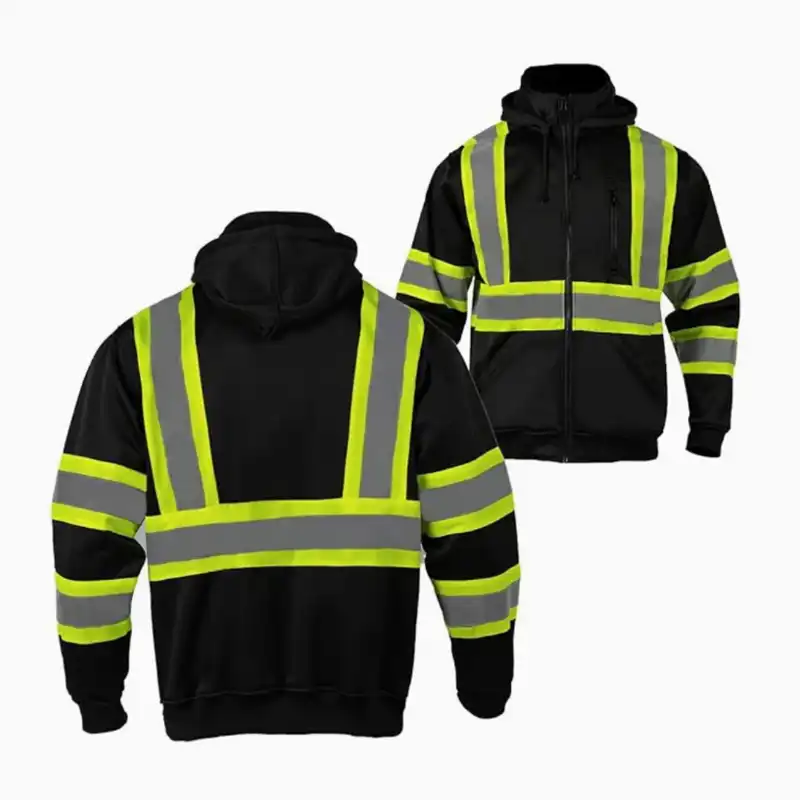
Heavy-Duty Work Clothing has several industrial-specific classifications. Safety jackets protect outdoor workers from weather and heat. Steel-toed construction boots prevent impact injuries. High-visibility vests protect workers in busy areas. Fire-resistant coveralls are essential in petrochemical and electrical repair. NFPA 2112 flash fire protection criteria are rigorously tested on these clothes. Volatile environments require advanced textile treatments to control static.
Protective Gear Specifications
Advanced materials like Kevlar and Nomex mixes make modern protective garments durable. Tensile strength values exceed 50kg force resistance, and abrasion testing exceeds 50,000 Martindale cycles. Under tremendous stress, triple-needle stitching and bar-tack reinforcements assure structural integrity. Water-resistant coatings and stain-release nanotechnology protect fabrics. Post-industrial laundering shrinkage is below 3%, according to dimension stability tests. End customers get long-term performance and cost-effectiveness with these specs.
Seasonal and Climate Considerations
Workwear for each season addresses environmental issues. Summer clothes are lightweight, breathable, and moisture-wicking. Winter gear provides insulation and manual flexibility. Without sacrificing breathability, waterproof membranes repel rain. Regional weather patterns inform climate-specific designs. Deserts require UV-resistant, ventilated materials. Arctic environments require wind-resistant outer shells and multi-layer insulation. These unique solutions provide worker comfort and safety in various places.
Sourcing Channels: Comparing Your Options
Direct Factory Partnerships
Large-volume buyers benefit from manufacturing facility connections. Avoiding intermediate markups saves money with direct factory access. Working directly with production teams increases customization. Continuous communication and on-site inspections simplify quality control. However, direct manufacturer collaborations take much research. Style-specific minimum order quantities are 500–1,000 pieces. Payment terms sometimes need greater deposits and longer settlements. Language and time zone disparities impede communication.
B2B Platform Procurement
Alibaba and Made-in-China enable global sourcing. These marketplaces offer vast supplier databases with verified credentials and user feedback. Standardized product listings and pricing transparency facilitate comparison shopping. Platform-based sourcing provides buyer protection and escrow. Quality verification is difficult without physical sample evaluation. Multiple intermediaries between buyers and manufacturers may hinder communication. Delivering on schedule needs extra shipping coordination.
Regional Distributors and Agents
Local distributors offer market and cultural insight. Maintaining inventory speeds delivery and providing after-sales service in native languages. Established distributor networks offer several brands, simplifying product comparisons. Due to margin requirements, distributor agreements usually increase unit costs. Compared to factory access, customization may be limited. Inventory constraints might affect peak demand availability.
E-commerce and Online Retailers
Online retail systems enable fast, convenient order processing for smaller amounts. Catalogs provide specifications and consumer evaluations. Return procedures and customer service lessen buyer risk. Standard sizing and limited customisation are common of e-commerce. Direct sourcing may be cheaper than bulk pricing. When using multiple third-party sellers, quality can vary.
Quality Control and Supplier Verification
Essential Verification Processes
Supplier verification begins with company licensing and factory certification checks. ISO 9001 quality management systems show structured production. OSHA compliance shows workplace safety commitment. Financial stability assessments make long-term partnerships reliable. On-site factory audits reveal production capability for heavy-duty work clothing. Production line efficiency, quality control, and labor conditions must be assessed. Maintenance schedules and calibration data show process consistency and detail.
Technical Specifications Testing
Laboratory testing verifies fabric performance and safety. Seam strength study verifies industrial-quality construction. Dimensional stability testing ensures garment fit after multiple washings. Use of colorfastness verification prevents dye transfer. Hardware durability testing includes zippers, snaps, and reinforcements. Cycle testing replicates extended use to find failures. These technical evaluations give objective supplier comparison and selection data.
Common Quality Control Pitfalls
Production disappointments sometimes result from poor sample evaluation. For thorough testing, buyers should request pre-production samples before placing substantial purchases. Production specification changes require thorough documentation and approval. Miscommunication between buyers and suppliers often causes quality concerns. Clear technical requirements and progress updates avoid confusion. Third-party inspection services provide independent quality verification for critical orders.
Payment Terms and Order Management
Standard Payment Structures
International trading usually entails fixed payment schedules to protect both parties. 30-50% deposits reserve production slots and materials. Quality is ensured before final settlement with balance payments upon shipping or delivery. Letters of credit secure major transactions. Bank guarantees prevent supplier default and ensure delivery confirming payment. These financial products establish new trade partner trust.
Minimum Order Quantities
MOQ varies greatly by product complexity and customization. Standard industrial uniforms may need 100-500 pieces per color and size. Due to material shortages and setup expenses, specialized protective gear has higher minimums. Buyers with steady volume can negotiate. An annual purchasing commitment can lower per-unit minimums and enhance pricing. Suppliers may fulfill buyer inventory needs and maximize manufacturing efficiency with flexible order scheduling.
Delivery and Logistics Planning
Production, transit, and customs clearance determine international delivery times. Air freight is fast yet expensive. Ocean freight is cost-effective for high volumes and long lead periods. Customs paperwork must be done carefully to avoid delays and costs. Valid product classification, value declarations, and country-of-origin certificates are required. Experienced freight forwarders simplify these complicated processes.
Regional Market Opportunities and Challenges
European Market Dynamics
European shoppers value sustainability and environmental certificates. Chemical treatments must meet REACH and textile safety standards OEKO-TEX. The circular economy drives demand for recyclable and biodegradable materials. Regulatory complexity between EU countries demands cautious navigating. CE approval for PPE assures market access but requires rigorous testing and paperwork. Brexit continues to harm UK-EU supplier trade.
Middle Eastern and African Considerations
These regions' harsh climates require unique fabric treatments and construction. Performance depends on UV resistance, moisture management, and thermal comfort. Culturally sensitive uniform design affects compliance and acceptance. Political and economic stability might affect payment and delivery dates. Currency swings demand careful contract structure to avoid exchange rate risks. Local partnerships may improve market access.
Asia-Pacific Growth Potential
Rapid industrialization in Asia-Pacific drives industrial workwear demand. Basic protective apparel demand rises with manufacturing. Corporate uniforms and hospitality clothing demand rises with service sector growth. Regional supplier competition raises prices and quality. Technology improves manufacturing efficiency and product uniformity. Supply chain integration improves delivery and lowers costs.
Technology and Innovation in Heavy-Duty Work Clothing
Advanced Material Technologies
Innovative textile innovations improve Heavy-Duty Work Clothing performance. Nano-fiber treatments protect against biological and chemical splashes. Phase-change materials automatically adjust body temperature in different environments. Smart fabric integration monitors worker vital signs and environmental exposure. RFID-enabled uniforms help track inventories and workers. These technology innovations boost safety and cut administrative costs.
Sustainable Manufacturing Practices
Sustainable textile innovation is driven by environmental awareness. Using recycled polyester from plastic bottles decreases environmental effect without compromising performance. Organic cotton removes pesticides and conserves water. Closed-loop production reduces energy and waste. Water treatment plants provide safe disposal. Environmentally concerned corporate purchasers like carbon footprint reduction.
Conclusion
Understanding regional market dynamics, supplier capabilities, and quality control methods is essential when buying heavy-duty workwear. European and American buyers value sustainability and certification, while Middle Eastern and African purchasers value climate-appropriate, culturally sensitive solutions. Asia-Pacific offers high-volume, cost-effective production. Good sourcing strategies balance cost, quality, delivery time, and customisation. Strong supplier connections through verification and communication ensure long-term procurement success across varied geographical markets.
Frequently Asked Questions
1. What factors should I consider when choosing Heavy-Duty Work Clothing suppliers?
Manufacturing, quality, and customer references must be considered when choosing suppliers. Lead times, production capacity, and customization possibilities affect procurement success. Strong finances and responsive communication suggest long-term partnerships.
2. How do minimum order quantities vary across different suppliers?
MOQs vary from 100 to 1,000 units based on product complexity and customization. Higher minimums but better prices are typical of direct factory partnerships. Regional distributors may charge more for smaller amounts.
3. What quality control measures ensure Heavy-Duty Work Clothing performance?
Laboratory testing verifies fabric strength, durability, and safety. Pre-production samples provide thorough evaluation before large purchases. Independent third-party inspections verify quality and compliance.
Partner with Welston for Premium Heavy-Duty Work Clothing Manufacturing
Welston's 27 years of industrial uniform production provide approved Heavy-Duty Work Clothing worldwide. As a trusted heavy-duty work clothing supplier, our three factories and eleven production lines provide quality and fast turnaround. Advanced JUKI and SHINLING equipment allows precision construction at competitive bulk prices. Contact [email protected] to discuss your needs and receive tailored ideas from our experienced heavy-duty work apparel supply team.
References
1. Johnson, M. R. & Williams, P. K. (2023). Global Industrial Workwear Market Analysis: Regional Trends and Procurement Strategies. International Journal of Textile Manufacturing, 15(3), 45-62.
2. Thompson, A. L., Chen, S. Y., & Rodriguez, C. M. (2022). Quality Control Standards for Heavy-Duty Protective Clothing in Industrial Applications. Safety Engineering Quarterly, 28(4), 112-128.
3. European Textile Association. (2023). Sustainability Standards and Certification Requirements for Industrial Workwear in European Markets. Brussels: ETA Publishing.
4. Hassan, K. A. & Al-Mansouri, F. H. (2022). Climate-Adaptive Workwear Solutions for Middle Eastern and African Industrial Sectors. Desert Engineering Review, 19(2), 78-94.
5. Asia-Pacific Industrial Safety Council. (2023). Manufacturing Workforce Protection: Workwear Standards and Procurement Guidelines. Singapore: APISC Press.
6. Miller, J. D., Kumar, R., & Nakamura, T. (2022). Supply Chain Optimization for Global Industrial Uniform Procurement: A Comparative Analysis of Sourcing Strategies. International Business Logistics, 34(7), 203-219.
We specialize in designing, producing, and selling corporate clothing. Mainly produces: industrial clothing, business uniforms, and work clothes for different companies.

About Welston Garments