Which Work Trousers Are Perfect For You?
Your business, workforce safety needs, and working surroundings must all be carefully considered when choosing the right work trousers. The ideal pair strikes a mix between ANSI-compliant safety, long-lasting use, and worker comfort, whether you're in charge of building crews, logistics teams, or manufacturing operations. Professionals all over North America look for knee pad pockets, stronger stitching, and fabric that is strong enough to handle daily wear and tear while still letting them move freely. When you know about fabric technologies, safety standards, and useful features, you can turn buying choices into smart investments that save money on replacement costs and make workers happier.
Understanding the Different Types of Work Trousers
To choose the right business clothing, you must first understand the different types that are out there and how they can be used in different work situations.
Standard Cargo Trousers for Multi-Industry Use
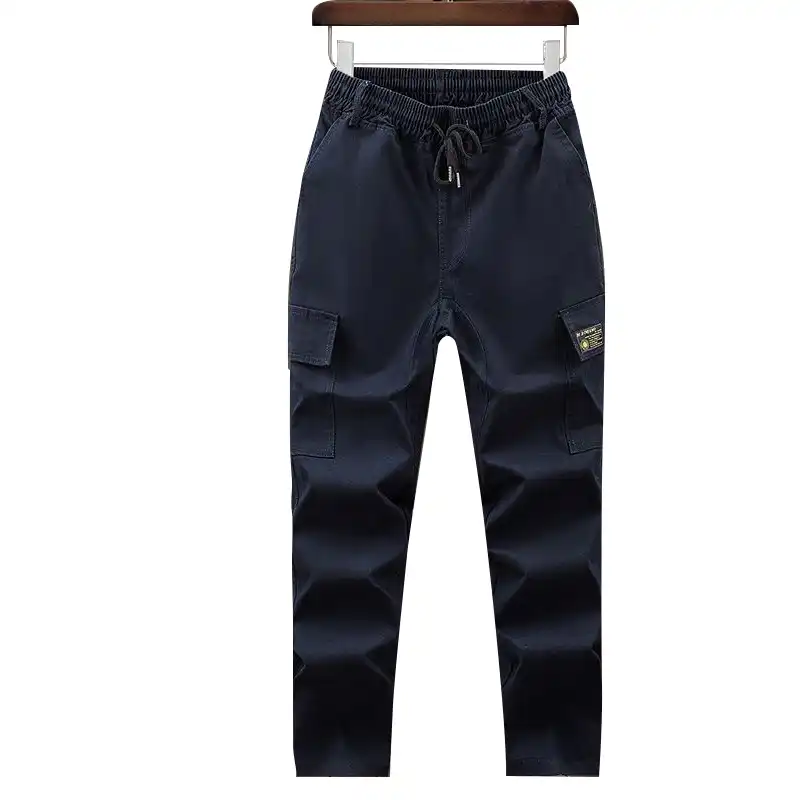
In the building, transportation, and light industrial industries, cargo-style work trousers have become crucial. These clothes are easy to spot because they have large side pockets that make it easy to carry tools without having to use extra belts or bags. Because they are made from a mix of cotton and synthetic materials, they let air flow and have good break resistance. The loose fit makes it easy to move around, bend over, and climb, which are all popular tasks on construction sites. Welston's cargo choices have strengthened pocket sides and bar-tack stitching at stress points, which makes the clothes last longer even with light daily use.
Reinforced-Knee Options for Trade Professionals
A lot of the time, trade workers like electricians, plumbers, and HVAC techs have to stand on hard surfaces. By incorporating specific padding pouches into the leg structure, reinforced-knee work trousers solve this problem. You can put foam or gel plugs in these pockets to protect the knee joint and spread the pressure out properly. Besides being comfortable, this form also lowers the chance of long-term injury and joint strain. Abrasion-resistant fabric panels, often Cordura-reinforced, are used in the knee zones. These panels are much better at protecting against scraping against concrete or dirt than regular cotton drill.
High-Visibility Trousers for Safety-Critical Environments
High-visibility work trousers that meet ANSI/ISEA 107 standards are needed by roadwork teams, warehouse workers, and transportation workers who work near moving cars. These clothes have a bright background (usually polyester to keep its color) and retro-reflective tape on the lower body to make it stand out in low light. Welston's high-visibility choices have these safety features built in without limiting your range of motion or ability to use your pockets. This helps with compliance and operational efficiency in US distribution centers and transportation hubs.
Stretch-Fabric Trousers for Enhanced Mobility
In today's workplaces, safety and flexibility are becoming more and more important in work trousers. Four-way stretch zones are created at the crotch gusset, knees, and back yoke of stretch work trousers by combining elastane or spandex fibers with cotton and polyester. This "body-mapping" method gives workers the freedom they need when they're squatting, climbing, or reaching high. This means less wear and tear and fewer zipper blowouts, which are a popular way for rigid fabrics to fail. Heavy-duty welding and foundry work are not possible in these clothes, but they are perfect for jobs like construction supervisor, facility maintenance, and car service.
Performance is also affected by the technology used in the fabric. Natural cotton breathes well and doesn't catch fire, but it soaks up water and dries slowly. Polyester-cotton mixes (usually 65/35 ratios) dry faster and keep their shape better after being washed more than once, but they may pill over time. Modern synthetics like ripstop nylon are very resistant to tears and very light, which makes them perfect for jobs that need to be done outside in warm weather or that require a lot of walking.
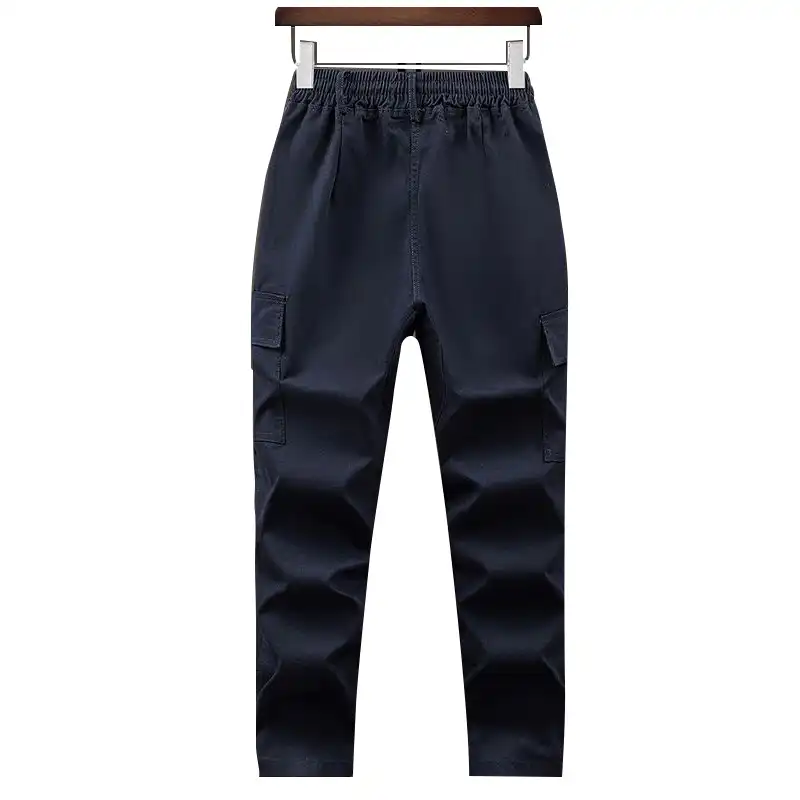
How to Choose the Perfect Work Trousers for Your Business Needs
Instead of just looking at price or brand recognition, people who work in procurement need to make sure that the clothing requirements match up with the real working conditions.
Assessing Workplace Hazards and Safety Certifications
Start by making a list of the specific risks that your employees face every day. When rebar or sharp metal edges are visible on construction sites, fabrics that don't tear easily and seams that are strengthened are needed. When working with electrical panels, anti-static qualities are needed to keep sparks from starting fires. Outdoor logistics teams that work all year need coats that don't get wet but still let air pass through. Match these dangers to the right safety standards. For example, ANSI covers sight and impact protection, and ASTM covers resistance to flames. Welston's design team works with procurement managers to figure out what certifications are needed for U.S. markets. This makes sure that all requirements are met without going overboard and adding to costs.
Evaluating Durability Versus Comfort Trade-offs
Heavy fabric work trousers can take a lot of wear and tear, but they also make it hard to move around and keep heat in during the summer. While lightweight ripstop materials are more comfortable, they may tear if they are stressed for a long time. The best choice relies on how hard and how long the job is. Stretch mixes that let air flow are good for people who occasionally load boxes in a distribution center, but thicker, more durable cotton-poly materials are always needed by construction framers who work with lumber. Think about weather change strategies: wear lighter clothes in the summer and warmer ones when you work outside in the winter. This method makes employees happier while keeping the number of replacements to a minimum.
Functional Features That Enhance Operational Efficiency
Aside from basic safety, smart pocket placement and closure methods have a big effect on how much work gets done. With hammer loops and D-rings, you don't need to carry two different tool belts, which is better for your back. Thigh pockets with zippers keep phones and papers safe while you move. Double-layer knee supports make clothes last longer in jobs that require a lot of crouching. Waistbands that can be adjusted with stretchy strips let you wear layers underneath and change your weight. Welston changes these features based on discussions with clients. For example, we change the types of fasteners and pocket configurations to match the way that big stores, building firms, and logistics companies we work with work.
To balance limited funds with high standards of quality, you need to know the total cost of ownership. Over two years, a $30 pair that lasts six months costs more than a $50 pair that lasts eighteen months. Find out how much your present inventory costs to replace every year, and then guess how much you could save by buying better options. Welston's bulk price structures, which start at 100 pieces, save money while keeping strict quality control across all three of our factories, which are equipped with JUKI and SHINLING machines.
Comparing Popular Work Trousers Brands and Solutions
Knowing the different options on the market helps buying teams make smart choices that are in line with budget and business needs for work trousers. Well-known names like Dickies and Carhartt control the workwear market in North America thanks to their large marketing networks and reliable quality. Dickies focuses on affordable cotton-poly mixes that are good for light to middling duty. They come in a lot of different sizes and are always available. Carhartt makes heavy-duty work clothes with duck canvas materials and triple-stitched seams. These clothes are very expensive, but they last a very long time. Helly Hansen's waterproof-breathable technologies are aimed at the marine and outdoor industries. Caterpillar, on the other hand, uses the reputation of its machine name to sell mid-range industrial clothing.
To evaluate these options, look at fabric weight (ounces per square yard), stitch density (stitches per inch), and hardware quality (YKK zippers vs. inexpensive substitutes). Heavy cloths protect against wear but reduce ventilation. Though it prevents seams from falling apart, dense stitching may stiffen and awkwardly position garments. While premium technology isn't expensive, it improves user experience by operating more smoothly and lasting longer.
Companies pick branded or private-label solutions based on their priorities. Brand-named items are more expensive and can't be altered, but they have established quality standards and make guarantee claims simpler. Welston and other private-label manufactures provide brand embroidery, unique pocket layouts, and custom sizes at low wholesale pricing. We've worked with Panasonic, Benz, and Toyota for 26 years, proving we can achieve high quality requirements and provide flexibility that off-the-shelf items can't. Supplier relationships outlast purchases. Reliable manufacturers can manage urgent orders at busy periods, maintain quality, and provide timely technical support for size or specification issues. Welston's dedicated after-sales staff responds to inquiries within 24 hours and provides solutions to optimize customers' operations. With three facilities and 10 manufacturing lines, we can maintain capacity during peak demand. This reduces lead times and stock outages for enterprises with one facility.
Practical Tips for Work Trousers Care and Maximizing Longevity
How long clothing last and how much they cost depend on care recommendations as much as what to purchase. Cotton-poly mix trousers may be washed multiple times at 120–140°F without shrinking, although hot water fades colors faster. Turn clothing inside out before washing to avoid machine wear. Avoid chlorine bleach, which weakens fibers and yellows clothes. Oxygen-based stain removers are safe for textiles. Choose medium heat over hot, which may establish creases and stress seams. Remove it immediately to prevent creasing and wear lines.
Specialized work pants need special care. Waterproof clothing lose their coating when washed with fabric softeners or dried too hot. Technical wash solutions for flexible membranes and hang-drying help preserve waterproof garments. Flame-retardant trousers must be washed in pH-neutral soaps at particular temperatures to maintain their chemical treatments. Consult the manufacturer's directions before washing. Washing high-visibility garments apart from denim or canvas, which destroy bright surfaces, prolongs their reflecting properties.
Simple fixes don't cause significant issues when done immediately. Bar-tack sew early-wear pockets' corners to strengthen them before holes appear. Broken buttons should be replaced immediately to prevent zipper tension. Iron-on patches that match the base material may repair tiny rips. Repairs take minutes and cost pennies but last months. Make a basic inspection system so staff may report damage during weekly check-ins. This will assist repairmen organize issues.
Safety and cost savings depend on knowing when to fix. When knee supports flatten out and don't cushion effectively, seams fall apart more than an inch, or wear and tear thins fabric in easy-to-tear areas, get rid of the pants. Change high-visibility gear when bright tape falls off or fluorescent fabric fades below requirements. Detailed replacement records help identify patterns like fast-wearing fashions or work situations that accelerate wear and tear, which informs future purchases.
Where and How to Purchase Work Trousers Efficiently
Strategic buying looks at suppliers, negotiates with them, and manages orders in a way that saves money and makes the supply chain for work trousers more reliable. Through direct access to manufacturers and no markups for distributors, online B2B sites offer a wide range of products at reasonable prices. Platforms make it easy to compare specifications side by side and look at customer reviews, which helps with quality evaluations. Centralized buying systems make it easier for companies with sites in different places to buy things. But when you buy something online, you need to carefully check the seller. Before you buy a lot, make sure you look over your business registration papers, ask for fabric certification reports, and order samples. During the quotation process, Welston communicates clearly by giving clear technical specs and third-party test results that back up claims of compliance.
Local stores that sell work clothes make it easy to get what you need right away and let you try things on, which is helpful for first trials or quick replacements. The hand-feel of the fabric, the ease of access to pockets, and the fit are all things that are hard to judge from online accounts. Local sellers usually keep a range of popular sizes in stock, which makes it easier to fill small orders quickly. The trade-off is higher costs per unit and fewer ways to customize compared to working directly with manufacturers. Many procurement teams use a mix of tactics, keeping ties with local suppliers for pressing small-volume needs and teaming up with manufacturers like Welston for planned large orders where longer lead times are worth it for customization and cost savings.
When you negotiate bulk price, you can use the size of the order to get better terms. Talk about payment flexibility, such as longer terms, payments based on milestones for big projects, or savings for paying early. Check out value-added services like free storage for alternating orders, custom packing that makes shipping to multiple locations easier, or co-branded hangtags for company uniform programs. At Welston, you can customize your order by adding your name, choosing the fabric, and getting unique size charts made from your employees' measurements when you place an order of at least 100 pieces. Our flexible payment models can handle different cash flow needs while keeping production plans on track.
Standard goods can become key differentiators when they can be ordered in a custom way. Choose pocket shapes that fit your tools and equipment, fabric weights that are best for your area's weather, or brand-consistent details like adding company colors to the belt. Custom programs need more money up front to build specifications and often take longer to produce, but they give clothes that are perfectly matched to operational needs instead of making workflows change to generic goods. The design team at Welston helps with the specification process by giving expert advice based on similar projects while still taking your individual needs into account.
Conclusion
Safety compliance, practical usefulness, employee comfort, and the total cost of ownership over the lifetime of the garment must all be taken into consideration when choosing the best work trousers. Professionals in procurement need to take a thorough look at the dangers in the workplace, match fabric technologies and design features to specific jobs, and build partnerships with suppliers that provide consistent quality and quick service. Proper care instructions make clothes last longer, which has a direct effect on how often they need to be replaced and how well the budget works. When making strategic sourcing decisions, it's important to know the technical details that separate good products from the best ones. This is true whether you're looking for reinforced knee protection for trade professionals, high-visibility compliance for logistics operations, or stretch-fabric mobility for facility maintenance teams.
FAQ
1. Are work trousers waterproof?
Work trousers made of cotton or cotton-poly have poor water protection because they soak up water when it rains or is wet. Specialized waterproof choices have chemical coatings or layered materials that stop water from getting in but let sweat vapor escape. These clothes meet EN 343 or similar standards that list scores for water column pressure protection and breathability. Work trousers that can withstand water are ideal for jobs like landscaping, building, and utility care that require frequent exposure to the elements.
2. How many pockets should professional work trousers have?
Different jobs have different pocket needs. Hammer loops, multiple luggage pockets, and ruler pockets help construction workers keep their tools organized without having to wear different belts. Electricians need pockets with tight closures that keep small parts from falling out when they move. Logistics workers put phone and document pockets that are easy to get to at the top of their list. Welston changes the layout of pockets based on what the customer wants, making sure that the designs of the clothes suit specific work patterns instead of forcing standard layouts.
3. What fabric weight is best for durability?
For most industrial uses, fabric weights between 8 and 12 ounces per square yard are the best mix of comfort and longevity. Heavy loads (12–14 oz) are good for building and heavy industry, but they can be dangerous in hot weather. Lighter weights (6–8 oz) let more air flow and are better for office work or light assembly work, but they wear out more quickly. For best performance, match the fabric weight to the level of difficulty of the job and the conditions of the work area.
Partner with Welston for Premium Work Trousers Solutions
In our three plants, Welston uses cutting-edge Japanese and Taiwanese production tools to produce professional-grade work trousers to exacting standards. We've been serving big North American stores, building companies, and logistics companies for 26 years, which shows that we can meet strict durability standards while still letting you make changes. We offer brand embroidery, unique pocket configurations, and a fabric selection that are all made to fit the needs of your workforce. Orders must be at least 100 pieces. Our responsive team, along with 24-hour question response guidelines, makes sure that the procurement process goes smoothly from the initial design to delivery and beyond. To talk about your needs with our sourcing experts and find out why top companies trust Welston as their work trousers source for affordable, legal, and comfy professional clothing, email [email protected].
References
1. Smith, J. & Thompson, R. (2021). Industrial Workwear: Safety Standards and Performance Metrics. Occupational Safety Press.
2. National Safety Council. (2022). Personal Protective Equipment Guidelines for Construction and Manufacturing Industries. NSC Publications.
3. Anderson, M. (2020). Textile Technology in Professional Apparel: Fabric Performance and Durability Analysis. Technical Garment Institute.
4. Williams, K. (2023). Procurement Best Practices for Corporate Uniform Programs. Business Supply Chain Review, Volume 18.
5. Roberts, L. & Chen, P. (2022). Ergonomic Workwear Design: Balancing Protection with Mobility. Journal of Occupational Health and Apparel Science.
6. International Standards Organization. (2021). ISO 13688: Protective Clothing - General Requirements and Test Methods. ISO Technical Documentation.
We specialize in designing, producing, and selling corporate clothing. Mainly produces: industrial clothing, business uniforms, and work clothes for different companies.

About Welston Garments