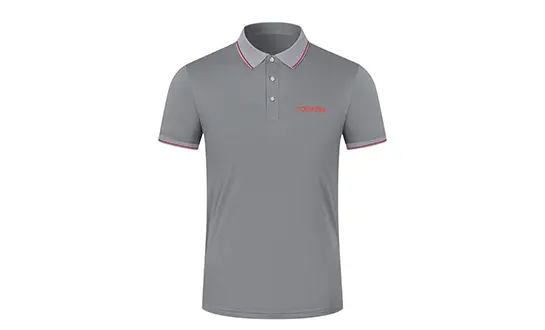
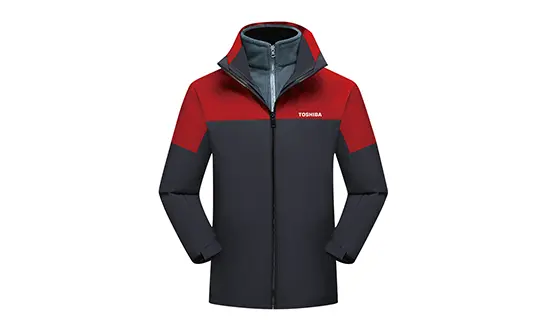
Why Flame Retardant Trousers Are Important?
Flame retardant trousers are an essential line of defence against thermal burns when it comes to protecting workers in dangerous settings. These special clothes don't catch fire and put themselves out when they come in contact with fire, which greatly reduces the seriousness of burns and could save lives. In fields where flash fires, arc flashes, or exposure to hot metal happen every day, buying the right fire-resistant clothing isn't just the law; it's also a way to protect your most valuable asset: your employees. Procurement workers can make choices that combine safety, comfort, and operational efficiency by knowing why these flame-retardant trousers are important. Read about flame-retardant trousers to learn what they are and how they work.
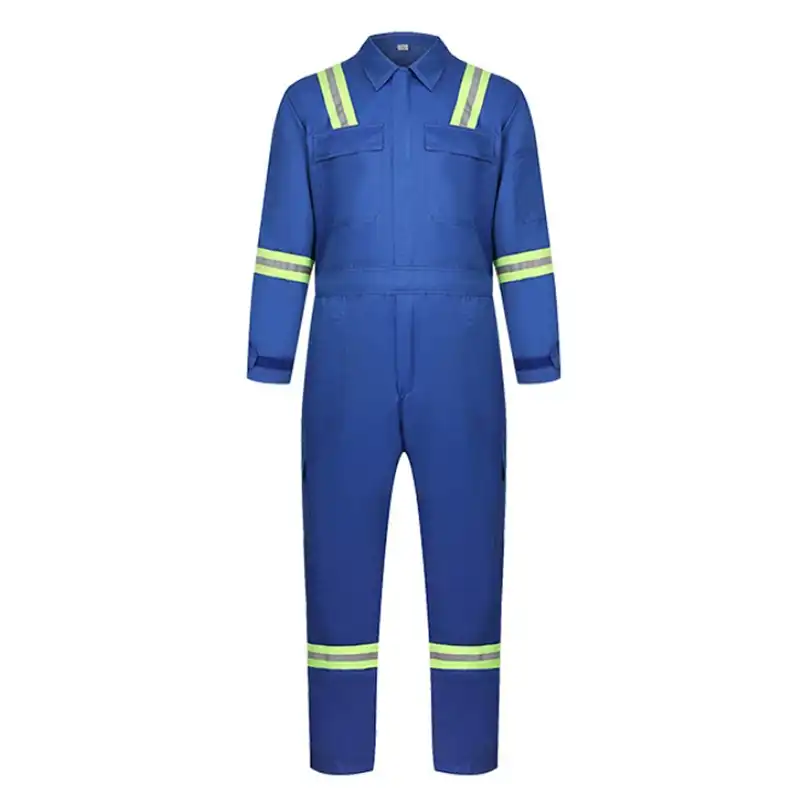
Understanding Flame Retardant Trousers: What They Are and How They Work
The Science Behind Fire-Resistant Protection
Flame retardant trousers are a type of protective clothing that is designed to keep people from getting burned in situations where there is a risk of heat. Unlike regular work pants, which can catch fire and keep burning, these are made of materials that don't catch fire and stop burning as soon as the source of ignition is taken away. Clothing can't act as fuel because of this basic feature, which is often the difference between minor injuries and life-threatening burns. At the molecular level, the protection system works. Flame resistance is built into the fibre structure of materials like Nomex and Kevlar. This means that the safety never wears off or is lost over time. Another popular choice is treated cotton mixes, which are chemically treated to change how the cloth reacts to heat. If you wear these treated materials, they will burn instead of melting, keeping the heat from getting to your skin.
Material Composition and Thermal Performance
The market for flame-retardant trousers is divided into two main groups: fabrics that are naturally flame-resistant and fabrics that have been treated to be flame-retardant. Naturally flame-resistant fabrics are made with chemicals that make them that way. Aramid fibres, like Nomex, can stay strong even when exposed to temperatures over 400°F for a long time. These materials keep their protective qualities throughout the whole life of the clothing, which makes them perfect for workers who are exposed to heat often. Cotton or cotton-blend materials treated with fire-retardant chemicals are used to make treated flame-retardant trousers. While they are usually less expensive and allow more air flow than natural choices, their durability depends on how well they are taken care of. Some soaps and fabric softeners can damage the FR treatment, so following care instructions is important to keep Flame Retardant trousers safe.
Key Benefits of Flame Retardant Trousers for Industrial and Electrical Workers
Critical Protection Against Thermal Hazards
The main benefit of flame-retardant trousers is that they can significantly lessen the intensity of burns. In places where people work with electricity, arc flashes can reach temperatures of over 35,000°F in milliseconds. Normal work pants would catch fire right away, seriously hurting people. Fire-resistant clothing gives workers the extra seconds they need to get out of the danger zone, which can mean the difference between minor burns and being permanently disabled. Every day, there are many places where things can catch fire, like construction sites, welding shops, and factories. There are always risks of sparks from grinding, touching hot objects by mistake, or flash fires from flammable vapours. Wearing protective gear at work keeps heat from getting to your skin by soaking and releasing it. This protection does more than just stop burns from happening right away; it also lowers the percentage of body surface area that is burned, which has a direct effect on life rates and healing times.
Durability That Extends Garment Lifespan
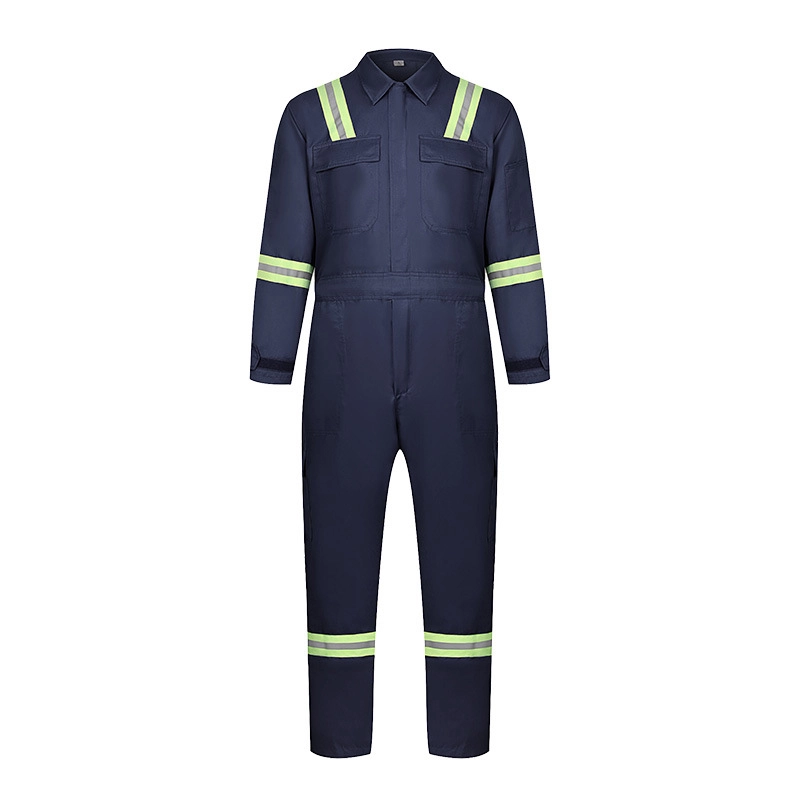
In addition to keeping you warm, these special trousers are also very durable and can be used in harsh work settings. The materials used in fire-resistant buildings are usually better at resisting wear and tear than regular work pants. Heavy-duty zippers, reinforced stitches at stress points, and bar-tack braces at pocket corners make sure that clothes can handle the physical demands of industrial work. For buying teams, this means that the items will last longer and cost less. Although flame-retardant trousers initially cost more than regular work clothes, they typically end up costing less in the long run because they last longer and don't need to be replaced as often. Welston's way of making clothes emphasises this balance by using high-quality materials and precise building methods that have been honed over 27 years in the workwear business. Our factories use high-tech cutting and sewing tools from Japan's JUKI and Taiwan's SHINLING to make sure that the quality stays the same even when we make a lot of items.
Comparing Flame Retardant Trousers with Other Workwear Options
Flame Retardant vs. Fireproof: Understanding the Distinction
A common misunderstanding in acquisition talks is that flame-retardant trousers qualities are the same as safe properties. There is no such thing as "fireproof" clothing that can't be damaged by fire in any situation. Flame retardant trousers don't catch fire and put themselves out on their own, so they only protect you for a short time during thermal events. This difference is important when judging product claims and setting reasonable safety goals. Fireproof materials are mostly used in specialised jobs where workers are constantly in direct contact with flames, like in foundries or fire departments. These clothes usually have aluminium-coated outer layers or are made of heavy leather, which makes them too heavy and hard to move around in for general workplace use. For the majority of industrial, building, and electrical uses, properly approved flame-retardant trousers offer sufficient protection without the discomfort associated with flame retardant trousers.
Standard Cotton Work Pants: Why They Fall Short
Normal cotton work pants don't protect you at all in places with heat hazards. Cotton easily catches fire at low temperatures and keeps burning even after the source of flame is taken away. Ashes from burning cotton can get stuck in the skin, making treatment and healing more difficult. Even more dangerous are synthetic mixes that contain polyester, nylon, or acetate. These materials melt at low temperatures and form serious burns when they stick to skin. Procurement teams frequently worry about their budgets due to the price difference between regular work pants and flame-retardant trousers. But this comparison doesn't take into account the real costs of accidents on the job, like medical bills, workers' compensation claims, lost work time, the chance of being sued, and damage to the company's image. A single burn accident that could have been avoided usually costs a lot more than giving everyone in the group the right safety gear.
How to Select and Procure the Best Flame Retardant Trousers for Your Business
Aligning Protection Levels with Job-Specific Risks
A thorough risk estimate is the first step in effective buying, ensuring you are correctly matching flame-retardant trousers to the risks of the job. According to EN ISO 11611, welders who have to deal with molten metal splash need Class 1 or Class 2 welding protection. This type of protection has certain cloth weaves that let the molten metal roll off without going through. When electricians work on live equipment, they need to wear arc-rated clothes with ATPV ratings that match the amount of possible exposure they can handle, which is found through arc flash analysis. Construction sites have a variety of risks that require a wide range of security. On a single job, workers may come across welding sparks, electrical equipment, flammable liquids, and flash fires. Wearing multi-standard approved clothes gives you full safety, but they usually cost more. When buying, teams are trying to stay within their budgets, and they may choose to dress workers based on their daily tasks instead of giving them all the same clothes.
Certification Verification and Compliance Documentation
Professionals in procurement need to make sure that flame-retardant trousers have the right third-party approval marks, not just what the maker says. Legitimate goods have stickers that say they are certified and list the exact standards that were met, the ATPV or heat transfer index number, and the name of the lab that did the certification. Test results that show compliance before and after thermal exposure and multiple washing cycles should be included in the paperwork. Flame-resistant clothing must be cared for and maintained according to ANSI/ISEA 125 standards, which spell out how to check, clean, and retire clothes. As part of the procurement requirements, suppliers should provide care directions that are in line with these standards. Welston keeps detailed records on all of its protective clothing goods. This helps clients set up safe programmes that meet the needs of insurance companies and government audits.
Strategic Sourcing and Bulk Procurement Benefits
In the market for Flame retardant trousers flame retardant trousers, buying in bulk can save you a lot of money. Companies that make things, like Welston, have tiered pricing systems that reward orders with bigger quantities. For customised goods, the minimum order quantity is as low as 100 pieces. These savings on buying in bulk can help cover the higher costs of protective clothing, bringing the price per unit closer to regular work pants while keeping the important safety features. Corporate clients get more value from customisation choices. The value proposition is improved by adding logo embroidery, unique colour schemes that match the company's brand, and size distribution that is based on the real worker demographics. Welston can meet these customisation requests without having to wait longer for parts. Our 10 production lines and more than 580 employees allow us to keep production plans of four to six weeks, even for first-time orders.
Caring for Flame Retardant Trousers to Maximise Their Lifespan and Safety
Proper Laundering Techniques
Following certain washing instructions is necessary to keep the safe qualities of flame-retardant trousers. Normal laundry soaps will do the job, but fabric softeners should never be used. These goods, which are usually made from gasoline, cover fibres with a flammable substance that can make them less resistant to fire. In the same way, bleach breaks down the chemical structure of both natural and treated FR fabrics, which makes them less thermally protective. Particularly for treated flame-retardant trousers, water temperature is very important. Chemical FR solutions can break down faster if there is too much heat during washing. Most makers say that you should wash in warm water below 140°F, but cold water is better when the dust level allows it. Commercial laundry services that specialise in caring for FR clothing usually do a better job than regular industrial laundry facilities because they know how to handle these unique needs and keep the process under control. How clothes are dried also affects how long they last.
Inspection Protocols and Retirement Criteria
Regular inspections find clothes that need to be taken out of service before they stop protecting people. Damage that can be seen, like tears, holes, or worn spots, means that the structure is failing, which could also affect the FR qualities. If you wear clothes that are contaminated with flammable substances like oils, greases, or solvents that can't be fully removed by washing them, they become less safe and could catch fire. For treated flame-retardant trousers in particular, fading is a crucial sign. Some colour loss is normal, but too much fading could mean that the FR treatment is wearing off. Set inspection schedules—usually every three months in high-wear areas and every six months in moderate-wear areas—should keep track of the garments' state and make choices to retire them. This paperwork backs up compliance programmes and shows that safety management is being done properly.
Conclusion
In settings where thermal dangers are a daily risk, the significance of flame retardant trousers goes far beyond legal compliance. Procurement workers can make choices that balance safety, comfort, and cost-effectiveness by learning about material technologies, licensing standards, and the right way to choose products. The difference between flame-retardant and regular work clothes is not just the type of fabric used, but also the number of accidents that are avoided, the amount of risk that is reduced, and the number of safe trips home each day. If you buy fire-resistant clothes from a reputable company, you can be sure that your employees will be properly protected when it matters most.
FAQ
1. What certifications should I require when purchasing flame-retardant trousers?
The certifications you need rely on your business and the rules in your area. When buying flame-retardant trousers, North American buyers should ask for NFPA 2112 for flash fire protection or NFPA 70E/ASTM F1506 for electrical work, making sure that the ATPV ratings fit the known dangers in the workplace. For European purchases, you need to be certified to EN ISO 11612, and for welding settings, you may also need to be certified to EN ISO 11611. Never just ask for maker statements of compliance; always ask for third-party certification paperwork as well.
2. How do I determine the correct sizing for large orders?
Correct size cuts down on returns and makes sure workers are comfortable, both of which have a direct effect on safety compliance. Ask sellers for specific size charts that show the real measurements of the clothes, not just labelled sizes, which can be different from one manufacturer to the next. By ordering sample clothes in your most common sizes, you can try them on before committing to large orders of flame-retardant trousers. Welston gives detailed measurement instructions and can handle mixed-size orders that match how your team is actually spread out, so there aren't as many fit problems across your whole group.
3. Can flame-retardant trousers provide adequate protection in hot climates?
Modern FR fabrics are good for warm places because they protect against heat while also letting air pass through. Things that are light, around 5 to 7 ounces, offer the most air flow while still meeting safety guidelines. Moisture-wicking treatments make you feel better by keeping your sweat under control. But workers need to know that thermal protective gear naturally insulates some. This is an unavoidable trade-off between safety and comfort, which is why it's especially important in hot areas to follow rules about staying hydrated and taking breaks to rest.
Partner with Welston for Superior Flame Retardant Trousers
A manufacturing partner who comprehends both the technical requirements and the facts of the workplace is necessary to protect your workers with approved flame retardant trousers. Welston has 27 years of experience in making professional clothing for big businesses in North America, Europe, and the Asia-Pacific region. Our three plants and ten production lines give B2B buyers the capacity and freedom they need, whether they need 100 pieces for a specific crew or clothes for thousands of workers in different places. We keep extensive certification paperwork backing ANSI, NFPA, and EN standards compliance as an established provider of flame-retardant trousers. We can customise more than just the embroidery of logos. We can also make changes to features that are specific to your business and offer packing options that make shipping to multiple job sites easier. With more than 580 trained workers and cutting-edge tools from JUKI and SHINLING, we always give partners like Panasonic and Toyota the quality they expect. Email our team at [email protected] to talk about your unique needs for safe workwear. We offer quick help and practical solutions within 24 hours. Our prices are clear for large orders, and we offer flexible payment terms that fit your buying cycle.
References
1. National Fire Protection Association. (2023). NFPA 2112: Standard on Flame-Resistant Clothing for Protection of Industrial Personnel Against Short-Duration Thermal Exposures from Fire. Quincy, MA: NFPA Publications.
2. American Society for Testing and Materials. (2022). ASTM F1506: Standard Performance Specification for Flame-Resistant and Arc-Rated Textile Materials for Wearing Apparel for Use by Electrical Workers Exposed to Momentary Electric Arc and Related Thermal Hazards. West Conshohocken, PA: ASTM International.
3. International Organisation for Standardisation. (2021). ISO 11612: Protective Clothing—Clothing to Protect Against Heat and Flame—Minimum Performance Requirements. Geneva: ISO Publications.
4. Stull, J.O., & Stull, G.G. (2020). Fire Service Protective Clothing and Equipment: Performance, Protection, and Procurement. Fire Protection Research Foundation Technical Report.
5. Shalev, I., & Barker, R.L. (2019). Analysis of Heat Transfer Characteristics of Fabrics in an Open Flame Exposure. Textile Research Journal, 53(8), 475-482.
6. Lawson, J.R., & Twilley, W.H. (2018). Development of an Apparatus for Measuring the Thermal Performance of Fire Fighters' Protective Clothing. National Institute of Standards and Technology Technical Report 1117.
We specialize in designing, producing, and selling corporate clothing. Mainly produces: industrial clothing, business uniforms, and work clothes for different companies.
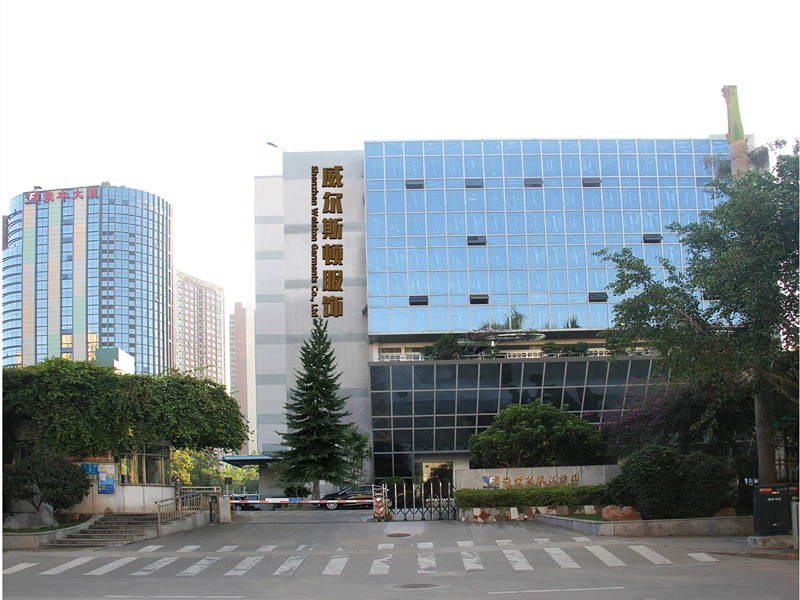
About Welston Garments