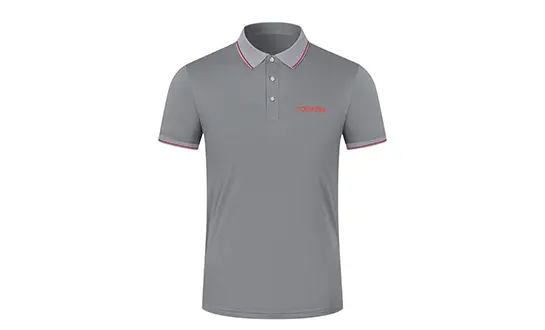
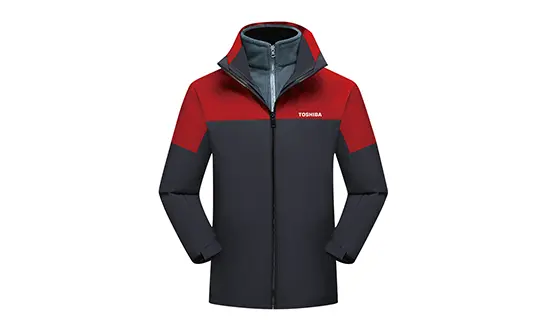
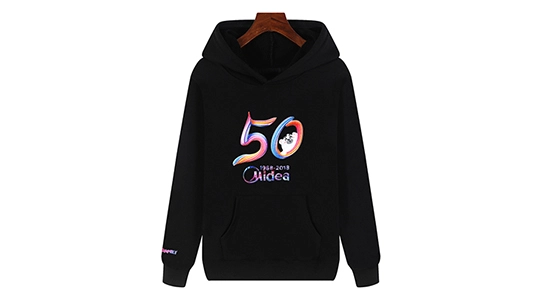
Why Safety Workwear Is Essential for Workplace Health and Safety?
Safety gear is essential to workplace protective tactics that improve employee health and efficiency. Modern protective clothing systems, including safety workwear, safeguard workers from chemical and thermal hazards with improved materials, certified designs, and industry-specific features. Safety clothing can minimize workplace injuries by 40% and boost productivity by boosting worker confidence and comfort. This protective apparel serves construction, manufacturing, healthcare, and hospitality worldwide, with climate and regulatory requirements varied.

Understanding Safety Workwear
Professional protective apparel addresses occupational dangers and environmental issues in several categories. Modern workwear technology has advanced to satisfy varying operational needs across sectors and locations.
Essential Types of Protective Workwear
The basic categories of industrial protective apparel have different safety functions. Fire-resistant clothes use innovative fabric technology to self-extinguish when exposed to ignition sources. High-visibility apparel with reflective stripes and fluorescent materials improves worker visibility in low-light or high-traffic environments.
For outdoor work in varied climates, waterproof and weather-resistant clothing is essential. These clothes have permeable membranes for comfort and moisture protection. Insulated clothing with mobility characteristics helps workers stay mobile in cold weather.
Chemical-resistant clothing has barrier materials evaluated against certain chemical classes. Cut-resistant clothing defend against sharp items and machinery in production environments with high-strength fibers.
International Safety Standards and Compliance
Global safety standards offer protection across international markets, with regional variances reflecting local regulations and environmental factors. ISO safety standards underpin regional adjustments.
In North America, ANSI standards govern high-visibility apparel, arc flash protection, and cut resistance. European EN standards cover similar protection categories with chemical resistance and thermal protection criteria based on European industry.
OSHA laws provide protective equipment standards for many industries, influencing procurement decisions. These standards change to address new workplace dangers and protective material technology.
Understanding market compliance criteria helps procurement managers choose protective apparel that meets local legislation while meeting global safety standards. This information is especially useful when procuring safety equipment for global companies with varied regulatory regimes.

How to Choose the Right Safety Workwear for Your Workplace
Strategic protective gear selection entails assessing workplace threats, operational needs, and performance criteria that match industry and geographic needs.
Workplace Hazard Assessment Framework
Risk assessment and hazard identification are essential to protective gear choices. Thermal hazards must be assessed for exposure temperatures, flash fire dangers, and radiant heat sources that could harm workers. Substance kinds, concentration levels, and exposure duration affect material selection for chemical dangers.
Mechanical hazards include sharp tools, projecting items, and rough surfaces or materials that can abrade. Electrical hazards include arc flash, static electricity, and direct contact that necessitate special protection.
Environmental risks include weather, visibility, and ergonomics, which affect worker performance and safety. Material selection, design features, and performance criteria are guided by these assessments to assure protection.
Core Selection Metrics and Performance Criteria
Durable materials determine protective clothing's longevity and cost-effectiveness across multiple uses, including safety workwear. Good textiles withstand wear, retain protection after numerous wash cycles, and perform well under operating stress. Protection levels affect fabric weight, coating systems, and construction processes by danger category and exposure intensity.
Breathability, flexibility, and weight are crucial selection criteria since comfort affects worker compliance and productivity. Certification ensures regulatory compliance and liability protection for protective gear programs.
Cost efficiency affects long-term budget planning by include purchase price, maintenance, replacement frequency, and total ownership expenses. These considerations need balancing protection levels with operating budgets to maximize safety within budget.
The Benefits of Implementing High-Quality Safety Workwear in Large-Scale Operations
Premium protective clothing investment reduces incidents, improves compliance, and boosts operational efficiency, justifying higher initial expenditures in large-scale installations.
Workplace Safety and Compliance Improvements
Quality safety clothing prevents workplace injuries by protecting and boosting worker confidence in dangerous conditions. Complete protective clothing programs show company commitment to worker safety, boosting regulatory compliance and lowering liability.
Comprehensive protective gear programs reduce occupational injuries by 35–45% in manufacturing. High-visibility outerwear reduces vehicle-related incidents by 60% on construction sites.
Chemical processing facilities with proper protective clothing programs have 90% safety inspection compliance, compared to 65% for facilities without. Insurance prices and penalties drop due to these advancements.
Operational Efficiency and Employee Morale Enhancement
Well-designed protective equipment boosts worker productivity by giving comfort and confidence in difficult work settings. Ergonomic designs alleviate fatigue and movement limits, allowing long-shift workers to operate well.
Investment in quality safety equipment shows dedication to worker welfare and increases employee retention. This investment decreases turnover-related training expenses while retaining experienced workers.
Visible commitment to worker safety boosts brand reputation, consumer confidence, and business development. Quality uniforms protect and project a professional image, benefiting customer-facing operations.
Procurement Strategies for Safety Workwear: Bulk Orders, Customization, and Supplier Selection
Strategic procurement optimizes protective clothing programs through efficient sourcing, customization, and supplier partnerships for long-term operating needs in different markets.
Supplier Selection and Partnership Development
Supplier evaluation should include production, quality, and service support to maintain reliable protective apparel supply chains. Internationally certified producers preserve local market responsiveness while operating globally.
Production capacity evaluation assures suppliers can fulfill peak demand volume requirements while preserving quality. Advanced manufacturing equipment like Japanese JUKI and Taiwanese SHINLING systems shows supplier quality and efficiency for large-scale buying.
Quality control measures, including inspection and testing, maintain product safety and consistency. Products from suppliers with dedicated quality teams and rigorous inspections are more reliable.
Geographic distribution streamlines logistics and delivery times across markets. Multinational companies that need similar protective apparel standards across locations benefit from European, American, and Asia-Pacific suppliers.
Customization and Branding Advantages
Specialized design and production allow custom safety clothing to boost corporate branding and safeguard workers. Professional embroidery and printing allow significant logo placement without compromising safety or protection.
Color coordination with business identity enhances professionalism and safety visibility. Custom sizing improves protection and worker comfort across varied workforce populations.
Specialized features integration meets operational needs while preserving safety certifications. Customizations include pockets, reinforced stress areas, and climate-specific changes increase usability without sacrificing protection.
How to Maintain and Extend the Life of Safety Workwear
Proper maintenance practices maximize protective gear investment returns and ensure safety workwear performance across working settings for extended service cycles.
Cleaning and Storage Best Practices
Cleaning properly preserves protective qualities, fabric integrity, and certification conformity. Different protective garment types require appropriate cleaning methods to remove contaminants without destroying characteristics.
Flame-resistant clothes need detergents that remove industrial pollutants and maintain flame-retardancy. Temperature control is necessary for certification because high-temperature washing can damage protective coatings.
Before cleaning, chemical-resistant clothing must be decontaminated. Storage in regulated conditions inhibits environmental degradation of protective performance.
Inspection and Replacement Protocols
Wear and degradation to protective capabilities are detected during regular inspections before safety failures. Visual examinations should evaluate fabric, seam, and hardware functionality that influences protection.
Protective clothing is replaced depending on wear indicators, certification expiration, and performance testing to maintain protection. Cost and safety are balanced in these methods to maximize protection.
Training programs teach workers how to wear, care for, and report damage to extend protective gear life and ensure safety. Knowledgeable workers handle equipment properly and report damage quickly, extending its lifespan.
Company Introduction and Product Services
Welston, a major manufacturer of professional workwear and protective clothing, serves global markets with sophisticated manufacturing and complete service. Over two decades, we have built solid ties with Panasonic, Mercedes-Benz, Dell, Toshiba, and Toyota across varied industries.
Manufacturing Capabilities and Quality Systems
We have three dedicated facilities, ten specialized production lines, over 580 experienced workers, and strategic outsourcing agreements. JUKI and SHINLING equipment ensures accurate manufacturing and quality across all product categories.
Customization is possible with screen printing, water-based application, and heat transfer techniques. These features allow numerous decoration approaches while preserving protective gear certifications and performance.
Systematic inspection and testing processes ensure product performance against international safety requirements in quality control systems. Our quality guarantees reliable protective apparel that fulfills global regulations.
Global Market Presence and Service Excellence
We offer localized support in European, American, and Asia-Pacific regions while preserving quality. This regional coverage allows efficient logistics and responsive customer service across time zones and regulations.
Customers receive technical support and practical solutions for difficult protective garment needs within 24 hours from dedicated customer service teams. We provide pre-sale consultancy, transaction support, and post-delivery assistance to satisfy customers.
Products are used in corporate, automobile, manufacturing, construction, and outdoor settings. This versatility shows our capacity to meet diverse protective garment needs while specializing in safety equipment.
Conclusion
Safety clothing is essential to workplace safety, reducing injuries, improving compliance, and increasing productivity. Through detailed hazard evaluation, strategic selection optimizes cost-effectiveness and protection levels throughout prolonged service cycles. Quality protective clothing programs, including safety workwear, help regulatory compliance and liability reduction while promoting worker safety. Professional procurement methods, including supplier partnerships and customisation, enable global scale. Proper maintenance extends service life and maintains performance requirements, optimizing investment returns.

FAQ
1. What makes flame-resistant safety workwear different from standard protective clothing?
When ignited, flame-resistant workwear's materials and treatments self-extinguish, stopping further burning. Standard protective apparel is not fire-resistant and may burn when exposed to flames. Flame-resistant clothes are tested to meet thermal protection standards, protecting against flash fires and arc flashes in electrical and petrochemical sectors.
2. How can organizations verify compliance with international safety standards?
Manufacturer certification, independent testing laboratory reports, and periodical inspections can certify conformity. Reliable manufacturers provide test findings and standard compliance verification. Third-party testing labs verify protective garments against safety standards. Inspections should include certification label checks, expiration dates, and protective clothing visual inspections.
3. Does customization affect the protective performance of safety workwear?
Embroidery and screen printing done professionally do not compromise protective performance. Certified producers use controlled application procedures to maintain safety and protective characteristics during customizing. Custom features and logo placement match protective garment criteria to improve business branding and safety. Quality customisation enhances safety through improved fit and worker PPE compliance.
Partner with Welston for Comprehensive Safety Workwear Solutions
Welston customizes excellent protective garments for your industry and operations. Our three decades of manufacturing experience, advanced production capabilities, and global market presence offer reliable safety gear that fulfills international requirements and supports your business logo. Our devoted team provides experienced advise and practical solutions within 24 hours for bulk procurement for large-scale operations, specialist protection features for unique risks, or creative designs that reflect your business brand. Our safety workwear professionals at [email protected] can discuss your protective clothing needs and how our production skills can support your workplace safety goals as your trusted safety workwear manufacturer.
References
1. National Institute for Occupational Safety and Health. "Criteria for a Recommended Standard: Occupational Exposure to Fire Fighting Protective Clothing." DHHS Publication No. 2018-116. Cincinnati: NIOSH Publications, 2018.
2. American Society of Testing Materials. "Standard Test Methods for Flame Resistant Industrial Workwear." ASTM F1506-20a. West Conshohocken: ASTM International Standards Organization, 2020.
3. International Labour Organization. "Safety and Health in the Use of Personal Protective Equipment at Work: An ILO Perspective." Geneva: International Labour Office Publications, 2019.
4. European Committee for Standardization. "Protective Clothing Against Heat and Flame: Performance Requirements for Protective Clothing Used in Industrial Environments." EN ISO 11612:2015. Brussels: CEN Publications, 2015.
5. National Safety Council. "Injury Facts: Workplace Safety Data and Statistical Analysis." Itasca: National Safety Council Research Department, 2023.
6. Occupational Safety and Health Administration. "Personal Protective Equipment in Industry: Standards and Compliance Guidelines." Washington: Department of Labor Publications, 2022.
We specialize in designing, producing, and selling corporate clothing. Mainly produces: industrial clothing, business uniforms, and work clothes for different companies.

About Welston Garments