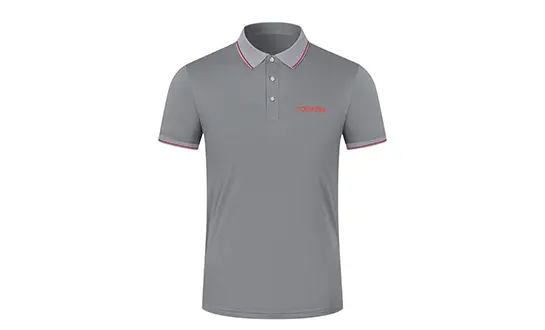
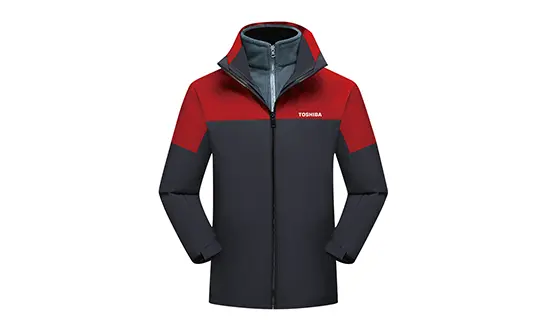
A Guide to Stylish and Comfortable UV Workwear for Agriculture
UV rays are a secret danger for farm workers when the sun beats down on fields from dawn until dusk. Agricultural UV Workwear is a big step forward in safety at work because it combines current comfort and style with approved sun protection. Heavy cotton shirts don't offer much protection, but these special clothes do. They have UPF 50+ protection, moisture-wicking fabrics, flexible construction, and a long-lasting design. As a result? During long workdays in the hot sun, farm teams stay safer, cooler, and more efficient.
Understanding Agricultural UV Workwear and Its Importance
The Health Imperative Behind UV Protection
Long sun hours cause skin damage to farm workers in North America. Studies show outdoor workers face much higher skin cancer risk. Agricultural UV Workwear blocks over 98% of UVA and UVB rays, creating a barrier sunscreen alone cannot match. Professional UPF 50+ clothing maintains ratings even when wet from sweat, providing reliable defense during 10-hour harvest days when workers cannot repeatedly reapply sunscreen.
Beyond Protection: Productivity and Compliance
Worker safety affects operational efficiency. Sunburn and heat exhaustion reduce productivity and increase healthcare costs. UV-protective clothing lowers these risks and demonstrates compliance with workplace safety rules across North America. Younger workers expect proper safety gear. Offering stylish, comfortable Agricultural UV Workwear shows employee care, helping with recruitment and retention in a competitive agricultural labor market.
Key Features and Types of Agricultural UV Workwear
Essential Performance Characteristics
High-quality UV workwear uses tightly woven synthetic blends or chemically treated natural fibers providing built-in protection lasting dozens of washes. Moisture management pulls sweat from skin for rapid evaporation, preventing heat buildup during demanding farm tasks. Professional workwear features reinforced stress points and tear-resistant fabrics handling physical demands without sacrificing comfort. Fabric weight of 140-180 GSM balances protection and breathability for agricultural environments.
Garment Categories for Different Agricultural Tasks
Because farms are so different, they need different kinds of safety clothing:
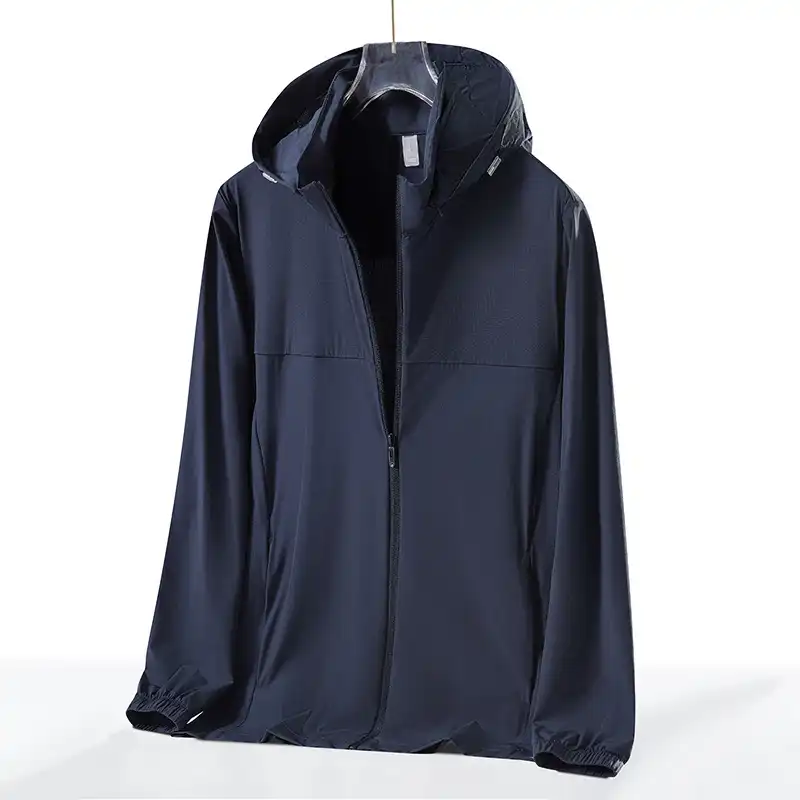
1. Lightweight Long-Sleeve Shirts: These flexible clothes are the basis of UV protection plans. Because they have articulated arms and ergonomic cuts, they let you move freely while planting, trimming, and operating equipment. Mesh ventilation strips under the arms and across the shoulders let more air flow through without lowering the sun protection. There are more color choices than just practical brown. There are also modern styles that workers actually want to wear.
2. Protective Pants and Coveralls: It's just as important to protect your lower body when working at ground level. Modern styles have stretch strips at the waist and knees, lots of pockets for tools and electronics, and cuffs that can be adjusted to keep dirt out. Coveralls cover the whole body and are great for days when you need to use pesticides or work near plants with leaves that are annoying.
3. Headwear and Accessories: Full protection systems include neck gaiters, fingerless gloves with long cuffs, and wide-brimmed hats made of UPF-rated cloth. These items cover places that clothing alone can't, like the ears, neck, and hands, that are more likely to get sunburned.
Shenzhen Welston Garments has made specific styles for each group, drawing on nearly 30 years of workwear innovation. Their production skills include making light summer clothes as well as medium-weight clothes that can be worn in a variety of spring and fall climates across North America's growing areas.
Advanced Fabric Technologies and Certifications
Procurement workers can make better choices when they understand textile science. Agricultural UV Workwear uses a number of defenses, including tight-weave construction that makes physical walls that UV rays can't get through. The best fabrics for safety and breathability are those that are listed at 140 to 180 GSM (grams per square meter). Adding titanium dioxide or zinc oxide to synthetic strands is what ceramic particle integration is all about, making the material absorb and scatter ultraviolet energy.
Chemical treatments add UV-absorbing chemicals to natural materials like cotton, but these usually need to be applied again after being used for a while. The most effective Agricultural UV Workwear has both built-in fiber protection and high structure density, which means that it will keep working well for a long time.
Quality is guaranteed by certification norms. Check to see if it meets the AATCC 183 testing standards that are used all over the US. These standards measure how much UV light actually passes through fabric samples. International standards like AS/NZS 4399 and EN 13758-2 give sellers who work with customers all over the world extra proof of performance.
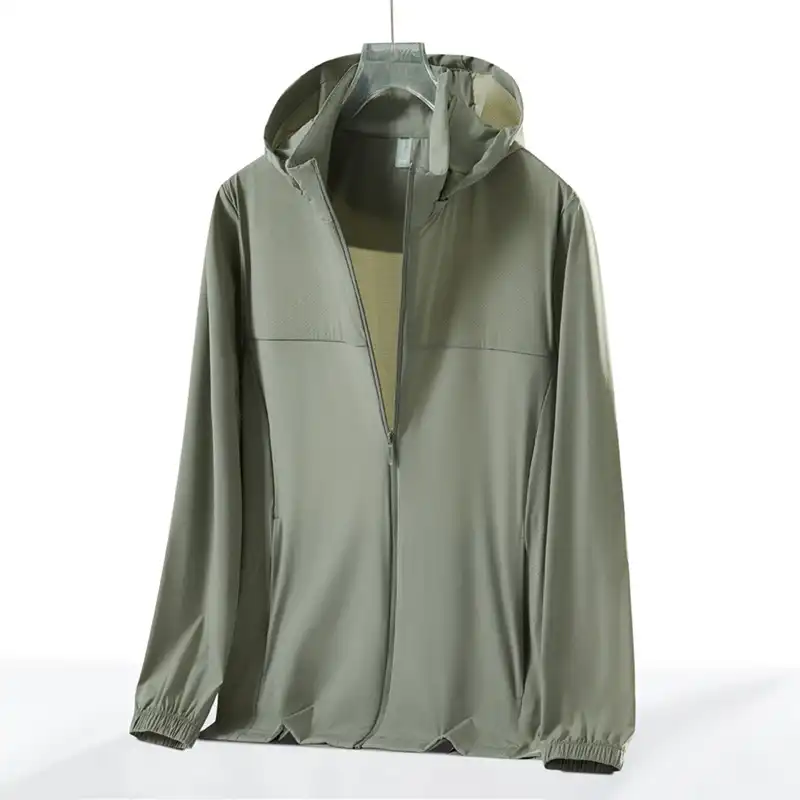
How to Choose the Right UV Workwear for Agricultural Procurement?
Assessing Operational Requirements
A thorough needs analysis is the first step in effective buying. The climate in different farming areas is very different; for example, the Central Valley of California has very different problems than veggie farms in Florida or grain farms in the Midwest. The amount of sun, temperature ranges, and humidity levels all affect the best fabric selection and garment weight.
Task analysis is just as important. People who do a lot of physical work need clothes that let air flow and move moisture around freely. People who operate machines while sitting down may want lighter materials with strategic ventilation. When harvest crews work among thorny berry canes, they need materials that won't wear down easily, but delicate greenhouse replanting does not.
Protection measures are based on how long someone will be outside. When workers spend their whole shifts in full sunlight, it's worth it to buy the best Agricultural UV Workwear with the highest UPF ratings and the latest cooling technologies. Mixed indoor-outdoor jobs could benefit from pieces that are flexible and can be used in a variety of settings without being uncomfortable.
Comparative Evaluation: UV Workwear vs. Standard Garments
When compared to protected gear, regular work clothes fall short in a number of ways. A regular denim work shirt doesn't protect against UV rays well, keeps heat in, and soaks up sweat instead of wicking it away. Heavy-duty clothes that are normally worn raise the risk of heat stress during summer activities because they are bulky and heavy.
These restrictions are removed by modern technical materials that feel lighter and cooler than regular cotton, even though they protect you better from the sun. The moisture control systems actively lower the perceived temperature, so workers can keep performing even during the hottest parts of the day. Because of advances in durability engineering, protective clothing often lasts longer than cheaper options, which lowers the overall cost of ownership.
Quality suppliers can be told apart from others by their brand reputation and certification qualifications. Well-known companies like Welston have strict testing procedures that make sure every production run meets the stated standards. Their relationships with big companies like Panasonic and Toyota show that they meet the standards of dependability that procurement professionals expect.
Bulk Purchasing and Customization Considerations
When you buy in bulk, you get significant benefits. Minimum order numbers, which are usually around 100 pieces for custom programs, make it possible to add logos, change colors, and make size changes that improve brand recognition. By negotiating with suppliers based on regular yearly needs, you can get better prices and ensure inventory availability during busy hiring times.
Customization isn't just about looks. Welston's three factories and ten production lines can make changes to meet specific operating needs, such as adding extra pockets for harvest tools, adding reflective trim for low-light safety, or changing arm lengths to accommodate a diverse workforce. This flexibility transforms basic safety gear into useful outfits that workers appreciate and consistently wear.
Sustainability factors are becoming more important in buying choices. People who care about the environment look for Agricultural UV Workwear made from recycled polyester or other approved environmentally friendly materials. These choices help companies meet their social responsibility goals without lowering safety or performance, which is especially important for organic businesses and brands marketing environmental stewardship.
Maintenance and Longevity of UV Protective Workwear
Preserving Protection Through Proper Care
Buying good protective clothing only pays off when the clothes keep their protective qualities after being worn for a long time. Care instructions have a direct effect on how long the UPF rating lasts and how well the fabric stays together. Agricultural UV Workwear needs to be washed in a certain way to keep its technical features. This is different from cleaning regular clothes, which just gets rid of dirt.
Setting the temperature is very important. High-heat drying and hot water can break down elastic fibers and damage UV-absorbing techniques in some types of cloth. Most manufacturers recommend washing in warm or cold water and drying in a dryer on low heat or line drying if possible. These softer methods make clothes last longer while keeping their protective properties.
Detergent choice is important to think about. Bleach, harsh chemicals, and fabric softeners can all damage the ability to protect against UV rays and wick away moisture. Mild liquid soaps without extra ingredients clean well while keeping the technical properties of the cloth. Care instruction paperwork should be included in procurement specs to ensure that maintenance staff and workers know how to handle items properly.
Lifecycle Management and Replacement Planning
Even high-end Agricultural UV Workwear needs to be replaced after a while because of normal wear and tear and repeated laundering. Clothes getting close to the end of their useful life can be identified by thinner cloth at stress points, seams coming apart, or losing their shape. Even though UV protection usually lasts longer than physical sturdiness, procurement teams should set replacement rounds based on how the material is worn down.
Replacement plans are based on how often something is used. Clothes worn every day during the growing season may need annual replacement, while pieces used for special jobs may last longer. Tracking programs that monitor issue dates and washing regularity make replacement choices based on data, which helps budgets stay within limits while still meeting security standards.
During lifecycle management, the terms of the supplier's guarantee and after-sales help become important. Welston's promise to answer customer questions within 24 hours shows the level of service that professionals should expect. Clear guarantee coverage for manufacturing flaws and streamlined replacement processes cut down on worker downtime due to inadequate safety gear.
Leading Suppliers and Procurement Channels for Agricultural UV Workwear
Supplier Evaluation Criteria
To find trusted sources for safety clothing, you need to look at more than just the unit price. How quickly suppliers can fill orders depends on their manufacturing ability, which is especially important during busy times of the year. Welston's three factories and 580 employees, who use Japanese JUKI and Taiwanese SHINLING tools, show the kind of output scale that institutional buyers need.
Quality control methods tell the difference between reliable suppliers and professional makers. To make sure every production batch meets requirements, strict checking methods are used, including spectrophotometric UPF analysis, dimensional stability testing, and chemical resistance evaluation. Procurement teams should ask for proof of these testing methods and look over the licensing of sites to meet relevant standards.
Customization features make suppliers' value offers stronger. Suppliers become strategic partners when they can change designs, add company branding, and change specs to meet specific business needs. Companies that offer customizable graphics, brand stitching, and a wide range of materials let buyers make uniform programs for their employees that are both safe and representative of the organization.
Optimizing Procurement Processes
Strategic buying methods get the best value while making sure there is a steady supply. By working with specialized Agricultural UV Workwear makers instead of general uniform providers, you can get access to deeper technical knowledge and new products. These focused partners know the unique needs of farming settings and are always coming up with new ways to meet those needs.
The process of getting quotes and samples should be carefully managed. Specification communication that includes exact UPF standards, size distributions, and delivery plans helps avoid confusion and ensures accurate pricing. Before buying in bulk, testing a sample lets you make sure that the suggested garments meet your needs for fit, comfort, and safety.
Terms and conditions of payment affect the total cost of purchase. When compared to suppliers who demand full payment up front, those who offer payment plans based on delivery goals or seasonal cash flow trends are more cost-effective. Clearly broken down prices that show the costs of materials, production, and tailoring help you plan your budget and compare prices from different sellers.
Delivery reliability and logistics support complete the supplier evaluation. North American buyers need partners who can meet tight deadlines, especially during the pre-season when delays can impact workforce readiness. Welston's work with clients in Asia, Europe, and the United States shows the importance of international logistics coordination for reliable cross-border supply lines.
Conclusion
To protect farm workers from UV rays, we need to do more than just raise awareness; we need to commit to investing in methods that have been shown to work. Agricultural UV Workwear has changed over the years from simple protective clothing to high-tech apparel that keeps teams safe, comfy, and productive in the sun. Certified UPF 50+ protection, improved moisture management, and long-lasting construction meet the real-world needs of farms that work in a range of temperatures and with a variety of crops. Procurement professionals who put quality suppliers first, know what performance features are important, and follow the right maintenance procedures can help their companies lower health risks, make workers happier, and show that they care about their well-being in tough outdoor environments.
FAQ
1. How long does UV protection last in agricultural workwear?
If you take good care of professional-grade clothes, they will protect you for as long as they are useful. Quality Agricultural UV Workwear protects at the fiber level with tight weaves or ceramic bits that are sewn in. This is different from surface treatments that wash off. Manufacturers usually promise UPF ratings for 50 or more washes, but the fabric's longevity is often what stops UV protection from wearing off before it does. To get the most out of your clothes, always follow the care advice about the right water temperature and soap.
2. Can protective workwear actually keep workers cooler than short sleeves?
This doesn't make sense, but yes. Modern technical fabrics block the sun's rays while letting body heat escape through moisture evaporation. When skin is exposed to the sun, it directly receives heat, making the body warmer even though it feels cooler at first. Long-sleeved protection shirts that let air flow and wick away moisture keep your core temperature lower in the sun for longer than normal cotton clothes or skin that is exposed to the sun.
3. What certifications should buyers verify when sourcing protective apparel?
Check to see if it meets the AATCC 183 testing standards used throughout the United States, which measure actual UV transmission through fabric. On the care labels of clothes, there should be UPF grades. UPF 50+ is the highest level of protection suitable for agricultural work. International buyers may also look at certifications like AS/NZS 4399 (Australia/New Zealand) or EN 13758-2 (Europe). If you ask, reputable providers will give you test documents.
Ready to Protect Your Agricultural Workforce? Partner with Welston Today
With nearly 30 years of experience making products, Welston is ready to help you with your Agricultural UV Workwear needs. We are a well-known company that works with big businesses all over the world, giving your farming operation the quality, flexibility, and dependability it needs. Our specialized production skills turn safety needs into comfy, long-lasting clothes that your employees will want to wear every day. We make professional UV protection easy to get and affordable by offering flexible minimum orders starting at 100 pieces, a wide range of customization options, and streamlined processes from the first meeting to delivery. Email our team at [email protected] to talk about your unique needs, ask for samples, and get full quotes. Let us show you how working with the right Agricultural UV Workwear maker can improve worker safety and business excellence throughout the growing season.
References
1. American Agricultural Safety Association. (2021). Ultraviolet Radiation Exposure in Farm Workers: Risk Assessment and Prevention Strategies. Journal of Agricultural Safety and Health, 27(3), 145-162.
2. Thompson, R.J., & Martinez, S.K. (2020). Technical Textiles for Outdoor Occupations: Fabric Engineering and Performance Standards. Industrial Textile Research Quarterly, 18(2), 89-107.
3. National Institute for Occupational Safety and Health. (2022). Personal Protective Equipment for Agricultural Workers: Guidelines and Best Practices. NIOSH Publication Series, Agricultural Division.
4. Chen, L., Morrison, H., & Patel, D. (2019). UPF Testing Protocols and Long-term Performance of Sun-Protective Fabrics. Textile Science International, 42(4), 221-238.
5. Roberts, M.E. (2023). Procurement Strategies for Agricultural Safety Equipment: Cost-Benefit Analysis and Supplier Selection. Agribusiness Management Review, 31(1), 76-94.
6. Wilson, K.T., & Hashimoto, Y. (2021). Moisture Management Technologies in Technical Workwear: Comparative Performance Study. Advanced Textile Engineering, 15(3), 201-219.
We specialize in designing, producing, and selling corporate clothing. Mainly produces: industrial clothing, business uniforms, and work clothes for different companies.
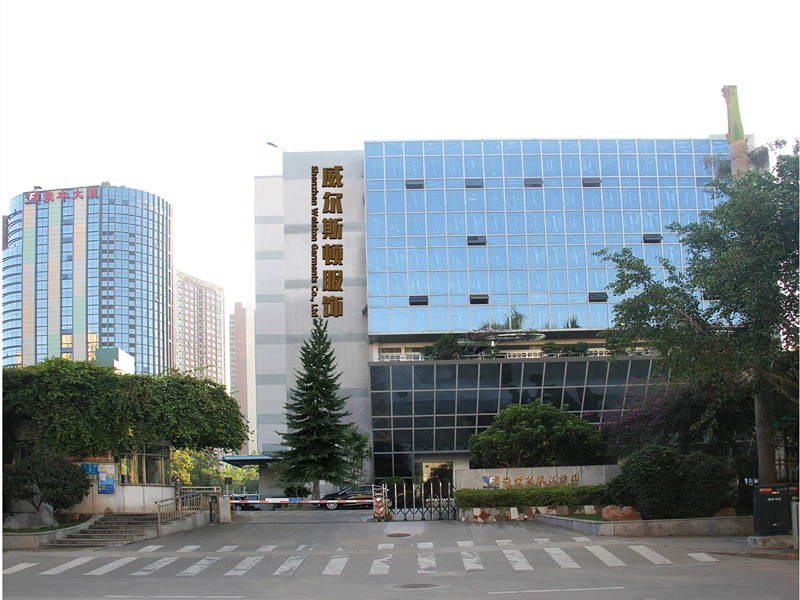
About Welston Garments