How Canvas Trousers Improve Comfort and Abrasion Resistance
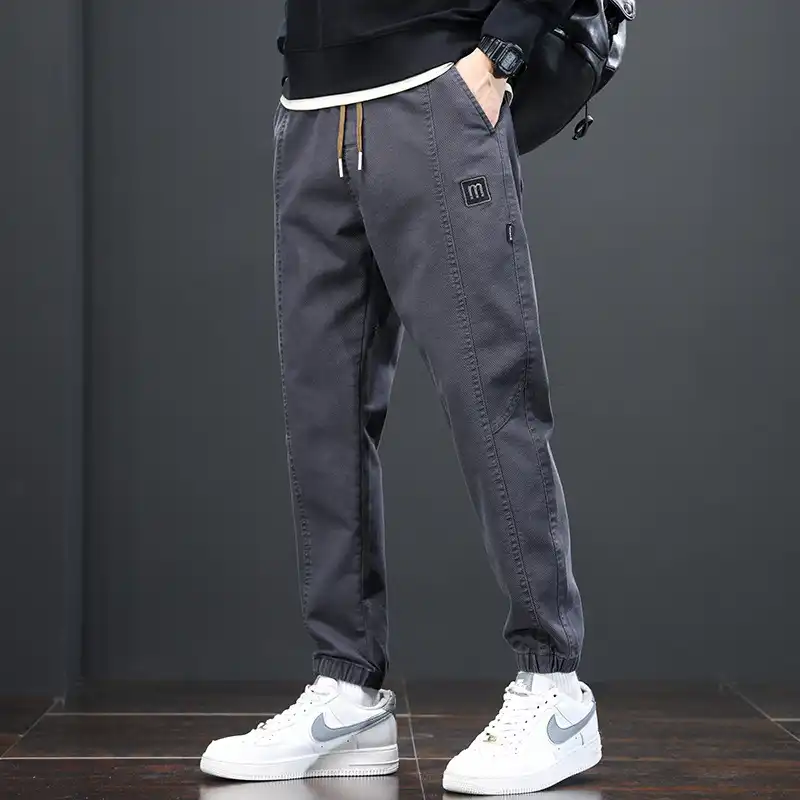
Canvas trousers are very comfortable and durable because they are made of heavyweight cotton or cotton-blend materials and a special plain-weave design. Unlike denim's diagonal twill, the tight 1x1 weave structure makes a surface that is smooth, won't snag, and can handle rough work settings. This fabric architecture, along with ergonomic designs and modern finishing treatments, makes sure that the clothes can be worn all day and have a much longer lifespan. This makes them perfect for industries across North America like construction, logistics, and manufacturing, where durability directly affects operational costs.
Understanding Canvas Trousers: Materials and Performance
The Foundation: Duck Canvas Fabric Construction
Authentic duck canvas uses tightly woven cotton yarns in plain weave, creating robust structure. This weave places each weft thread over and under a different warp thread, spreading stress evenly throughout fabric. Weight classifications directly affect performance—lightweight 8-10 oz suits light duty, medium 10-12 oz balances flexibility and protection, heavy-duty 12-14 oz provides maximum durability for harsh environments. Cotton-polyester blends enhance tear strength and drying speed.
Material Properties That Matter for Workwear Performance
Breathability prevents overheating during physical work. Natural cotton fibers allow airflow, and moisture-wicking properties prevent synthetic fabric discomfort. Fabric weight affects seasonal suitability—10 oz canvas works year-round in moderate US climates; 12 oz or heavier suits colder regions needing extra protection. Eco-friendly canvas options using recycled cotton fibers meet growing sustainability requirements without lowering traditional canvas performance standards.
Canvas Versus Traditional Work Pant Materials
Canvas resists snagging better than denim's twill weave which creates weak spots where threads catch. This surface damage resistance extends garment life, reducing replacement frequency and total ownership costs for B2B buyers. Chino fabrics lack durability for physical work. Canvas maintains professional appearance through its life, preventing the dimensional distortion that makes lighter fabrics bag at knees or stretch excessively, valuable for retail and corporate uniform programs.
How Canvas Trousers Improve Comfort: Design and Fabric Innovations?
Ergonomic Design Elements for All-Day Wearability
Articulated knees allow natural bending during movement. Gusseted crotch panels eliminate straight-cut restriction when workers repeatedly kneel. Double-needle stitching at seams and triple-reinforced bartacks at pocket corners prevent catastrophic failure causing premature disposal. Strategic reinforcement placement adds protection without creating stiff, uncomfortable areas found in poorly designed heavy-duty canvas trousers. These engineering choices recognize that true quality means reliability across thousands of wear cycles, not just impressive specifications.
Advanced Fabric Treatments Enhancing Comfort
Water-resistant finishes create a breathable moisture barrier unavailable in synthetic-coated options. Liquids bead and roll off, keeping workers dry during light rain. Sanforization (compressive pre-shrinking) solves cotton's traditional shrinkage problem. Quality manufacturers pre-shrink fabric before sewing, ensuring finished garments maintain fit after repeated washing. This consistency is critical for corporate uniform programs managing inventory across multiple locations and size ranges, where fit variability causes administrative burden.
Real-World Performance Validation
Industrial laundry tests show canvas maintains comfort through 50+ industrial wash cycles. Fabric retains softness and flexibility while other materials become rough or lose shape. Construction companies switching from rigid synthetic blends to properly specified canvas trousers report reduced uniform comfort complaints. This validated user satisfaction directly translates to improved morale and lower turnover costs, justifying canvas trousers' slightly higher initial cost through measurable operational benefits.
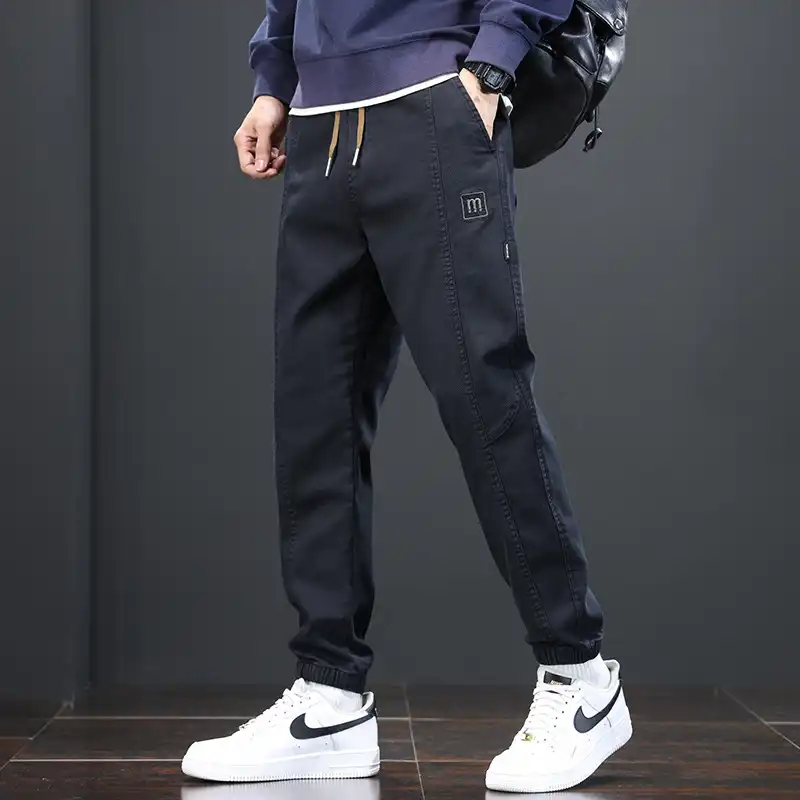
Abrasion Resistance in Canvas Trousers: What Sets Them Apart?
The Science Behind Superior Abrasion Resistance
Quality canvas exceeds 50,000 Martindale abrasion cycles—five times longer than chino, twice as long as regular denim. Plain weave spreads abrasive forces across many yarn crossings. Heavyweight canvas's tightly packed yarns create dense barrier preventing particle penetration. Grit cannot lodge between fibers to cut yarns from within fabric structure. Lower-quality looser weaves allow grit accelerating invisible wear. Abrasion test certifications provide objective performance data beyond subjective "sturdiness" ratings procurement managers should require.
Comparative Performance Analysis Across Fabric Types
Canvas trousers stop tears from spreading at yarn intersections, containing damage and preventing catastrophic failure. This structural advantage proves critical when trousers snag on protruding nails or sharp metal edges—localized damage means trousers remain usable rather than requiring immediate replacement. Synthetic work trousers develop unsightly pilling and fuzzing from abrasion, indicating structural degradation. Cotton canvas maintains professional appearance through gradual, reliable wear, supporting corporate image for client-facing trades.
Reinforced Canvas Designs for Maximum Protection
Ripstop canvas with reinforcement threads woven at regular intervals creates a grid pattern stopping tear propagation better than standard weaves. Double-layer knee design doubles material in highest-wear areas, allowing built-in knee pad pockets increasingly requested by safety-conscious construction companies. Kneeling on concrete won't wear through doubled fabric quickly. Internal pockets keep padding correctly positioned for consistent protection. Maintenance workers, electricians, and plumbers especially value this design.
Procurement Insights: Selecting and Ordering Canvas Trousers for Your Business
Evaluating Fabric Quality and Supplier Credentials
Verify fabric weight specifications, fiber content analysis, and abrasion resistance test certifications. Reliable suppliers provide this information readily. Construction work trousers may require high-visibility features, flame-resistance ratings, or arc-flash protection depending on job site requirements. Natural cotton canvas carbonizes rather than melting, providing better burn protection than synthetics which melt and adhere to skin. Understanding these safety differences helps procurement professionals protect workers and limit company liability.
Total Cost of Ownership Versus Purchase Price
Canvas trousers costing 30% more than synthetics but lasting twice as long provide better value. Complete cost modeling considers replacement frequency, laundering costs, and productivity impacts from discomfort. High-quality canvas typically delivers lower cost-per-wear-day than cheaper alternatives in demanding environments. Longer-lasting canvas trousers significantly reduce administrative burden for procurement teams managing large workforce uniform programs, freeing staff for higher-value activities. These "soft cost" savings often exceed material price differences.
Bulk Purchasing Strategy and Customization Options
Custom canvas trousers usually have a minimum order quantity of 100 pieces, which is a quantity that can be accessed by medium-sized businesses while still allowing for significant customization. Custom sizing, logo embroidery, and different pocket layouts make it possible for uniform programs to meet specific operating needs without the high cost that comes with custom clothing. Welston has three plants and ten production lines, so it can make enough to support both large-scale rollouts and ongoing restocking orders. This makes sure that there is a consistent supply, which is important for keeping the workforce similar.
Customization goes beyond branding for looks; it also includes practical changes that meet the needs of each job. Adjusting the rise and inseam measures to make the trousers fit better on a range of body types, strengthening specific wear areas, and adding custom pocket configurations for industry-specific tools are all ways to improve comfort and usefulness. These changes turn basic work clothes into job-specific gear that helps the workers instead of just covering them. Companies that spend in this level of customization say that their employees are happier and have fewer complaints about their uniforms. These are "soft benefits" that help their total operational success.
Maintenance and Care: Extending the Life of Canvas Trousers
Washing Best Practices for Canvas Workwear
When you wash clothes the right way, they keep their shape and look for a longer time. Warm water is better than hot water for washing canvas trousers because hot water speeds up the breakdown of cotton fibers and can damage water-resistant treatments. Before cleaning, flip clothes inside out to keep the surface from getting worn down by other things and the washer machine. Instead of adding more detergent, use industrial-grade cleansers made for tough soils. Adding too much detergent leaves behind residues that attract dirt and make cloth stiff. If you do these simple things regularly, your clothes will last 30 to 40 percent longer than the normal wear-and-throw rounds.
Do not use chlorine bleach on cotton because it weakens the fibers and causes stress points to break early. When used according to the advice on the package, oxygen-based options get rid of stains well without damaging the structure. Drying clothes on the line or in a low-heat dryer keeps them from shrinking and keeps their hand better than commercial dryers that use high heat. Commercial laundry services are helpful for big uniform programs, but make sure that they follow the right steps for washing canvas clothing. If they don't, the material won't last as long and will need to be replaced sooner.
Addressing Common Wear Issues Proactively
Treating stains quickly is important because letting oil, grease, or other contaminants set makes them much harder to get rid of. Before cleaning, treat spots with the right solvents. When using new goods, test them in an area that won't be seen. When washing water-resistant fabric for a long time, the surface treatments may need to be renewed every so often. This protected layer can be restored with spray-on or wash-in products. These products keep the moisture resistance that makes the user comfortable. Regular maintenance stops clothes from slowly losing their usefulness, which means they can be thrown away while still being physically sound.
As part of managing uniform supplies, seams should be checked on a frequent basis. If you catch small thread problems early, they are easy to fix and greatly extend the life of the thread. Bartacking reinforcements at stress points only takes minutes with the right tools, but it stops disastrous pocket separation or zipper separation that puts clothes out of action. Companies that can make changes themselves find that this preventative method greatly enhances the economy of uniform programs. Systematic inspection procedures can help even companies that hire someone else to do fixes because they find damage before it gets so bad that it can't be fixed.
Sustainable End-of-Life Management
Because it is made of natural fibers, cotton canvas is much better for the earth than synthetic options when it comes time to throw it away. When clothes can't be fixed, they can be recycled. The fibers from these clothes are used to make padding, wiping cloths, and other fabrics. This circularity is in line with companies' promises to be more environmentally friendly, which is becoming more and more important to both employees and customers. Procurement managers should work with textile recyclers to set up ways to collect used clothes. This would turn uniform replacement from making trash into a responsible use of resources.
Some businesses give their old work clothes to job training programs, neighborhood service groups, or groups that help people in other countries. Even though worn-out canvas trousers don't meet the standards for a business outfit, they still have a lot of useful life left for less demanding tasks. This method increases the social value of the original investment in buying while lowering the amount of trash that ends up in landfills. Keeping track of these environmentally friendly actions helps with environmental reports and shows that the company's ideals are aligned, which is important for maintaining good relationships with all of its stakeholders.
Conclusion
When it comes to comfort and resistance to wear and tear, canvas trousers are a clear winner. This directly leads to lower total ownership costs and happier workers. The plain-weave structure of the fabric makes it last longer than other materials, and current design improvements and finishing treatments make it possible to wear all day in tough conditions. When procurement workers are looking at different workwear choices, they should give more weight to providers who can show they have manufacturing experience, quality certifications, and the ability to customize clothes so that they fit the needs of the workplace. The money spent on high-quality canvas trousers pays off because the clothes last longer and need to be replaced less often. Additionally, dressing workers in clothes that are actually useful and comfortable on the job helps them do their job better.
FAQ
1. Are canvas trousers suitable for all industries?
Canvas trousers are great for jobs that need to last and not get worn down quickly, like building, shipping, light production, and trades. The cloth works really well in places where it rubs against tools, where people have to do light physical work, and where the weather changes a lot. But certain businesses may need specially designed materials if they need flame resistance that goes beyond cotton's natural properties, safety from chemical exposure, or extreme cut resistance. Compare your unique risk profile to canvas's known strengths to see if it's a good fit for your workforce apps.
2. How do these trousers compare to denim for workplace durability?
Because they are made of a plain weave, canvas trousers are more resistant to wear and tear than denim. In the same job setting, they usually last 40 to 60 percent longer. The cloth is less likely to snag than denim's twill design, and it keeps its look better after longer wear. At first, denim is a little more flexible, but canvas closes the gap after being broken in and keeps its shape better. Total cost analysis always shows that canvas is better for tough jobs, but denim can still be used for smaller jobs where its lower cost makes it better for shorter repair cycles.
3. Can we customize canvas trousers for our specific needs?
Customization choices include adding a name, changing the way the pockets are set up, moving the reinforcements around, and changing the size. Custom work usually has a minimum order size of 100 pieces, which means that businesses of all kinds can get unique features. Customization takes an extra two to three weeks on top of normal production times, so original rollouts or program updates need to be planned ahead of time. Working with experienced makers like Welston makes sure that customizing clothes improves their performance instead of hurting it.
Partner with Welston for Premium Canvas Workwear Solutions
When companies need reliable canvas trousers for tough jobs, Welston can help with their 27 years of experience making clothing. With three plants and ten production lines, we can keep the quality of orders from 100 to 10,000 pieces or more. We can help both new businesses and old ones with their complicated uniform plans. We use high-tech Japanese JUKI and Taiwanese SHINLING tools to make sure precise building that makes the most of the natural durability benefits of canvas fabric. Big stores, building companies, and shipping firms in North America buy our canvas trousers because they need ANSI-compliant workwear that is both safe and comfortable all day.
With the ability to add logos, change the fit, and make useful changes, we can turn standard clothing into solutions that are best for the job. Our promise to respond within 24 hours and our committed after-sales support make sure that your uniform program goes smoothly from the time you specify it to the time you restock it. Get in touch with [email protected] to talk about your canvas trousers needs and find out how our production skills can give your employees the longevity, comfort, and value they deserve.
References
1. American Society for Testing and Materials (ASTM). "Standard Test Methods for Breaking Load and Elongation of Textile Fabrics." ASTM International Committee D13 on Textiles, West Conshohocken, PA.
2. International Organization for Standardization (ISO). "Textiles – Determination of the Abrasion Resistance of Fabrics by the Martindale Method." ISO 12947 Standards Series, Geneva, Switzerland.
3. Occupational Safety and Health Administration (OSHA). "Personal Protective Equipment Standards for General Industry." U.S. Department of Labor, Washington, D.C.
4. Textile Research Journal. "Comparative Analysis of Woven Fabric Structures: Performance Characteristics in Industrial Applications." SAGE Publications, Volume 89, Issue 12.
5. American National Standards Institute (ANSI). "American National Standard for High-Visibility Safety Apparel and Accessories." ANSI/ISEA 107 Standard, New York, NY.
6. Journal of Industrial Textiles. "Durability Assessment of Cotton and Cotton-Blend Work Garments Under Accelerated Wear Conditions." SAGE Publications, Volume 48, Issue 7.
We specialize in designing, producing, and selling corporate clothing. Mainly produces: industrial clothing, business uniforms, and work clothes for different companies.
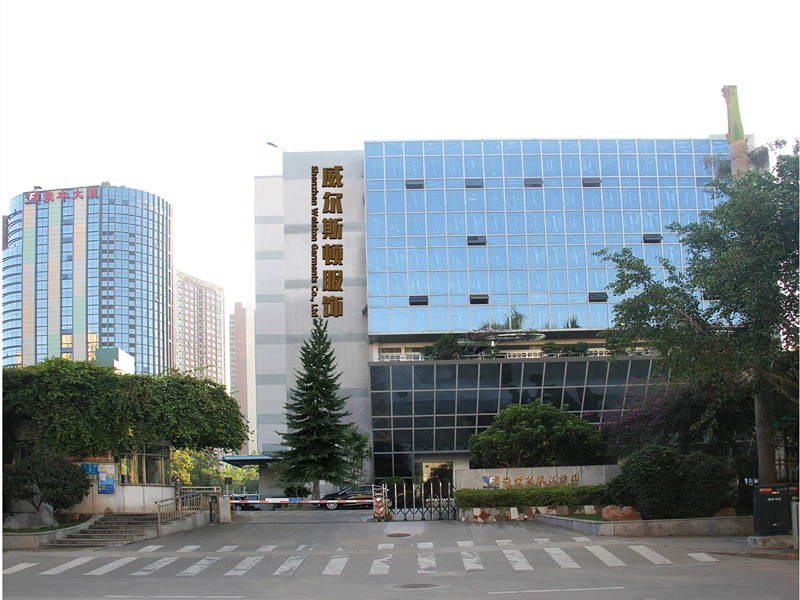
About Welston Garments