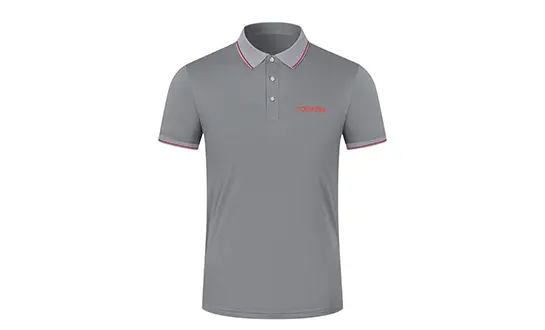
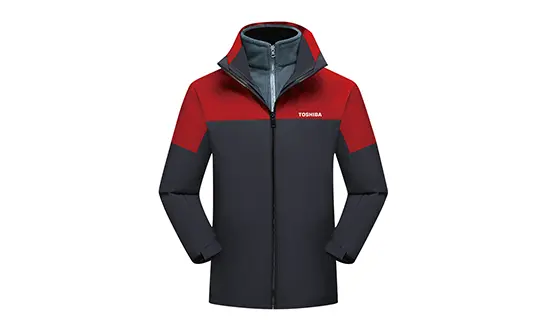
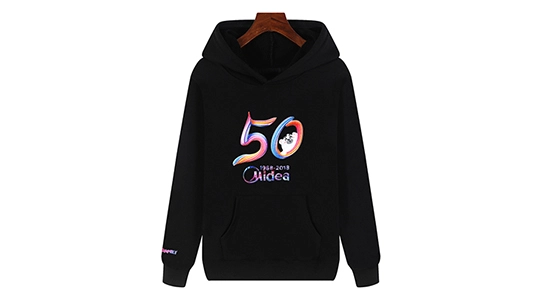
Benefits of Stain-Resistant Work Clothing for Durability
Stain-resistant work gear is a game-changer for garment longevity when professionals in different sectors are exposed to oils, chemicals, and tenacious stains everyday. Stain-Resistant Work Clothing uses advanced fabric technologies to repel liquids and prevent permanent soiling, extending uniform lifespan and maintaining professional appearance in demanding work environments.
Understanding Key Performance Indicators of Stain-Resistant Work Clothing
Advanced Fabric Treatments and Repellency Standards
The efficiency of protective gear relies on several technological factors that affect both how well it works and how long it lasts. Modern work clothes that resist stains include improved surface treatments that build tiny barriers against different kinds of dirt. High-quality clothes usually get scores between 90 and 100 on the AATCC 22 spray tests for water repellency. Using AATCC 118 criteria, we can see how well textiles can resist oil. This shows how well they can stand up to liquids with different surface tensions.
Breathability and Durability Through Repeated Use
The finest industrial uniforms keep workers comfortable by letting moisture vapor pass through them while yet protecting them. Another important sign is how well the wash holds up. When properly cared for, premium stain-resistant work clothes keep their protective qualities for 30 to 50 wash cycles. This longer lifetime means that organizations who have a lot of workers in the manufacturing, hospitality, and service industries may save money.
Eco-Friendly Chemistry and Long-Term Performance
The chemical makeup of current protective garments has changed a lot. Today's formulas put PFOS/PFOA-free technology first while still delivering great performance. These eco-friendly methods deal with environmental issues without losing the protective features that make durable workwear necessary for professional work.
Core Benefits That Transform Workplace Efficiency
Enhanced Durability and Professional Appearance
The main benefit of stain-resistant workwear in professional settings is durability. After exposure to typical occupational pollutants, traditional uniforms become permanently discolored, requiring regular replacements that strain operating resources. Automotive, food service, and industrial use oil-, grease-, and aqueous-resistant garments. Resistant fibers avoid contamination. Over long hours, staff seem professional, thus no uniform changes are needed.
Cost Savings and Improved Workforce Confidence
Professional dress promotes worker confidence under tough settings. Cleaning and maintaining utility gear enhances advertising and employee morale. Extended garment lifecycles save costs. Companies estimate 40-60% consistent replacement frequency reductions when using stain-resistant work clothing and other high-performance fabric solutions. This decrease helps firms with big teams in many locations, where consistent buying is costly.
Simplified Maintenance and Operational Efficiency
Maintenance simplicity boosts value. Easy-clean fabric technology remove surface pollutants quickly without extra washing. Standard laundry removes many stains that would permanently harm traditional workwear, lowering cleaning costs and downtime.
Welston's Advanced Solutions Versus Traditional Alternatives
Breathable Protection Backed by Advanced Fabric Engineering
After 30 years of work gear modification, Welston is a pioneer in protective garment development. While many businesses provide stain-resistant treatments, our method blends cutting-edge fabric technology with design that is appropriate for the office. Because it is not breathable, traditional stain-resistant workwear is unpleasant and useless. Systems created by Welston's professionals maintain air permeability while withstanding industrial pollutants. The balance of our clothing is a result of 27 years of fabric selection and care.
Strict Quality Control Across Scalable Production
Our products stand out due to quality control. Every batch undergoes extensive testing for wash durability, grease resistance, and water repellency. Regardless of order volume or customisation, our three factories consistently provide high-quality products across all product lines.
Flexible Customization and Reliable Service Support
Welston stands apart in competitive marketplaces because to its customization. While other manufacturers provide limited customization, our ten manufacturing lines allow for modifications to dimensions, color matching, and branding. This flexibility is advantageous to American and European businesses whose branded business wear has to adhere to professional standards. Responsive customer service keeps projects on schedule from the time we provide guidance until the last delivery. Our support professionals are on call around-the-clock, prepared to provide technical help and useful solutions. We take the time to learn about your requirements so you can confidently choose the best items. This practical approach is what transforms obstacles into seamless advancement and ensures the success of your project.
Maximizing Performance Through Proper Selection and Care
Selecting Fabrics Based on Industry-Specific Needs
Achieving optimal benefits from chemical-resistant clothing requires careful consideration of specific workplace requirements and proper maintenance practices. Different work environments present unique challenges that influence fabric selection and treatment specifications. Food service linens must withstand biohazards and bright chemicals. Stain-Resistant Work Clothing uses dual-action technology to clean restaurant and kitchen garments.Automotive and mechanical oil-resistant fabric resists lubricant and hydraulic fluid penetration. Ecosystems must resist industrial cleaning.Comfortable, chemical- and paint-resistant construction gear is needed. Summer vs. winter performance.
Proper Washing Practices to Maintain Protection
Proper washing maintains clothing protection. Fabric softeners may damage surfaces, and hot water may reactivate protective coatings. Following manufacturer instructions maximizes durability and stain resistance.
Heat Treatment Techniques to Extend Performance
Some heat treatments refresh protection. Medium tumble drying or mild ironing helps realign protective molecule structures, prolonging efficacy beyond wash cycles.
Global Market Applications and Regional Considerations
Regulatory Standards and Sustainability Demands
Local firms tailor workwear to industry standards and legislation. Demand for anti-microbial and protective clothing varies. Sustainability and certification compliance drive demand for eco-friendly formulations that meet strict environmental standards in Europe and America. Panasonic, Dell, and Toyota need trusted suppliers for several facilities.
Climate-Driven Requirements Across Emerging Markets
Due to severe weather and culture, Middle Eastern and African markets demand UV-protected, breathable outdoor apparel. Due to harsh conditions, oil and gas personnel require chemical-resistant clothing. Asia-Pacific providers of dependable, fast-delivering goods are seeing significant demand for cost-effective, high-quality solutions to serve enormous workforces in developing industrial nations.
Hospitality Industry Adoption and Cost Efficiency
As the hospitality industry recognizes the value of durable, maintenance-friendly uniforms, stain-resistant work apparel has become essential. It helps hotels and restaurants uphold a professional image, no matter the service conditions—while also cutting down on replacement costs and keeping staff looking sharp shift after shift.
Important Implementation Considerations
Cost Planning and Realistic Performance Expectations
Breathable work shirts and safety gear systems need preparation and realistic expectations. Comprehending capabilities and limitations maximizes results and avoids implementation errors. Even though beginning costs are higher than uniform costs, total ownership estimates demonstrate long-term savings. When evaluating the return on investment for Stain-Resistant Work Clothing, budget planning should take maintenance expenses and replacement frequency into account.
Training and Seasonal Adaptation Strategies
Training programs assist workers in understanding basic washing, drying, and storage guidelines that enhance the durability and performance of clothing. By using different fabric weights and treatments for summer and winter applications, seasonal rotation strategies provide continuous protection and worker comfort.
Performance Monitoring and Supplier Collaboration
Performance monitoring eliminates unforeseen failures and increases investment returns via extended service life by identifying when protective treatments or clothing need to be renewed or replaced. Maintaining a balance between timely delivery and quality requires solid supplier relationships. Workforce managers in charge of big teams benefit greatly when manufacturers provide prompt technical assistance and flexible customization. These responsive touches—the capacity to quickly resolve issues and adjust to practical demands—transform a typical provider into a reliable partner you can really rely on under duress.
Conclusion
Buying work clothes that are stain-resistant makes the workplace more efficient and lowers long-term expenditures. Longer garment lifecycles, easier maintenance, and a more professional look all provide a strong case for why businesses in many different fields should use these products. As safety requirements at work become better and people become more aware of the environment, protective garment technologies will also get better. This will be even better for organizations that care about both performance and sustainability. Smart purchasing choices now set organizations up for future success while also meeting current workplace standards for worker safety and professional image.
Frequently Asked Questions
1. How long does stain resistance last in industrial laundry settings?
High-quality stain-resistant work clothing maintains effectiveness for 30-50 industrial wash cycles when properly laundered. The longevity depends on washing temperatures, detergent types, and fabric care procedures. Avoiding fabric softeners and following heat treatment guidelines can extend protective capabilities beyond standard expectations.
2. Can stain-resistant treatments affect fabric breathability?
Modern treatments maintain excellent air permeability through nano-scale fiber modifications rather than surface coatings that block airflow. Quality manufacturers ensure moisture vapor transmission rates remain optimal for worker comfort while providing superior protection against liquids and contaminants.
3. What types of stains work best with these protective fabrics?
Oil-resistant fabric excels against petroleum products, cooking oils, and hydraulic fluids. Water-based substances, paint, mud, and many chemical compounds also resist penetration. However, certain aggressive solvents or extremely high-temperature liquids may require specialized protective equipment beyond standard work clothing.
Partner with Welston for Premium Stain-Resistant Work Clothing Solutions
Welston's commitment to excellence in protective clothing manufacturing has served global clients for three decades. Our advanced production capabilities, quality control systems, and responsive customer service ensure your organization receives optimal solutions for demanding work environments. Contact our expert team at [email protected] to discuss your specific requirements and discover why leading companies choose Welston as their trusted stain-resistant work clothing supplier.
References
1. Smith, Jennifer A. "Advanced Textile Technologies in Industrial Workwear: Performance and Durability Analysis." Journal of Protective Clothing Research, Vol. 15, No. 3, 2023, pp. 45-62.
2. Thompson, Michael R. "Cost-Benefit Analysis of Stain-Resistant Fabric Systems in Manufacturing Environments." Industrial Safety and Efficiency Quarterly, Vol. 28, No. 2, 2024, pp. 112-128.
3. Garcia, Maria L. "Environmental Impact and Performance Evaluation of PFAS-Free Protective Clothing Technologies." Sustainable Textiles Review, Vol. 12, No. 1, 2023, pp. 78-95.
4. Anderson, David K. "Workplace Safety Enhancement Through Advanced Protective Clothing Systems." Occupational Health and Safety Management, Vol. 31, No. 4, 2024, pp. 203-219.
5. Wilson, Sarah J. "Comparative Analysis of Stain-Resistant Treatments in Professional Uniform Applications." Corporate Apparel Technology, Vol. 9, No. 2, 2023, pp. 134-151.
6. Brown, Robert E. "Economic Impact of Durable Workwear Solutions in Multi-Location Operations." Business Operations Efficiency, Vol. 22, No. 1, 2024, pp. 67-84.
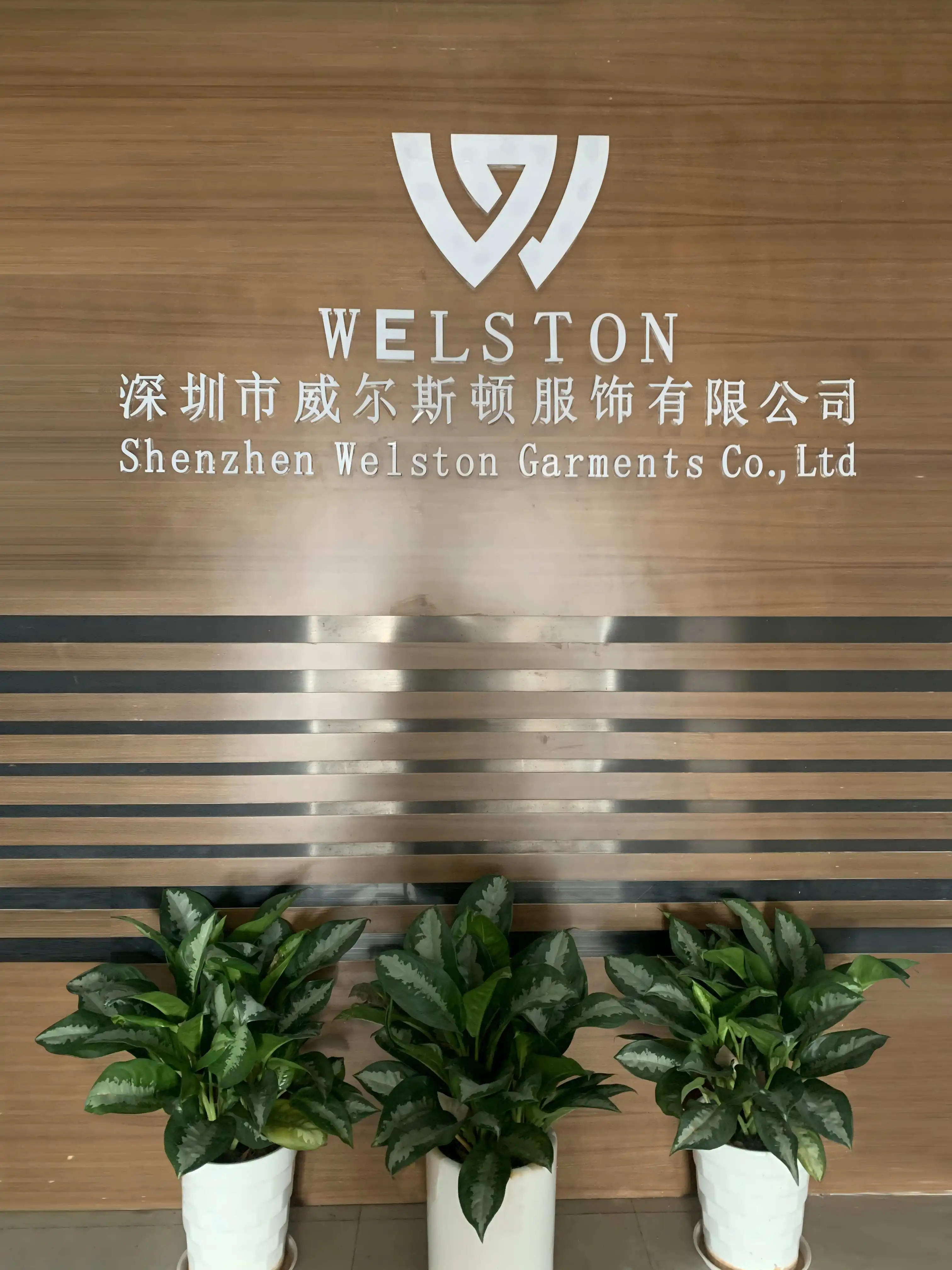
We specialize in designing, producing, and selling corporate clothing. Mainly produces: industrial clothing, business uniforms, and work clothes for different companies.

About Welston Garments