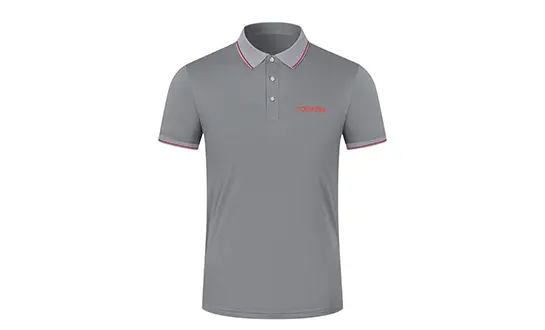
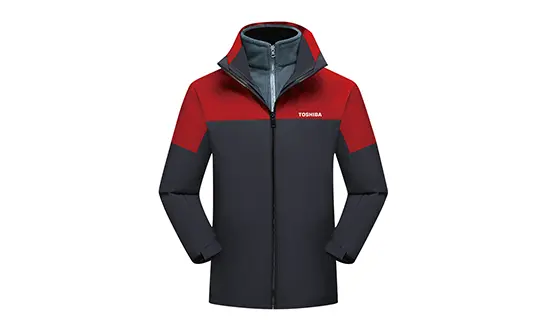
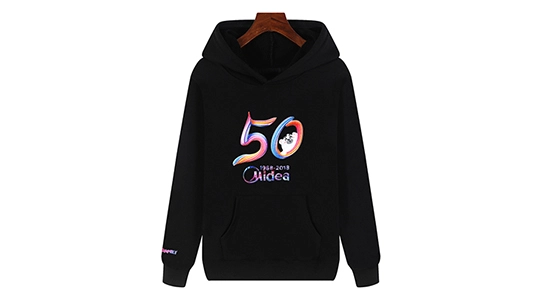
Stain-Resistant Work Clothing Uses in Harsh Environments
Stain-resistant work clothing is a development in protective garment technology for professionals in hazardous settings exposed to oils, chemicals, and pollutants. Hydrophobic and oleophobic technologies in this innovative workwear minimise liquid and particle matter absorption, keeping workers safe and looking professional. Innovative fabric treatments generate tiny barriers that bead and roll fluids, prolonging garment longevity and lowering replacement costs.
Understanding the Technology Behind Advanced Work Apparel
Surface Engineering and Protective Fabric Treatments
The technology underlying work clothes that don't get stains requires complex changes to the surface that turn normal fibres into protective barriers. These clothes include Durable Water Repellent (DWR) coatings and soil release qualities that work together to keep dirt and other things out while still letting air flow through.
Nanotechnology and the Lotus Effect in Action
Nanotechnology is used in modern work clothes that resist stains to produce the "Lotus Effect," which makes liquids roll off the fabric surface. This technique is very important for workers in the automotive, food processing, and industrial maintenance fields, where being around oils, grease, and other chemicals may be dangerous and make them seem unprofessional.
Breathability and Comfort Under Harsh Conditions
The breathable, stain-resistant work clothing keeps you comfortable by letting perspiration vapour pass through while keeping bigger liquid molecules out. This equilibrium keeps workers cool and dry even when they have to do hard work in tough conditions.
Industrial Manufacturing and Production Facilities
Protection Against Oils and Industrial Contaminants
In manufacturing, workers deal with cutting fluids, machine oils, and industrial lubricants all day long, which makes their jobs harder. Stain-resistant work clothes are very important for manufacturing line workers, quality control inspectors and maintenance professionals. Oil-resistant clothing that keeps hydraulic fluids and synthetic lubricants away is helpful for workers in car factories. The protective garment keeps the skin from being too wet, which might cause irritation or pose safety risks.
Cost Efficiency and Reduced Replacement Frequency
When production managers choose stain-resistant uniforms, they say they save a lot of money since they don't have to change clothes as often.
Cleanroom Compatibility and Easy Maintenance
When making electronics, the surroundings has to be free of contaminants, which is not the case with regular work clothes that could shed fibres or hold onto particles. Advanced stain-resistant uniforms not only keep dust and dirt from building up on sensitive parts, but they also keep static electricity from building up. The easy-to-clean work clothing make it easier to follow maintenance rules in busy factories. With only a fast wipe, workers can swiftly get rid of surface contaminants, keeping the area looking clean even after long shifts.
Food Processing and Culinary Operations
Maintaining Hygiene Standards in High-Risk Food Environments
Food service workplaces must maintain high hygiene standards since oils, sauces, and biological elements stain garments. Stain-resistant workwear with culinary fabric treatments solves these issues.
Enhancing Kitchen Efficiency with Specialized Protective Apparel
Aprons and chef jackets that resist oils and acidic materials like tomato sauces help commercial kitchens. For brand image and client confidence, the stain-proof fabric stays professional throughout high-volume food preparation.
Improving Safety and Compliance in Food Processing Facilities
Cleaning chemicals and biological fluids are not absorbed by water-resistant clothing in food processing plants. Raw material workers like stain-resistant work clothing that resists blood, lipids, and other hazards. HACCP compliance is achieved by limiting cross-contamination between food processing areas using chemical-resistant fabric. Supervisors can quickly detect clothing replacement needs, boosting food safety.
Automotive Service and Repair Operations
Managing Chemical Exposure in Demanding Work Environments
Mechanics work with engine oils, brake fluids, gearbox fluids and other automotive chemicals at automobile repair shops, which may be difficult places to work. Clothes that are resistant to stains are important for safety and look professional while interacting with customers.
Protective Workwear for Safety and Daily Performance
Service workers who use heavy equipment want coveralls that keep grease and oil from getting on them. The protective garment prevents combustible materials from getting into the body, which lowers the risk of fires in shops where there are many possible sources of ignition.
Supporting Professional Image and Long-Term Durability
High-quality uniforms that stay clean between service visits are helpful for mobile mechanics and roadside service providers. A professional image helps customers trust your company and your reputation, which is especially vital for high-end car services. The sturdy workwear can handle being around automotive chemicals over and over again without the cloth losing its strength. Garage owners say that their technicians are happier with comfortable work clothes that operate well and that they don't have to buy new uniforms as often.
Healthcare and Laboratory Settings
Ensuring Protection Against Biological and Chemical Hazards
In hospital environments, garments need to be comfortable for long shifts and protect biological fluids from seeping inside. Medical staff are protected from bloodborne pathogens and chemical disinfectants when they wear work clothing that don't become stained. People who work in labs with chemicals and biological samples may wear clothes that are easy to clean and don't allow stains seep in.
Maintaining Hygiene Standards in Clinical and Testing Environments
The protective gear looks professional while yet respecting the criteria for preventing contamination that are needed for good testing. Emergency medical services use Stain-Resistant Work Clothing that is water-resistant and keeps body fluids and cleaning solutions from getting on it.
Supporting Efficiency, Comfort, and Cost Management in Healthcare
Paramedics and EMTs require clothes that can be cleaned rapidly between calls to help stop the spread of diseases. The breathable work garments keep you cool throughout strenuous medical procedures and protect you from dangerous substances at the same time. Healthcare administrators believe that staff is happier and that it costs less to replace uniforms.
Construction and Heavy Industry Applications
Handling Harsh Materials in Demanding Work Conditions
Concrete dust, paint, solvents, and other building products rapidly dirty garments on construction sites. In cleaner construction sites, supervisors, inspectors, and skilled trades benefit most from our stain-resistant work clothes. Painters use work clothes that resist water-based paints and mild solvents.
Maintaining a Professional Appearance on Active Job Sites
Professional look for customer contacts is maintained by brushing dried substance off without entering fabric fibres due to stain-resistant characteristics. Utility apparel that resists wire tugging chemicals and electrical lubricants helps commercial electrical contractors. The clean look boosts professionalism in inhabited buildings.
Enhancing Mobility, Comfort, and Client Confidence
Project managers and construction inspectors want comfortable, clean clothes for travelling between job zones. Professionalism boosts customer trust and company growth.
Chemical Processing and Pharmaceutical Industries
Meeting Protection Needs in Chemical-Intensive Environments
Chemical processing plants need specific protective apparel that keeps workers comfortable while also protecting them from a wide range of chemicals. Stain-resistant work clothes are important for protecting operators, technicians, and quality control workers.
Maintaining Cleanroom Standards and Contamination Control
Pharmaceutical production requires conditions devoid of contamination, while conventional attire may introduce particles or hold residues. Advanced industrial uniforms include fabrics that don't react with chemicals and help keep clean rooms clean. Safety gear that keeps chemicals and other test materials from entering into the body is helpful in research labs.
Ensuring Durability, Safety, and Professional Performance
Stain-resistant work clothing are vital for safety and saving money since they stay intact even after coming into contact with a lot of chemicals. Quality control technicians want outfits that seem professional and prevent them from getting chemicals on them by mistake. The unique treatments for the cloth keep it from breaking down when it comes into touch with chemicals over and over again.
Geographical Market Considerations
Understanding Diverse Regional Requirements for Workwear
We have customers all around the world, and each of the three main areas has its own needs for work clothes that don't stain. The European and American markets put a lot of emphasis on approved safety gear made from eco-friendly materials and professional business suits. These areas need high-quality industrial clothing that fulfils strict safety regulations and gives off a professional brand image.
Adapting to Climate and Industry Demands in Emerging Markets
The Middle East and Africa markets concentrate on work clothes that are suited for the weather, with a focus on protecting against UV rays and heat. The oil and gas industries need uniforms that are tough enough to last in difficult situations while also being culturally appropriate. For these markets, bulk buying that focuses on value is still quite important.
Balancing Cost Efficiency and Scalability in Asia-Pacific
The Asia-Pacific regions put a lot of emphasis on finding cost-effective ways to hire a lot of people in the industrial and service industries. The focus on high-volume manufacturing and customisation helps the hotel and corporate services sectors develop quickly. These businesses need professional office clothes and basic industrial work clothes.
Conclusion
Stain-resistant work clothing make workplaces safer and more professional-looking in many sectors that have to deal with contamination issues. These high-tech clothes keep you safe while yet looking professional and comfortable, whether you're working on cars or preparing food. The technology is becoming better at meeting strict environmental regulations while also performing better. Companies that buy high-quality, stain-resistant work clothes save money on replacements, make their workers happier, and improve their professional reputation, all of which help the firm develop and make customers more confident.
Frequently Asked Questions
1. Does stain-resistant coating affect clothing breathability?
High-quality stain-resistant work clothing maintains excellent breathability through nano-scale fiber modifications rather than continuous film coatings. The microscopic treatment allows air and moisture vapor to escape while blocking larger liquid molecules, ensuring worker comfort during extended wear.
2. How long do stain-resistant properties last?
Industrial-grade finishes typically maintain effectiveness for 30 to 50 wash cycles depending on laundering methods and chemical exposure. Heat reactivation through tumble drying or ironing can restore protective properties, extending garment lifecycle significantly.
3. Can these garments handle oil-based stains?
Modern stain-resistant work clothing features both hydrophobic and oleophobic treatments that repel water-based and oil-based substances. The dual-action technology prevents penetration of automotive fluids, cooking oils, and industrial lubricants while maintaining fabric integrity.
Partner with Welston for Premium Stain-Resistant Work Clothing Solutions
Welston stands as a trusted stain-resistant work clothing manufacturer with nearly three decades of expertise serving global markets. Our advanced production facilities and quality control systems ensure consistent delivery of high-performance protective apparel that meets diverse industry requirements. Contact [email protected] to discuss your specific needs and discover how our customizable solutions can enhance your workforce protection and professional image.
References
1. Industrial Safety & Hygiene News. "Advanced Fabric Technologies in Professional Workwear: A Comprehensive Analysis of Stain-Resistant Treatments." Volume 47, Issue 3, 2023.
2. Journal of Occupational Health and Safety. "Protective Clothing Performance Standards: Evaluating Stain-Resistant Work Apparel in Industrial Applications." Published by American Society of Safety Professionals, 2023.
3. Textile Research Journal. "Nanotechnology Applications in Protective Workwear: Hydrophobic and Oleophobic Surface Modifications." International Textile Institute Quarterly Review, 2023.
4. Occupational Safety and Health Administration. "Guidelines for Protective Clothing Selection in Chemical and Industrial Environments." U.S. Department of Labor Publication Series, 2023.
5. International Association of Fire Chiefs. "Chemical-Resistant Fabric Technologies: Performance Evaluation in Emergency Response Applications." Annual Technical Conference Proceedings, 2023.
6. Food Safety Magazine. "Hygiene Standards and Protective Clothing in Food Processing Environments: Best Practices for Contamination Prevention." Food Industry Professional Publishing, 2023.
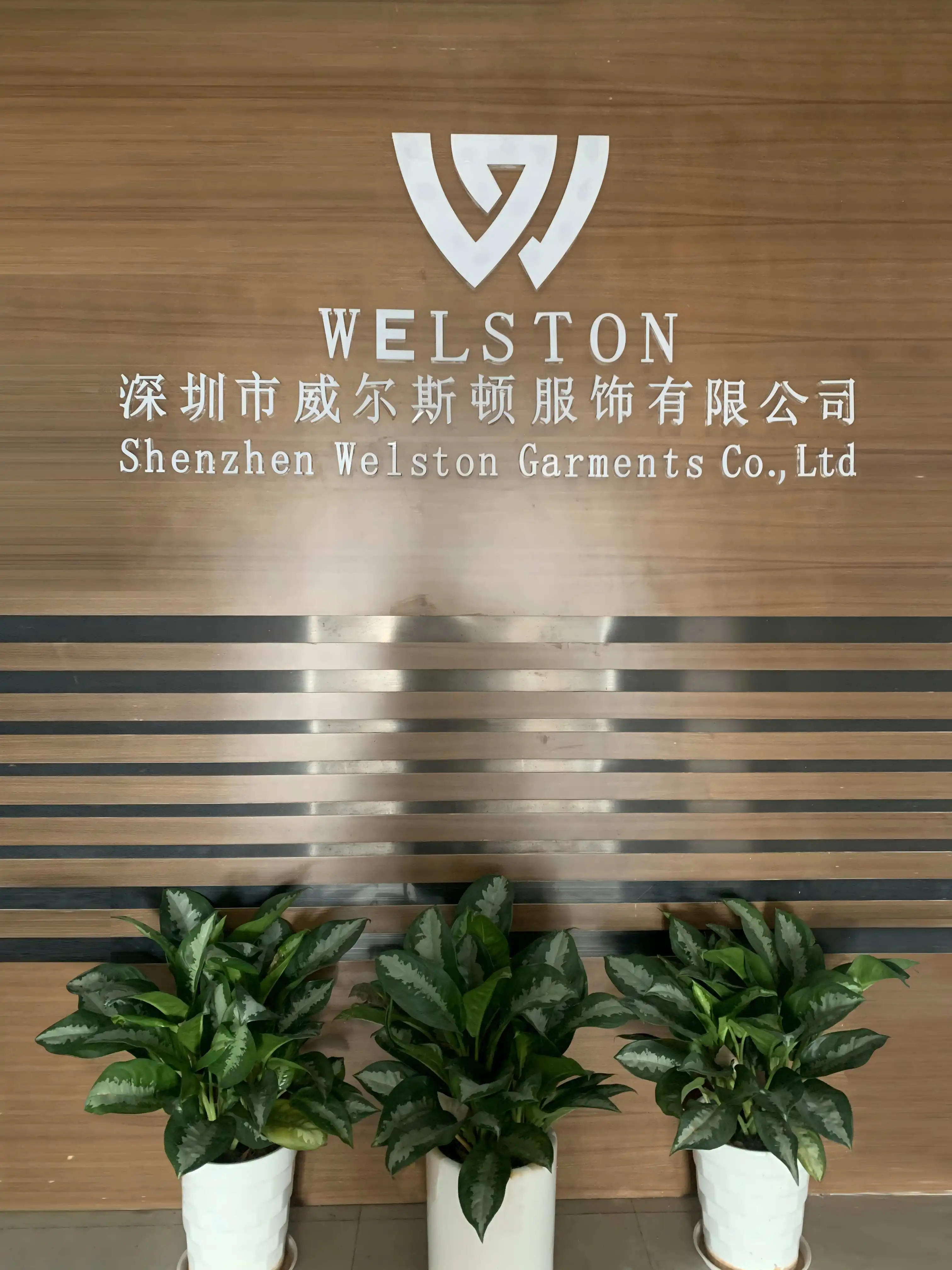
We specialize in designing, producing, and selling corporate clothing. Mainly produces: industrial clothing, business uniforms, and work clothes for different companies.

About Welston Garments